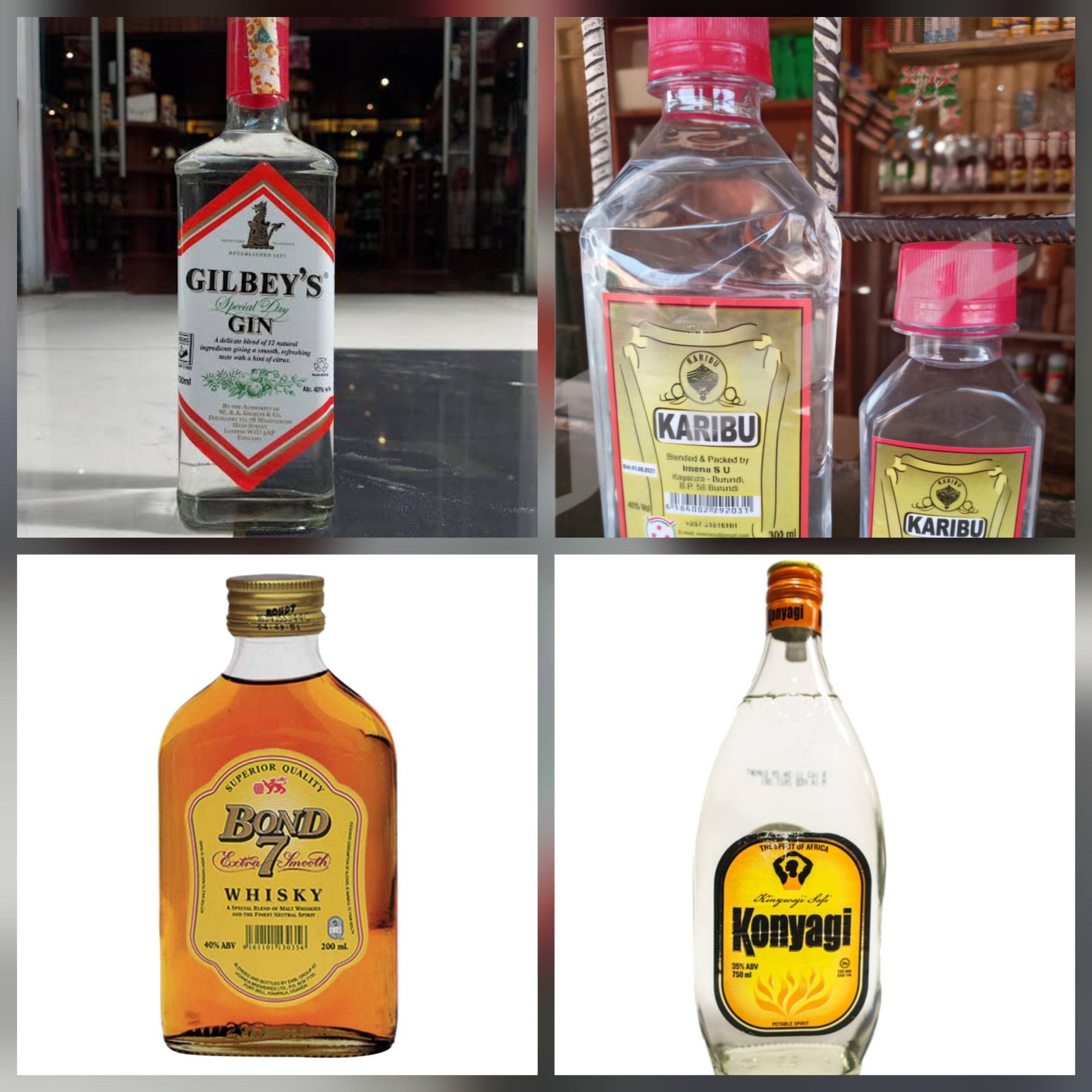
Recent deaths prompted government to ban a number of alcoholic drinks considered to be adulterated.
KIGALI – When Angelique Bapfakurera remembers the last evening she spent with her husband, Ali Maniragaba, she recalls his complaints of stomach pain and headache after returning home from drinking with friends in the neighborhood.
It was January 29, 2020.
What initially appeared to be an ordinary illness quickly became something far more serious. Maniragaba developed diarrhea, began experiencing problems with his eyesight and soon lost his vision.
READ MORE: Government Closes Another 100 Factories Making Crude Alcohol
Later, when Bapfakurera went to check in the bedroom, she found him unresponsive. He never recovered. According to the family, Maniragaba had consumed K’Bamba, a locally produced alcoholic drink manufactured by Bio-Hap Ltd, a company that was later closed.
Investigations found excessive levels of methanol, a toxic substance that can cause blindness, permanent neurological damage and death.
For Bapfakurera, however, the story did not end with the closure of the company.
“The loss of my husband left the family with a responsibility we were not prepared for. We lost someone who was part of the family’s support system, and we are still living with the consequences,” she says with a tinge of bitterness in her voice.
Her experience has resurfaced as Rwanda confronts another wave of deaths and serious illnesses linked to adulterated alcoholic drinks. Since January, at least 50 people are reported dead after consuming alcoholic drinks adulterated with toxic substances, according to the Ministry of Health.
A Problem That Leaves Survivors Behind
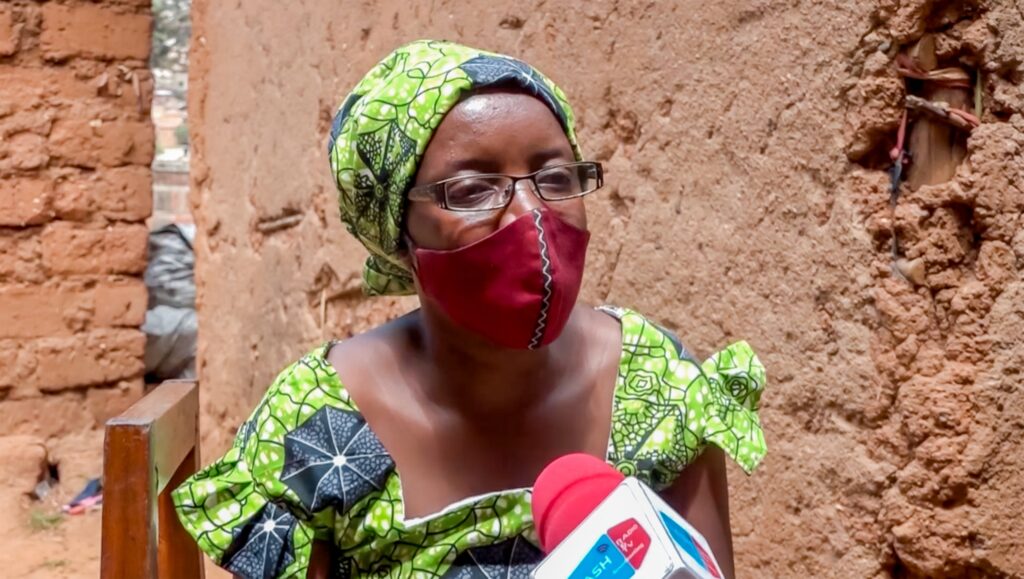
Angelique Bapfakurera lost her husband on January 29, 2020.
Victims in different parts of the country have also suffered blindness, organ damage and other severe complications.
The renewed crisis prompted Rwanda National Police in July to launch the “SI ZO ZAWE, ZANGE” campaign, urging consumers to reject unsafe and adulterated beverages.
Police said some drinks had been mixed with substances including industrial chemicals, soap, brick powder and other hazardous materials.
READ MORE: Tanzania’s Konyagi, Kenya’s Gilbey’s Among Foreign Alcohol Now Unwanted in Rwanda
Health Minister Dr. Sabin Nsanzimana recently described the situation as widespread, saying some producers mix substances such as methanol, solvents and crushed bricks into alcoholic drinks, with consequences that can include damage to the brain, eyes and other organs.
But behind the latest figures are people whose lives have been permanently altered. One of them is 26-year-old Kevin Kimonyo, who shared the drink that killed Maniragaba. Fortunately, he survived.
But survival came with a devastating cost. He lost his eyesight and much of his ability to speak normally, while his arms and legs were left with permanent deformities.
A relative who cared for him in hospital remembers receiving calls that the friends who had shared the drink with him were dying one after another.
“At first, we thought they might have eaten something poisonous during the day. We only understood the seriousness of what had happened when the medical reports showed that the problem was linked to the drink,” the relative recalls.
For Kimonyo’s family, the question now extends beyond what happened that day. They have to think about how a young man who once lived independently will be supported for the rest of his life.
Damage That Outlives the Bottle

26-year-old Kevin Kimonyo, shared the drink that killed Maniragaba but fortunately he survived.
The experiences of people like Bapfakurera and Kimonyo reveal another dimension to the problem. A product can be removed from the market, a factory can be closed, a warning can be issued, but the consequences for victims remain.
For families who lose a breadwinner, the economic impact can continue for years. For survivors who lose their eyesight or mobility, the consequences can become part of everyday life.
That is why Bapfakurera wants those responsible to be held accountable and families affected by the drinks to receive compensation.
The issue has also reached the Office of the Ombudsman, where Chief Ombudsman Madeleine Nirere has previously urged citizens with unresolved grievances to pursue appropriate legal channels.
According to a statement provided to the victims, Nirere said those unable to afford legal representation could seek assistance from government lawyers, adding that compensation could depend on the extent of damage established through the courts.
The ‘Burden’ Victims Leave Behind
The latest deaths have renewed attention on the dangers of adulterated alcohol, but the experiences of earlier victims show why the issue cannot be measured only by the number of people who die.
Some victims leave behind widows and children. Others survive with damaged eyesight, impaired speech or permanent disabilities.
Their stories provide a different way of understanding the problem: toxic alcohol does not only take lives on the day it is consumed. For those who survive, it can reshape the rest of their lives.
READ MORE – Government Spokesperson on Closing Alcohol Factories: Economic Concerns Crucial But Public Health Comes Before Everything Else
And for families such as Bapfakurera and Kimonyo’s, the memory of what happened in 2020 remains a reminder that the human cost of a dangerous drink can last long after the bottle has disappeared.
The ongoing response is therefore not only about keeping toxic drinks away from consumers. It is also about understanding what happens to those who have already paid the price, and ensuring that their suffering is not reduced to another statistic when the next warning is issued.