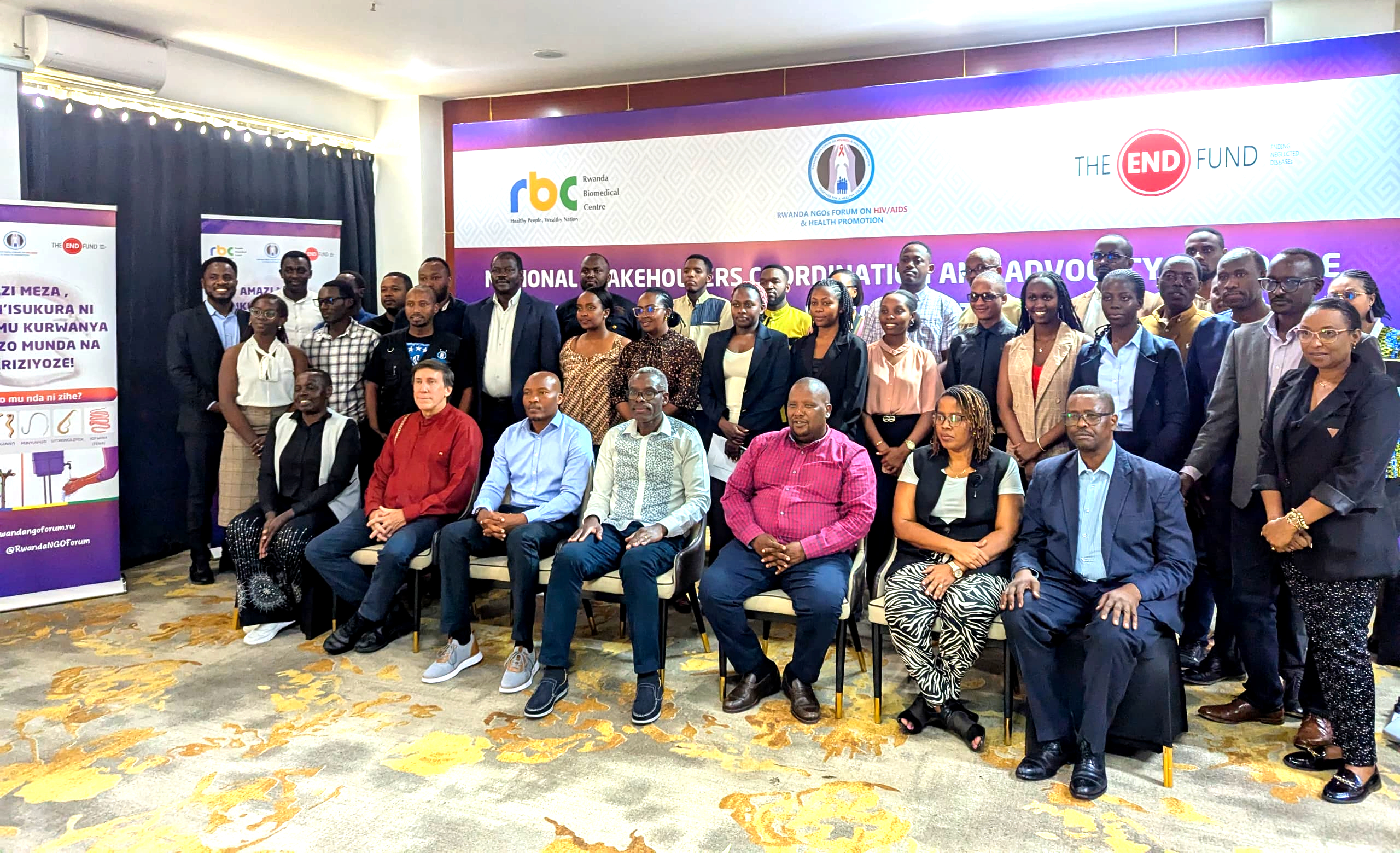
 Health and sanitation experts in Rwanda have renewed their commitment to ending neglected tropical diseases (NTDs) and improving access to clean water, toilets, and hygiene services—known as WASH. This was the main focus of the Annual National Stakeholders Coordination and Advocacy Dialogue held on Monday.
The meeting, organized by the Rwanda Biomedical Centre (RBC), brought together people from government, civil society, development partners, and health experts. The goal was to review Rwanda’s progress, identify remaining challenges, and plan better ways to eliminate NTDs by 2030, as promised in the Kigali Declaration on NTDs.
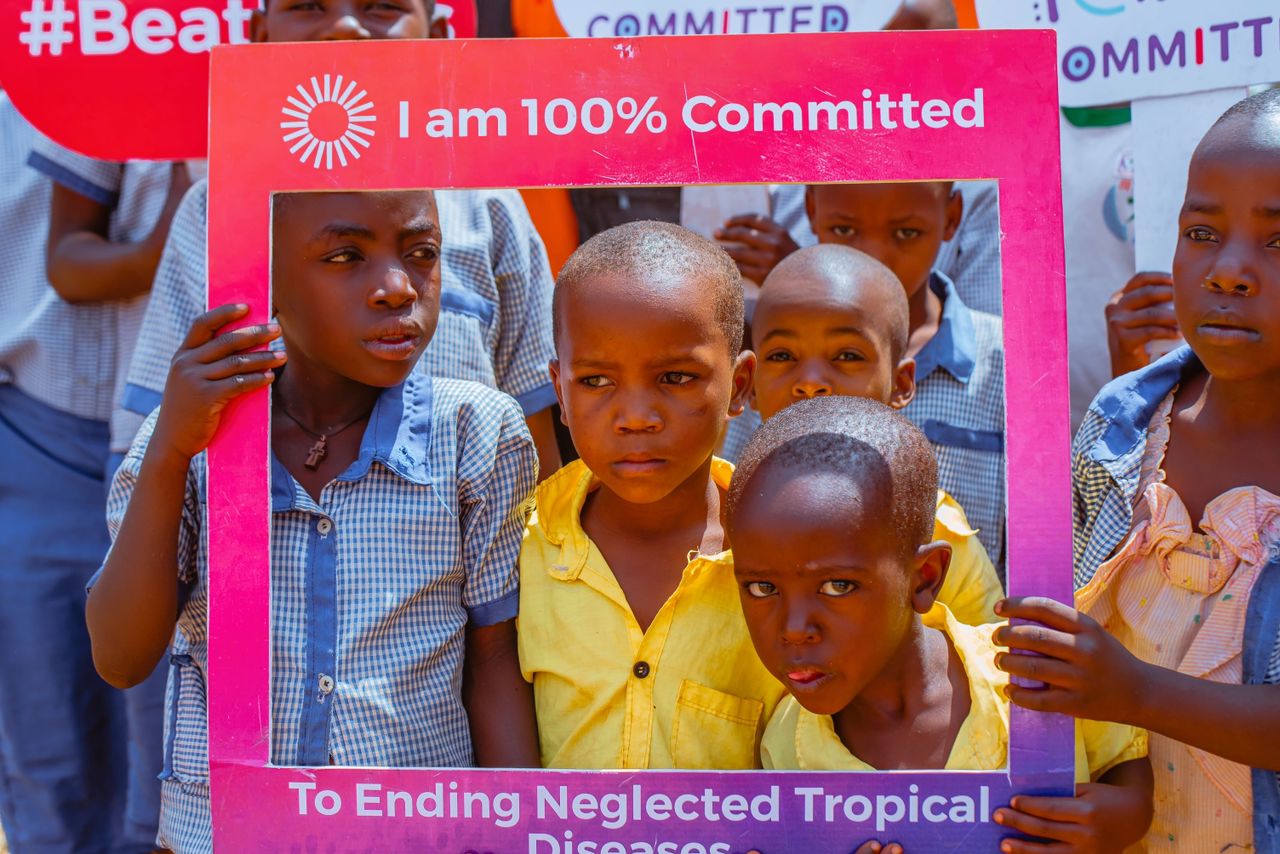
Rwanda still struggles with NTDs:
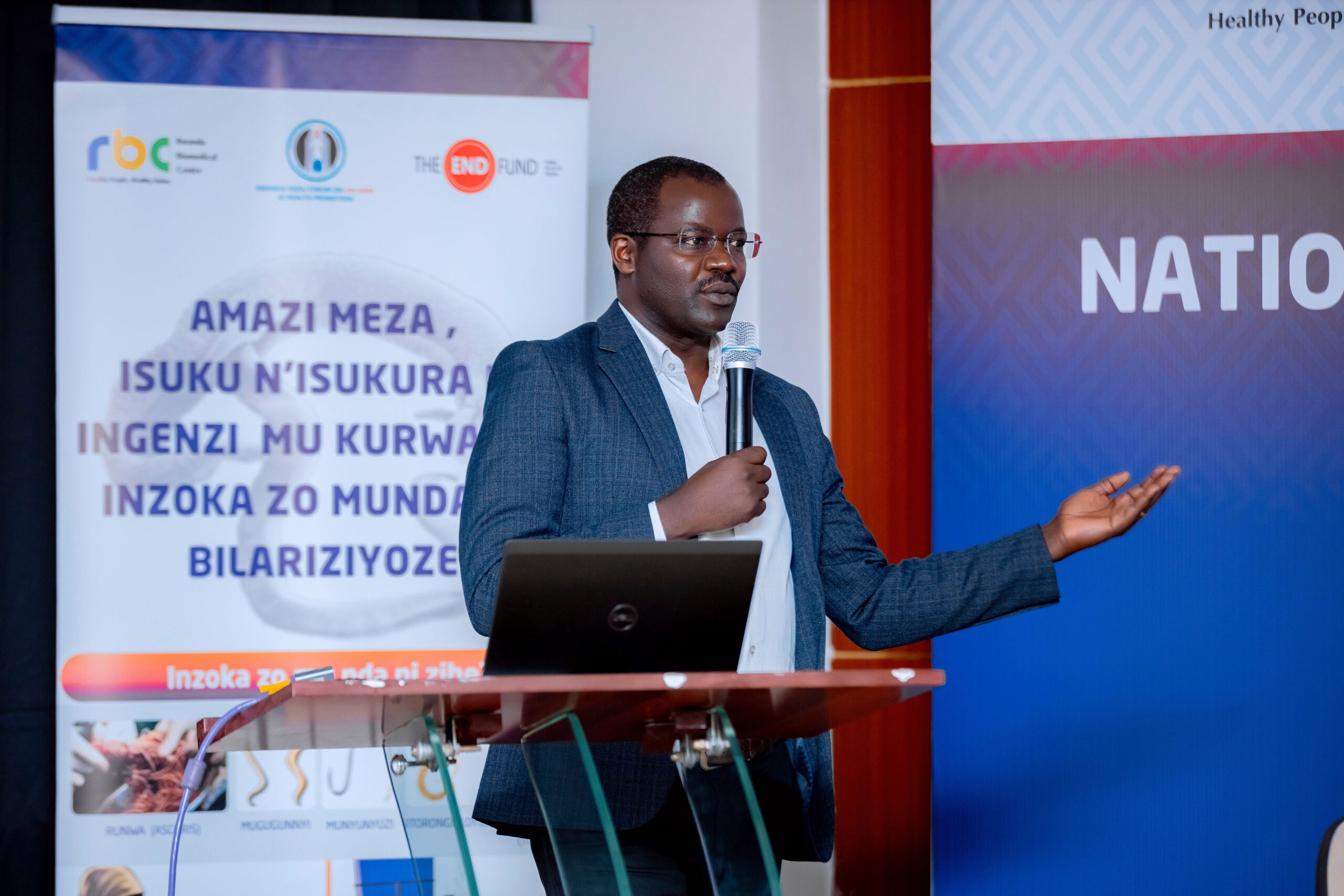
Ladislas Nshyimiyimana
Ladislas Nshyimiyimana, the Acting Director of the NTDs and Other Parasitic Diseases Unit at RBC, gave an overview of the situation. He said that worldwide, 1.7 billion people still need treatment for NTDs every year. In Rwanda, nine types of these diseases still affect people—especially elephantiasis and podoconiosis.
Nshyimiyimana said improving access to clean water, toilets, and hygiene services is key to stopping the spread of these diseases. But there are still many problems, including poor waste management, not enough clean water in some areas, and weak cooperation between health and WASH programs.
New pilot project brings hope:
To address the problem, Rwanda has started a pilot project in Ruhango and Bugesera districts. The project is meant to stop the transmission of soil-transmitted helminths and schistosomiasis. It combines medicine, education to change behavior, and efforts to improve the environment.
Dr. Eric Niyongira presented updates about this project. He said that to succeed, Rwanda must deal with deeper problems such as low awareness among the community, poor coordination between health and WASH officials, and weak public engagement.
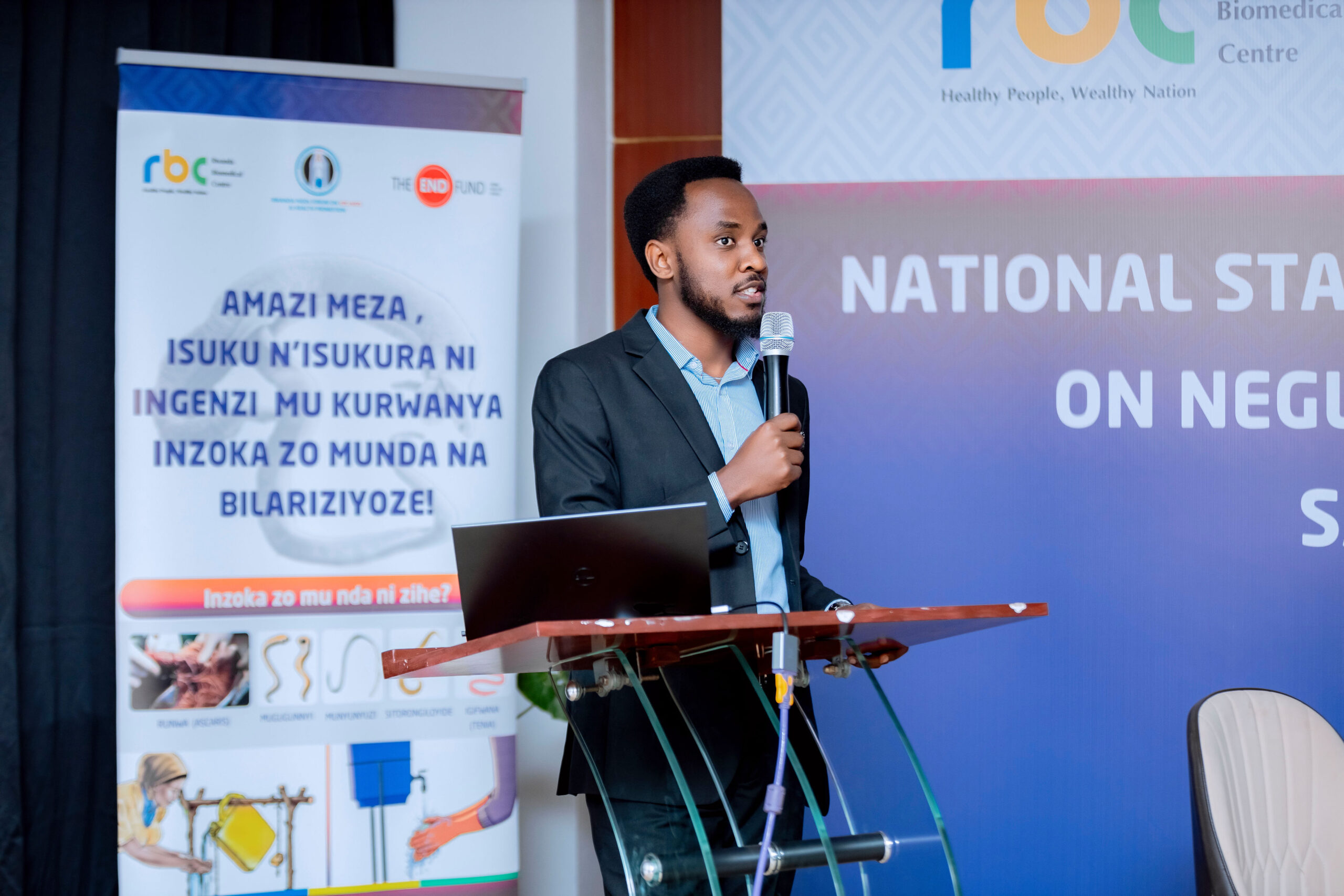
Dr. Eric Niyongira
In a panel discussion, Dr. Muhayimpundu Ribakare from the World Health Organization (WHO)–Rwanda said the government needs to give more attention to WASH in national planning.
She asked tough but important questions: “Do all communities have affordable and reliable water? Are the health and WASH programs working together?” She added that Rwanda should use lessons from the pilot districts to create programs that can last, especially when international donors reduce their support.
Dr. Albert Tuyishime, who leads the Institute of HIV/AIDS Disease Prevention and Control (IHDPC) at RBC, said that most NTD programs have been funded by donors. But Rwanda is now increasing its own financial support and trying to connect NTD efforts with other health programs, like those that fight malaria.
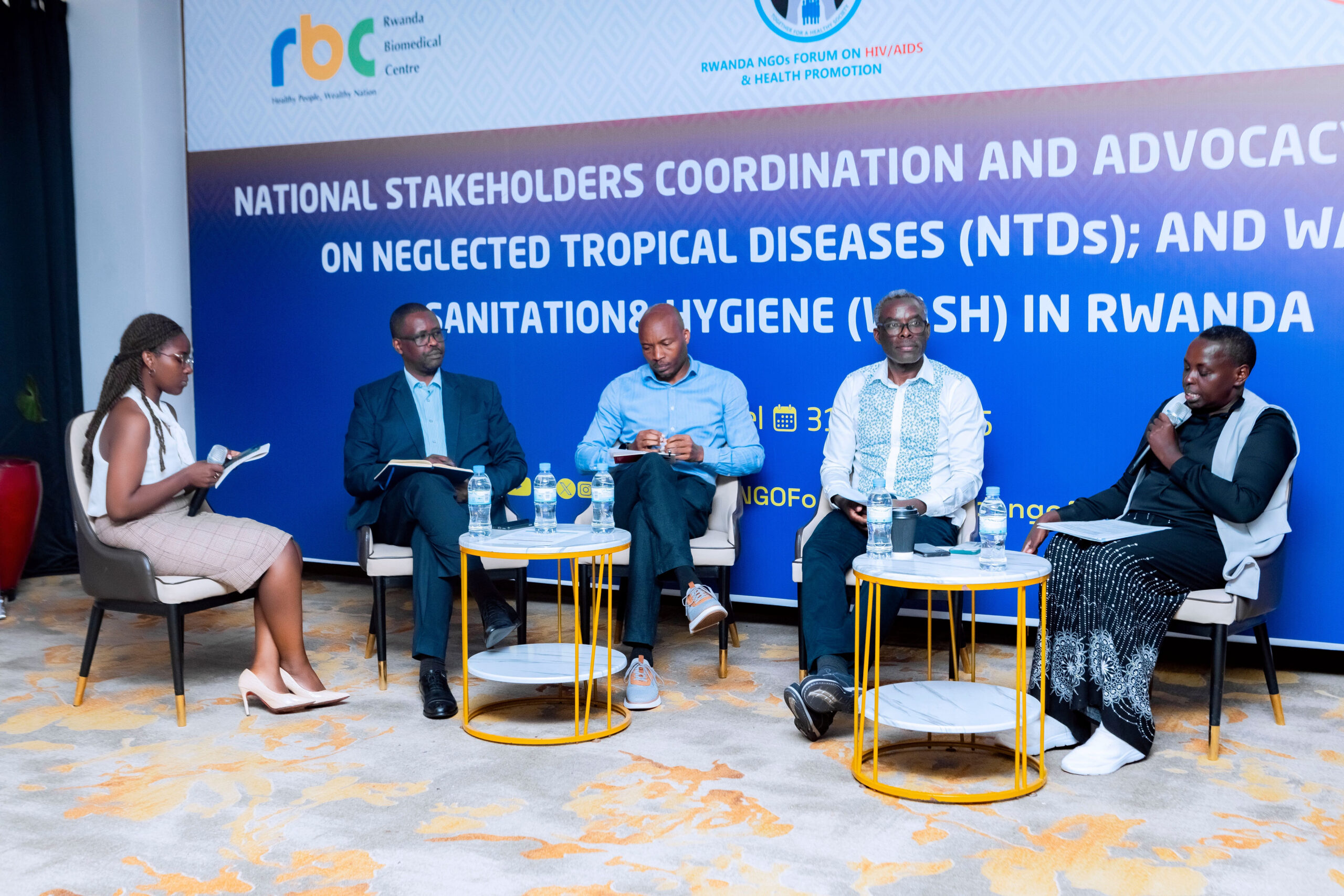
Tuyishime said: “To really eliminate NTDs, we need strong data, smart investments in infrastructure, and new funding models that match our national efforts.”
Dr. Eugene Ruberanziza, a senior director at The END Fund, said the national government has good coordination, but more is needed at the district level. He gave the example of Musanze, a high-risk area that still lacks enough WASH partners.
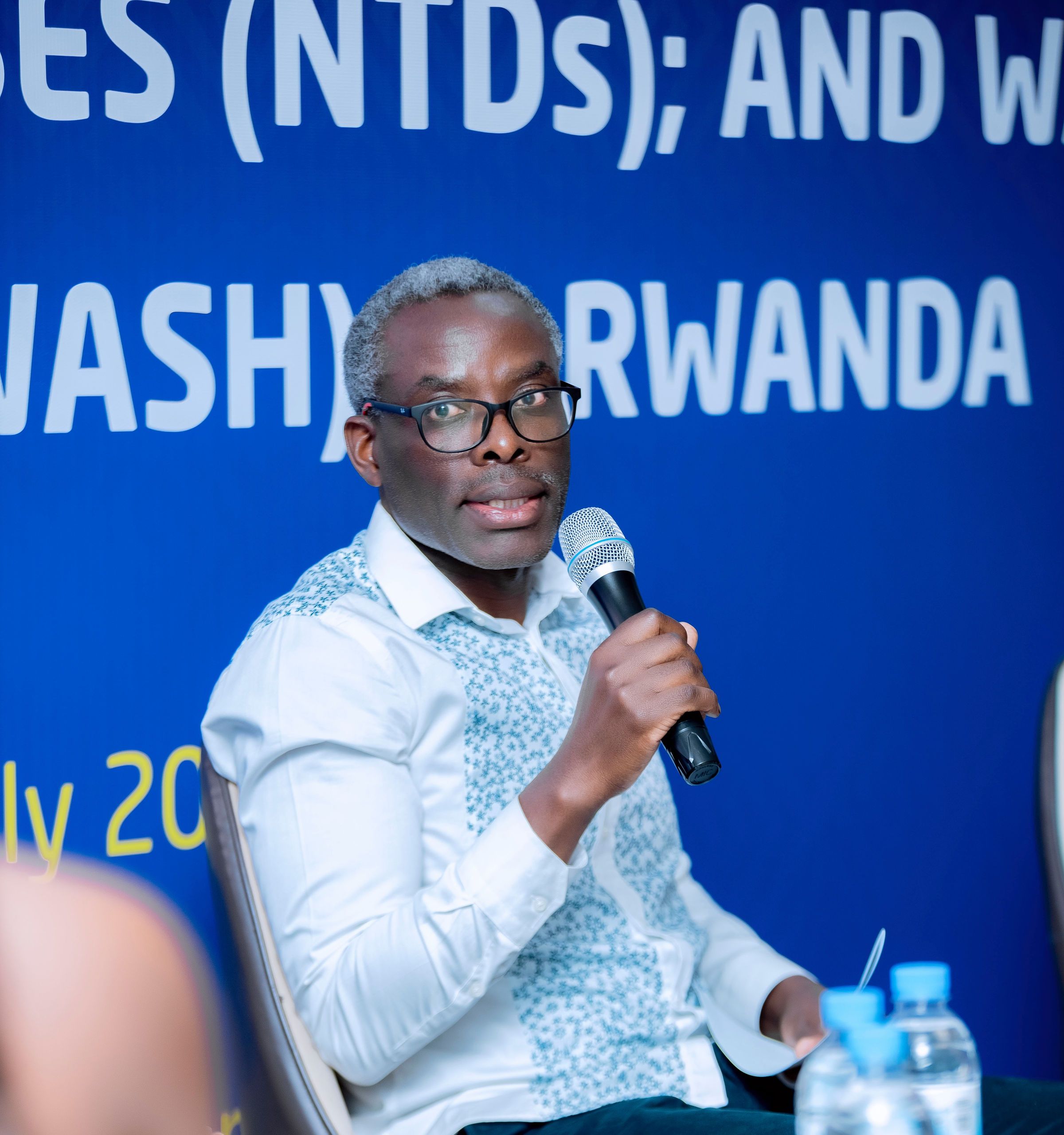
Dr. Eugene Ruberanziza,
Infrastructure isn’t enough without awareness:

A busy Nyabugogo taxi park
Emmanuel Hategekimana, a senior engineer at the Ministry of Infrastructure, said Rwanda wants to double its daily water production to 688 million liters. But he warned that water systems alone won’t solve the problem. People also need to change their behavior.
He said: “We saw handwashing stations built during COVID-19, but many were not used. This means we need to raise more awareness in communities.”
Bernard Muramira, the Chairperson of the Rwanda NGOs Forum (RNGOF), said the government and communities must work together more closely. “Success depends on everyone—government, NGOs, and local people—taking responsibility,” he said.
Dr. Athanase Rukundo, who leads Clinical and Public Health Services Governance at the Ministry of Health, said the government is serious about improving services. It plans to hire more health workers and push forward with 4×4 Health Sector Reforms, which aim to improve service delivery and expand hygiene services in health centers.
“We are ready to work with all partners to move faster toward our goals,” Dr. Rukundo said.
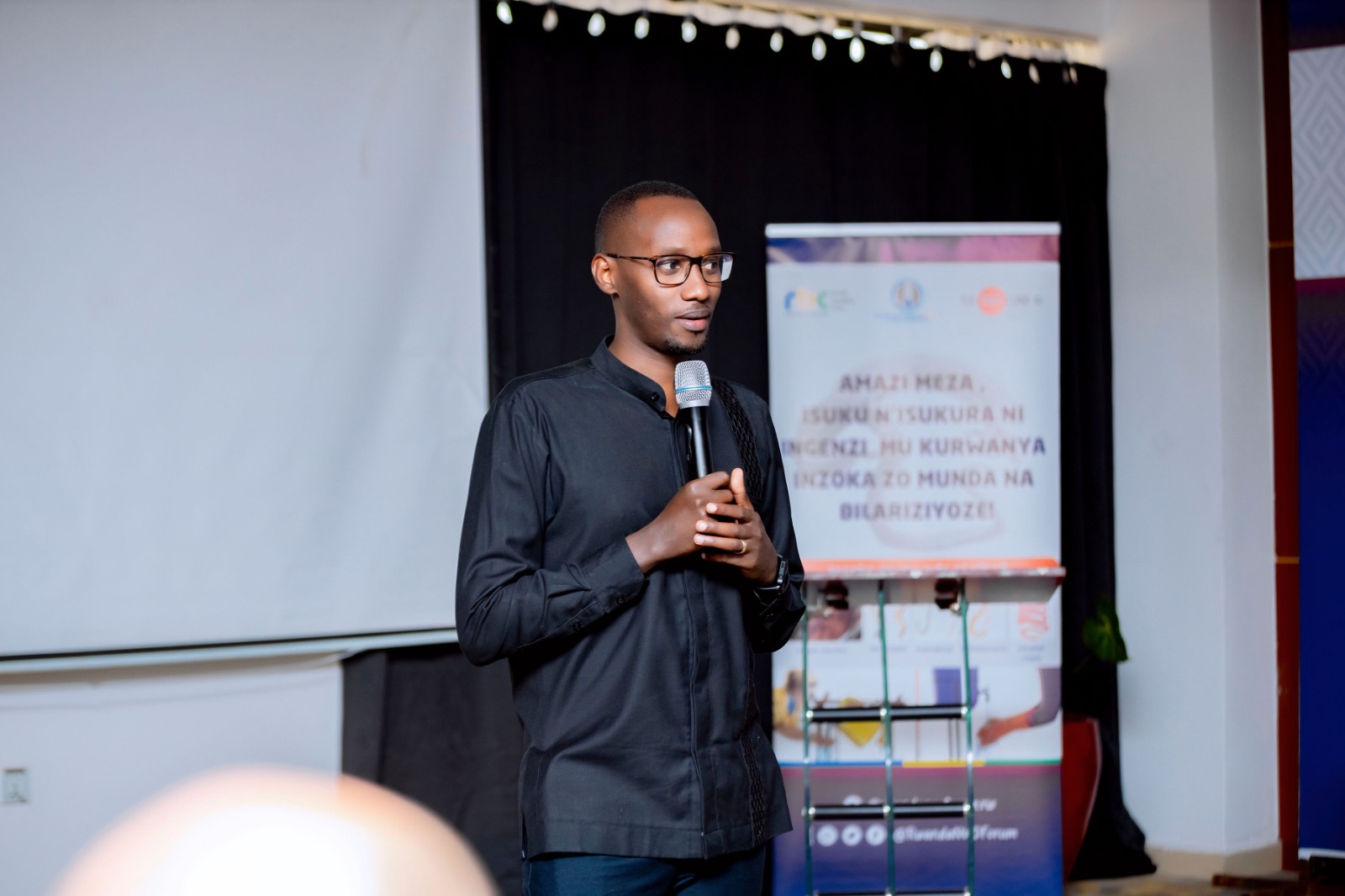
Dr. Athanase Rukundo

Dr. Muhayimpundu Ribakare
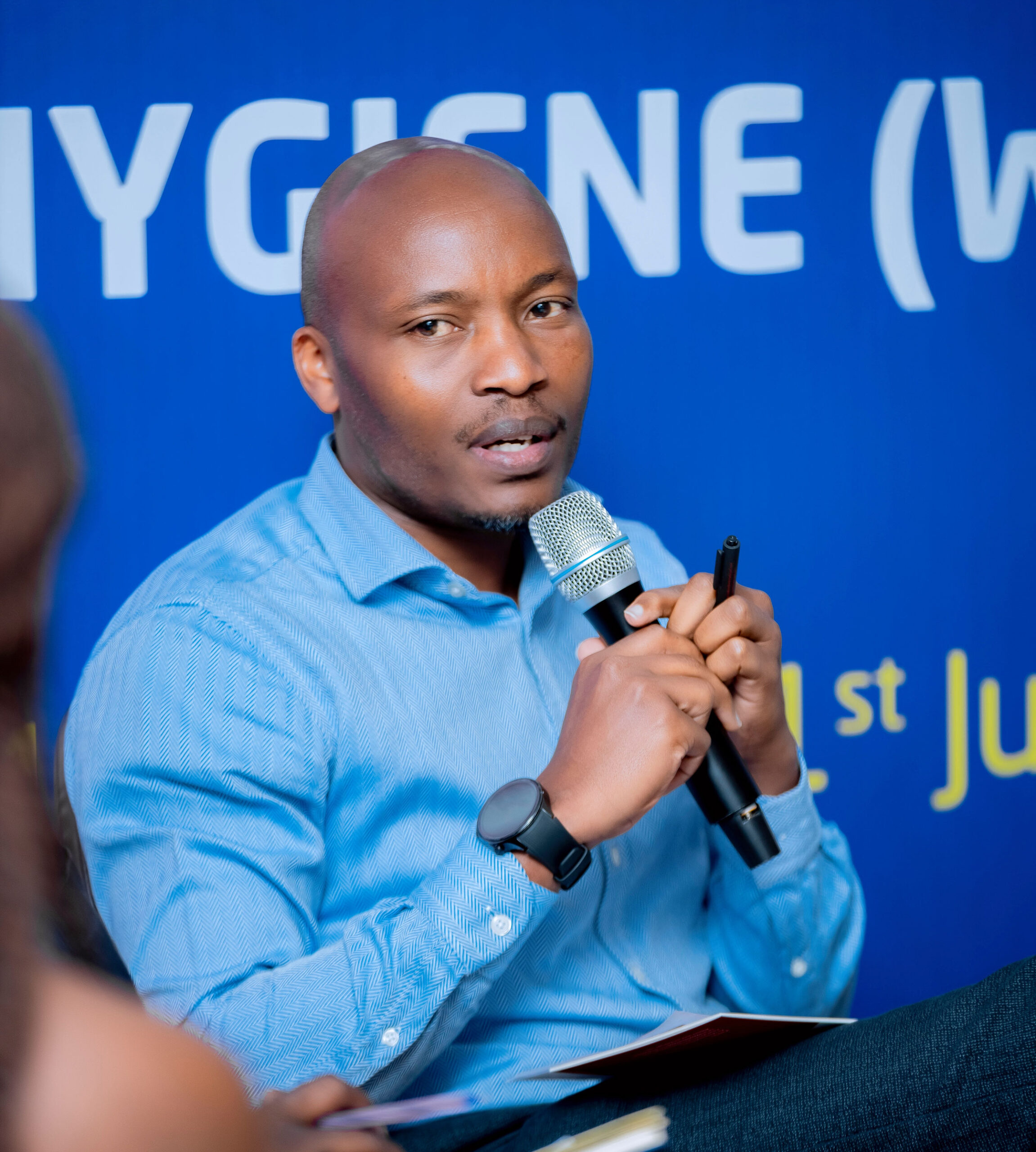
Dr. Albert Tuyishime
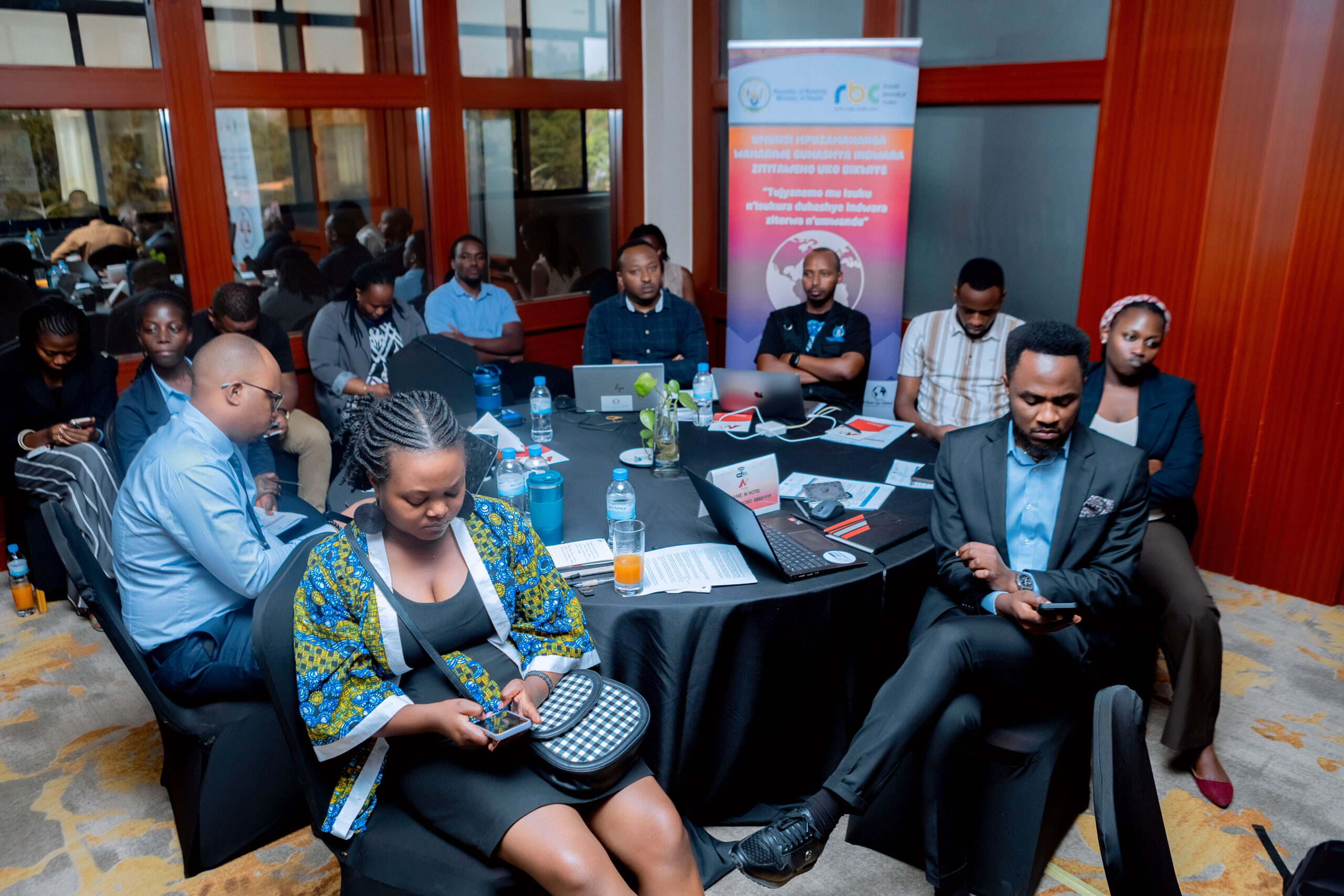
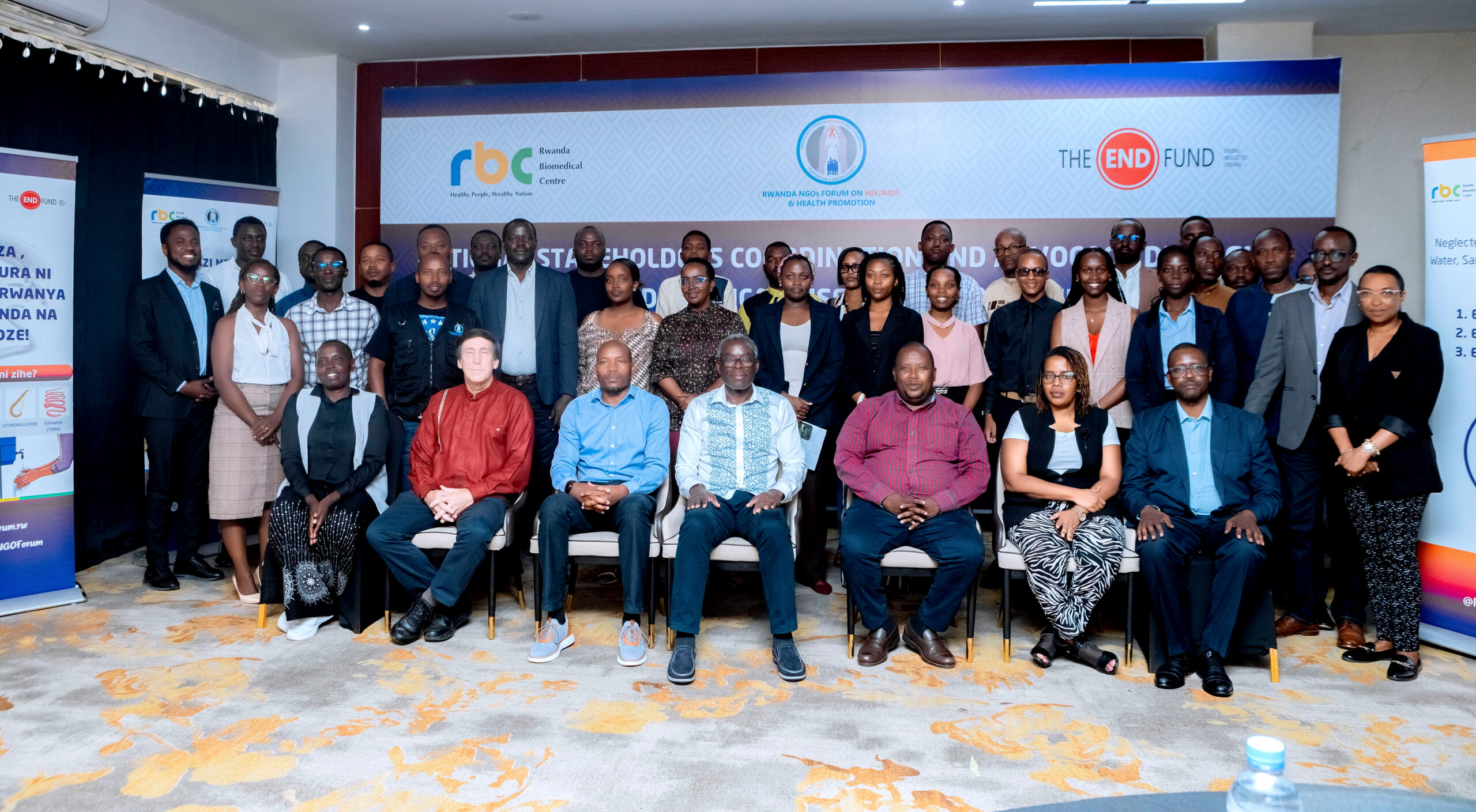
Rwanda Health sector stakeholders