The Musasa coffee story that one sees at first, on the hills of Ruli sector
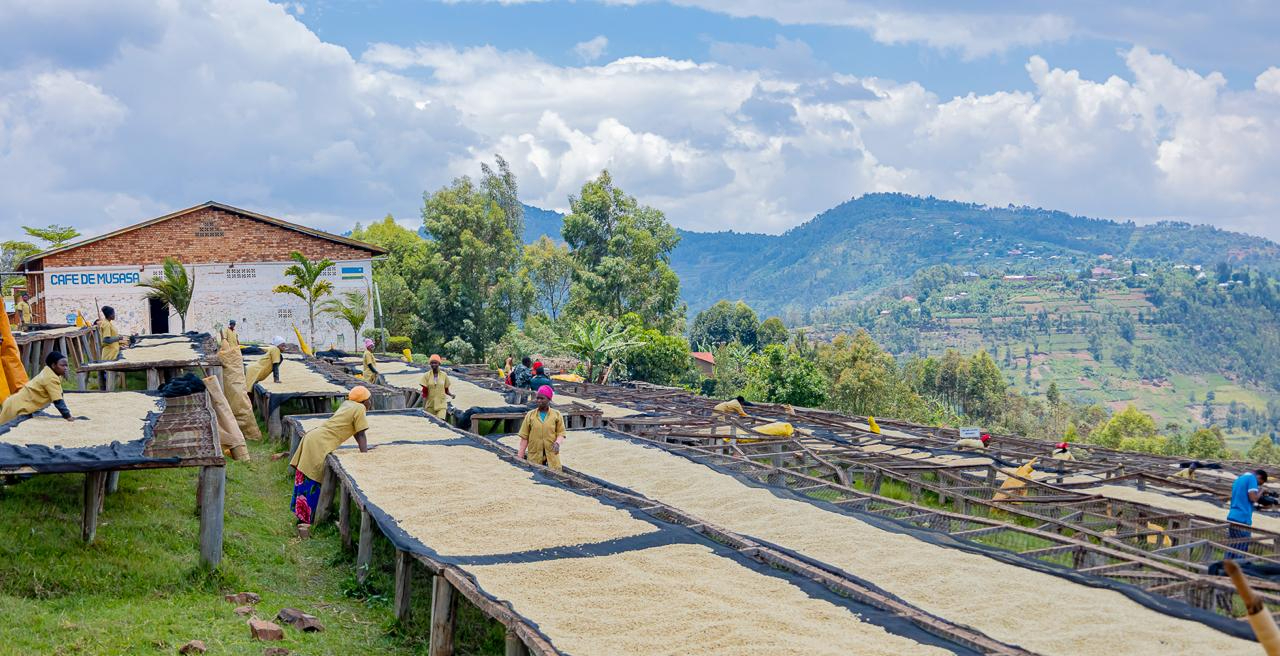
On top of the hills of Ruli Sector in Gakenke District lies the visibly painted story of Dukunde Kawa Musasa Cooperative — an award-winning producer of high-quality organic coffee, recognized in Rwanda and beyond.
Behind this coffee success story is another, often untold — one that shows how organized, collective community investments and shared efforts can improve livelihoods, create jobs, and combat malnutrition in Rwanda.
How It Works:
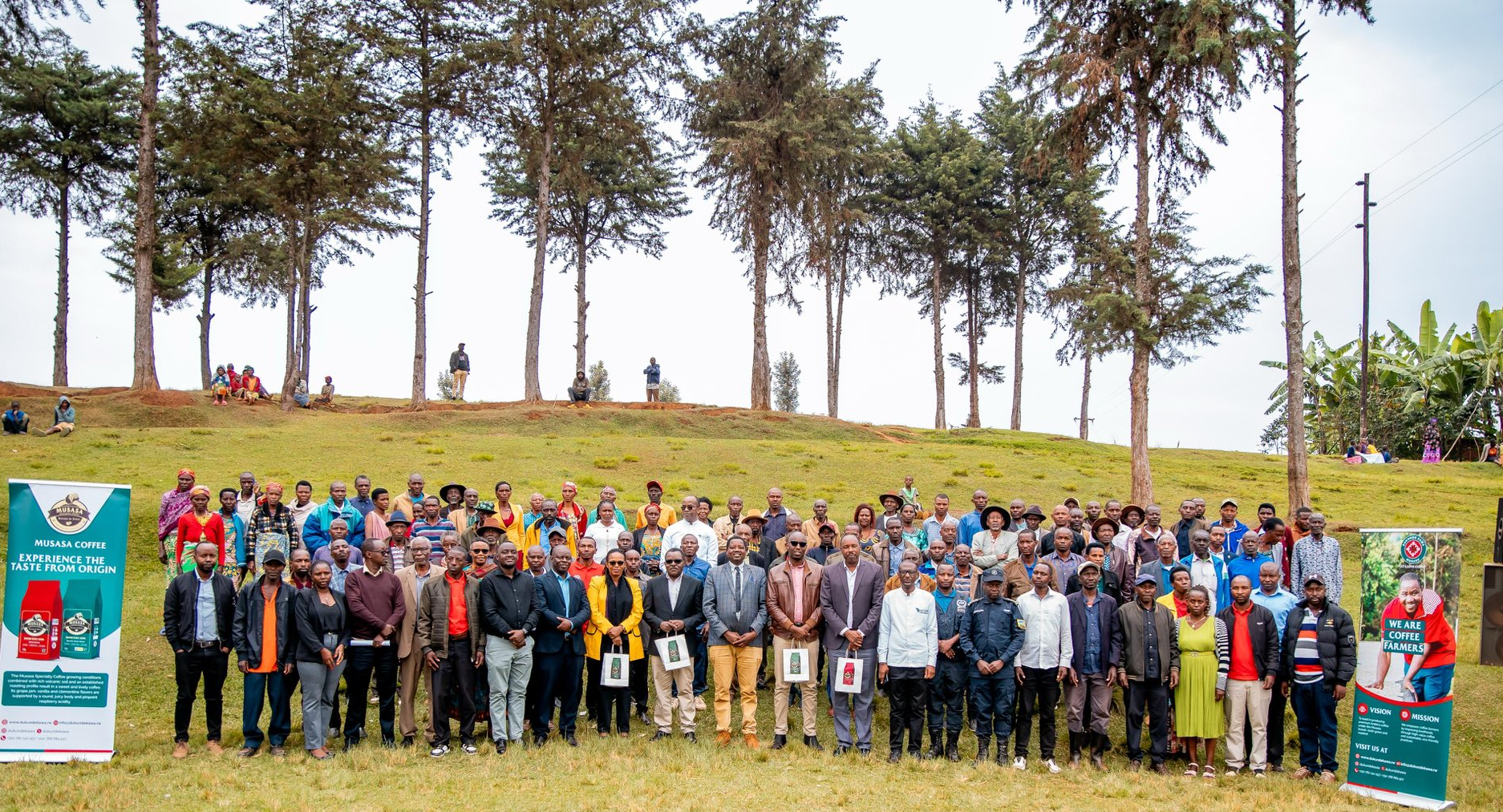
Musasa community celebrating their successful coffee story
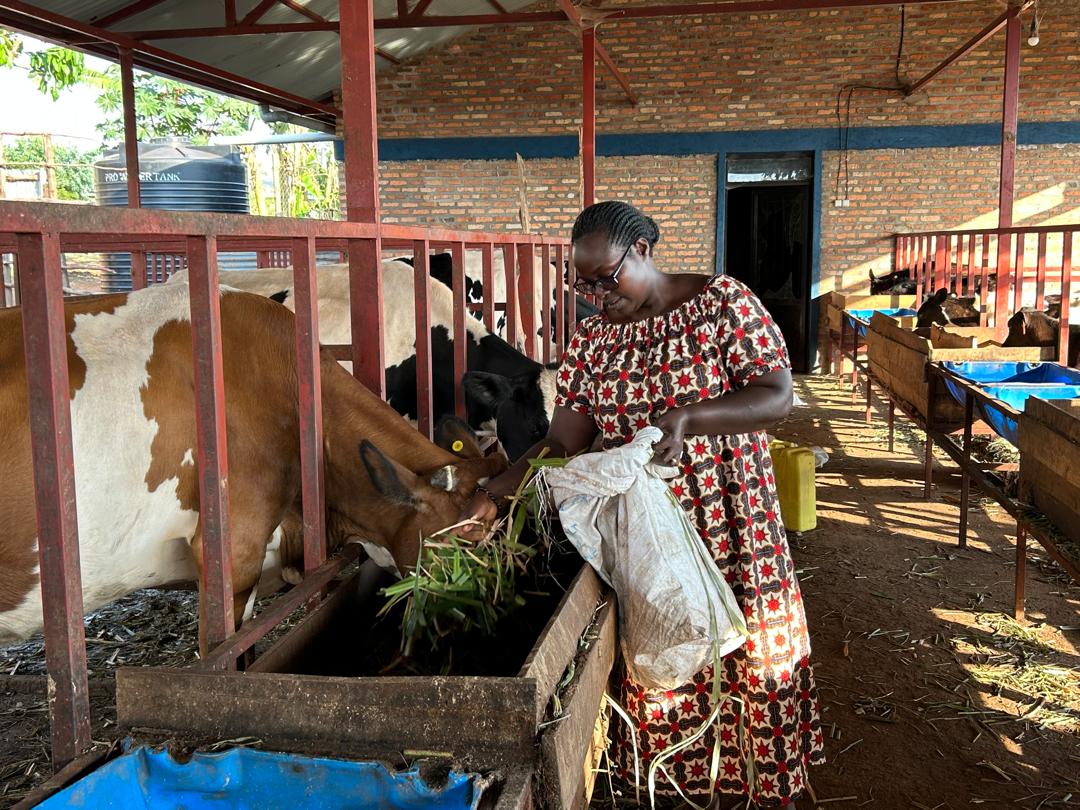
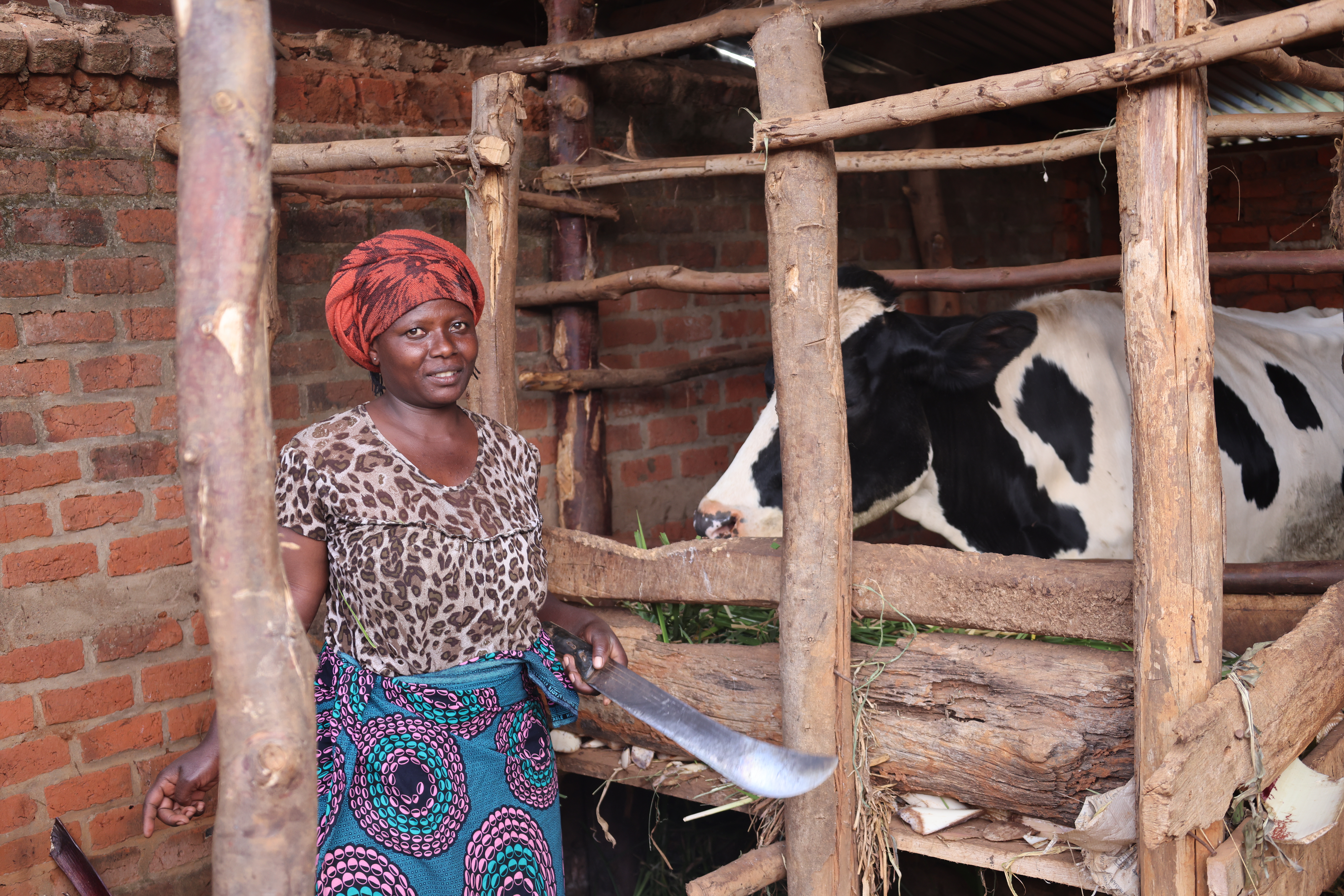
With increasing incomes from coffee sales, awards, and inspired by the government’s One Cow per Poor Family (Girinka) program, the cooperative initiated a plan to provide free cows to its members.
They began with 300 heifers, which were distributed among members. As the cows reproduced, members shared calves among themselves, extending the benefits to more families.
As the number of cows grew (now over 400), milk production increased as well, leading to the establishment of a Milk Collection Center (MCC) in the area.
However, without proper storage and management systems, much of the milk went to waste — undermining the program, even though it had achieved its initial goal of providing milk for household consumption.
Jean Baptiste Izerimana, the Musasa MCC coordinator, said they faced major challenges due to excess milk going to waste as a result of limited processing and storage facilities.
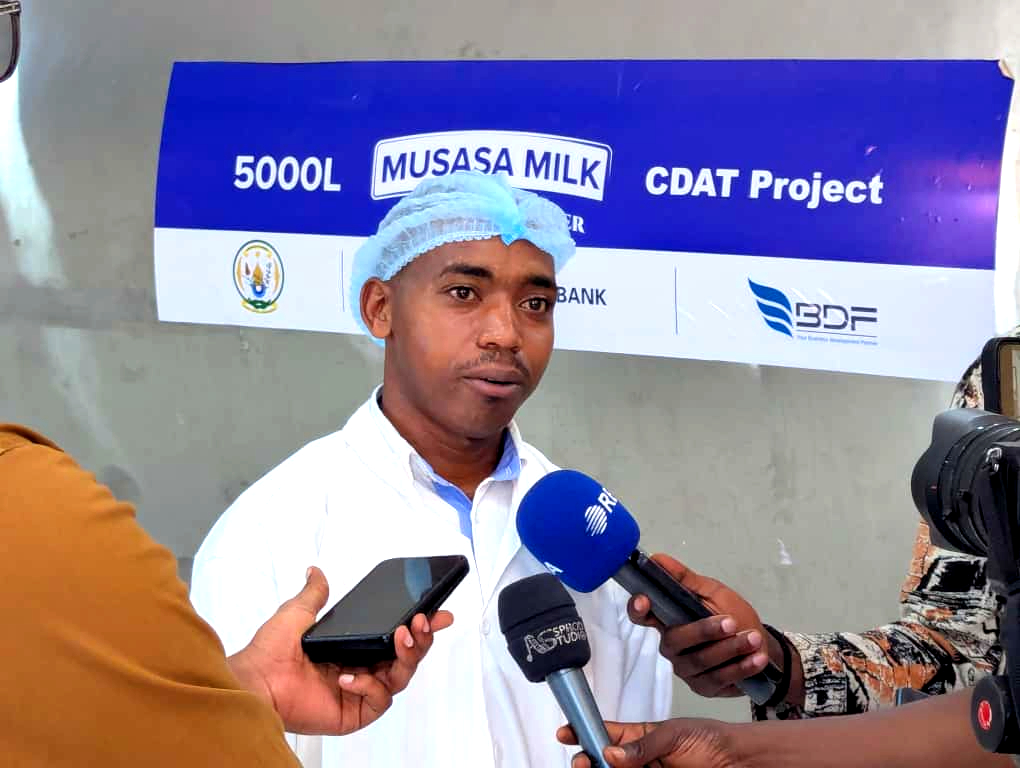
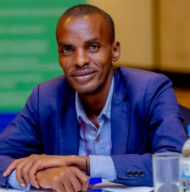
Jean Baptiste Izerimana
“With no proper tools or capacity to handle 500 liters of farmers’ milk, most deliveries were sent back and ended up wasted,” Izerimana said.
According to the Ernest Nshimyimana, Managing Director Musasa MCC, this prompted them to rethink the project and identify ways to improve its capacity.
“We saw this as an opportunity to expand into dairy production. It meant more income, but also required huge investments,” he said.
The turning point came when the cooperative learned about the Commercialization and De-Risking for Agricultural Transformation Project (CDAT) financing opportunity.
Through the Business Development Fund (BDF), they applied for a matching grant worth Rwf200 million, contributing half of the amount themselves to modernize and expand operations.
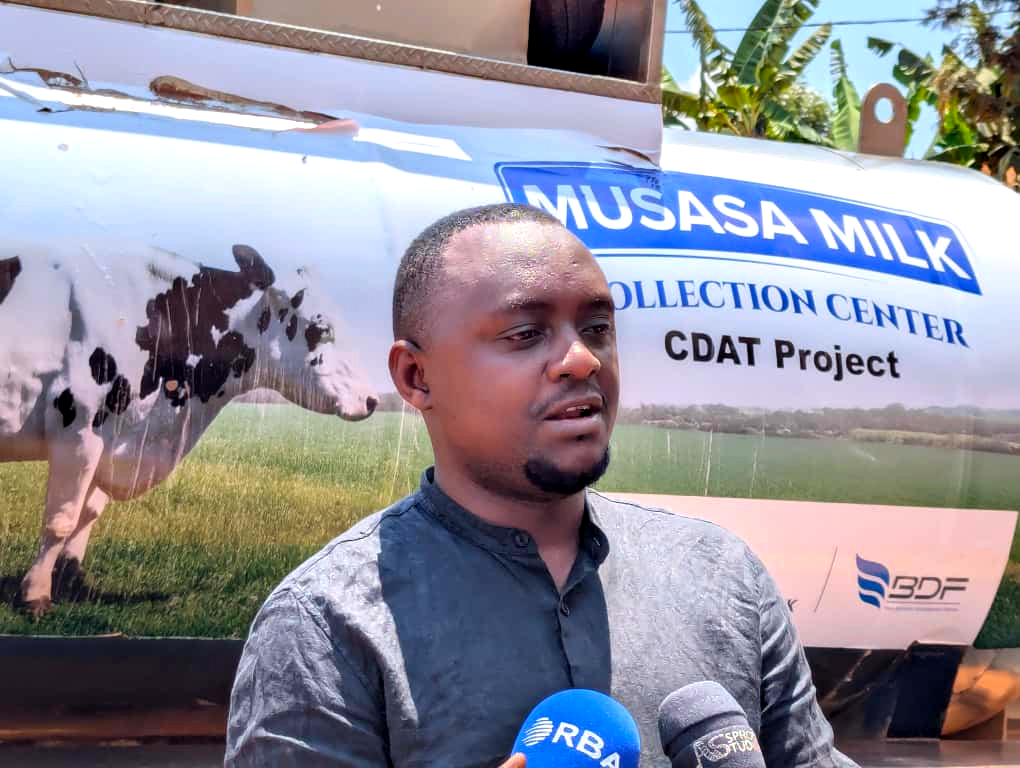
Ernest Nshimiyimana
With this support, the cooperative renovated its milk collection and processing facilities, purchased a refrigerated truck for milk transport, installed coolers with a capacity of 5,000 liters, and acquired two pasteurizing machines (each with a 500-liter capacity).
They also bought packaging equipment, milk cans, and a cold storage room to ensure collected milk lasts longer and safely reaches the market.
These upgrades have delivered transformational results for the cooperative, its members, and the broader Gakenke community.
The cooperative can now handle larger volumes of milk without wastage, while revenues and profitability have risen. For instance, Inyange Industries hires their truck for Rwf1.8 million per month.
The milk project has created jobs for 20 youth and strengthened partnerships with local authorities and communities in the fight against malnutrition.
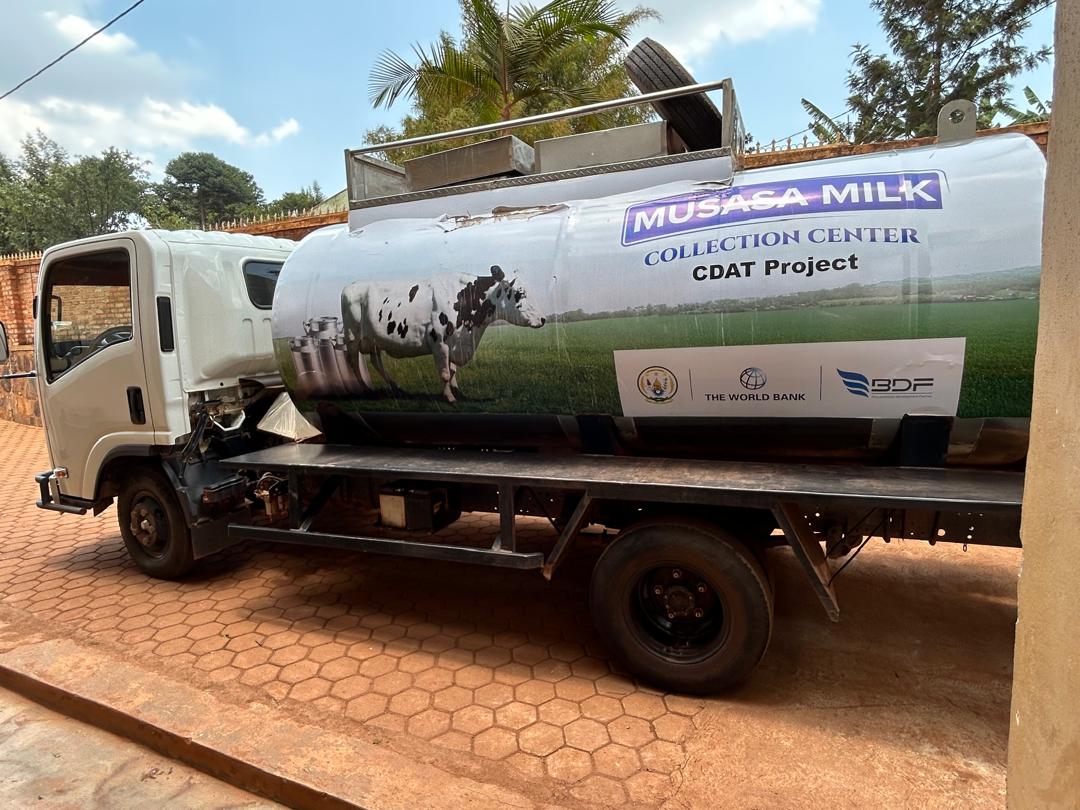
The CDAT co-funded milk truck that delivers and earns the cooperative
“Before CDAT, we processed less than 500 liters of milk. But with modern equipment and reliable storage, nothing goes to waste. Now we collect more milk, earn more income, and, most importantly, contribute to better nutrition in our community,” Nshimiyimana said.
The project also ensures a steady supply of milk — twice a day — for the children of cooperative workers who study and eat at the Musasa Cooperative Early Childhood Development Center.
Bernadette Nyiramvuyekure, a community member and milk supplier said she doesn’t regret living in Ruli, since her children now drink but also earns from selling to the cooperative unlike in the past when she had to dump unconsumed milk.
Bigger Dreams:
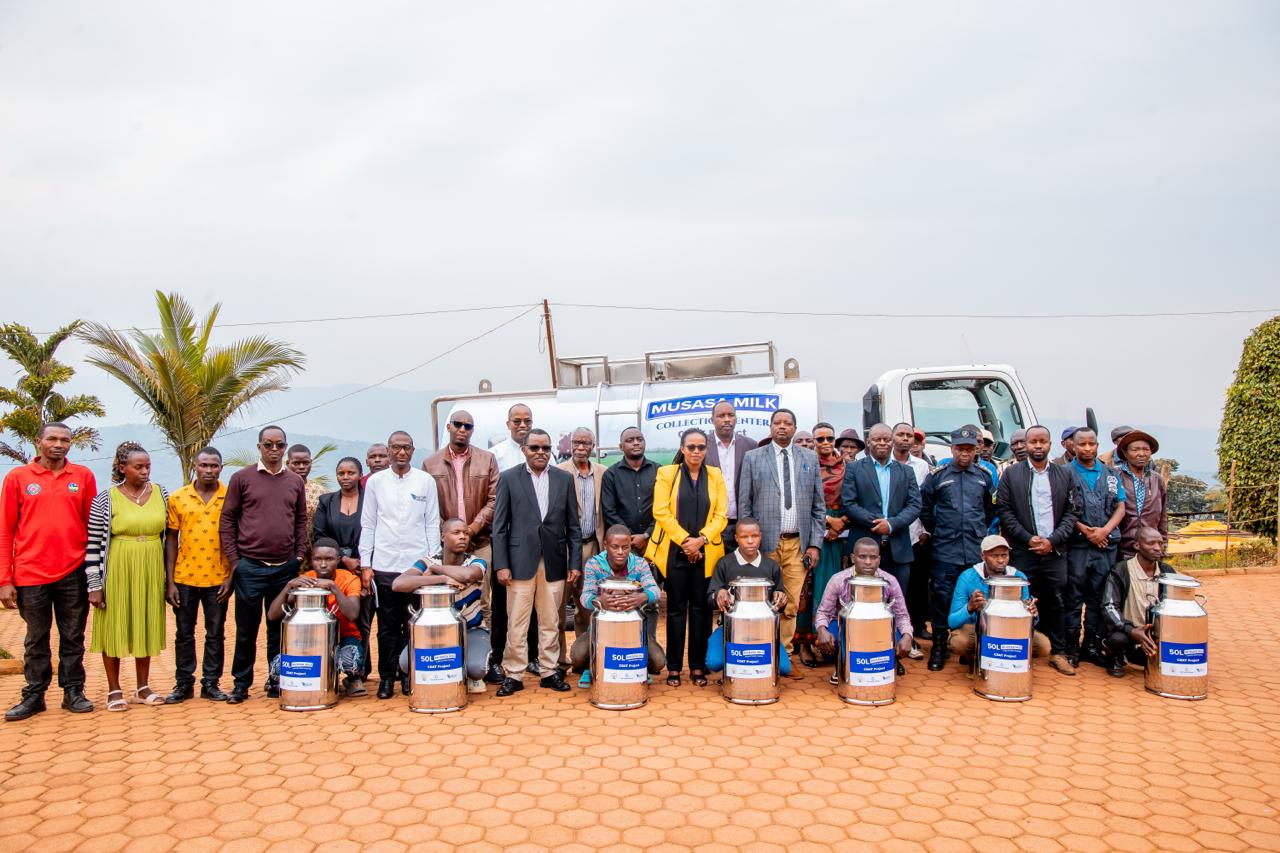
BDF, Musasa, and Gakenke officials alongside Minagri, RAB and Inyange ltd representatives witness reception of some milk products and equipment
What began as a “milk-for-members” initiative has evolved into a diversified income source for farmers and the wider community — beyond coffee.
With a daily production of Musasa milk products (350 liters of fermented milk-Ikivuguto; 150 liters of yoghurt, and 100 kgs of ghee, the cooperatives now look to expanding its business beyond Gakenke district.
Nshimiyimana revealed that with a good annual turnover, the dairy initiative provides additional income while serving as a model of resilience and innovation.
“Our MCC annual turn over was around Rwf24 millions, before investment, now it’s over Rwf96 million in 2025 with projection of hitting Rwf240 millions in next 3 years,” he said.
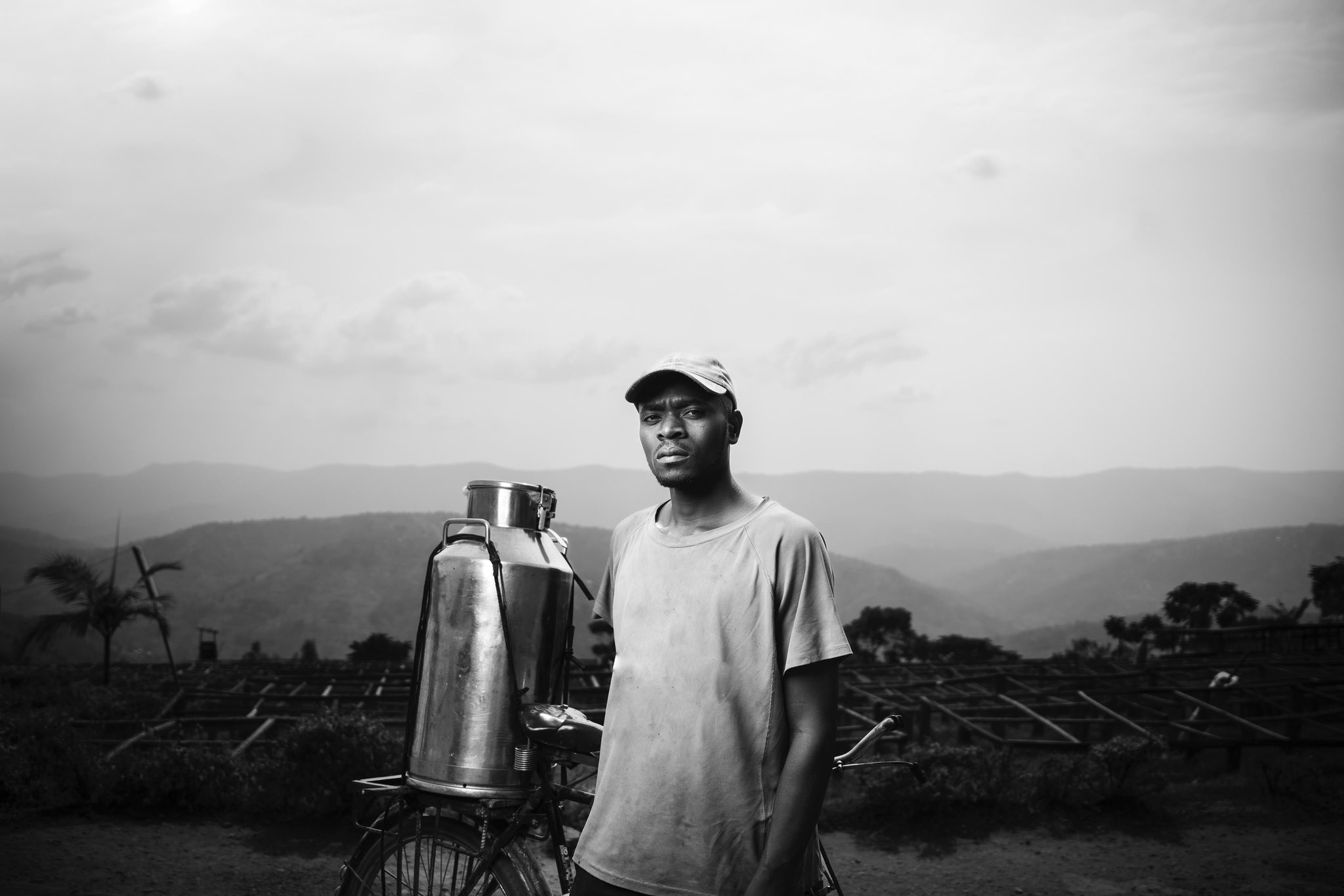
He added that the cooperative plans to establish a fully fledged dairy to process and sell Musasa branded milk products, as more milk-related businesses emerge in the community.
Dukunde Kawa Musasa Cooperative now stands as a benchmark for transforming the Girinka program (which has distributed over 400,000 cows since its inception in 2006).
It demonstrates how cooperative-led initiatives, when supported with the right resources, can create impact, empower communities, and improve nutrition.
Musasa is among the few CDAT/BDF co-funded milk collection centers that received a matching grant to acquire modern milk processing facilities, totaling Rwf199.5 million in investment.
National Status Report:
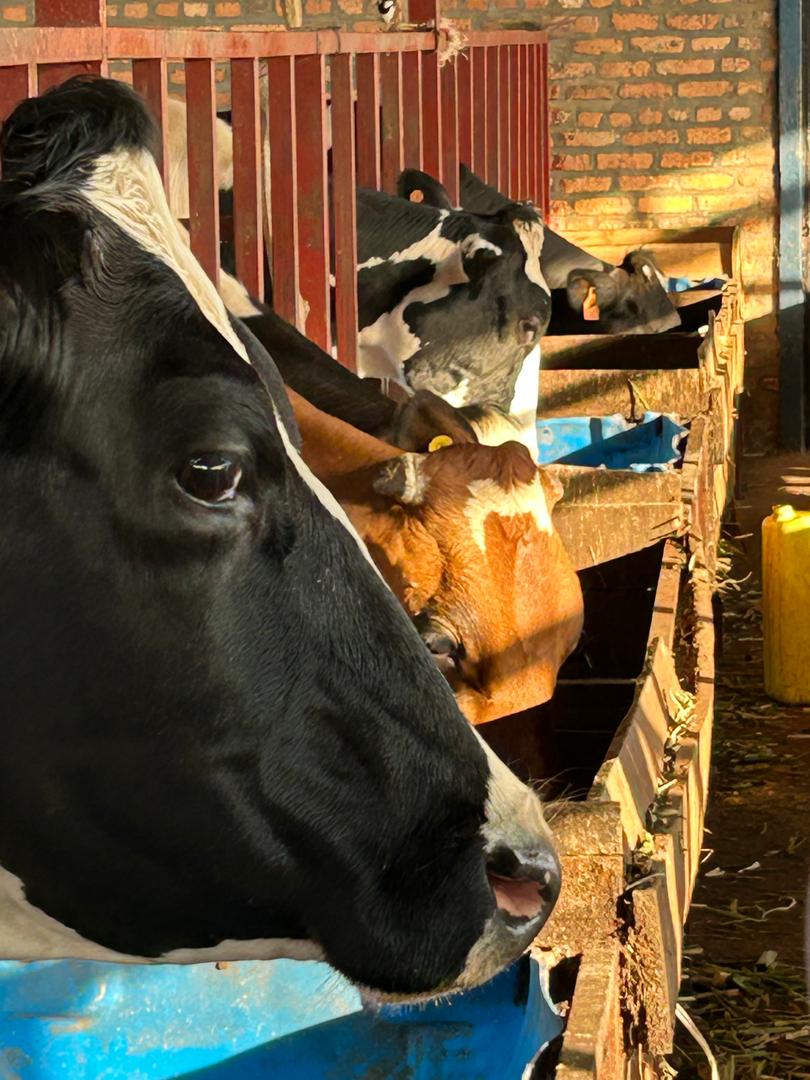
According to a recent report by the Prime Minister on agriculture and livestock, progress has been made in strengthening the sector through the $350 million World Bank–funded CDAT project.
For example, the number of small Milk Collection Centers (MCCs) grew from 56 in 2017 to 135 in 2024, with plans to reach 193 by 2029.
The value of processed agricultural and livestock products also increased from Rwf369 billion to over Rwf1 trillion in 2024.
While more remains to be done to achieve full food security, the Prime Minister noted that programs such as Girinka and the School Feeding Program have helped Rwandans understand the importance of nutrition, ensuring that every child has access to milk.
The report further showed that national stunting rates dropped from 37% in 2015 to 30% in 2024, and 1.5 million citizens have risen above the poverty line in the past seven years.
To accelerate ownership of improved cow breeds, the Prime Minister announced that the government plans to launch a livestock project that will enable cows to reproduce through embryo transfer.