




Rwanda has set plans to become the first country to have an ISO-certified national laboratory that will collect and rely on data on water quality in the Nile Basin Initiative (NBI) region.
The commitment was made following the NBI handing over modern equipment worth $139,000 that will strengthen Rwanda’s national water quality monitoring and enhance regional collaboration in transboundary water management.
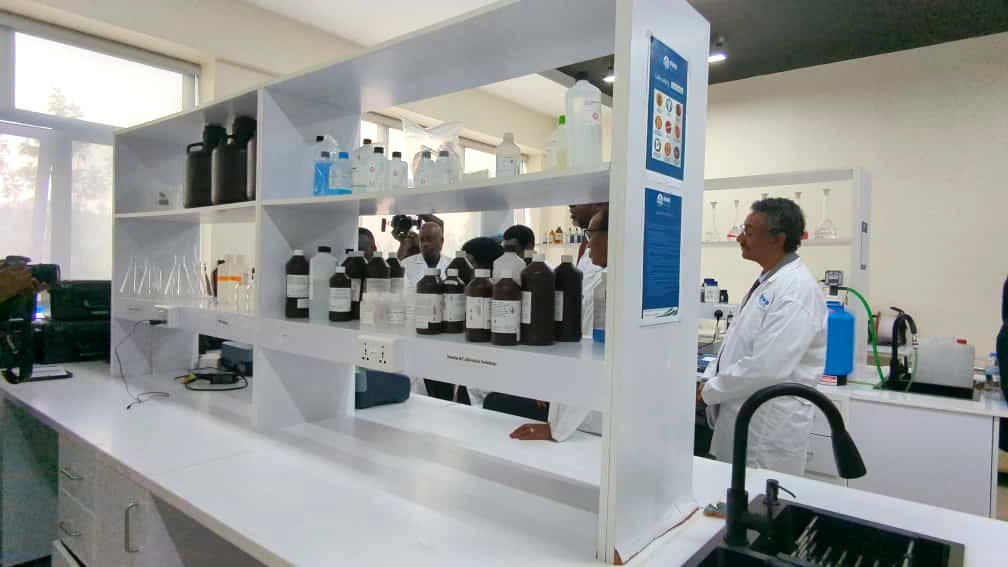
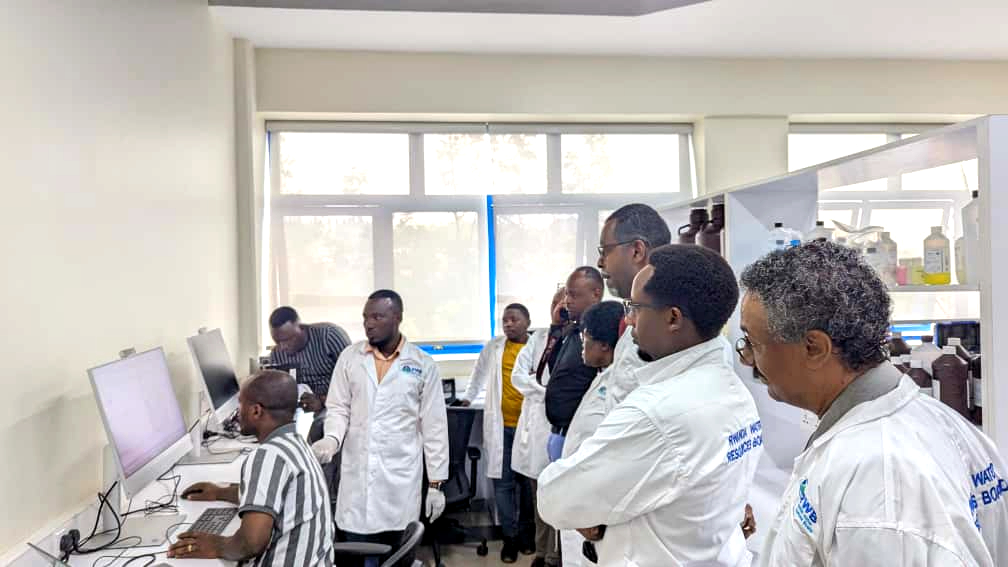
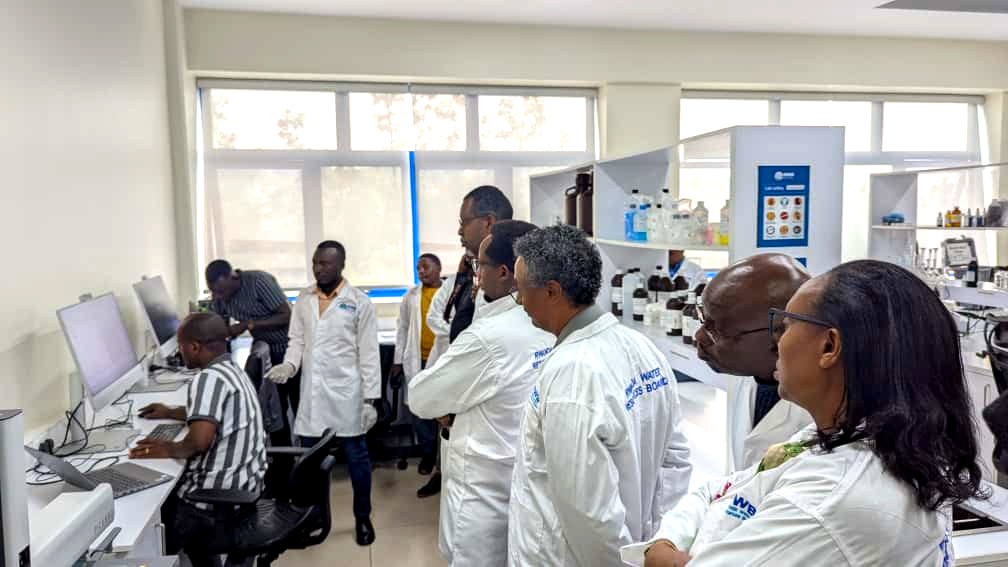
The equipment handed to Rwanda Water Resources Board (RWB) on October 20 includes a modern laboratory and four water quality sensors installed at Akanyaru and Akagera river streams, which will be used to collect water quality data to inform policy decisions in the region.
The sensors will provide real-time measurements of water quality parameters and transmit data to the national data management system.
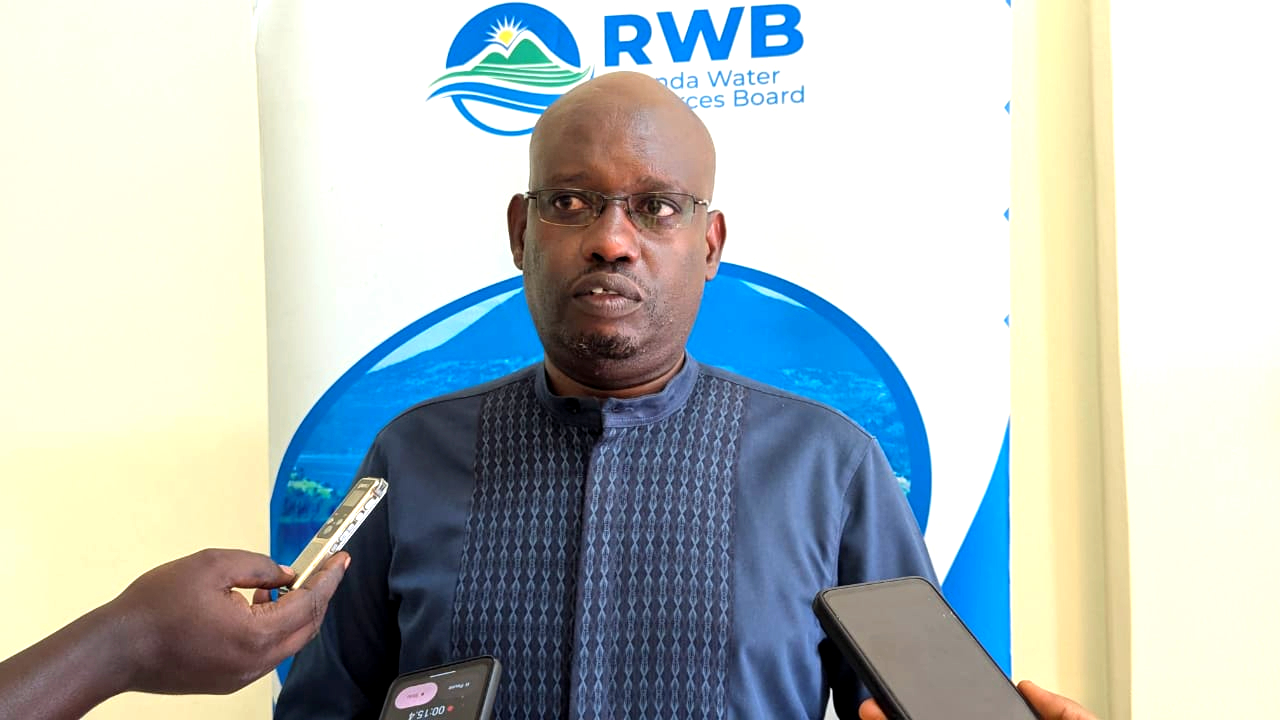
Remy Duhuze, the RWB Division Manager, revealed that with this equipment boost to support four of the six stations in Rwanda, they are in the process of obtaining an ISO certification so that the data relayed and services can be used at the international level.
NBI Executive Director, Dr. Florence Grace Adongo, said that with the support of the World Bank and GIZ, the hydrological equipment will enable basin countries to know their water quality, which is shared by other countries in the initiative.
“Many countries’ projects have focused on investments in hydrology and groundwater, but very little on water quality,” Adongo said. “This will provide adequate information and early warning of the fluctuating impacts of climate change.”
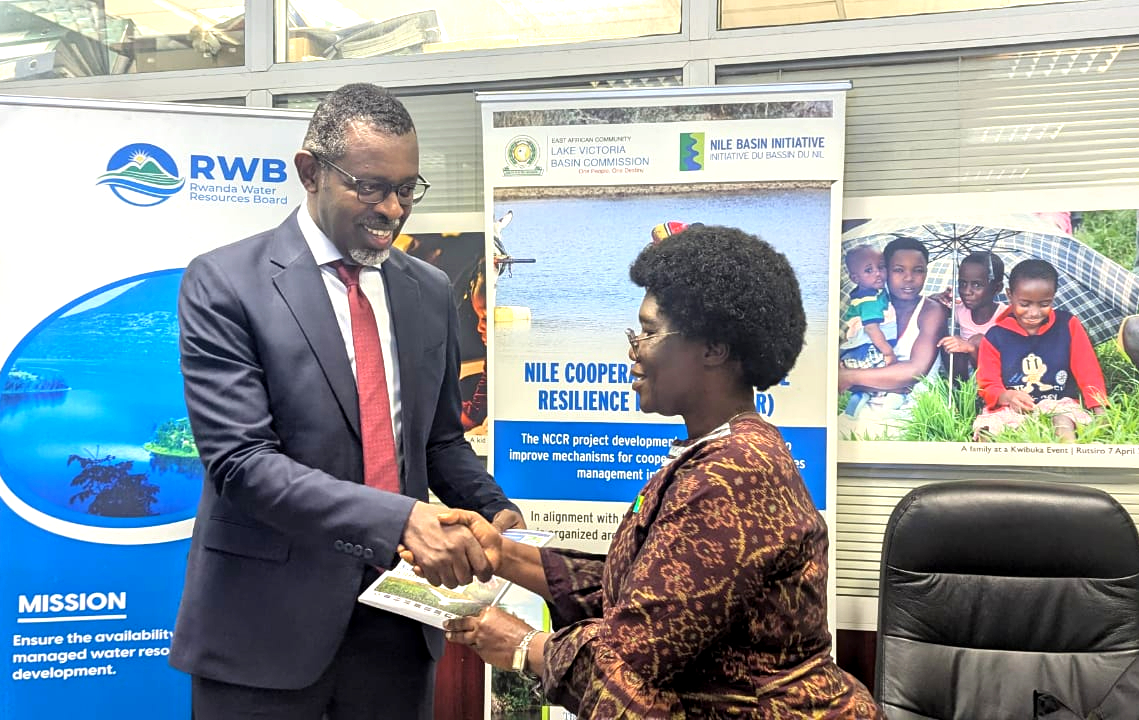
With this real-time monitoring station, Adongo said that this preliminary financing will enable the initiative to address the issue of lack of information on water quality affected by human activities such as water pollution, soil erosion, land degradation, and mining.
Adongo called on basin members to follow Rwanda’s example of sharing timely information, making water quality a priority with a sense of urgency to attract investment.
“This real-time data will enable us to appreciate the quality of water at national levels and also have a picture of basin-wide water quality,” Adongo said.
Adongo noted that with this baseline information, NBI countries can attract more support from partners as the project support comes to an end in November with no indication of its extension.
Sustainability:
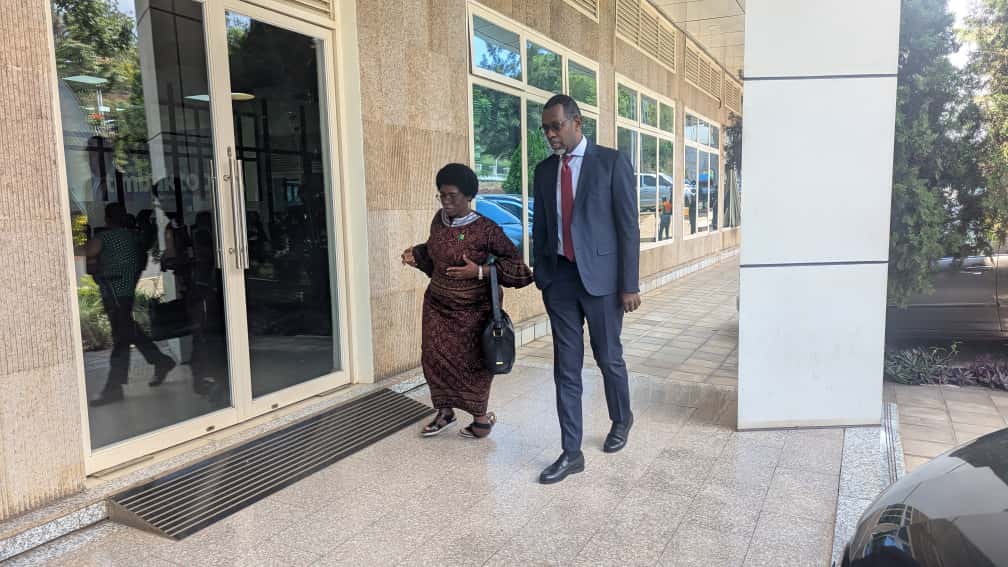
Jacqueline Nyirakamana, Nile-Technical Advisory Committee (TAC) Chair in Rwanda, said this equipment and field tools are tangible outcomes of regional collaboration.
For Rwanda, Nyirakamana said this comes at the right time to implement the national integrated water resources management strategy, access variable and high-quality data to respond to current challenges, especially soil erosion.
We will continue to provide technical assistance to ensure that such regional initiatives and outcomes for all member states are met.

RWB Executive Chairperson Eng. Richard Nyirishema said that this is the starting point, and it is Rwanda’s responsibility to ensure the equipment benefits the basin countries, and this will be done through data sharing.
NBI plans to hand over similar equipment to the other nine of the 10 basin members except Egypt, which has not been fully engaged in technical activities.