The Ministry of Agriculture and Animal Resources (MINAGRI) has launched a renewed push to strengthen irrigation systems as part of concrete measures to tackle persistent food insecurity in parts of the country, following sharp criticism from President Paul Kagame over leadership failures in the agriculture sector.
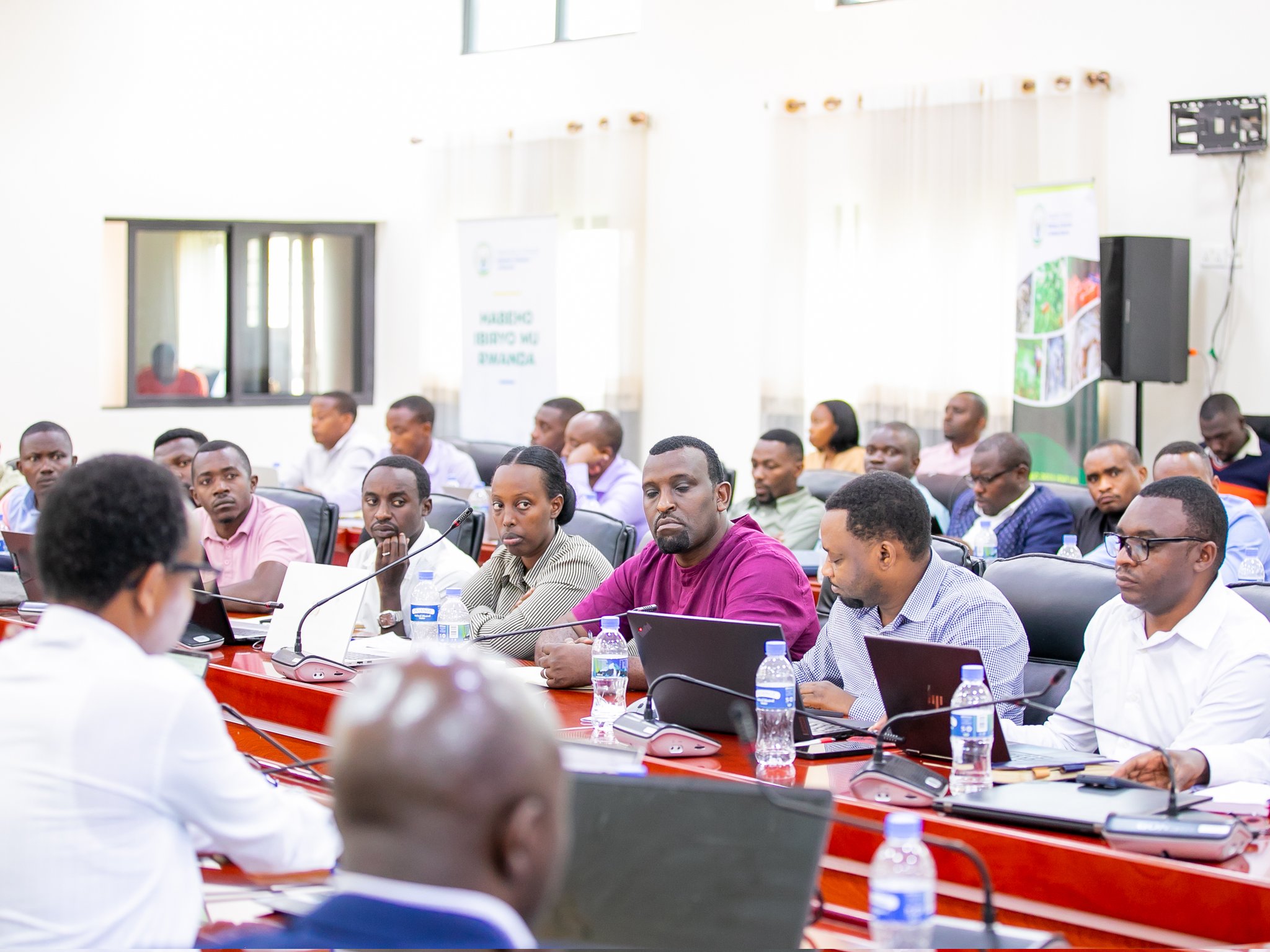
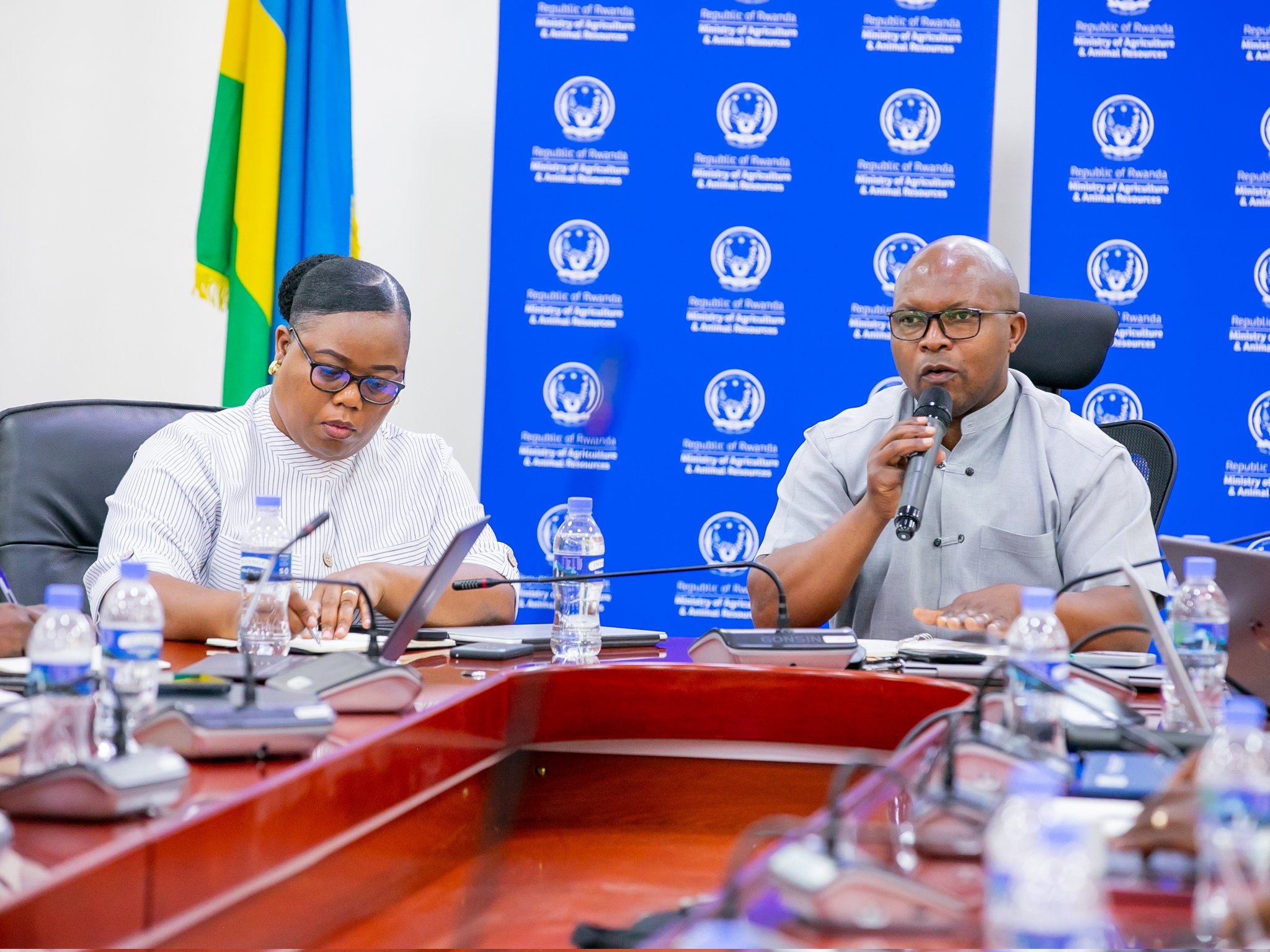
On December 23, 2025, the ministry convened a high-level meeting of irrigation engineers and senior officials to review ongoing projects, identify implementation gaps, and agree on corrective actions aimed at improving food production and climate resilience.
The move comes after President Kagame, speaking at the Rwanda Patriotic Front (RPF) Congress, questioned how hunger could persist in districts with strong agricultural potential despite heavy public investment. He cited Kayonza in Eastern Province and Rusizi in Western Province as areas where poor coordination and delayed decision-making had undermined food security.
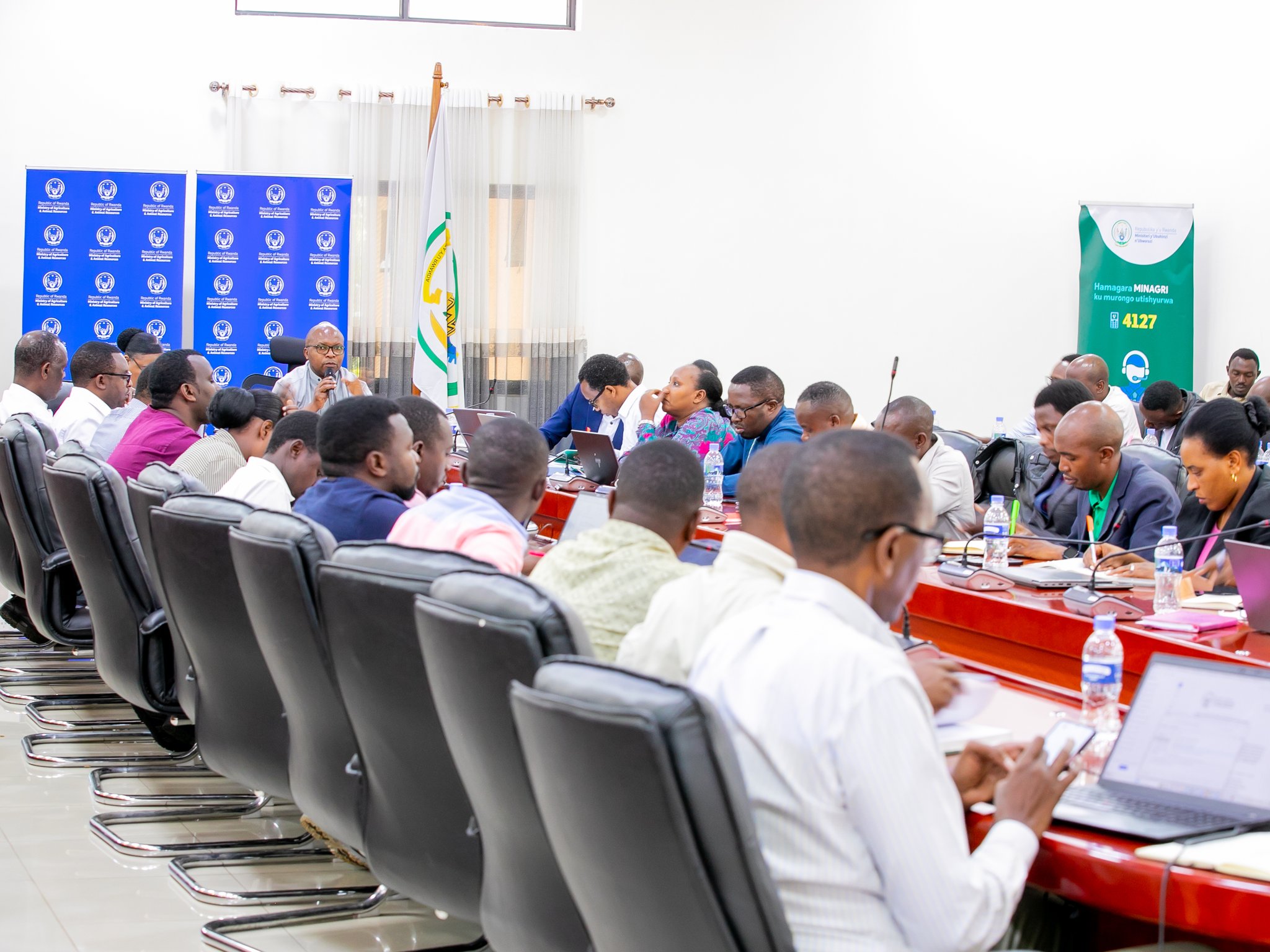
In response, MINAGRI directed irrigation teams from the Rwanda Agriculture and Animal Resources Development Board (RAB) and the RAB Single Project Implementation Unit (SPIU) to accelerate project delivery, improve technical designs, and ensure irrigation investments directly benefit farmers on the ground.
Ministers instructed engineers to prioritise efficiency, innovation, and timely execution, warning that fragmented planning and slow implementation had reduced the impact of previous interventions. Irrigation was reaffirmed as a core strategy for stabilising crop yields amid increasingly unpredictable rainfall patterns.
To enforce accountability, the ministry ordered irrigation personnel to operate under a unified Irrigation Task Force, aimed at improving coordination across projects and ensuring results-based performance. Regular monitoring and reporting mechanisms are to be strengthened to track progress and resolve bottlenecks quickly.
The ministry also committed to aligning irrigation projects more closely with national development priorities and district-level food security needs, particularly in drought-prone areas.
The renewed action follows disciplinary measures taken in Kayonza District earlier this month, where the district council dismissed the Mayor and two vice mayors over their handling of a food crisis that left many households facing severe shortages.
Officials say the strengthened irrigation drive is expected to reduce farmers’ vulnerability to climate shocks, increase year-round production, and prevent a recurrence of hunger in high-potential agricultural zones.