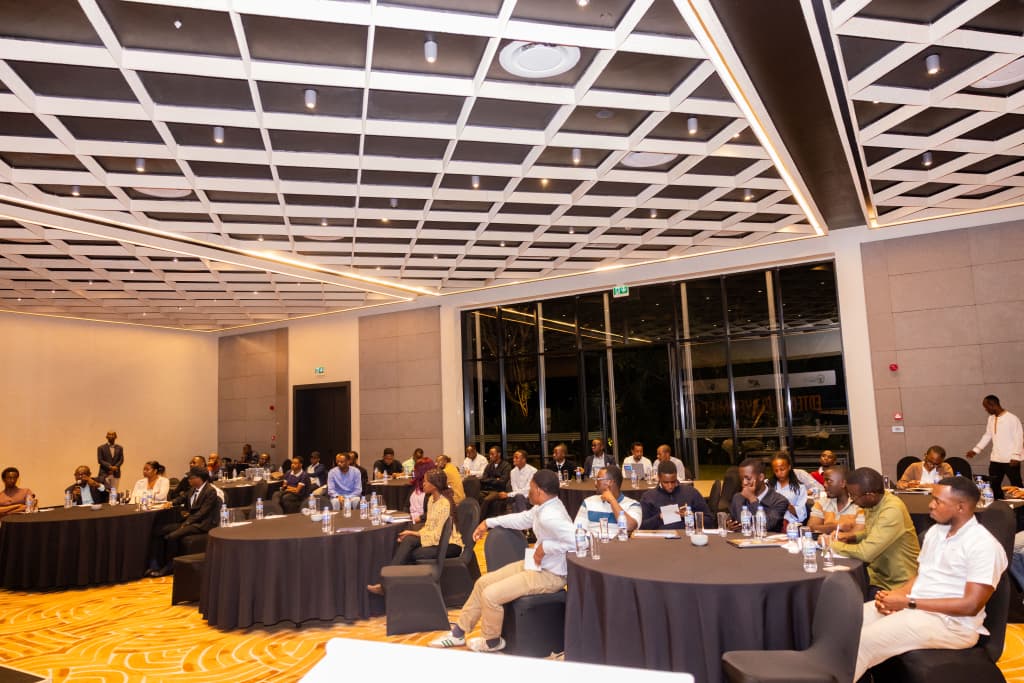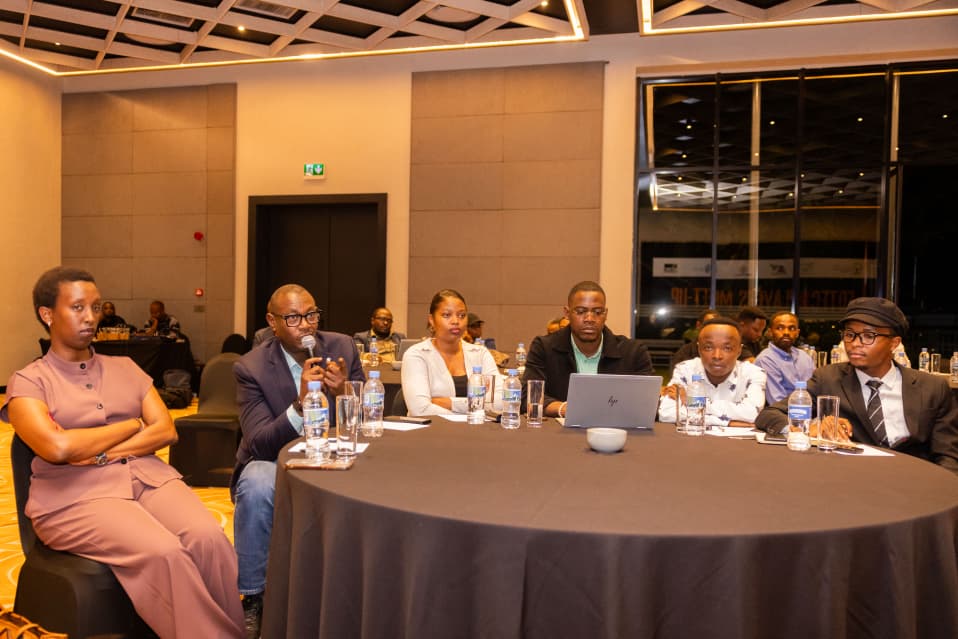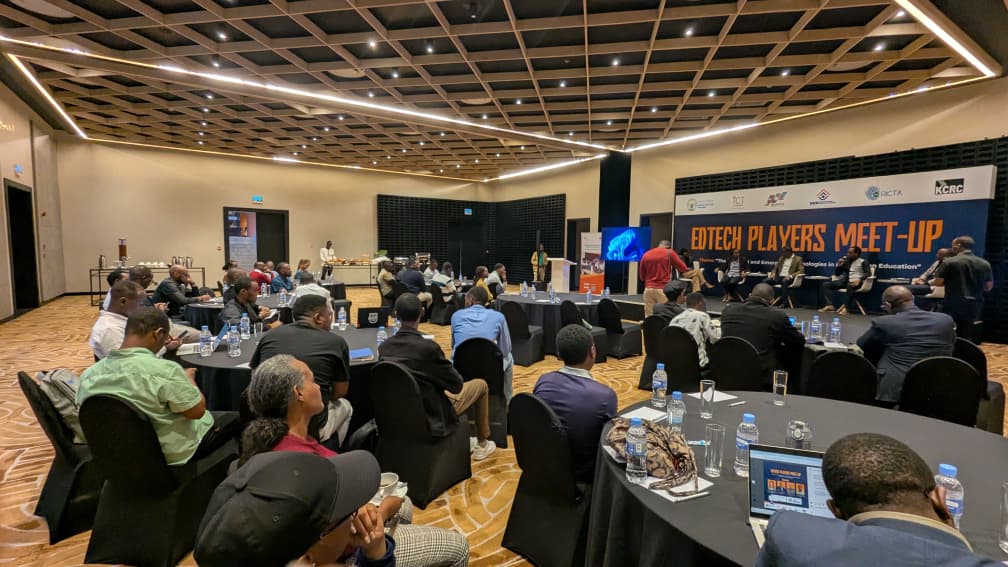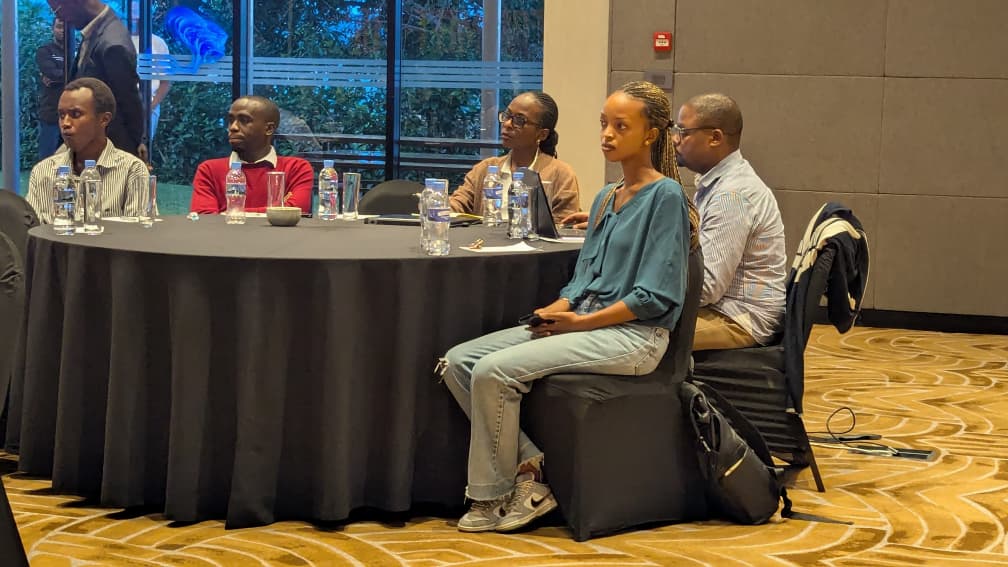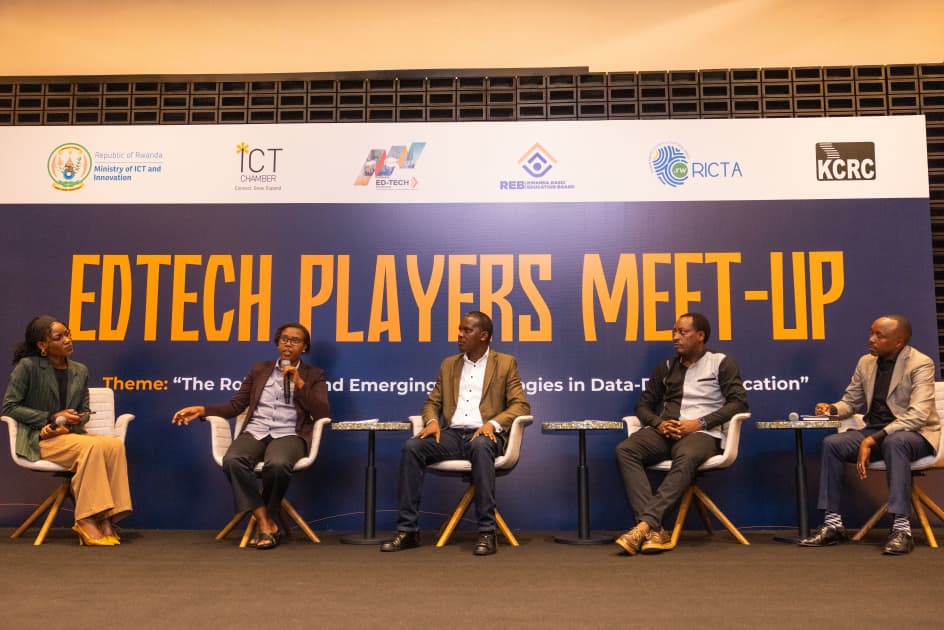
A panel discussion on the role of AI and Emerging Technologies in Data-Driven Education in Rwanda
KIGALI – The EdTech Players Meet-Up, held on April 30, 2026, has unveiled significant new opportunities for education technology innovators in Rwanda. The event highlighted a shift toward increased funding, strategic collaboration, and the integration of Artificial Intelligence (AI) into the national curriculum.
The EdTech Fellowship and Ecosystem
Moise Tuyizere, Director of Operations at the Rwanda ICT Chamber, emphasized that the sector’s visibility has grown through initiatives like the Mastercard Foundation-funded EdTech Mondays. He noted that the meet-up serves as a vital feedback loop between the government and the private sector.
Tuyizere revealed that out of 201 applicants, eight top innovators will be selected for the inaugural EdTech Fellowship, with each receiving $50,000 to scale their startups. This “unconditional funding” model aims to remove traditional investment constraints, allowing developers to focus entirely on the quality and social impact of their solutions.
Government Progress and AI Integration

Thomas Ndayambaje
While budget constraints and skills gaps remain, Thomas Ndayambaje, Senior Technologist at the Ministry of ICT & Innovation (MINICT), reported staggering progress. The use of EdTech and data in policy-making has surged from 20% to 83%, significantly outpacing 2026 targets.

Vedaste Uwishema
At the Rwanda Education Board (REB), the focus is moving into the classroom. Vedaste Uwishema, Director of the Emerging Technologies Unit, highlighted the pilot of AI-powered tablets designed to deliver lessons and assess student performance. “So far it is being welcomed and intends to improve learning efficiency, allowing teachers to concentrate on students’ individual performance,” Uwishema stated. He also noted collaborations with local startups like Keza Lab to integrate robotics into the competence-based curriculum.
Infrastructure and Local Access

Geoffrey Karegeya
Geoffrey Karegeya of the Rwanda Internet Community and Technology Alliance (RICTA) urged innovators to leverage local infrastructure to lower costs. He called on service providers to ensure internet is both affordable and high-speed. “What we are asking is for schools to be accessed online wherever they are, reducing the need for physical travel and maximizing digital investments,” Karegeya said.
Research and Future Outlook

Dr. Christine Niyizamwiyitira
Dr. Christine Niyizamwiyitira, Research Fellow at the Kigali Collaboration Research Center, stressed that evidence must drive policy, pointing to ongoing research regarding Child Online Protection (COP) and EdTech readiness.
The event concluded with a Q&A addressing the relevance of AI models in the African context and the necessity of offline data access. Moving into late 2026, stakeholders pointed to plans for a National Data Center to support local AI infrastructure and the implementation of “KPI Tenders”—a performance-based mechanism to reward solutions that solve real-world educational problems.
Thomas Ndayambaje