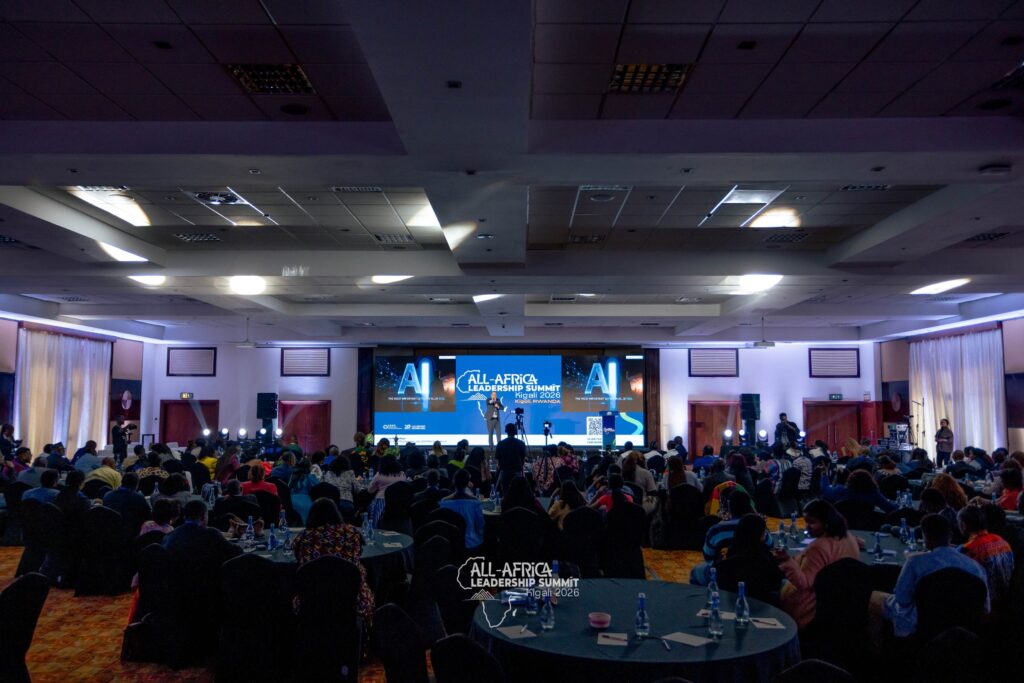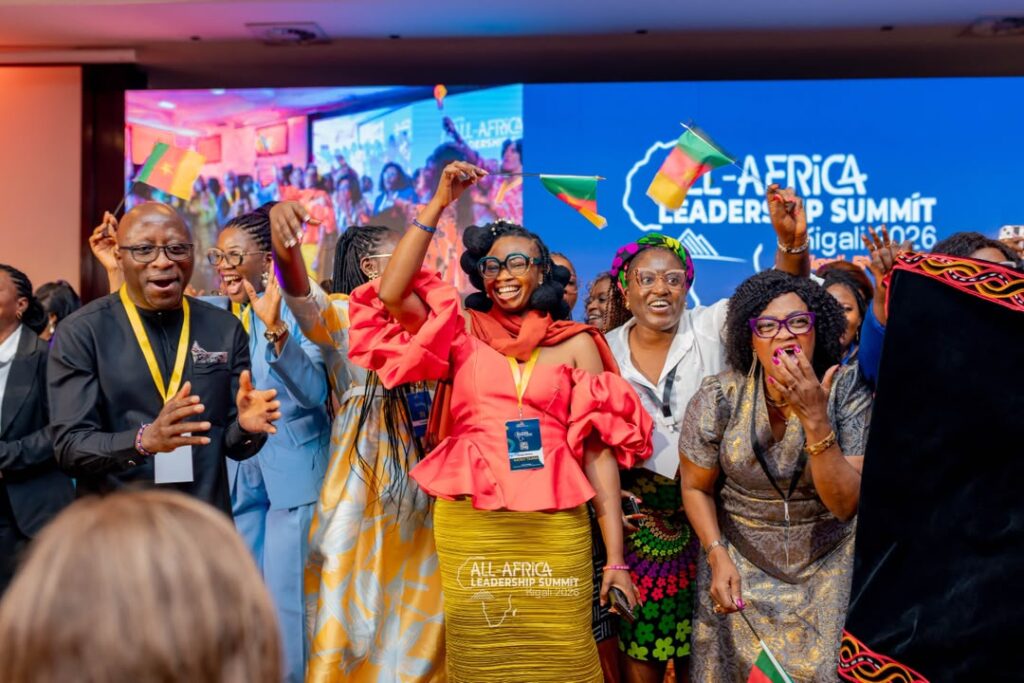
Guests enjoying a light moment at the All-Africa Leadership Summit.
KIGALI – Artificial intelligence may be dominating today’s global agenda, but at the All-Africa Leadership Summit, delegates rose above discussions about algorithms, innovation and digital transformation and resolved that Africa’s greatest challenge is not technology—it is leadership.
Over two days of discussions, speakers repeatedly argued that while artificial intelligence is opening new possibilities for economic growth, education, healthcare and public service delivery, technology alone cannot transform societies.
Without ethical leadership, accountable institutions and long-term planning, they warned, even the most powerful innovations risk becoming missed opportunities.
The summit brought together policymakers, business leaders, academics and technology experts at a time when Africa is increasingly being viewed as the next frontier for digital transformation.
Yet rather than focusing solely on the promise of AI, many speakers challenged African leaders to first address the governance issues that have slowed the continent’s development for decades.
Technology Comes After Strong Leadership
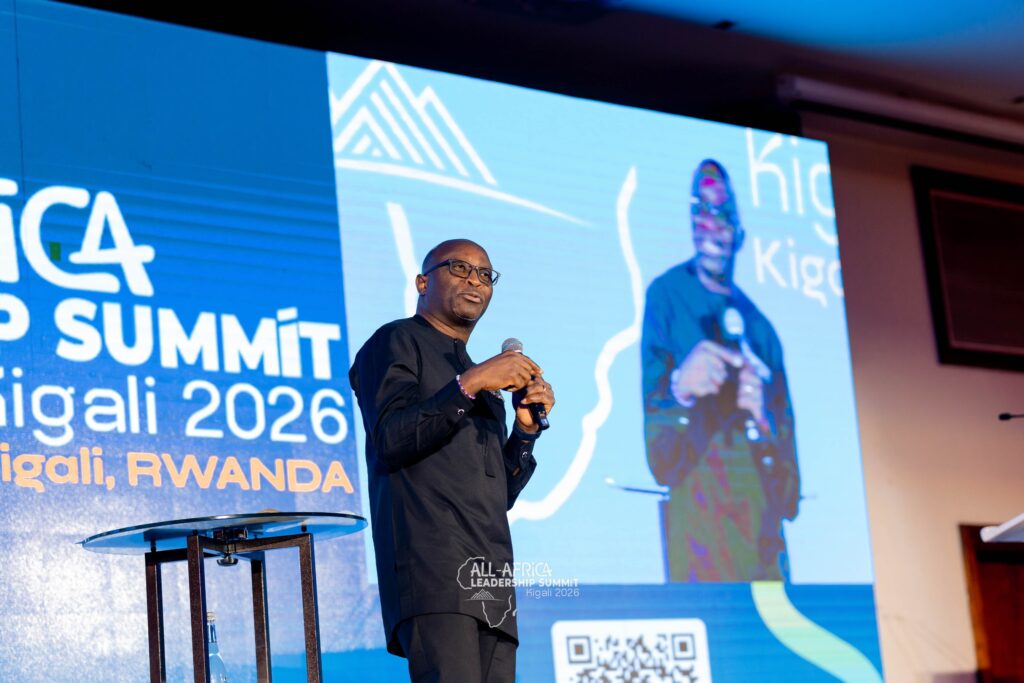
Prof. Madison Ngafeeson, the President of LEAD Missions International, said Africa cannot afford to miss the opportunities presented by the AI revolution.
Prof. Madison Ngafeeson, the President of LEAD Missions International, said Africa cannot afford to miss the opportunities presented by the AI revolution after falling behind during previous industrial transformations.
“Everything rises and falls on leadership. Africa does not lack natural resources. We don’t lack human resources. We don’t lack brains. What Africa needs most is good leadership. We missed the other three industrial revolutions. We cannot miss the fourth,” he said.
Ngafeeson argued that Africa’s ability to benefit from artificial intelligence will depend on whether leaders can create the right environment for innovation, investment and skills development.
International speaker, author and leadership coach Ray Popham, Faculty President of the Maxwell Leadership Certified Team and Deputy Director of Global Programs for EQUIP, echoed the importance of leadership that goes beyond technical knowledge.
Drawing on more than 30 years of experience developing leaders across more than 160 countries, Popham told participants that the success of any transformation depends on leaders who can build trust, inspire people and create lasting change within institutions and communities.
AI Is Only as Good as the Leadership Behind It
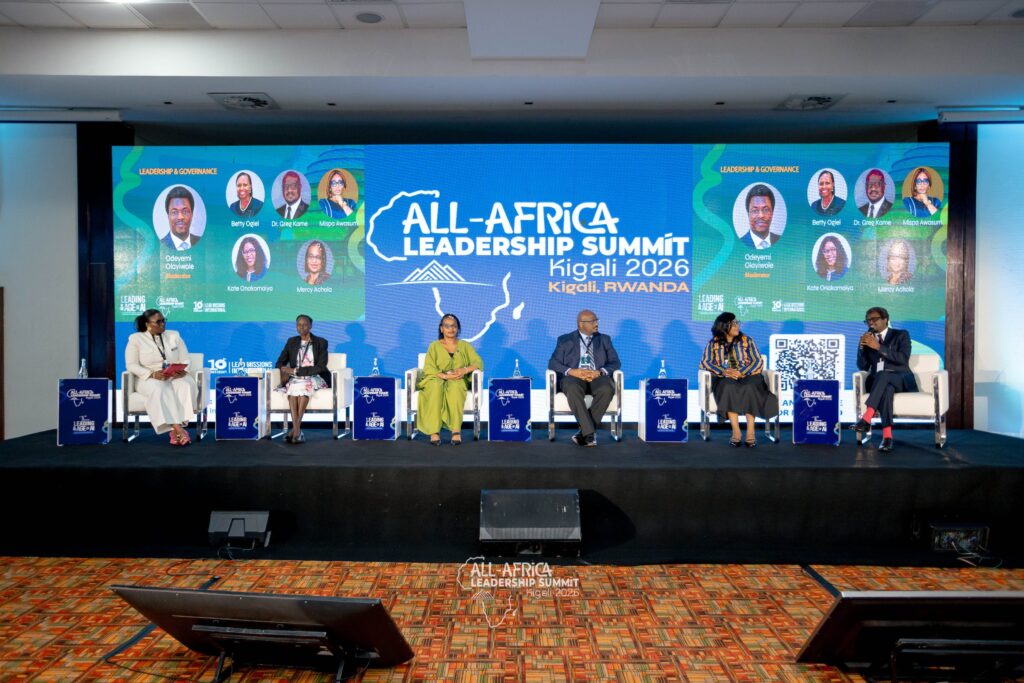
While artificial intelligence is expected to reshape economies and public services, its impact will ultimately depend on the choices made by those responsible for guiding its adoption.
Susan Schultz, Chief Executive Officer and founder of U.S.-based AI company TeamStack.ai, said Africa has an opportunity to learn from the challenges experienced by countries that moved earlier into artificial intelligence.
“The United States is making many mistakes with AI, but you can leapfrog ahead of us. You already know what works and what doesn’t,” she said.
Schultz encouraged African governments to develop strong systems around ethics, cybersecurity and data protection while ensuring that innovation responds to the continent’s own needs.
Delegates said Africa should avoid simply importing artificial intelligence solutions designed elsewhere. Instead, the continent has an opportunity to shape AI applications that address local challenges in sectors such as education, healthcare, agriculture and public service delivery.
Learning from Africa
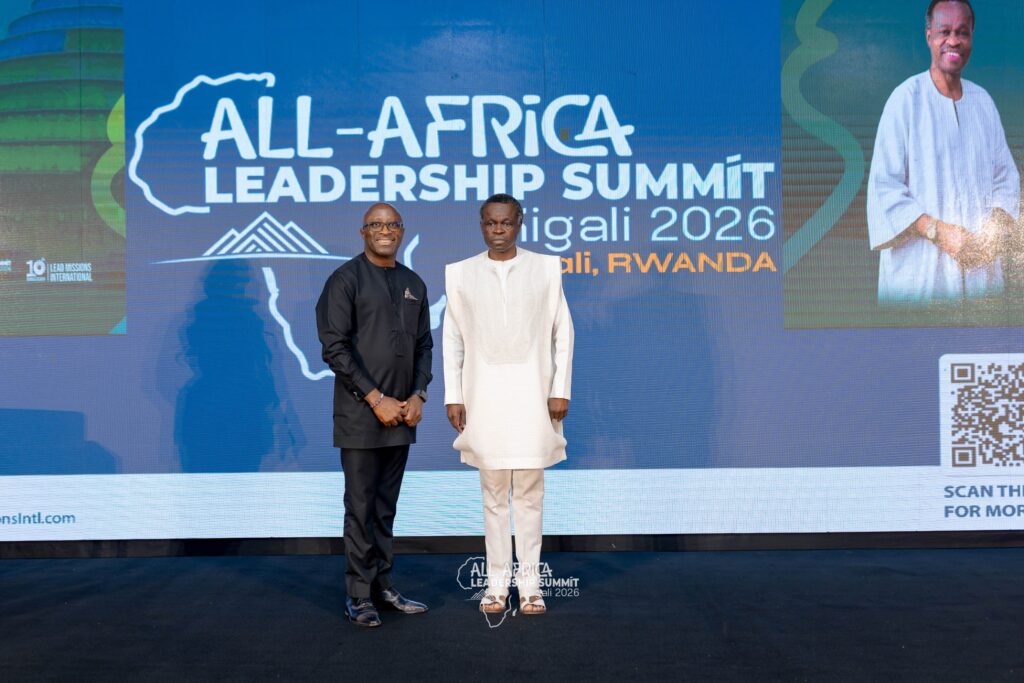
The choice of Rwanda as host reflected that Africa should increasingly look within the continent for solutions to its development challenges.
Explaining why Rwanda was selected, Ngafeeson said the country represents an example of leadership that has created confidence and demonstrated the importance of turning vision into action.
“We decided that we will come to Rwanda because we wanted to come to a country that inspires the rest of Africa. This is the time Africa learns from Africa. We may not have everything right, but we don’t have everything wrong either,” he said.
Participants pointed to Rwanda’s experience as evidence that progress is built through consistent implementation, effective institutions and leadership capable of translating policies into results.
Technology may define the next industrial revolution, but artificial intelligence alone will not determine Africa’s future. But leaders capable of making difficult decisions, building trusted institutions and preparing a generation that can harness technology for inclusive growth is all that matters.