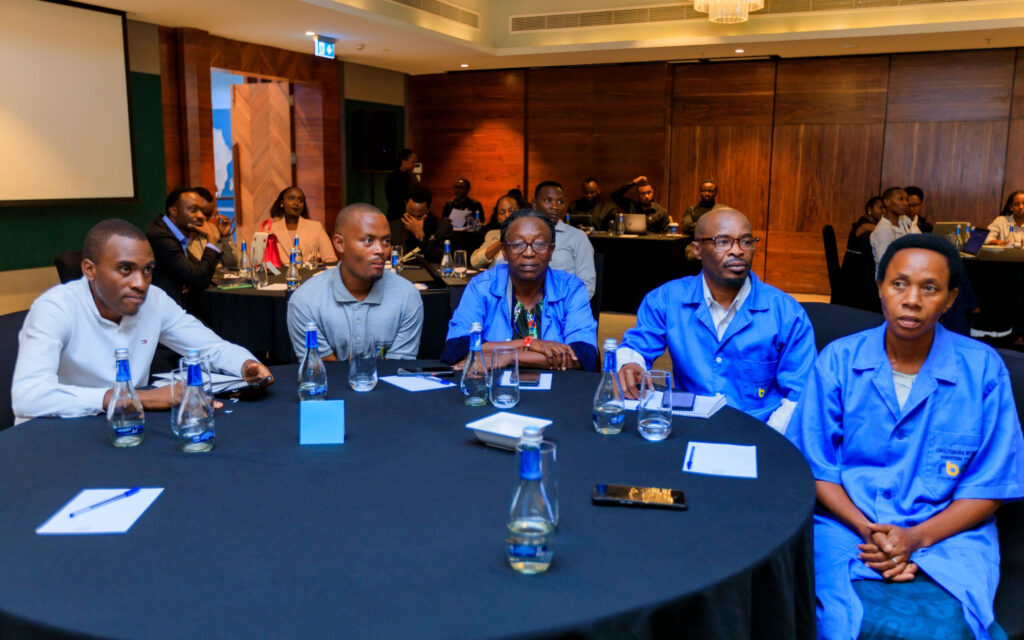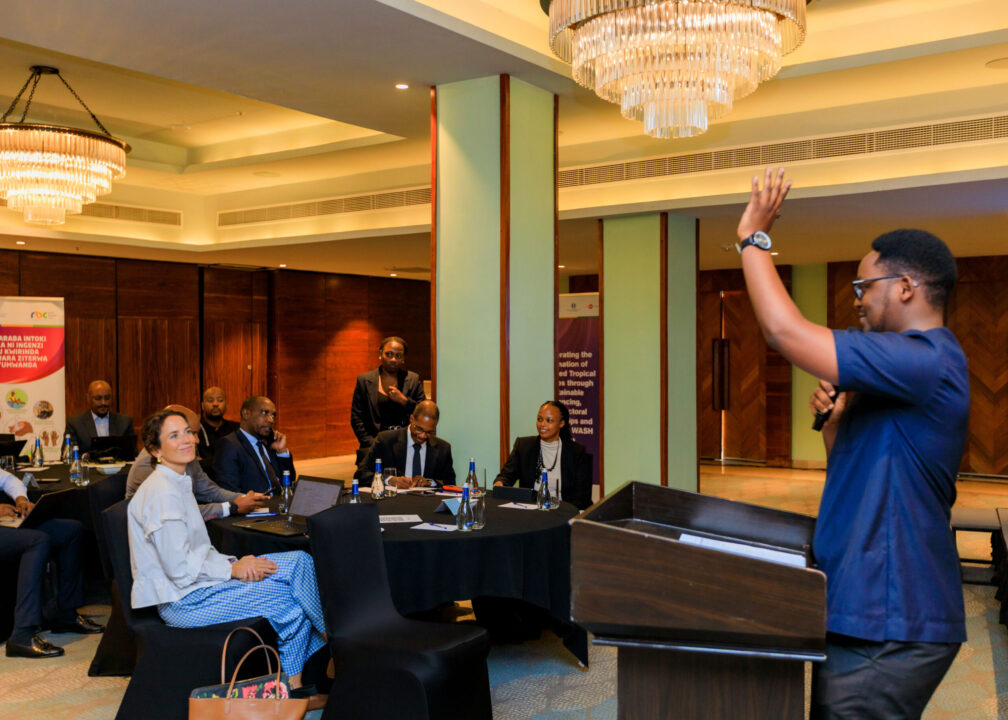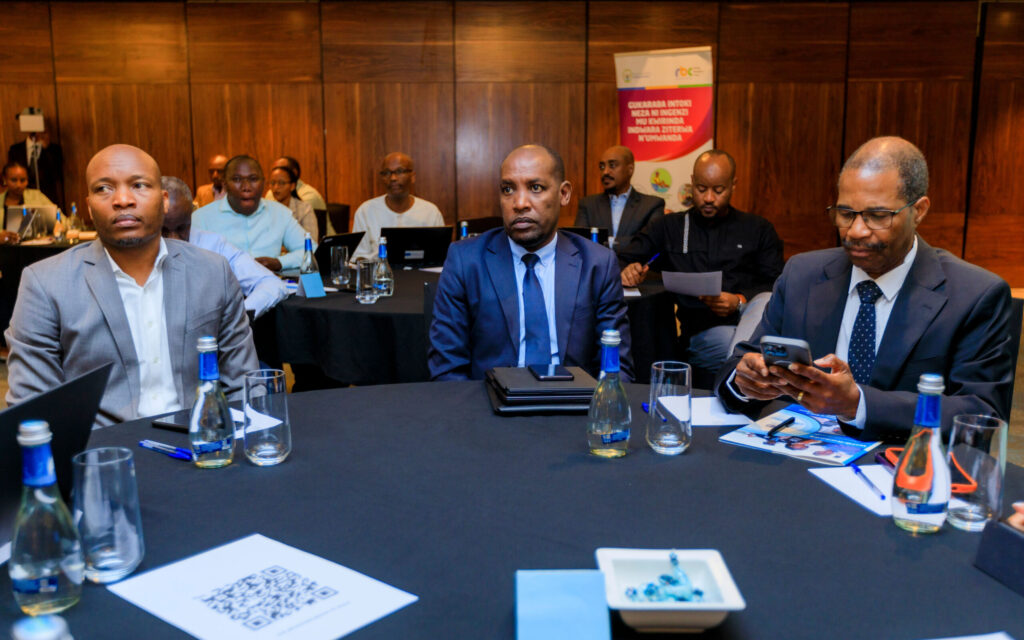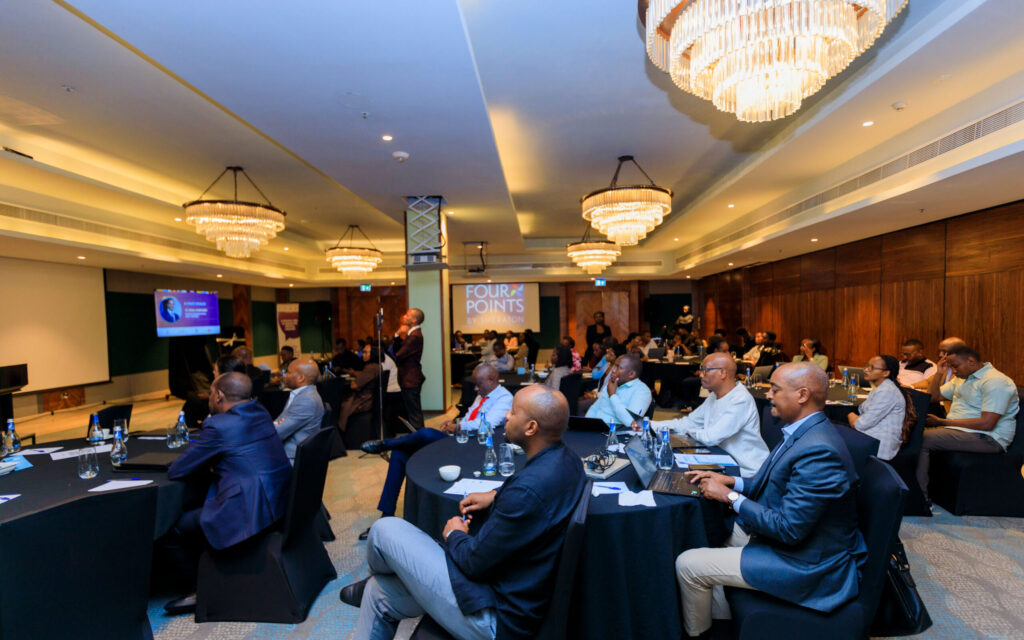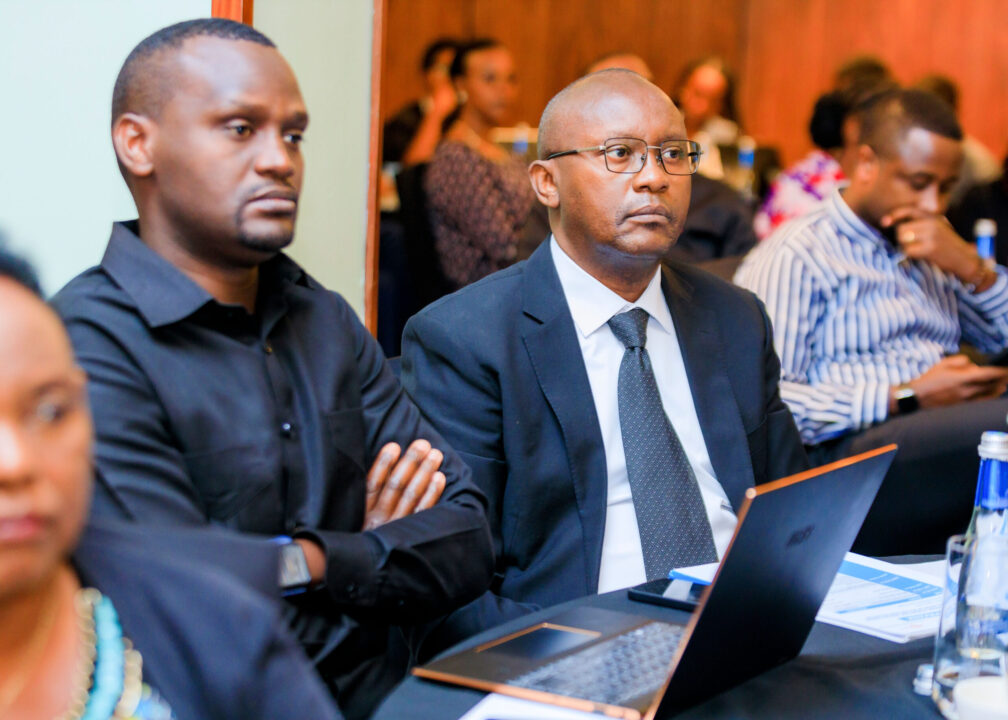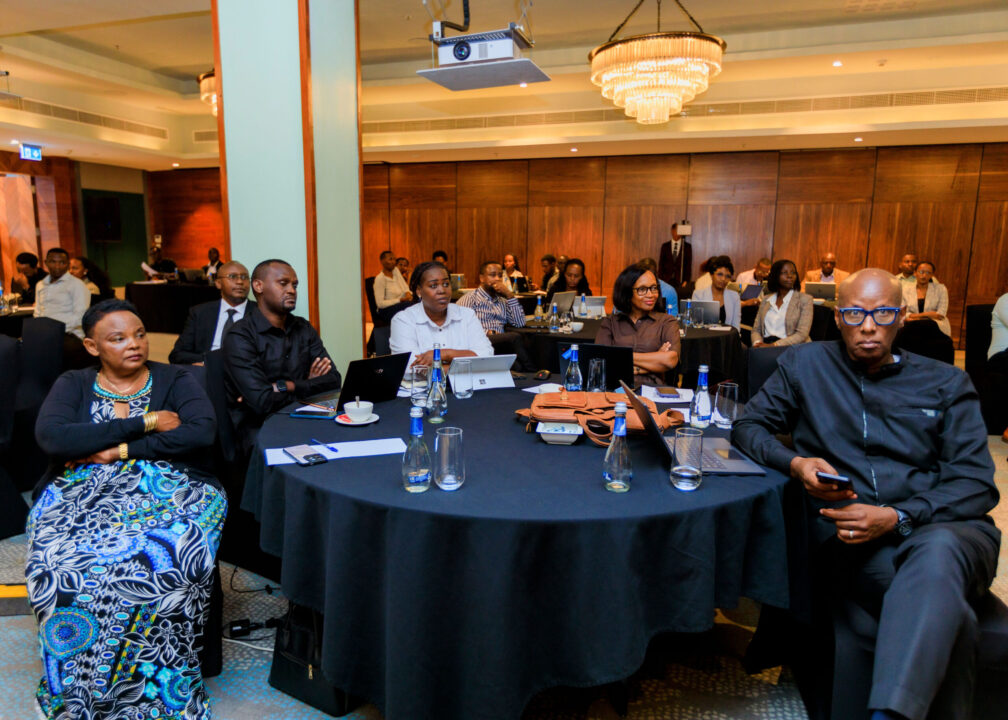
The annual national stakeholders’ advocacy meeting on Neglected Tropical Diseases (NTDs) and WASH integration was held in Kigali on Thursday.
KIGALI – Rwanda has pushed some of its most persistent neglected tropical diseases closer to elimination than ever before.
To further intensify these efforts, officials have turned to clean water, sanitation, community awareness and stronger local leadership.
During the annual national stakeholders’ advocacy meeting on Neglected Tropical Diseases (NTDs) and WASH integration, government, development partners and civil society organizations resolved that treating infections alone will not permanently stop transmission
Statistics indicate that Rwanda has reduced schistosomiasis, commonly known as bilharzia, to 2.4 percent prevalence among school-age children, while 95.7 percent of surveyed villages now record low infection levels.
Yet 1,013 administrative cells remain endemic, and a 2023 assessment in Bugesera and Ruhango districts found that 60.5 percent of households had never heard of bilharzia, while 89.6 percent lacked handwashing facilities with soap and water.
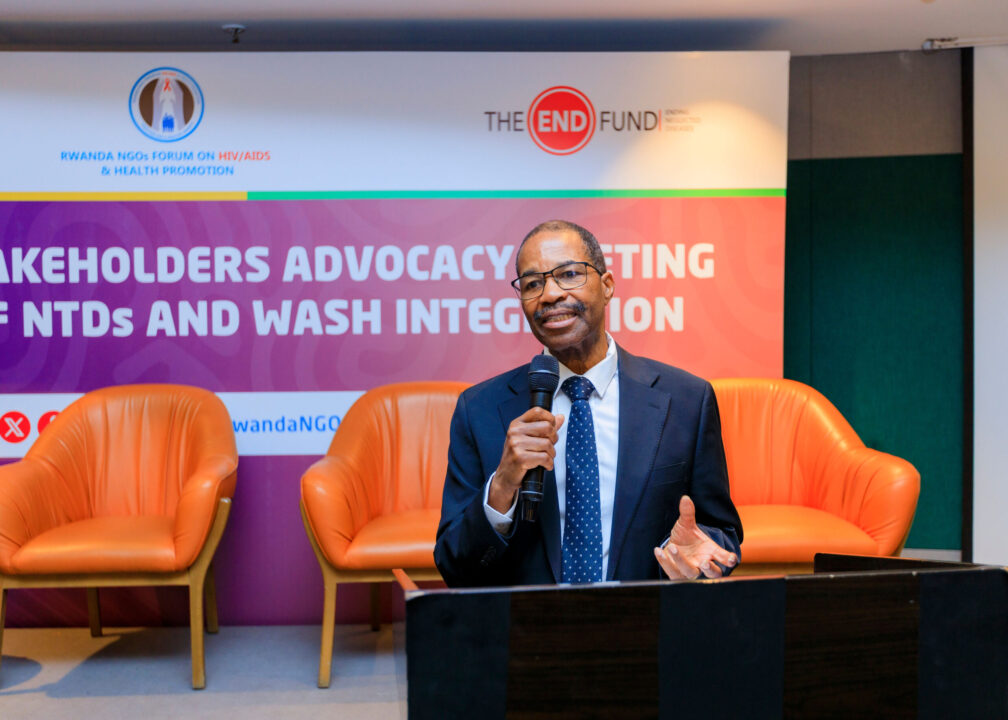
Dr. Brian Chirombo, WHO Rwanda Country Representative, said Rwanda’s next phase of elimination of NTDs demands a different approach.
For Dr. Brian Chirombo, WHO Rwanda Country Representative, those figures explain why Rwanda’s next phase of elimination demands a different approach.
“Medicine alone will not help the community. Lasting success requires addressing the underlying conditions that allow transmission to continue. Safe water, improved sanitation, hygiene practices, community awareness and strong local systems are all essential components of a sustainable response,” he said.
Chirombo explained that Rwanda’s progress through mass drug administration and community engagement now creates an opportunity to tackle the conditions that keep infections circulating.
The WHO-NTD Roadmap and Rwanda’s National NTD Strategic Plan 2026–2030 encourage countries to move beyond disease-specific interventions towards coordinated, people-centre approaches that address the root causes and deliver sustainable results.
That approach places local government at the centre of the response. Bob Gakire, the Permanent Secretary at the Ministry of Local Government, said the remaining challenge is no longer simply clinical but operational.
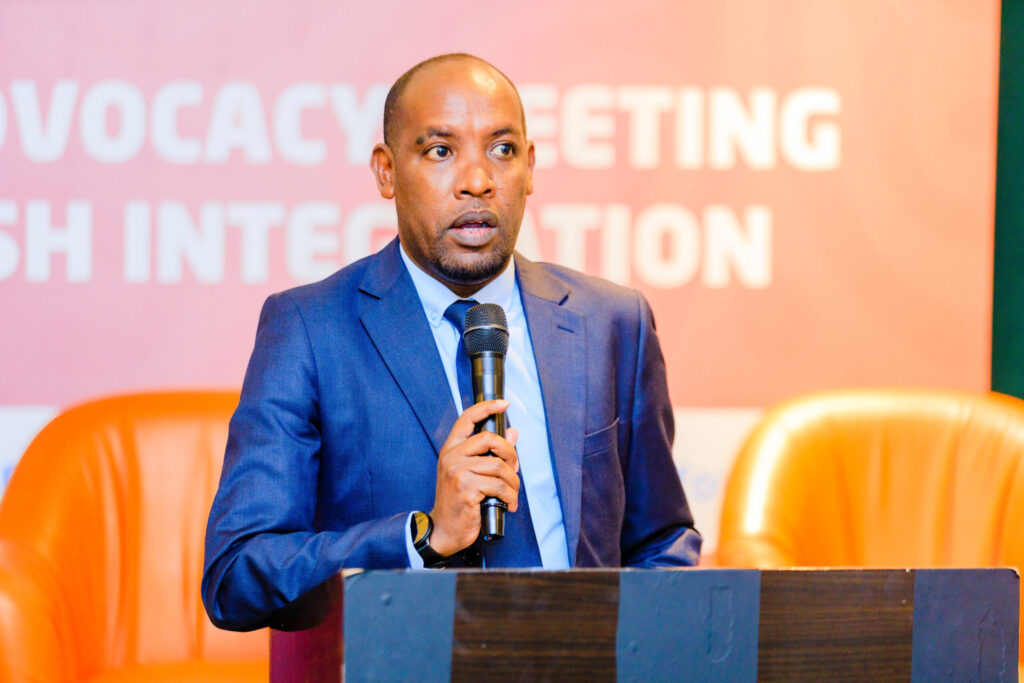
Bob Gakire, the Permanent Secretary at the Ministry of Local Government, said the remaining challenge is operational.
“Before somebody reaches the clinic and gets medicine, we have to ask what we can do at the water points, in wetlands, irrigation canals and households to prevent infection in the first place. It is not a critical failure. It is a failure of communication, planning and coordination,” he said.
According to him, existing government structures, from village meetings and community work programs to district performance contracts (Imihigo), should become tools for improving awareness and directing WASH investments to high-risk communities.
As anticipated, if districts integrate NTD and WASH targets into their plans, use community platforms and strengthen coordination, Rwanda can move much faster toward the national target.
Latest data from the Rwanda Biomedical Centre identified 13 hotspot villages with schistosomiasis prevalence rate above 10 percent, while heavy infections have already fallen below the WHO threshold for elimination as a public health problem.
Yet soil-transmitted intestinal worms remain widespread, with an overall prevalence of 38.7 percent, underscoring why prevention must now carry as much weight as treatment.
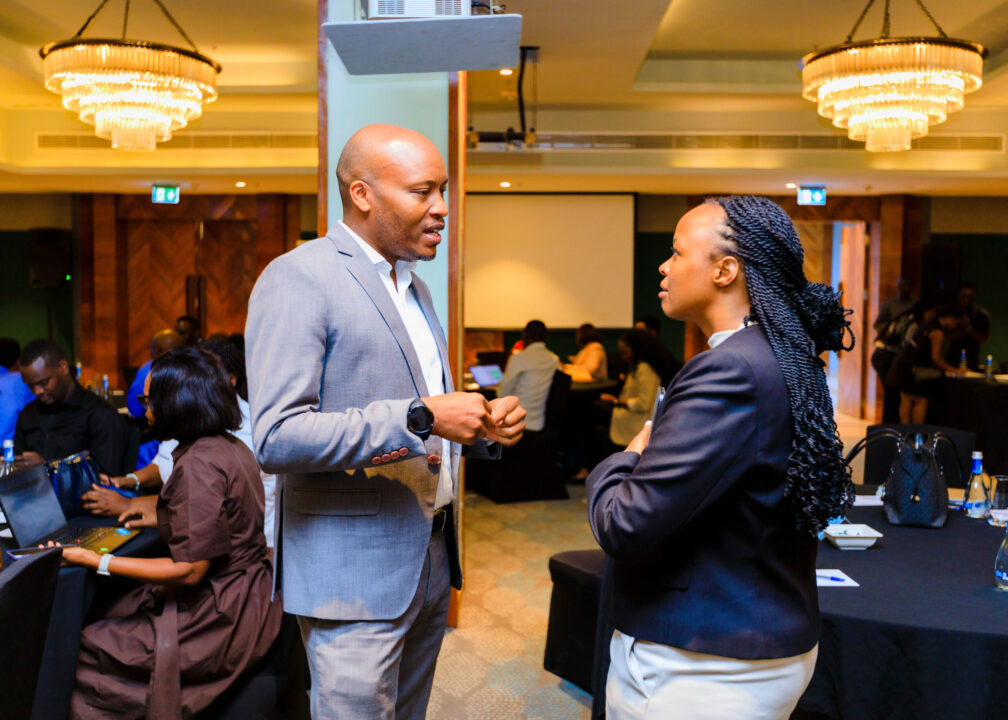
Nooliet Kabanyana, Executive Director of the Rwanda NGOs Forum on AIDS and Health Promotion discusses with Dr. Albert Tuyishime, HoD Institute of HIV/ AIDS, Disease Prevention and Control (IHDPC) at RBC.
Nooliet Kabanyana, Executive Director of the Rwanda NGOs Forum on AIDS and Health Promotion, believes the next chapter will be determined by whether partnerships produce measurable action.
“Beyond medical interventions, sustainable NTD elimination demands stronger integration of water, sanitation and hygiene, sustained financing, innovation, evidence, community engagement and accountability,” she noted.
In the end, success will not only be measured by medicines distributed, but also by fewer reinfected children, more households connected to safe water and hygiene facilities, as the first line of defence against diseases that have remained neglected for long.