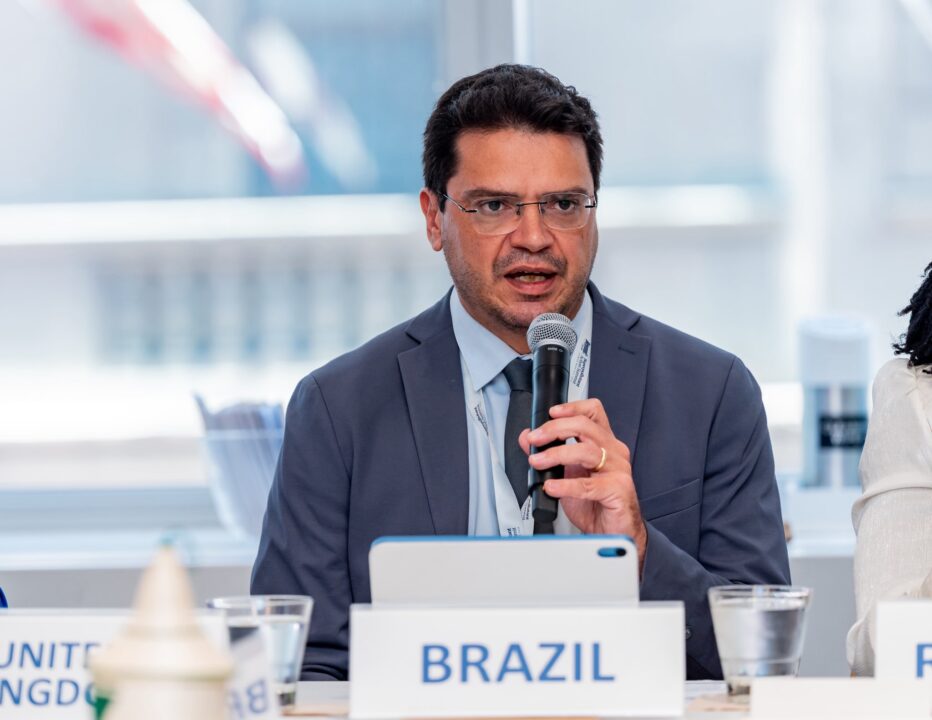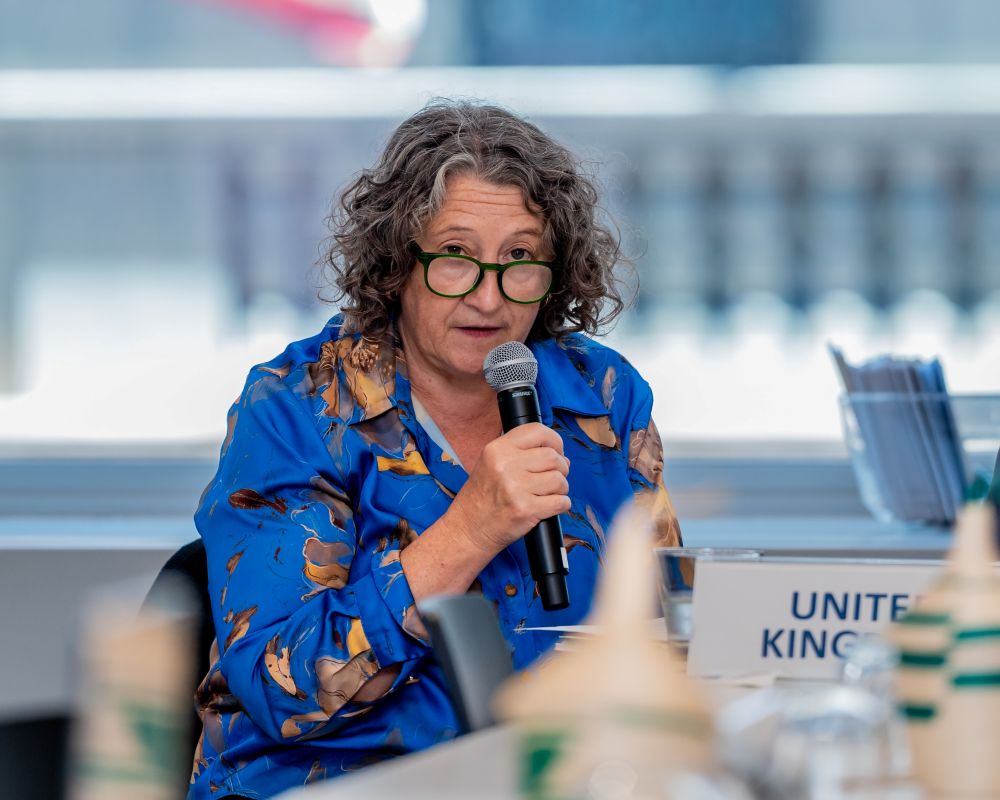
The Friends of the Kigali Amendment was launched during a high-level meeting in New York on September 23, 2026.
NEW YORK – Ten years after the landmark Kigali Amendment to curb harmful refrigerants, governments and climate partners are exploring how fast the agreement can deliver cleaner and more efficient cooling to keep pace with a warming and increasingly urbanized world.
During a high-level meeting in New York on September 23 where a renewed Friends of the Kigali Amendment was launched, governments, philanthropists and other industry actors pushed to accelerate implementation, ratification and investment.
“The Kigali Amendment has shown us what is possible when countries come together around a shared environmental challenge and turn ambition into collective action. Adoption was only the beginning and the real test is one of delivery,” Prime Minister Dr. Justin Nsengiyumva said.
Air conditioners, refrigerators and cold-chain systems are increasingly essential to daily life and economic activity, but the refrigerants and energy used by cooling equipment can also contribute significantly to climate change.
The Kigali Amendment, adopted in 2016 under the Montreal Protocol, requires countries to phase down hydrofluorocarbons (HFCs), powerful greenhouse gases widely used in refrigeration and air conditioning.
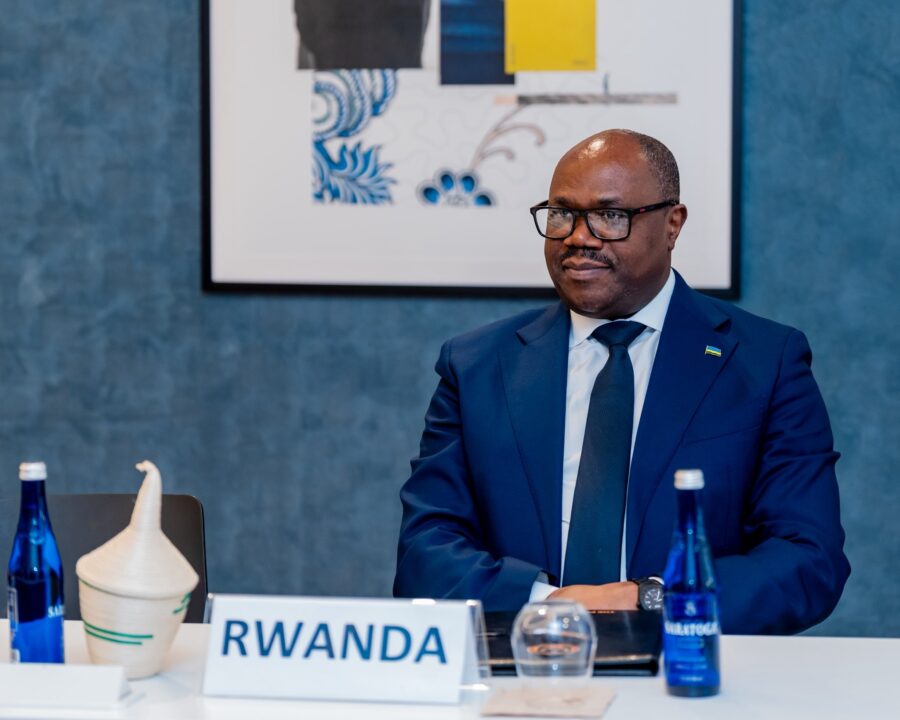
PM Nsengiyumva took part in the launch of the Friends of the Kigali Amendment.
Available statistics indicate that full implementation could avoid up to 0.5°C of global warming by 2100, with additional benefits possible when the transition is combined with greater energy efficiency.
Cooling is tied directly to whether vaccines and medicines can be safely stored, whether farmers can preserve produce long enough to reach markets, and whether businesses can operate efficiently in increasingly hot conditions.
For countries still expanding basic infrastructure, the transition also raises questions about technology, skills, finance and access because the challenge extends well beyond replacing one refrigerant with another.
“This is why sustainable cooling cannot be treated only as a climate priority. It is a development priority that shows up as access to cleaner, more efficient technology, lower energy costs, and new economic opportunities arise,” he said.
Rwanda seeks to demonstrate the connection through its African Centre of Excellence for Sustainable Cooling and Cold-chain, which brings together technology, skills, research and investment around applications in food systems, healthcare and other sectors.
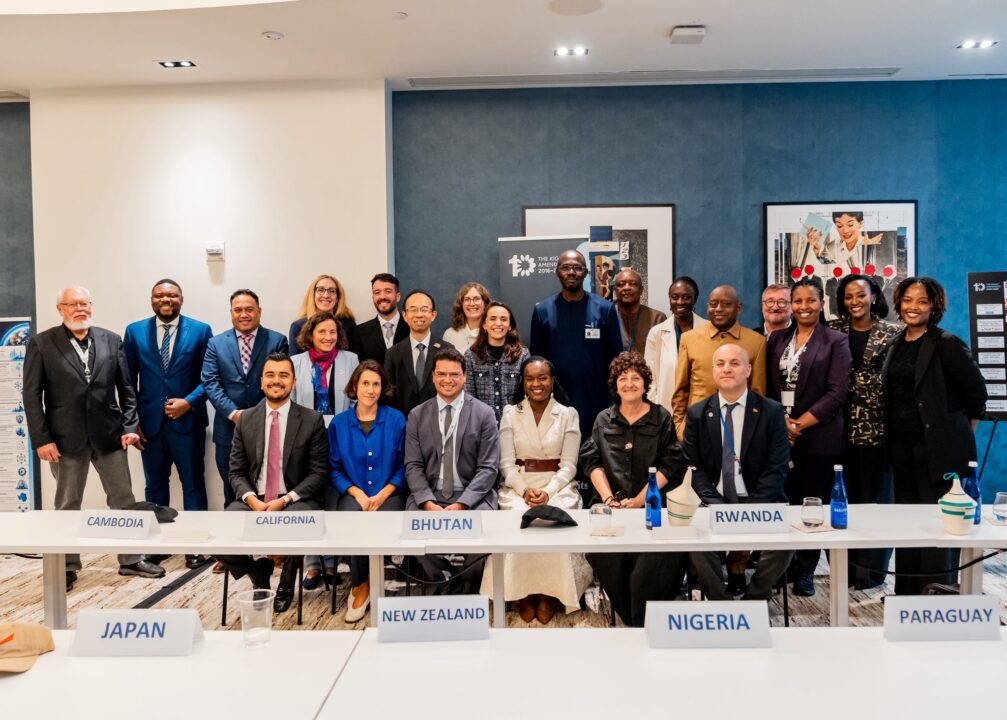
Meanwhile, major climate philanthropies, including the Sequoia Climate Foundation, announced a joint strategy with a goal of mobilizing $100 million to support HFC reductions and sustainable cooling.
Christie Ulman, the president of the Sequoia climate foundation, said the philanthropic community was stepping up its efforts around super-pollutants while supporting faster implementation of the Kigali Amendment.
The financial push comes as the need for expanding cooling systems intensifies but without improved efficiency, this could increase pressure on energy systems and the climate.
Rwanda’s Environment Minister Dr. Bernadette Arakwiye said the Kigali Amendment provides an opportunity to address that challenge with measurable action.
“At a time when meaningful climate action has never been more urgent, the Kigali Amendment remains one of the clearest opportunities we have to deliver significant results,” Arakwiye said.
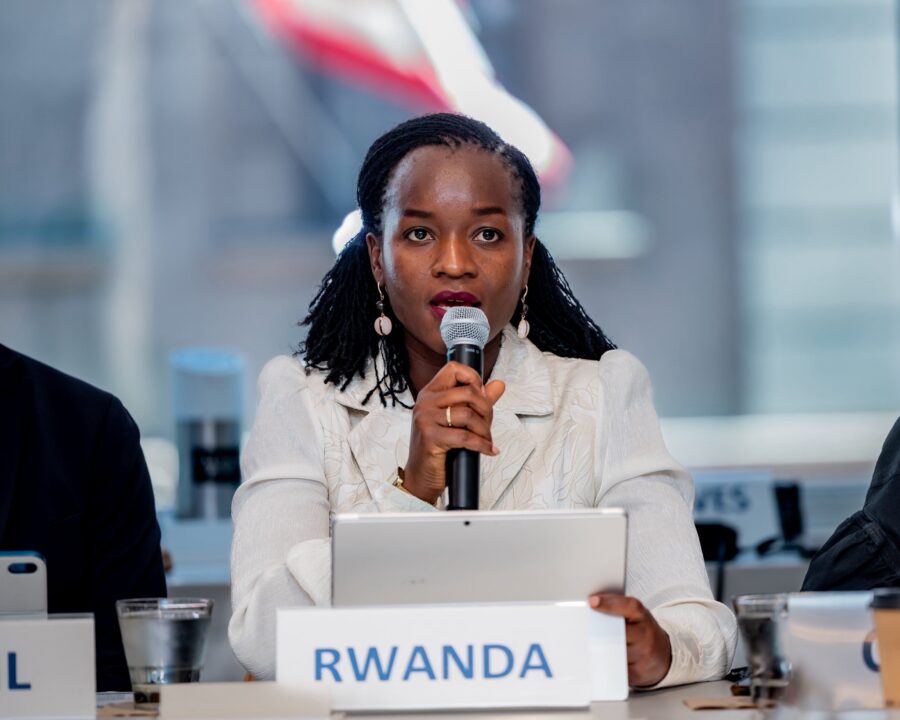
Rwanda’s Environment Minister Dr. Bernadette Arakwiye.
The Friends of the Kigali Amendment, launched with support from the Climate and Clean Air Coalition, is intended to reinforce rather than replace the formal institutions of the Montreal Protocol.
Its focus is on political cooperation around HFC phase-down, energy-efficient cooling, refrigerant management and the mobilization of public, private and philanthropic finance.
That renewed cooperation will have an immediate test in Kigali, where Rwanda will host the 38th Meeting of the Parties to the Montreal Protocol later this year.
The gathering will come a decade after the agreement bearing the city’s name was adopted and will provide an opportunity to examine whether renewed political commitments are translating into implementation.
“As we prepare to welcome you back to Kigali for MOP38, let us commit to using the Friends of the Kigali Amendment to move from commitment to implementation, from implementation to impact, and from ambition to results,” Nsengiyumva cautioned.