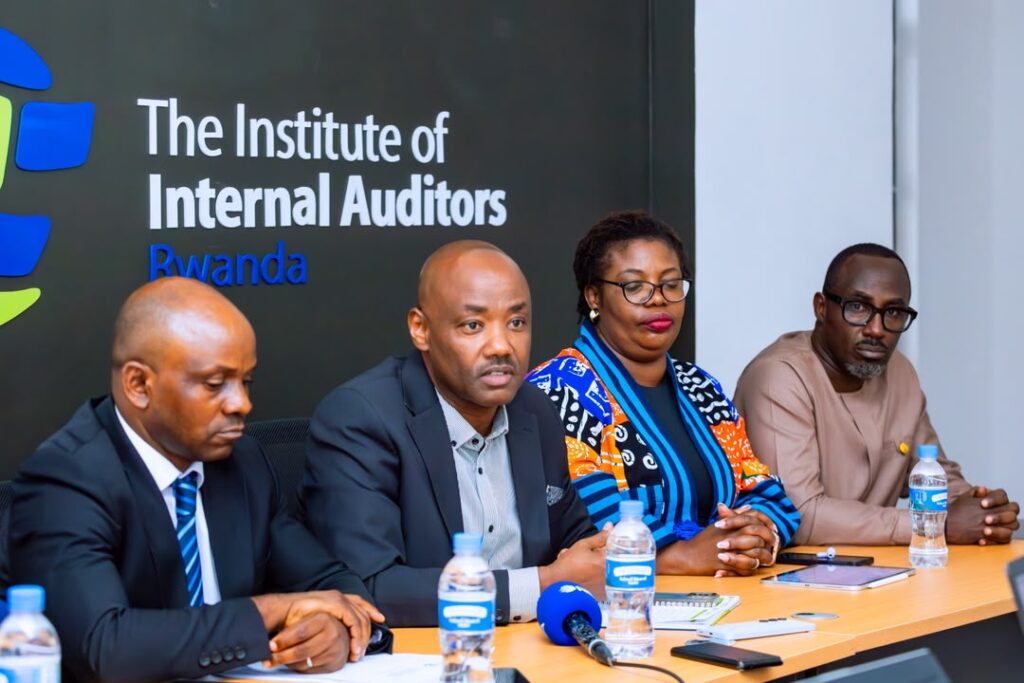
The Institute of Internal Auditors Rwanda (IIA Rwanda) is hosting the 9th Annual Internal Audit Conference.
KIGALI – Rwanda’s public institutions produce cleaner audit results every year, but as traditional weaknesses recede, a new generation of more complex risks is making accountability harder to safeguard.
The recent Auditor General’s report shows that entities receiving clean financial audits have risen from 92% in 2023 to 94% in 2024 and 97% in 2025, while compliance with laws and regulations grew from 69% to 75% and then 83% over the same period.
With this measurable progress in Rwanda’s public institutional management, however, the country’s internal audit profession faces a challenge of whether stronger controls can keep pace with risks that are getting more sophisticated and expensive to ignore.
“Cybersecurity threats, fraud, data protection, artificial intelligence and other technology-driven risks are increasingly becoming part of what organizations must confront,” said Richard Rutuku, Chief Executive Officer of the Institute of Internal Auditors Rwanda.
Internal audit, he said, is about governance, risk management and controls. Thus for organizations to have good governance aligned with their mandates, effective risk management and a strong control environment are essential.
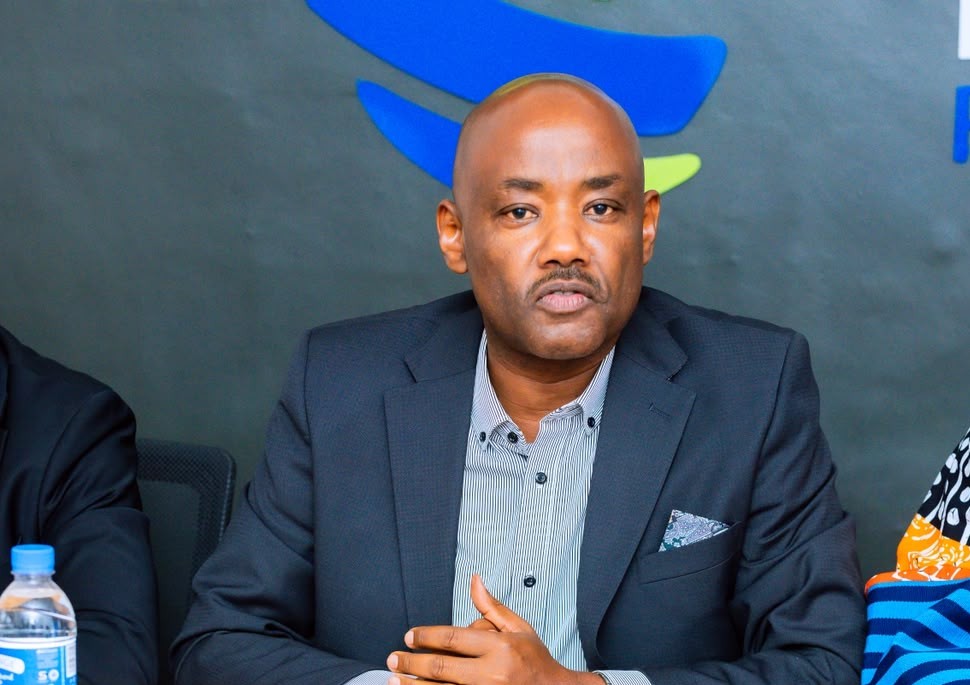
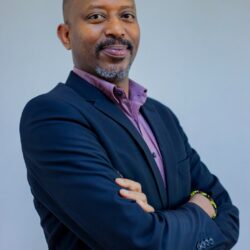
Richard Rutuku, Chief Executive Officer of the Institute of Internal Auditors Rwanda.
The changing risk landscape will be among the issues under discussion as Rwanda hosts the ninth Internal Audit Annual Conference from September 30 to October 2 under the theme “Internal Audit: Shaping Tomorrow.”
The conference program features discussions on present-day fraud and smarter detection, as well as how technology is changing boards, audit committees and internal audit procedures.
But the need to strengthen those systems is not necessarily evidence that Rwanda’s progress is stalling. For Rutuku, this is why internal audit cannot be reduced to checking transactions after something has gone wrong.
“The broader purpose is to help organizations understand whether their governance arrangements, risk management systems and controls are capable of supporting their objectives,” he said
Thokozile Kuwali, Chairperson of the African Federation of Institutes of Internal Auditors, said auditors must first understand where an organization wants to go before determining what could prevent it from getting there.
“The auditor has to understand an organization’s aspirations, examine the quality and alignment of its decisions and assess whether its rules, values and safeguards are strong enough to prevent problems before they become costly,” she said.
Her argument puts internal audit closer to the decision-making process. For Rwanda’s public sector, that preventive role matters as institutions continue to improve their audit performance while managing increasingly complex operations.
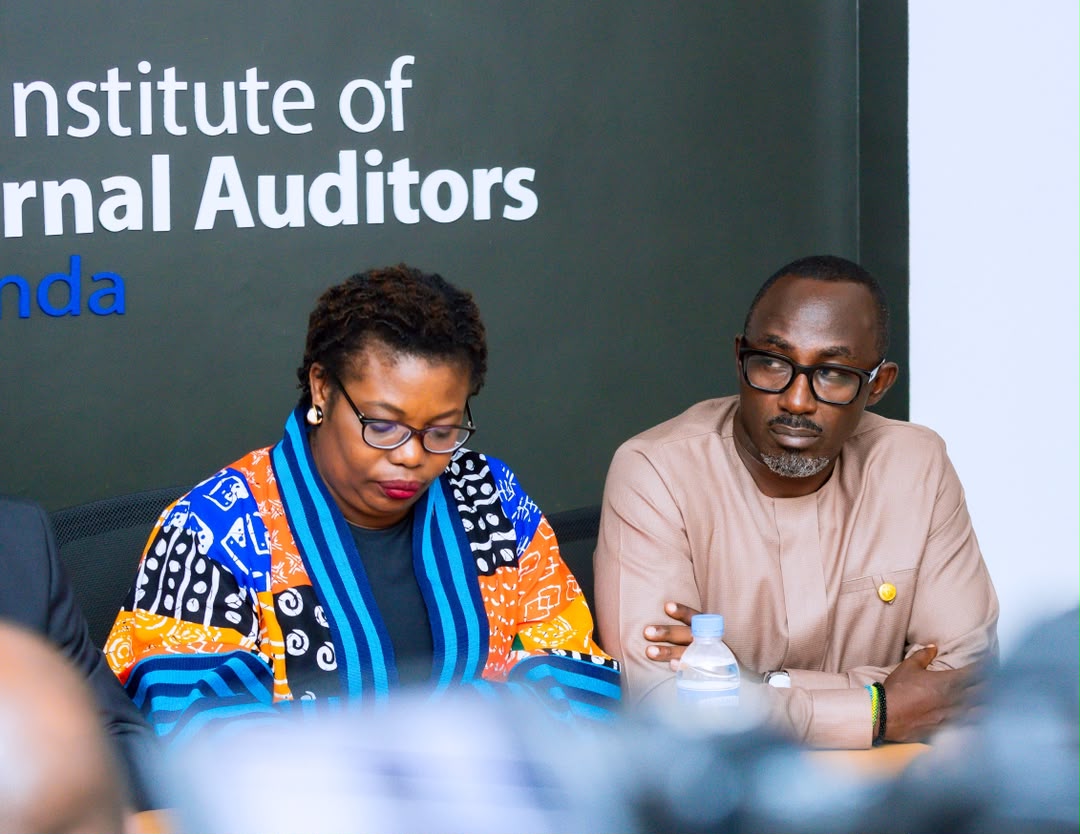
Thokozile Kuwali (L), Chairperson of the African Federation of Institutes of Internal Auditors.
Jules César Hategekimana, Internal Auditor General at the Ministry of Finance and Economic Planning, said the public sector’s progress depends on building internal audit systems that strengthen the way institutions manage public resources.
“Internal audit in the public sector supports accountability, transparency and proper management of public resources,” he said.
Hategekimana explained that government is strengthening that role across government and private institutions through capacity building, guidance and oversight, improved methodologies and standards and professional development.
The objective, he said, is to ensure that internal auditors contribute to better reporting, stronger governance systems and more effective management of public resources.
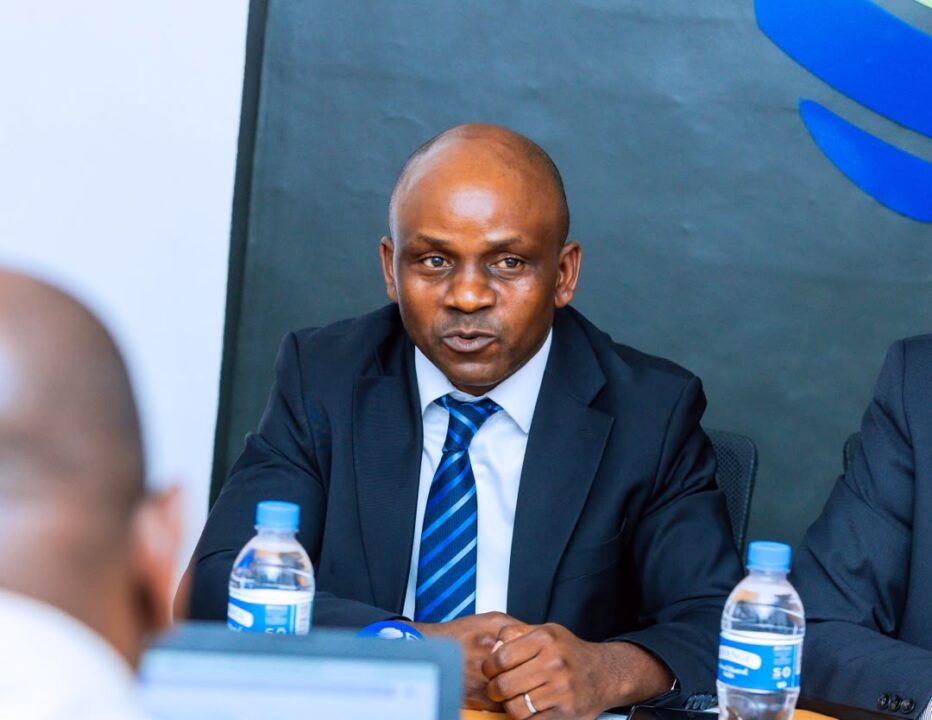
Jules César Hategekimana, Internal Auditor General at the Ministry of Finance and Economic Planning.
This role is increasingly becoming important as government institutions face more complex risks and the challenge of ensuring that progress remains meaningful as the nature of risk changes.
Cleaner accounts and stronger compliance can show that controls are working. But the harder test is whether those controls can continue working when risks are digital, interconnected and less visible than the weaknesses auditors have traditionally been looking for.
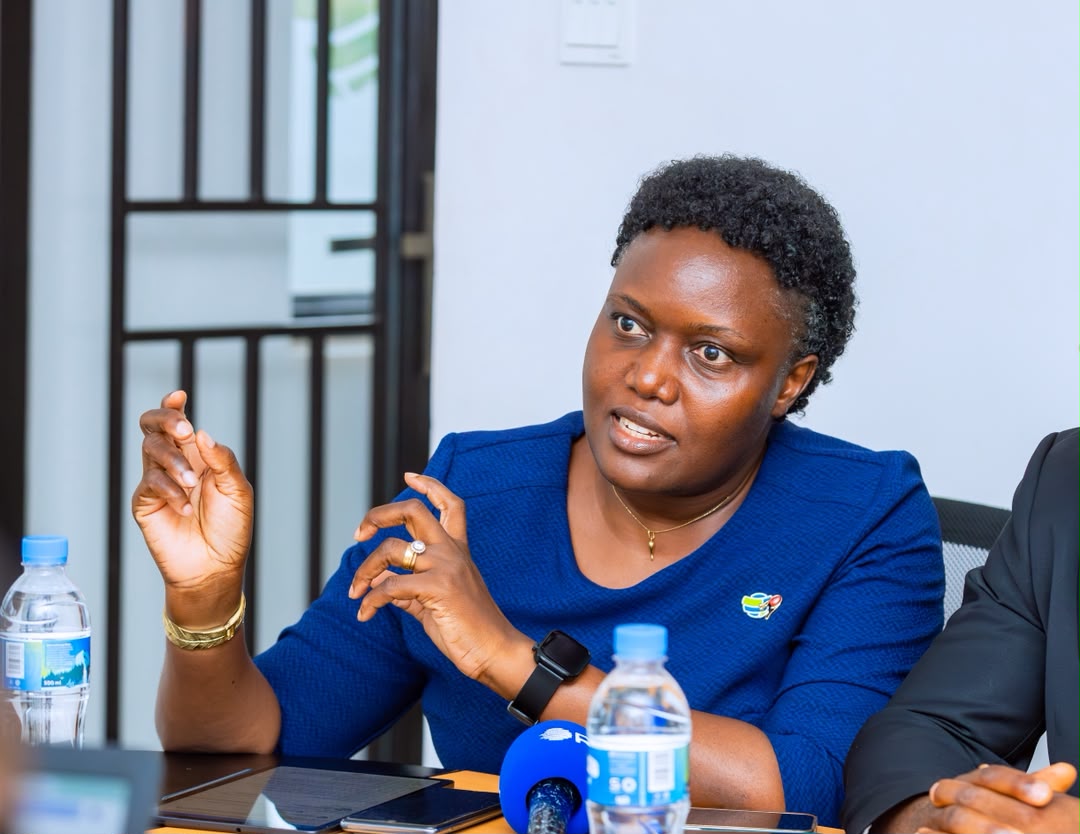
Ruth Doreen Mutebe, Regional Director, the Alpha Group and Senior Internal Audit Leader.