



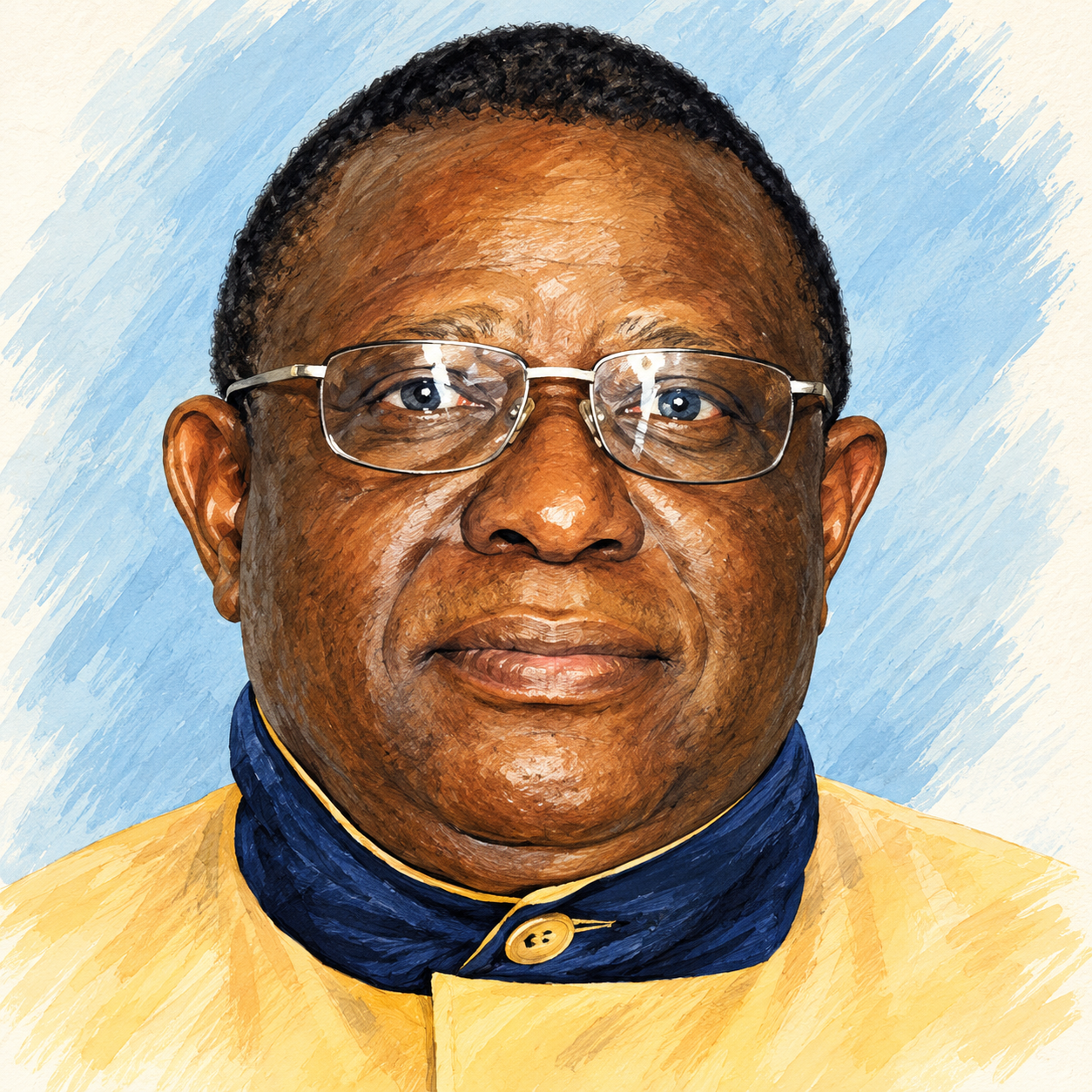
Isabelle Uzanyinzoga, in defence of her husband Colonel Théoneste Bagosora (in photo) at ICTR, she said she was half Tutsi, and that Bagosora could not kill people from community of his wife. The same has been done by many other genocidaires supporters
Genocide denial and distortion continue to take different forms, with perpetrators and their sympathizers promoting misleading narratives to manipulate historical facts, minimize responsibility, and undermine the truth about the 1994 Genocide against the Tutsi.
One such argument, increasingly circulated by genocide-denial accounts on social media, attempts to whitewash convicted perpetrators by emphasizing that some were married to Tutsi women. This false narrative suggests that having a Tutsi wife somehow proves that a man could not have harbored anti-Tutsi hatred or participated in genocide. Such reasoning is fundamentally misleading.
Marriage to a Tutsi woman did not absolve anyone of responsibility for participating in the persecution and extermination of the Tutsi.
Historical accounts and testimonies reveal the devastating reality that family relationships did not always protect Tutsis from genocidal violence. Some men married to Tutsi women nevertheless embraced extremist ideology, participated in killings, incited violence, and mobilized others to commit atrocities. In some cases, perpetrators turned against their own in-laws despite having Tutsi wives.
These realities expose the weakness of the argument advanced by genocide-denial accounts. If marrying a Tutsi woman were proof of innocence, how could some men in such marriages participate in the persecution and killing of Tutsis?
The answer is straightforward, private relationships do not necessarily reflect a person’s ideology or determine their actions. A man could have a Tutsi wife while supporting an extremist movement that sought the destruction of her community. His marital status cannot erase the crimes he committed or diminish his responsibility for them.
The relevant questions are what the individual did, the role he played, and what the available evidence establishes about his responsibility.
Using Tutsi wives to defend their husbands also ignores the social realities of the period. Many women faced restrictions on their autonomy, economic independence, and participation in household decisions. In some households, husbands exercised considerable authority, leaving their wives with little ability to challenge their beliefs or influence their actions.
For some Tutsi women, marriage offered no protection from persecution. They faced hostility and intimidation within their own homes while their relatives and communities were targeted by genocidal violence.
It is therefore misleading to assume that having a Tutsi wife meant a household was free from anti-Tutsi prejudice. Such claims overlook the vulnerability of women and reduce complex historical experiences to arguments intended to excuse perpetrators.
Genocide denial and distortion frequently rely on selective facts, emotional appeals, and arguments designed to distract attention from criminal responsibility. When one narrative loses credibility, another may emerge. Social media provides a platform for these claims to circulate without the historical context necessary to assess them properly.
Personal relationships must never be used to replace an examination of an individual’s actions and responsibility. The architects and perpetrators of genocide were not necessarily deterred by family bonds. Genocidal ideology can override traditional relationships, normalize dehumanization, and turn people against their neighbours, friends, and relatives.
Ultimately, marriage is not proof of innocence, and family ties are not a defense against genocide. The focus must remain on the historical facts, the crimes committed, and the suffering inflicted upon the Tutsi.
Preserving the truth requires rejecting arguments that manipulate private relationships to obscure public crimes. The Genocide against the Tutsi must be confronted through evidence, historical accuracy, and accountability not narratives designed to whitewash perpetrators and distort the past.
