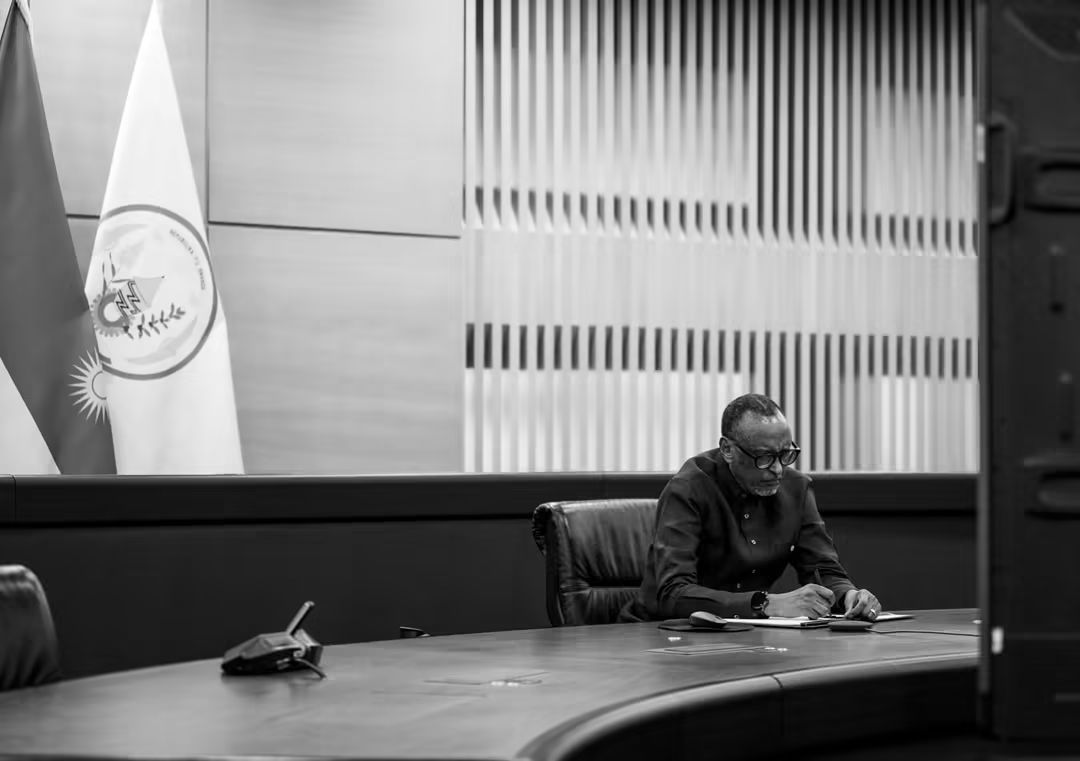



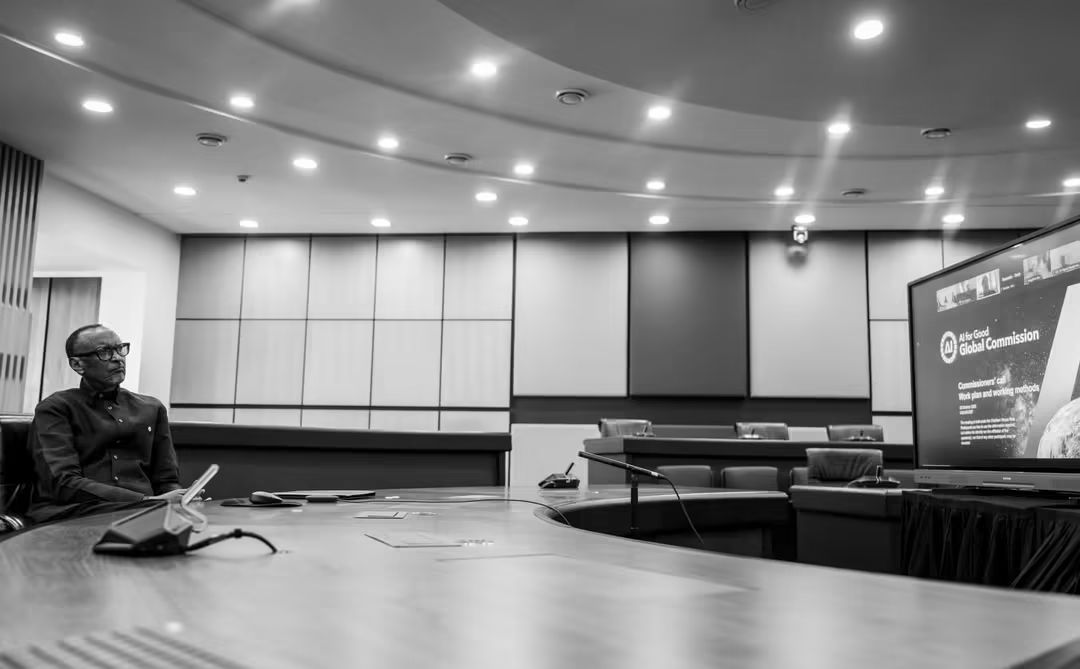
KIGALI – President Paul Kagame has called for wider participation in shaping artificial intelligence (AI), saying its benefits will grow if people across the world have a voice in determining how the technology develops.
“The benefits of A.I. will compound, if we all have a voice in shaping the future of this new technology,” Kagame said during a virtual meeting of the AI for Good Global Commission, which he co-chairs.
“As a Commission, our job is to keep asking the hard questions, and commit our time, expertise and resources to find practical solutions,” he added.
The meeting brought together fellow co-chair Marc Benioff, chair and chief executive of Salesforce, and vice-chair Doreen Bogdan-Martin, Secretary-General of the International Telecommunication Union (ITU), alongside other commissioners.
They reviewed progress and discussed the next steps towards ensuring that AI delivers economic and social benefits to people worldwide.
How Kagame became co-chair
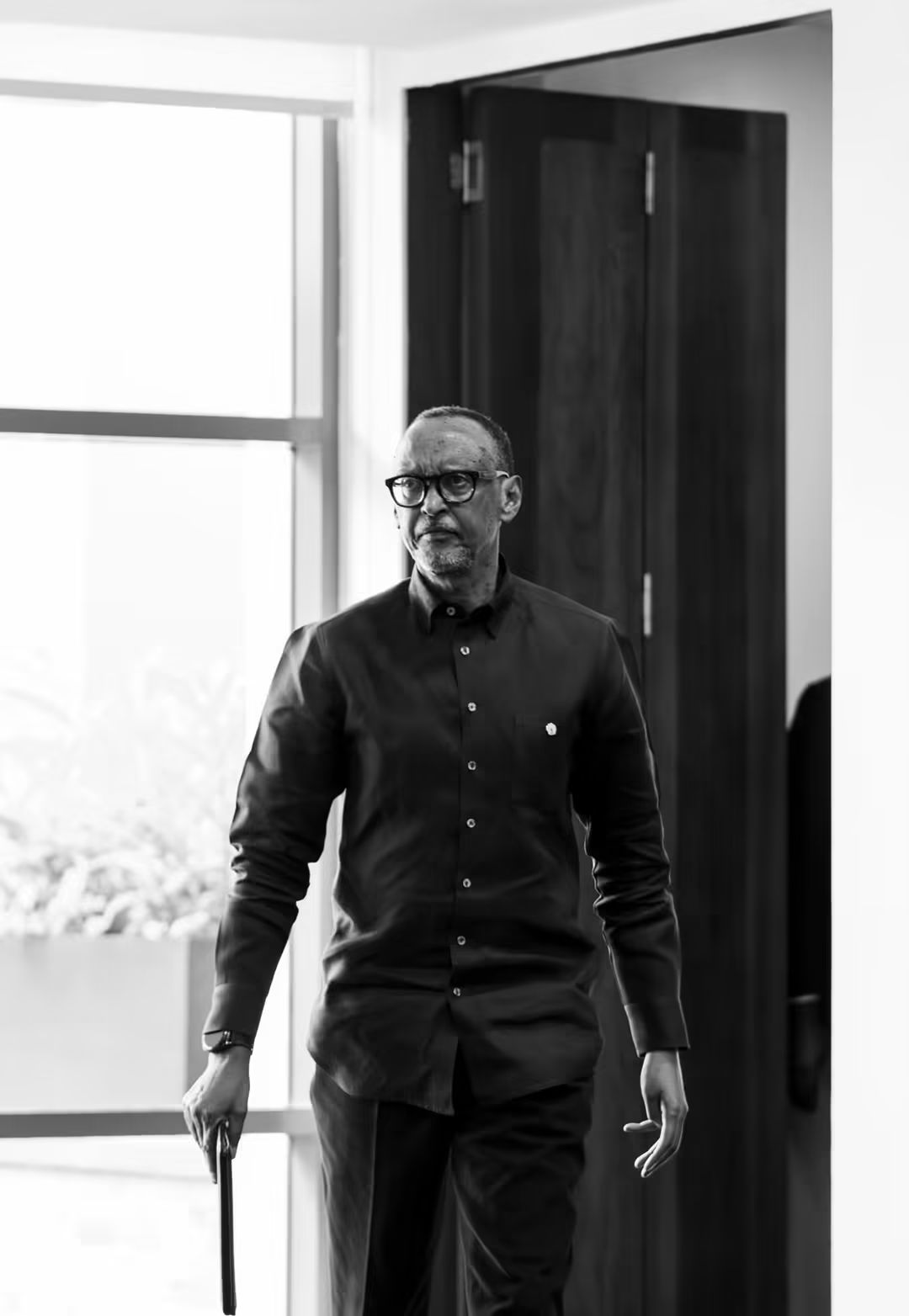
Kagame became co-chair when the AI for Good Global Commission was launched on July 2, 2026, by the ITU, the United Nations agency responsible for telecommunications and digital technologies.
He shares the leadership with Benioff, whose company develops business software and AI-powered services. Bogdan-Martin serves as vice-chair.
The commission brings together more than 40 founding members, including heads of state and government, technology executives and leaders of international organisations. Its work focuses on building trust in AI, widening access to the technology and identifying practical ways to use it to address real-world challenges.
The commission held its inaugural meeting during the ITU’s AI for Good Global Summit in Geneva, Switzerland, in July 2026.
Tackling the global AI divide
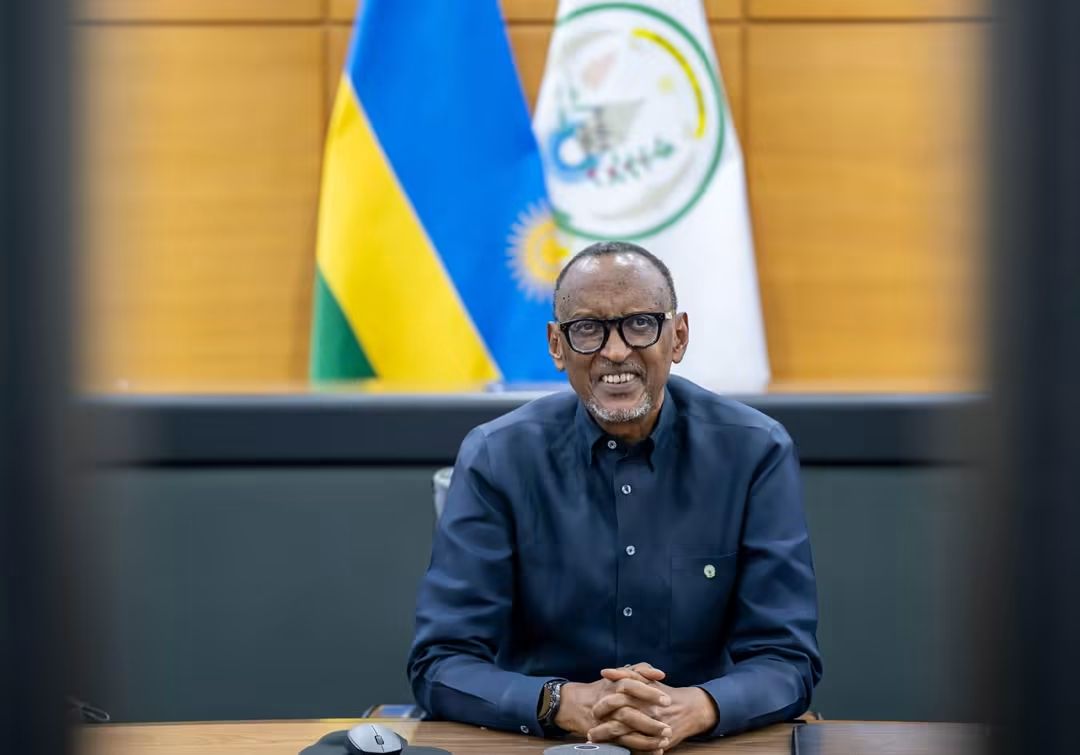
A central concern for the commission is the risk that AI could widen existing inequalities if access to the technology remains concentrated in wealthier countries and among well-resourced companies and communities.
At its launch, the ITU noted that about 2.2 billion people worldwide remained offline, limiting their ability to benefit from advances in digital technology, including AI.
The commission aims to bring together governments, businesses and international institutions to address barriers to access while supporting responsible innovation.
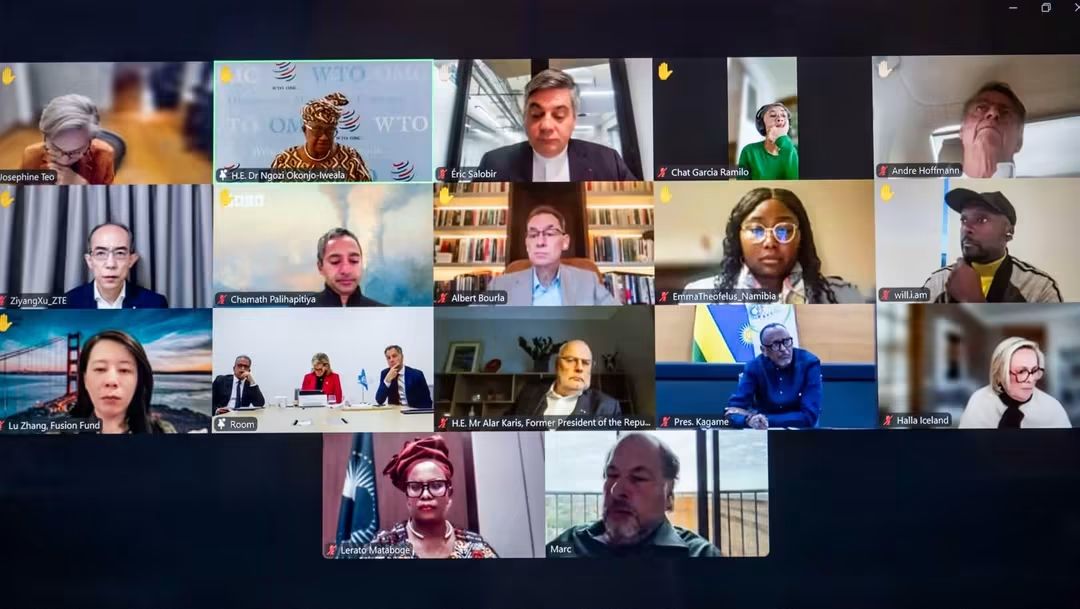
For Rwanda, the initiative provides an international platform to engage in discussions on AI governance, digital inclusion and the role of emerging technologies in economic and social development.
The commission’s work will focus on identifying practical solutions to ensure AI serves people across countries and communities, rather than deepening existing digital divides.