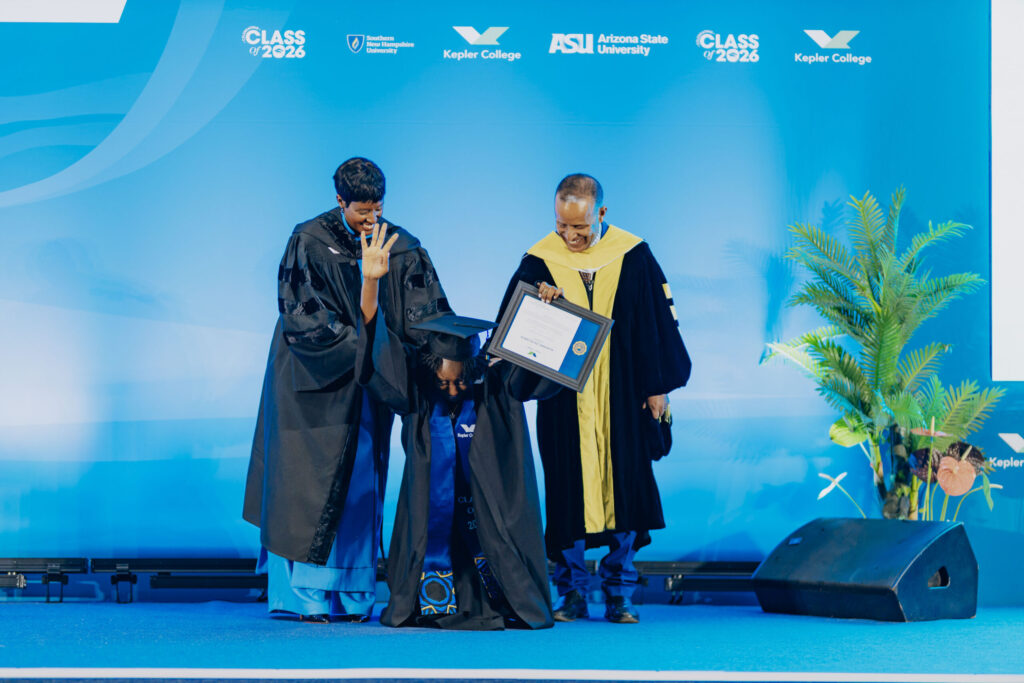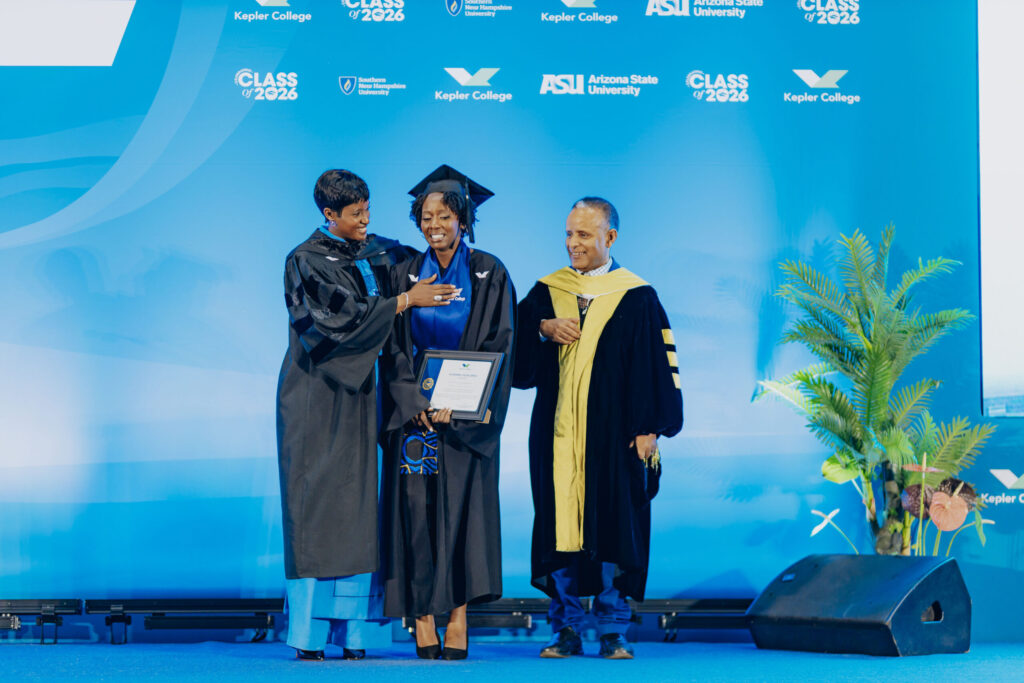


 KIGALI – Oceane Kamikazi remembers how difficult it was to achieve a typing speed of 50 words per minute during her first trimester at Kepler College.
Although facilitators had set the target as something students could reach within that period, repeated attempts left her falling short, with scores of 44, 42 and 45 words per minute.
By the second-to-last session, she was beginning to lose hope and had considered trying again the following term. When she decided to make one final attempt, this time she reached the target.
“I didn’t just gain a typing speed that day. I gained staying power,” said Kamikazi, who graduated with a Bachelor of Arts in Project Management.
Speaking on behalf of the Class of 2026, she recalled the deadlines, presentations and demanding group assignments that had tested students throughout their three-year journey.
Those experiences, she said, had also taught them to depend on one another, with classmates offering help when others struggled to keep up.
 Her message to fellow graduates was that the determination they had developed at college should now be put to use beyond the classroom. “Kepler College did not train us to wait for solutions; it built us to create them. We should use these skills to address challenges in our communities and across Africa,” Kamikazi said.
The graduation marked Kepler College’s second graduating class and the 11th cohort of students graduating through its partnership with Southern New Hampshire University (SNHU).
In his remarks, Kepler College Vice Chancellor Prof. Baylie Damtie Yeshita said the institution measures the value of its education by their ability to translate knowledge into practical skills and secure meaningful employment.
He said 90 per cent of Kepler graduates consistently secure employment in their fields within six months of graduation, while 49 per cent of the Class of 2026 had already secured employment before completing their studies.
“The outcome that matters most to our goal is not a certificate on the wall. It is a dignified work and a dignified life,” Yeshita said.
 Careers, Change and The Value of Persistence
Presiding over the graduation as guest of honor, Sports Minister Nelly Mukazayire urged graduates to prepare for careers that may take unexpected turns, drawing from her own experience of moving through different professional roles before becoming Minister of Sports.
Although she had not studied engineering, her first job was as an administrative assistant in a construction company. Her career later took her through other responsibilities, showing that professional life does not always follow the path people initially imagine.
“The feeling of not knowing what you are doing is not a sign that you are behind. It is a tax you pay to move forward. I encourage you to remain curious, embrace change and find the courage to begin again when necessary,” she cautioned.
Mukazayire also asked them to value the people who had supported them along the way, including family members, friends and classmates. She reminded them that their achievements were not reached alone and urged them to carry gratitude and kindness into their working lives.
 Kepler Chief Executive Officer Nathalie Munyampenda reinforced the importance of patience, cautioning graduates against measuring their progress against the lives they see on social media.
She compared personal development to building a house, explaining that every completed structure takes time and a series of steps. Graduates, she said, should allow themselves the same room to grow rather than rushing to match other people’s achievements.
“What is important in life is to run at your own pace. Success requires people to understand and respect their own process,” she said.
Munyampenda pointed to the changes brought by artificial intelligence, saying that graduates would need to keep developing their ability to think and put ideas into action. “The only thing that remains after AI is thinking and doing,” she said.
The different messages returned to a shared expectation that the value of the education graduates received would ultimately be seen in what they do with it.
Education as A Responsibility to Others

That call to contribute beyond personal achievement was also central to the message delivered by Rodwell Mangisi, Director of Digital Economy at the Mastercard Foundation, who challenged graduates to see their education as a responsibility to society.
“Your education is not only a private achievement. It is a public responsibility,” he told the graduates, encouraging them to create businesses, lead teams, solve problems and open opportunities for others.
Mangisi drew on his own experience growing up in Rimuka, a small town in Kadoma, Zimbabwe, where he sold ice pops and popcorn at a bus terminal at the age of 10.
At the time, he was simply trying to earn money, but the activity introduced him to lessons in business, including finding suppliers, estimating demand, managing stock and organizing his time around school.
He later moved to South Africa for further studies, where financial difficulties made it hard to pay his fees. A parent of a student he tutored eventually offered to cover the costs, giving him the chance to concentrate on his education.
 When Mangisi later tried to repay the benefactor, the man declined and told him: “I did not help you so that you could come and repay me back. I helped you so that you could go out there and help someone else.”
The instruction to “pay it forward” became one of the principles he carried into his career. He urged graduates to remember those who had supported them and, in turn, help others access opportunities.
He also cautioned them against treating their degrees as the final measure of their abilities. His own career moved from electrical engineering into electronics, software development, data and analytics, and eventually digital solutions and commercial leadership.
“Your degree is the foundation. It is not the destination,” he said, advising graduates to remain open to learning and to treat failure as information that can help them improve rather than a judgement of their abilities.
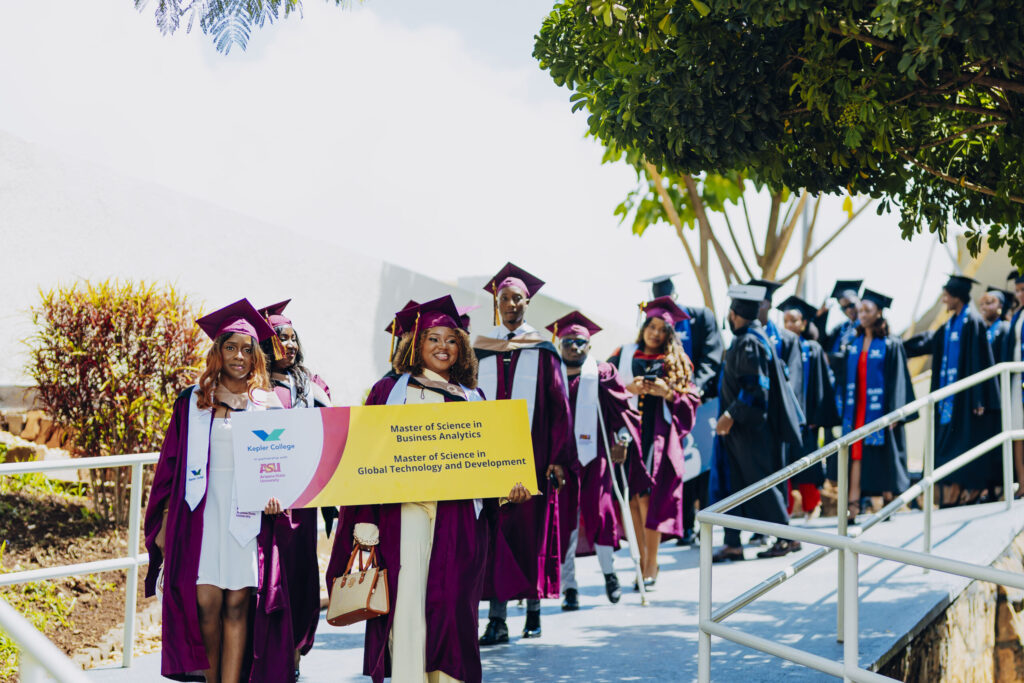
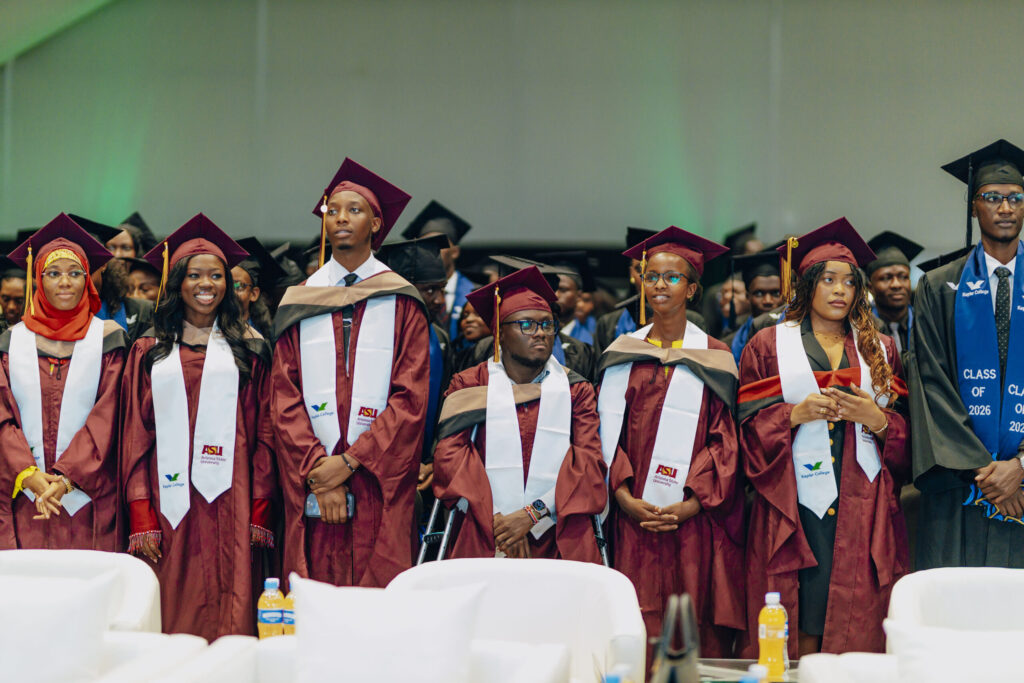
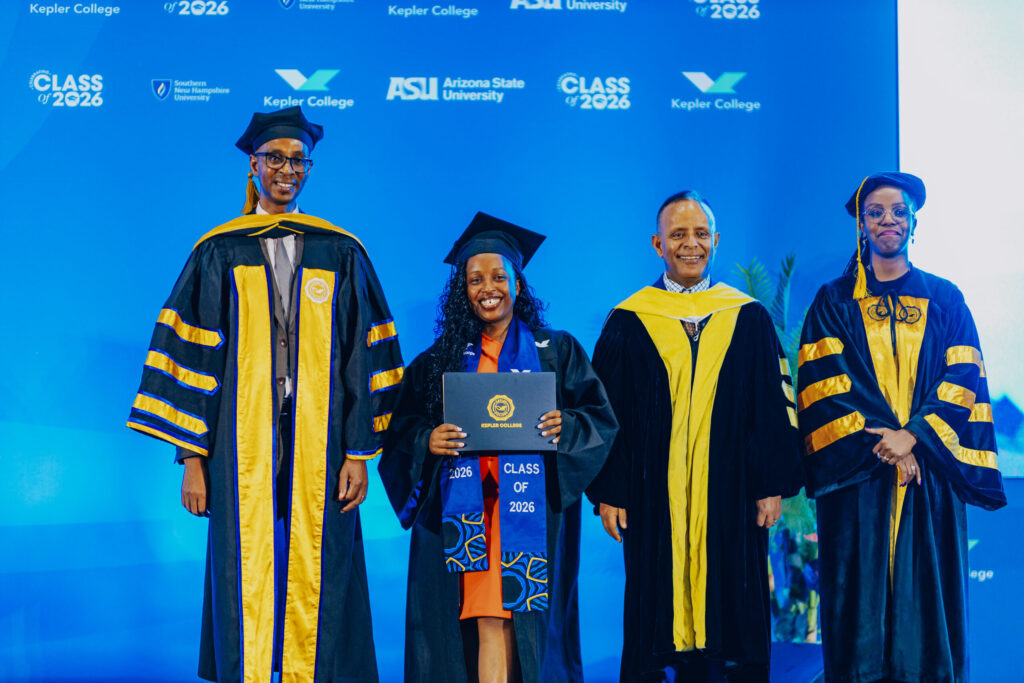
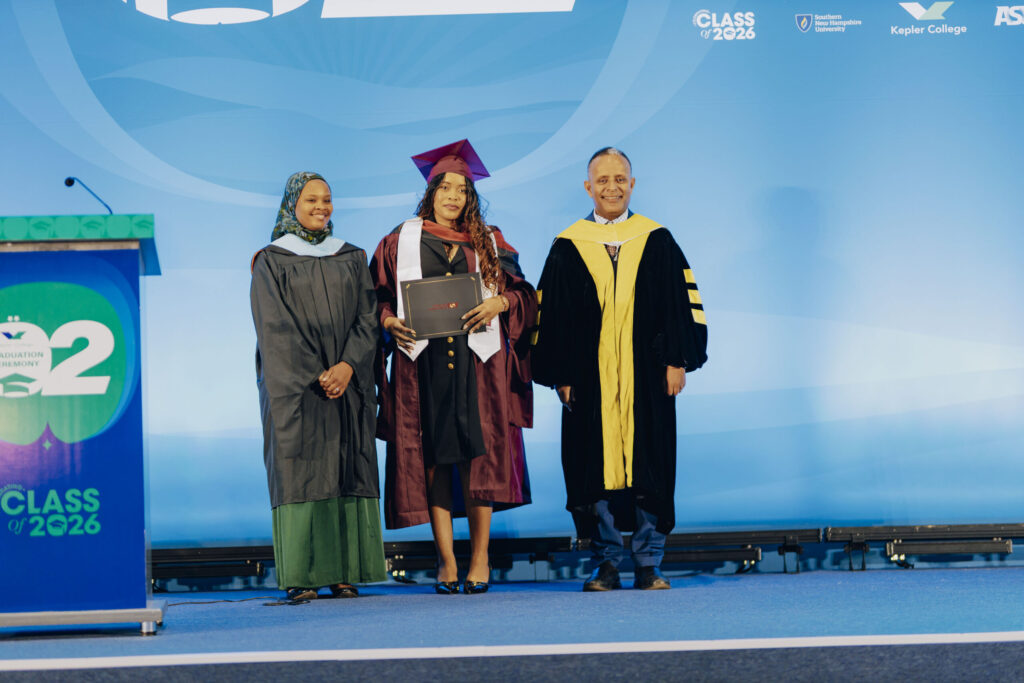
 The ceremony brought together 322 students from eight African countries, comprising 171 graduates from Southern New Hampshire University (SNHU) and 141 from Kepler College.
Others are 10 Arizona State University master’s graduands from the Kepler College Plus Program, whose degrees in Business Analytics and Global Technology and Development will be formally conferred in December 2026.
Women accounted for 56.8 per cent of the graduating class, while 28.3 per cent were from refugee backgrounds. Several graduates also received special recognition.
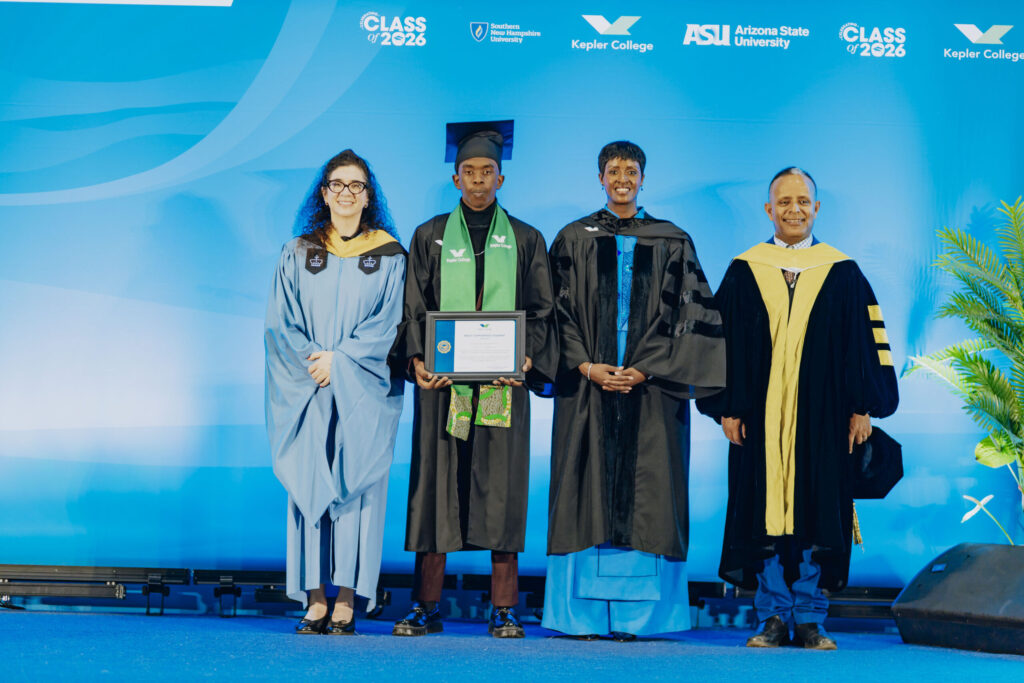
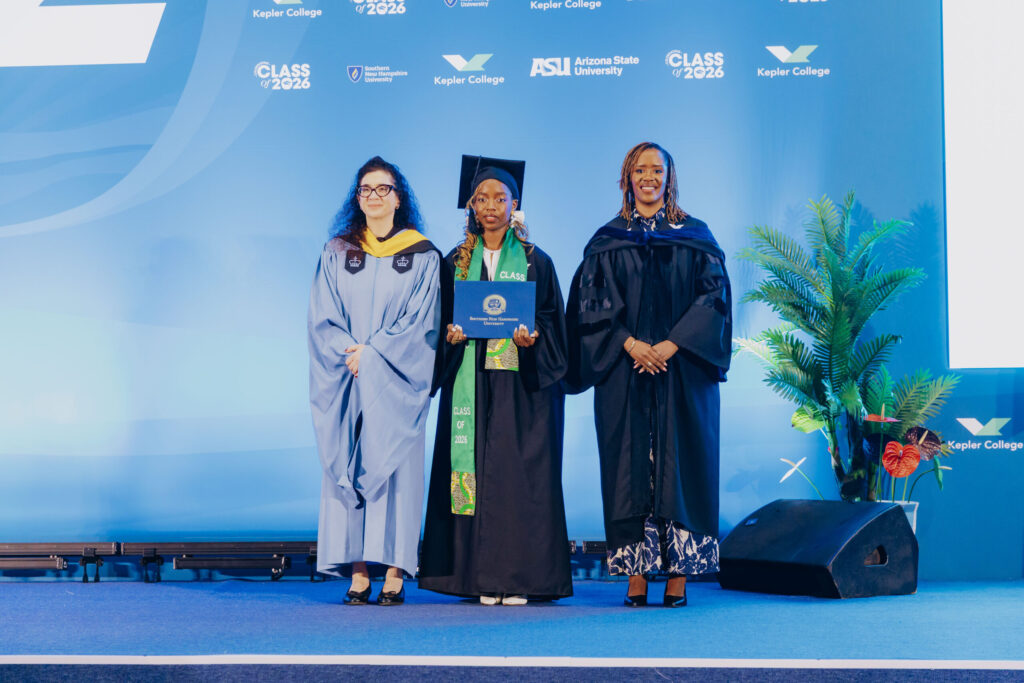
Irirenga Gaju Ingrid, Ruzibiza Umukundwa Linda and Yaravuze Syverson received Determination Awards, while Lygie Princess Irakoze was given the Resilience Award.
Auguste Dufitimana and Alexis Niyomugabo were recognized for their support to fellow students in the SNHU program and the 2026 Project Management cohort, respectively.