



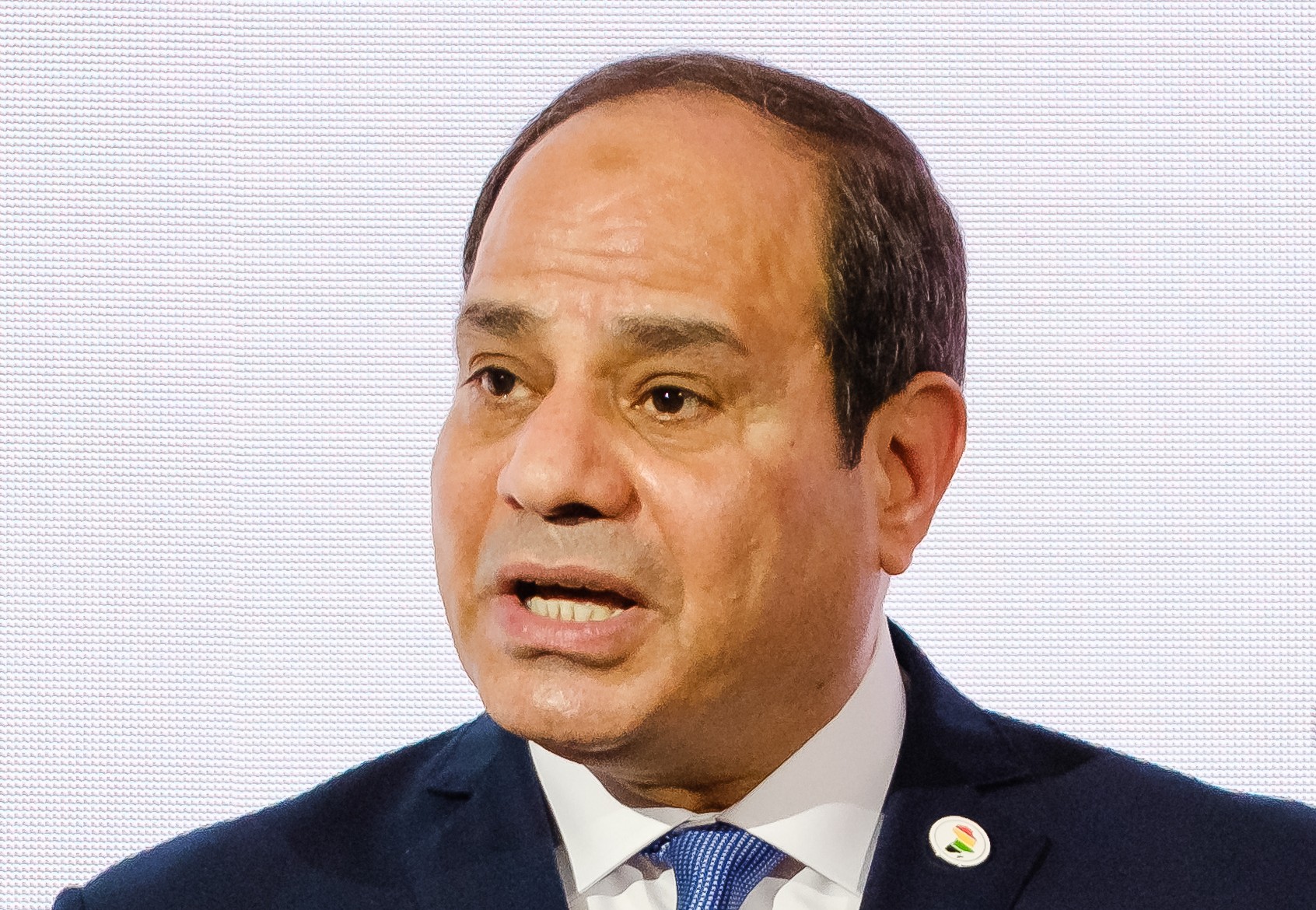
KIGALI – In a dramatic escalation of rhetoric to River Nile upstream nations and particularly Ethiopia over the Grand Ethiopian Renaissance Dam (GERD), Egyptian President Abdel-Fattah El-Sisi issued a stark and unambiguous warning this week.
He stated that anyone threatening Egypt’s water security is “mistaken” and that his country will never give up its share of the Nile, declaring, “that will never happen.”
The Nile River, the longest river in the world, is a vital lifeline shared by eleven countries in northeastern Africa. Its vast drainage basin covers about 10% of the continent and is a primary source of water and livelihood for over 257 million people.
The countries that form the Nile Basin are Rwanda, Burundi, the Democratic Republic of Congo (DRC), Egypt, Ethiopia, Eritrea, Kenya, South Sudan, Sudan, Tanzania, and Uganda.
The river’s two main tributaries, the White Nile and the Blue Nile, originate in different regions; the White Nile’s sources are in the Great Lakes region, including Rwanda and Burundi, while the Blue Nile begins its dramatic journey in the highlands of Ethiopia.
These two mighty rivers converge in Khartoum, Sudan, to form the main Nile that flows north through the deserts of Sudan and Egypt before emptying into the Mediterranean Sea.
The fiery comments by the Egyptian leader, delivered during a joint press conference in Cairo on Tuesday alongside Ugandan President Yoweri Museveni, have sent shockwaves through the region.
El-Sisi framed the dispute as an “existential threat” and signaled that Egypt is prepared to take all necessary measures under international law to protect its water, raising the specter of conflict over the nearly-completed Ethiopian mega-dam.
“Anyone who imagines that Egypt will turn a blind eye to an existential threat to its water security is mistaken,” El-Sisi warned, in a direct message to Addis Ababa. “Giving up any part of it would mean giving up our life.”
The president’s bellicose tone comes after a decade of failed negotiations and Ethiopia’s unilateral actions.
Between 2020 and 2024, Ethiopia completed the five-stage filling of the GERD and began power generation without a binding agreement with downstream Egypt and Sudan. With the dam’s official inauguration planned for next month, Cairo has drawn a firm red line.
The Diplomatic Carrot and Stick
While his warnings were sharp, El-Sisi’s strategy appeared two-pronged. Alongside the threats, he extended a hand of cooperation to other Nile Basin countries, using Uganda’s visit to showcase Egypt as a willing development partner—so long as its water supply remains untouched.
He reiterated that Egypt has never opposed development in the basin, drawing a sharp distinction between the total water available in the basin (1,600 billion cubic meters) and the fraction that historically flows downstream (about 85 billion cubic meters).
“We have never talked about a fair distribution of all 1,600 billion cubic meters,” he asserted. “We are talking only about the remaining.”
To back his words, El-Sisi:
- Pledged $100 million in initial funding for the Angololo Dam project between Uganda and Kenya.
- Announced a new $6 million agreement for integrated water resource management with Uganda.
- Witnessed the signing of several other MoUs on agriculture, investment, and diplomatic cooperation.
This diplomatic push is seen as an attempt to build alliances and isolate Ethiopia, portraying Egypt as a constructive force while simultaneously warning of severe consequences for any encroachment on its historical water rights.
A Nation on the Brink of Water Poverty
President El-Sisi passionately described Egypt’s unique and desperate reliance on the river.
“Those who have rain will never feel what it is like for those who do not,” he said, reminding his audience that Egypt is a “garden with no other water source.”
Egypt’s annual water needs already exceed 90 billion cubic meters, while its Nile share is just 55.5 billion. With a population of 105 million citizens and nearly 10 million “guests,” the country’s per capita water availability is less than 500 cubic meters a year—well below the 1,000 cubic meter threshold for water poverty defined by the United Nations.
As the region holds its breath, El-Sisi’s final words from the press conference continue to resonate: “I reassure Egyptians that we will never allow the waters that sustain 105 million Egyptians and about 10 million guests to be touched.”
El-Sisi expressed hope that the seven-nation committee led by Uganda would reach a consensus to ensure the benefit of all basin countries.
This committee is part of the Nile Basin Initiative (NBI) and engages with countries that have not yet ratified the Cooperative Framework Agreement (CFA), also known as the “Entebbe Agreement.”

1 comment
Nile is the substantial existential for all Nile basin countries to utilize in sustainable and equitable way as per international laws.There is no historical right only for Egypt and Sudan for Lion sharing of the river with zero (0) contribution of flow to the river leaving none share for the others especially Ethiopia Which contributes 85% of Blue Nile river flow.Egypt should not go around the bushes wasting their time,better to support the green legacy which is planting trees for sustainable flow of the river and increasing the rain water to the flow and environmental protection.Egypt has other sources of waters in ground and the abundant Mediterranean sea if the worst case appeared.Ethiopian has the to construct dams for it’s development utilizing the river with no significant impact in downstream countries with equitable rights.
Comments are closed.