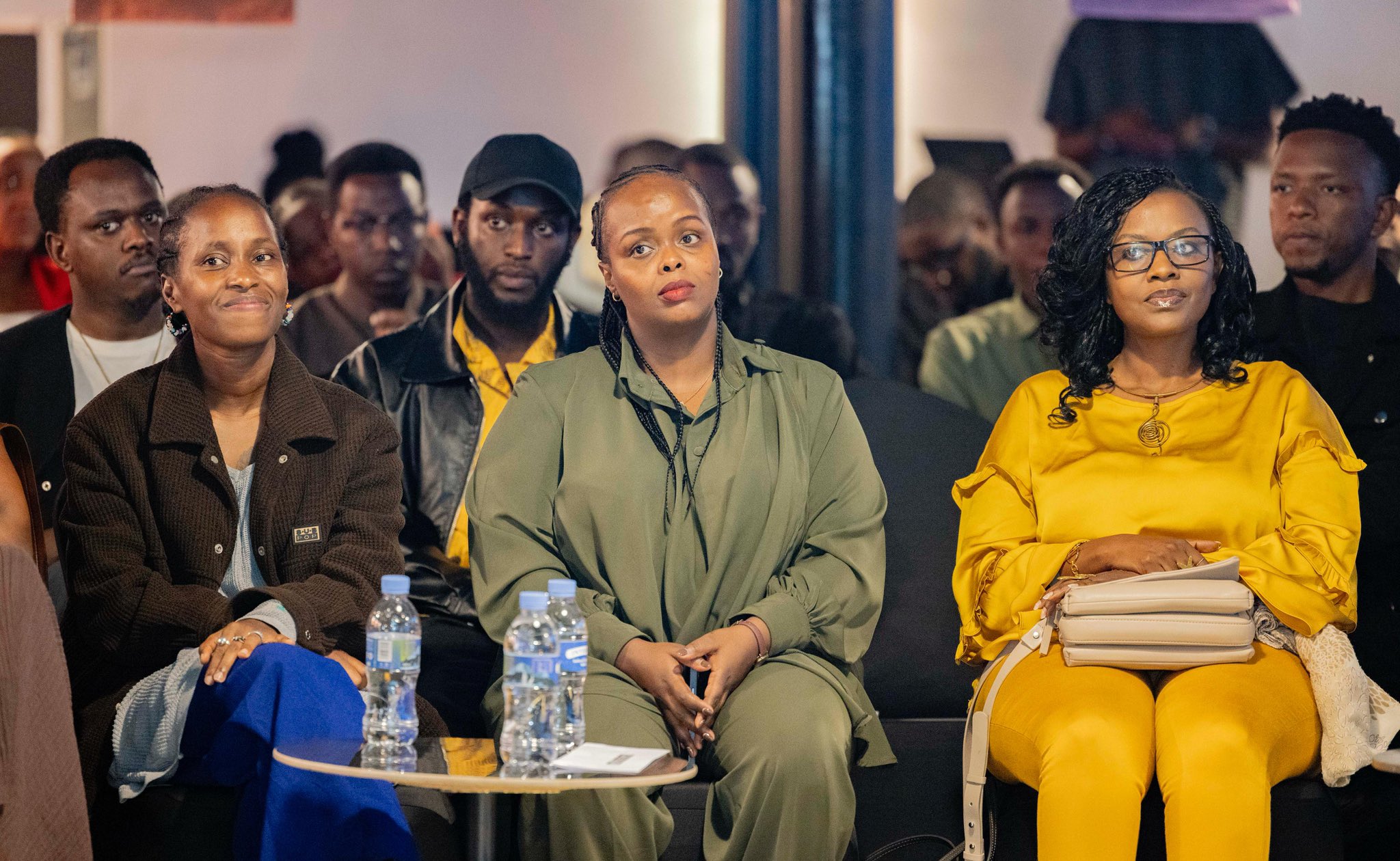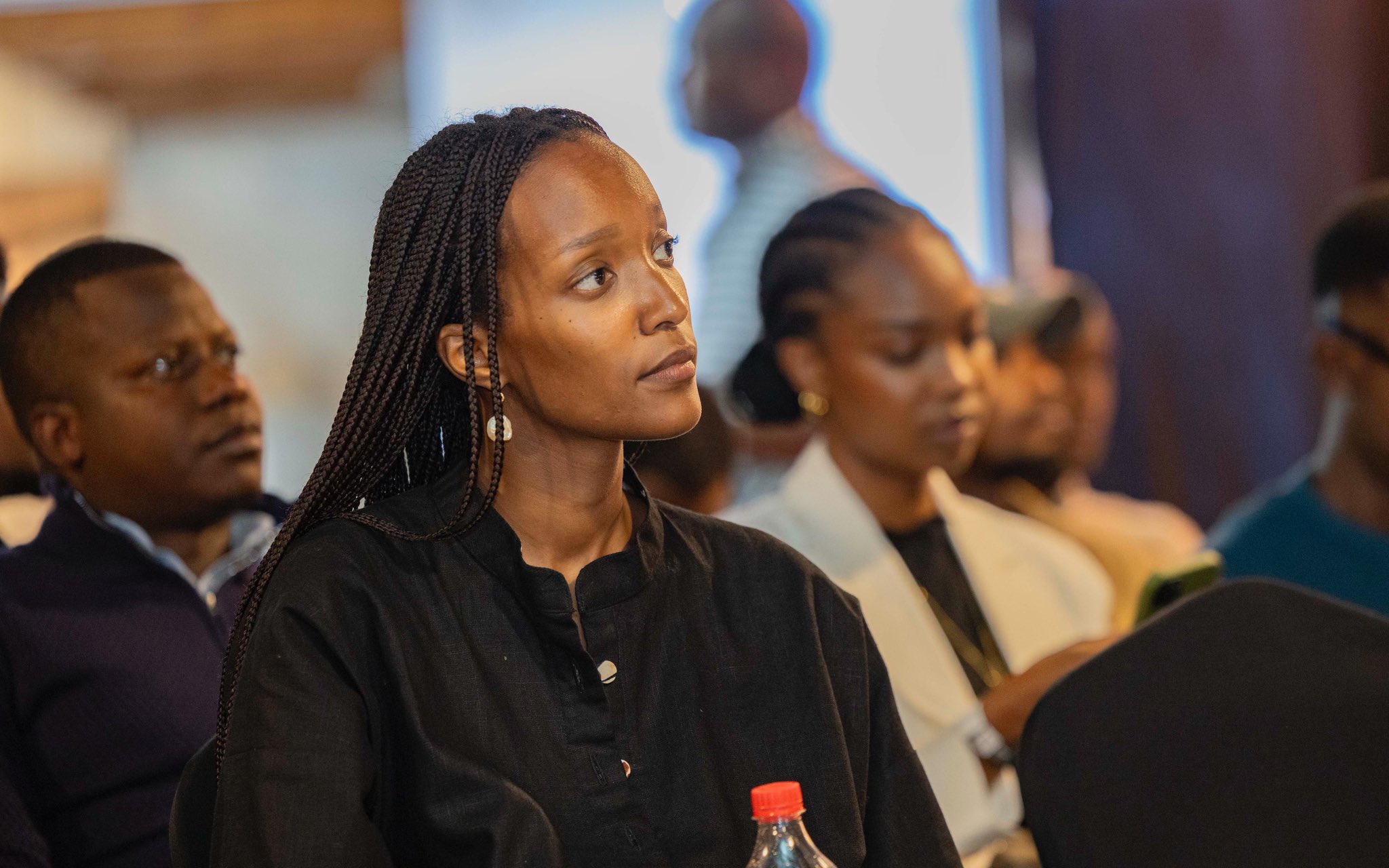




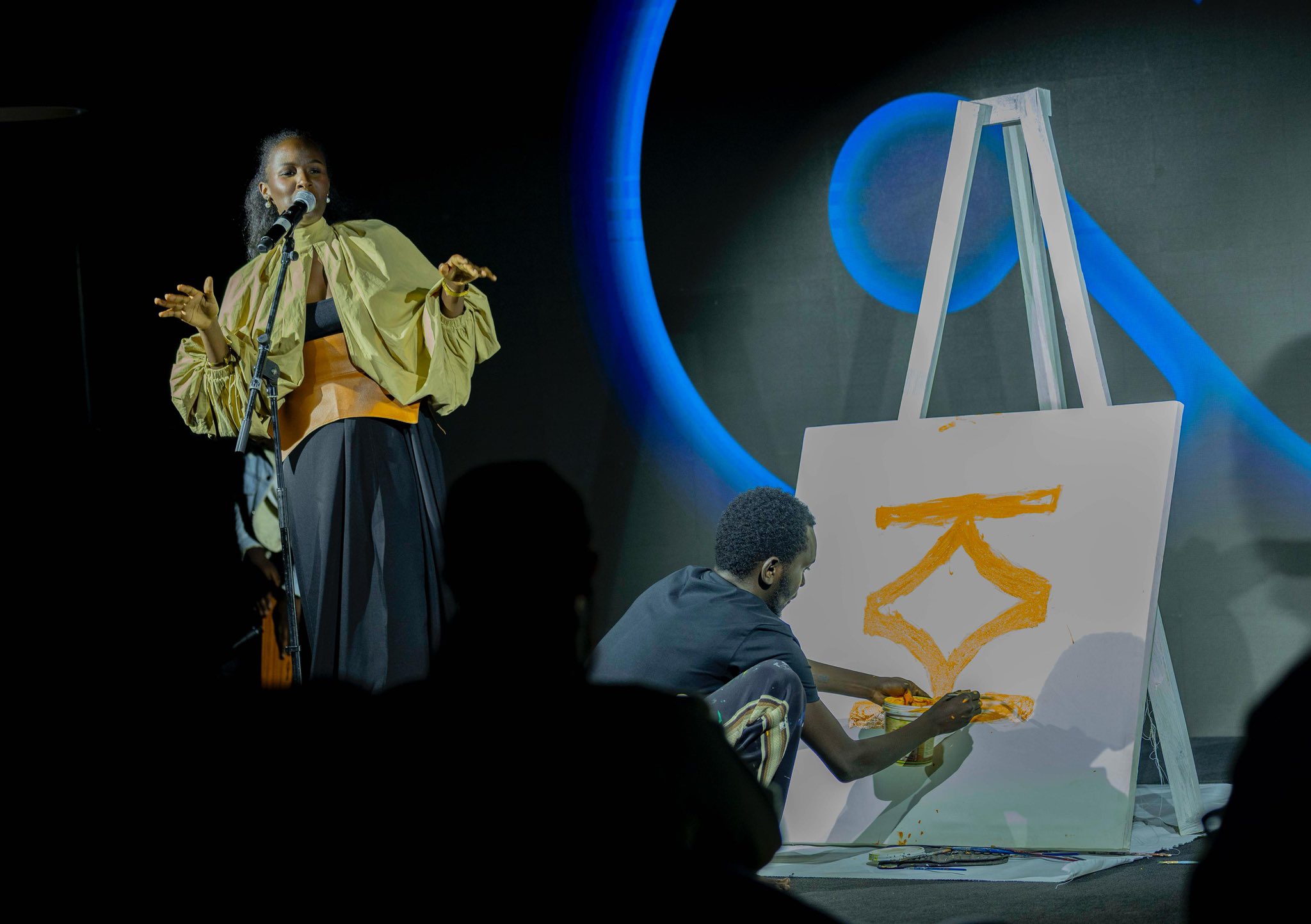
On a breezy rooftop overlooking central Kigali on Tuesday evening, a bank did something unusual: it handed the microphone — and part of the blueprint — to the very people it intends to finance.
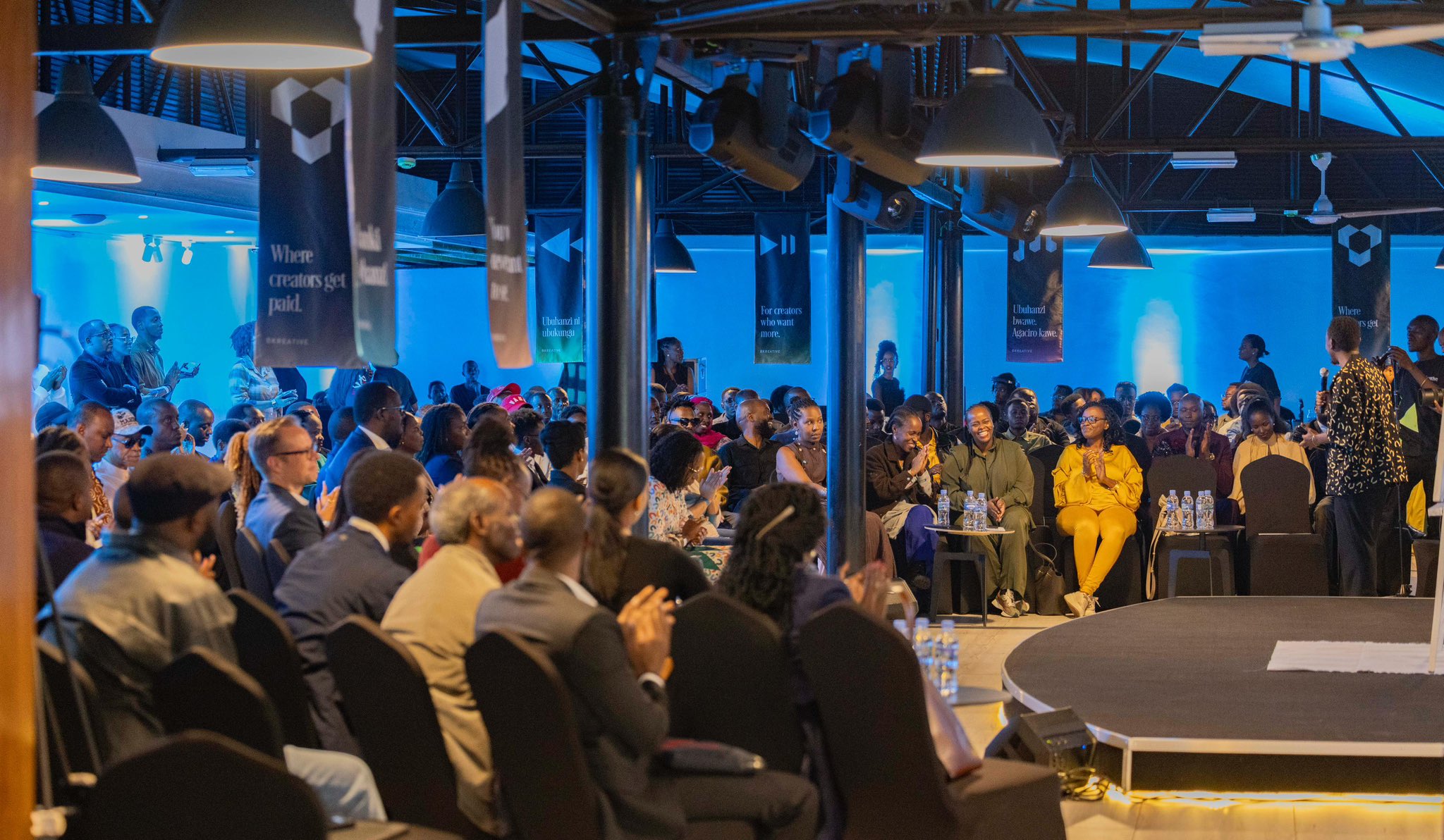
At the Kigali Public Library rooftop, Bank of Kigali officially launched BKreative, a long-term financing platform for Rwanda’s creative economy, in partnership with the Ministry of Youth and Arts and the BK Foundation.
But unlike many financial products unveiled in polished boardrooms, this one was shaped, executives said, through months of conversations with artists, designers and performers themselves.
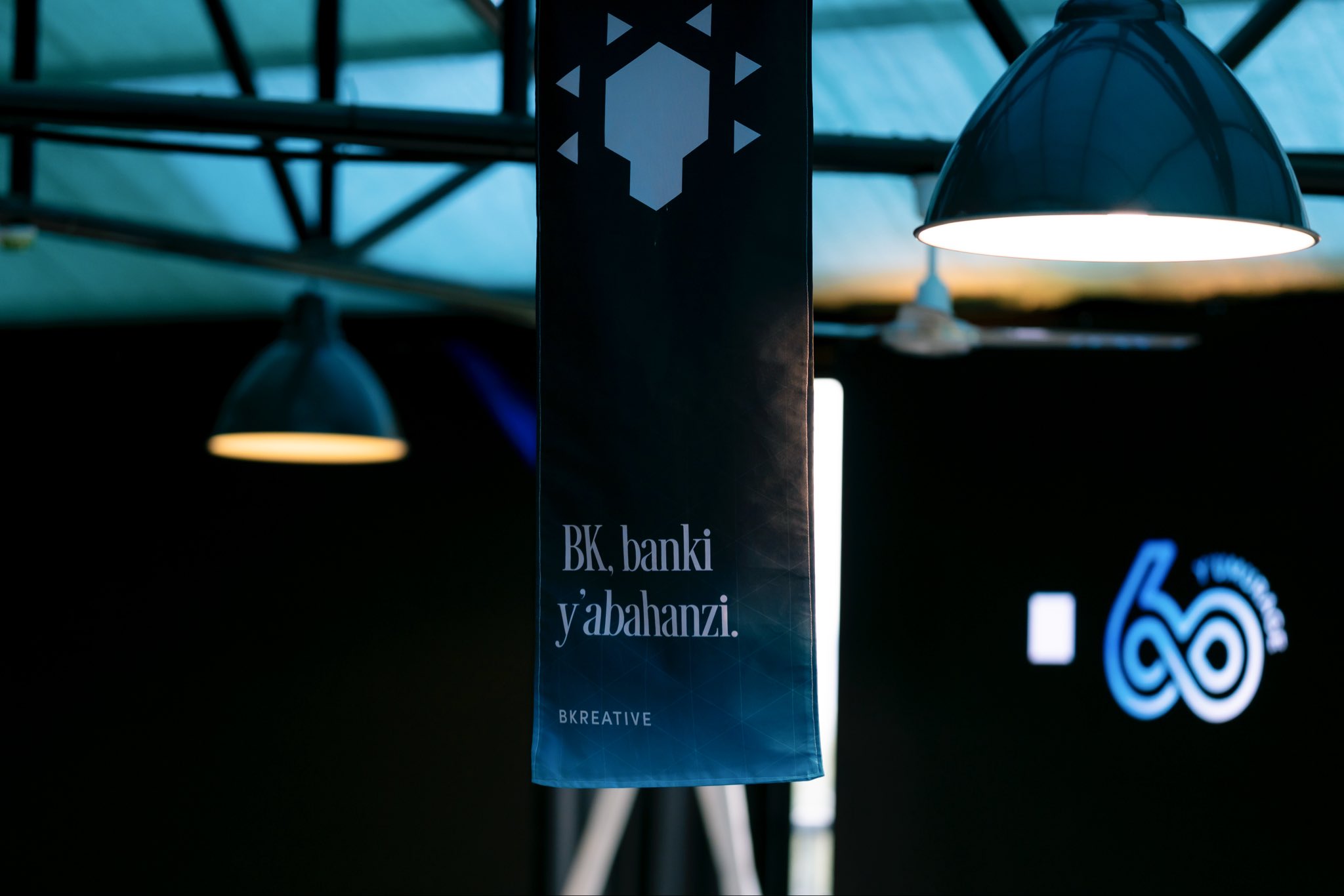
The slogan hanging above the stage read: “BKreative – For Creators Who Want More.” Another banner, in Kinyarwanda, declared: “BK, banki y’abahanzi” — BK, the bank of artists.
“Creativity Is an Economy”
In her remarks, the bank’s CEO, Dr Diane Karusisi, framed the initiative not as corporate philanthropy but as economic strategy.
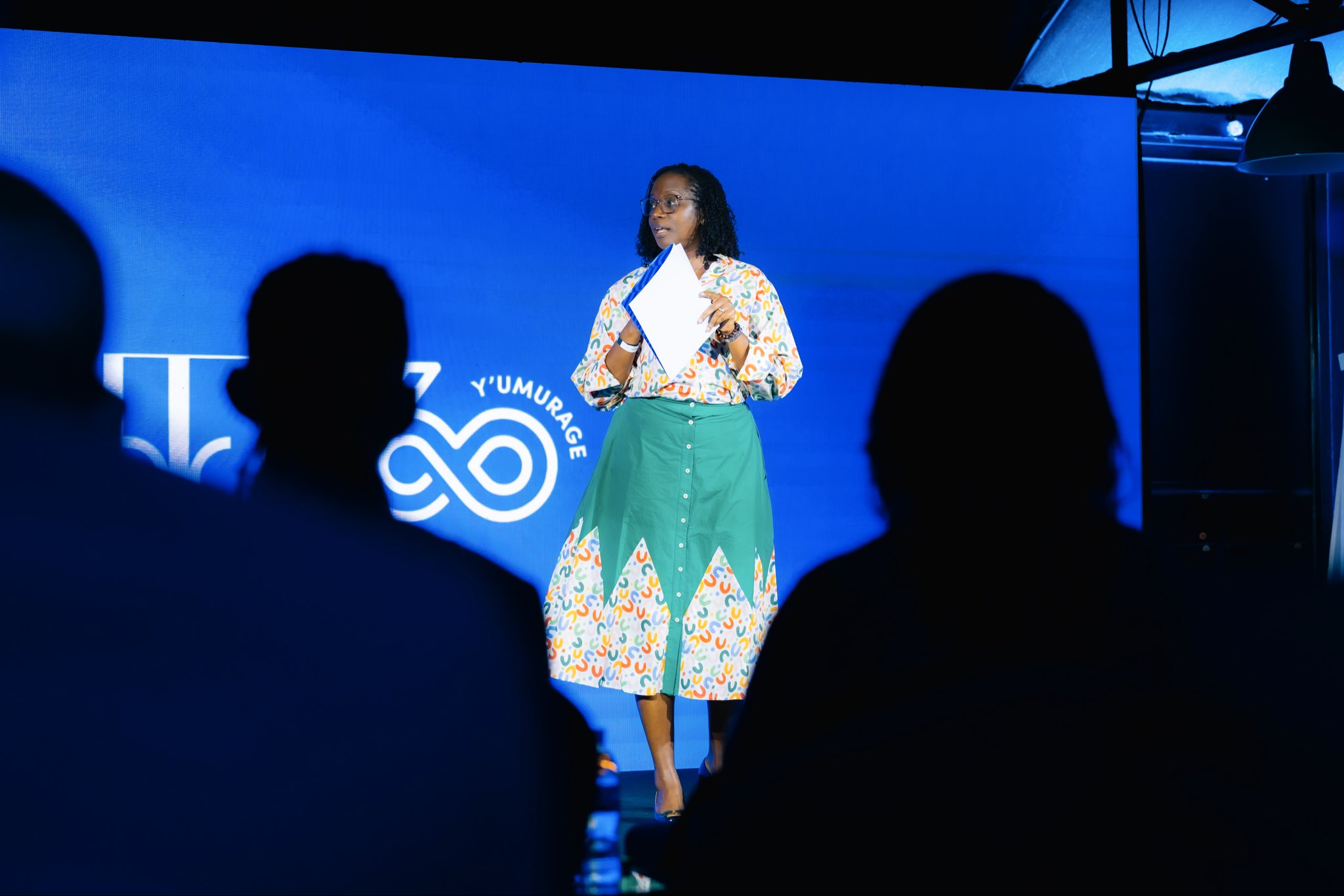
BK CEO, Dr Diane Karusisi speaking at the occasion
She spoke of the structural challenges facing Rwanda’s creative sector — irregular incomes, project-based work, limited collateral and a mismatch with conventional loan structures — and argued that the country could not afford to treat creativity as a side activity.
Creativity, she said, is an economy.
BKreative, she explained, is designed as financial infrastructure tailored to that reality: flexible loan facilities, products structured around project cycles rather than monthly salaries, and non-financial services including financial literacy and business development support.
Exact loan ceilings, interest rates and eligibility criteria were not publicly detailed at the launch and are expected to be rolled out through the bank’s channels in the coming weeks.
But executives described a “diversified suite” of solutions scalable from emerging artists to established studios.
A Bottom-Up Design
If the speeches emphasized economics, the evening’s most symbolic moment underscored participation.
In early February, the bank issued a national open call inviting Rwandan designers to create the official BKreative logo and visual identity system.
The name “BKreative” was fixed. Everything else was open to interpretation.
The competition closed on Feb. 18 with a total prize pool of Rwf 10 million.
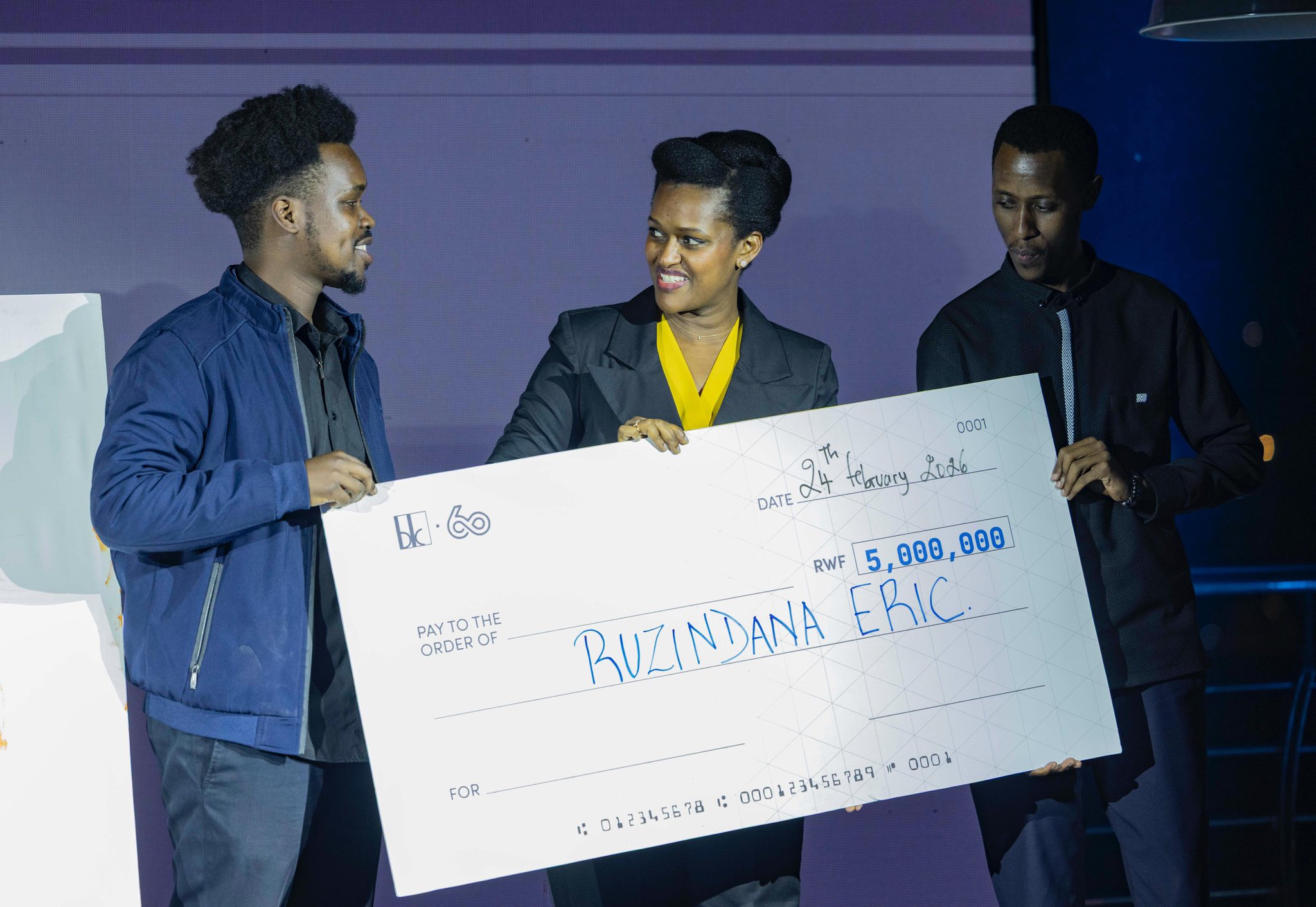
Minister of State for Youth and Arts, Sandrine Umutoni, recognized the winner
On Tuesday night, the winners were unveiled: the First prize of Rwf 5 million was scooped by Ruzindana Eric, the First runner-up spot of Rwf 3 million went to Ntwali Irakoze, whereas Ann Uwababyeyi carried home the Second runner-up – winning herself Rwf 2 million.
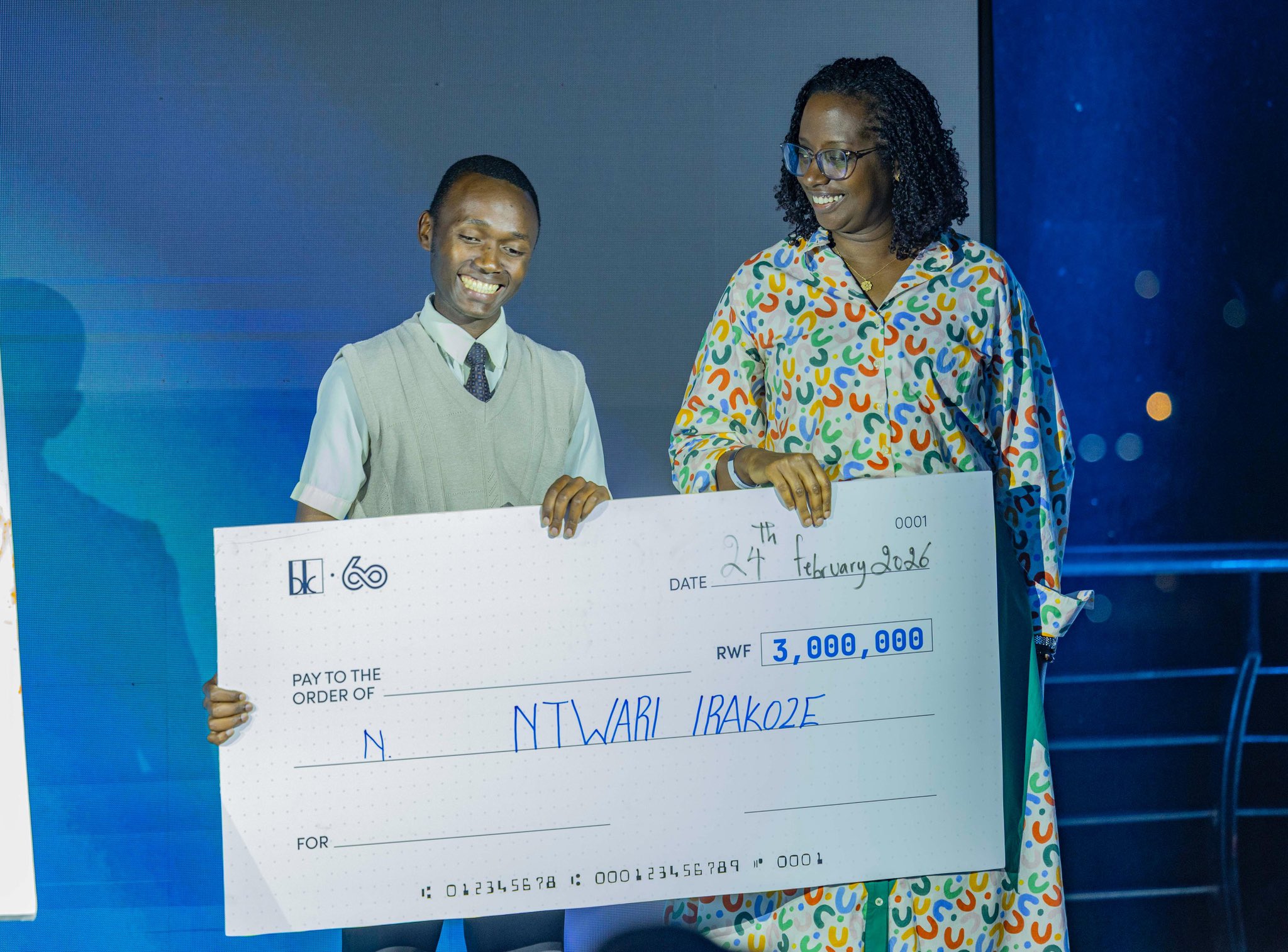
BK CEO Dr Diane Karusisi awarded the 1st runner-up
All three are young Rwandan creatives — a detail not lost on the audience. The winning design will now become the official branding of the platform nationwide.
The message was clear: the scheme is not only for creatives; it is partially authored by them.
Government and Industry
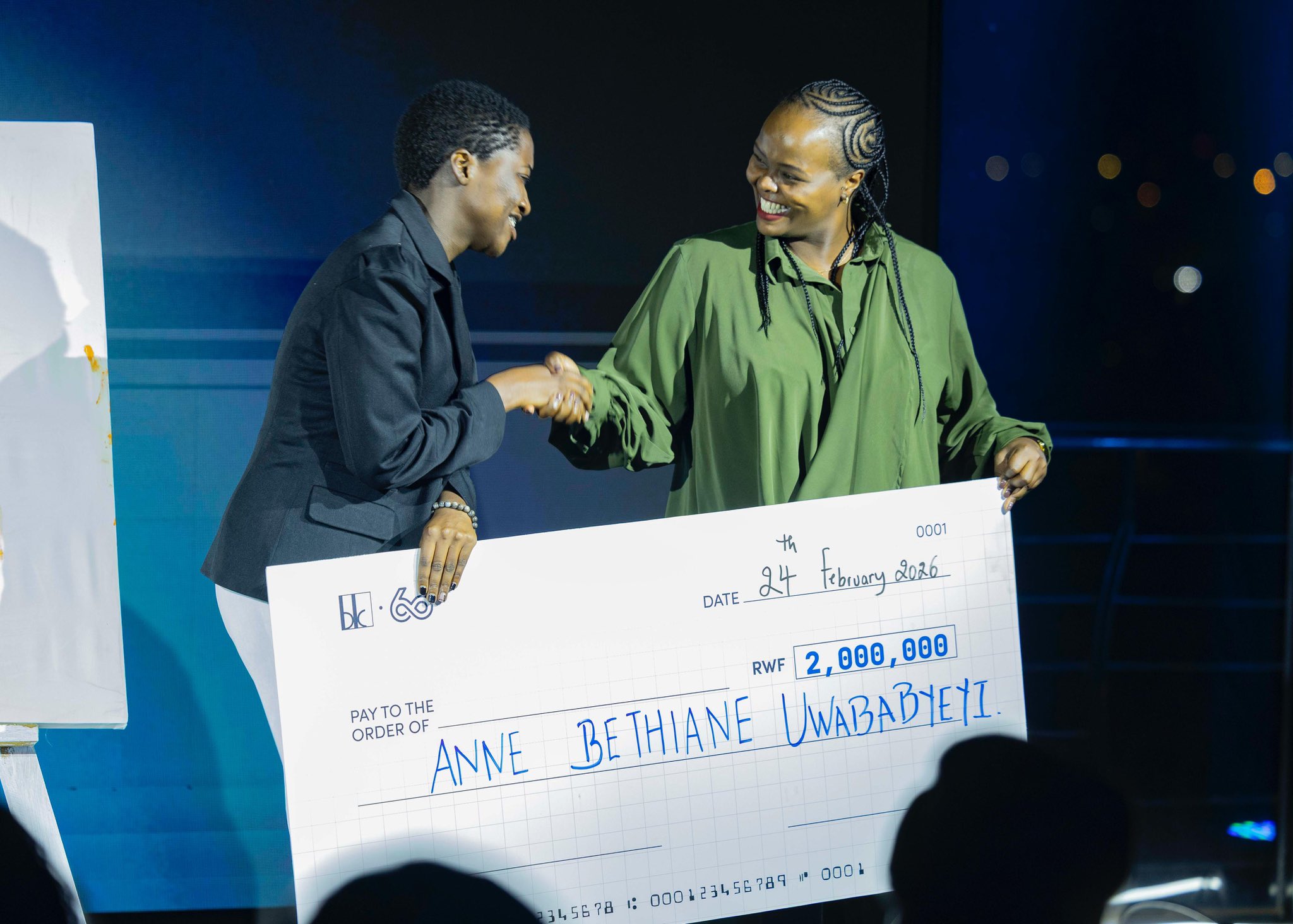
Ingrid Karangwayire, Executive Secretary of BK Foundation, delivered the 2nd runner-up cheque
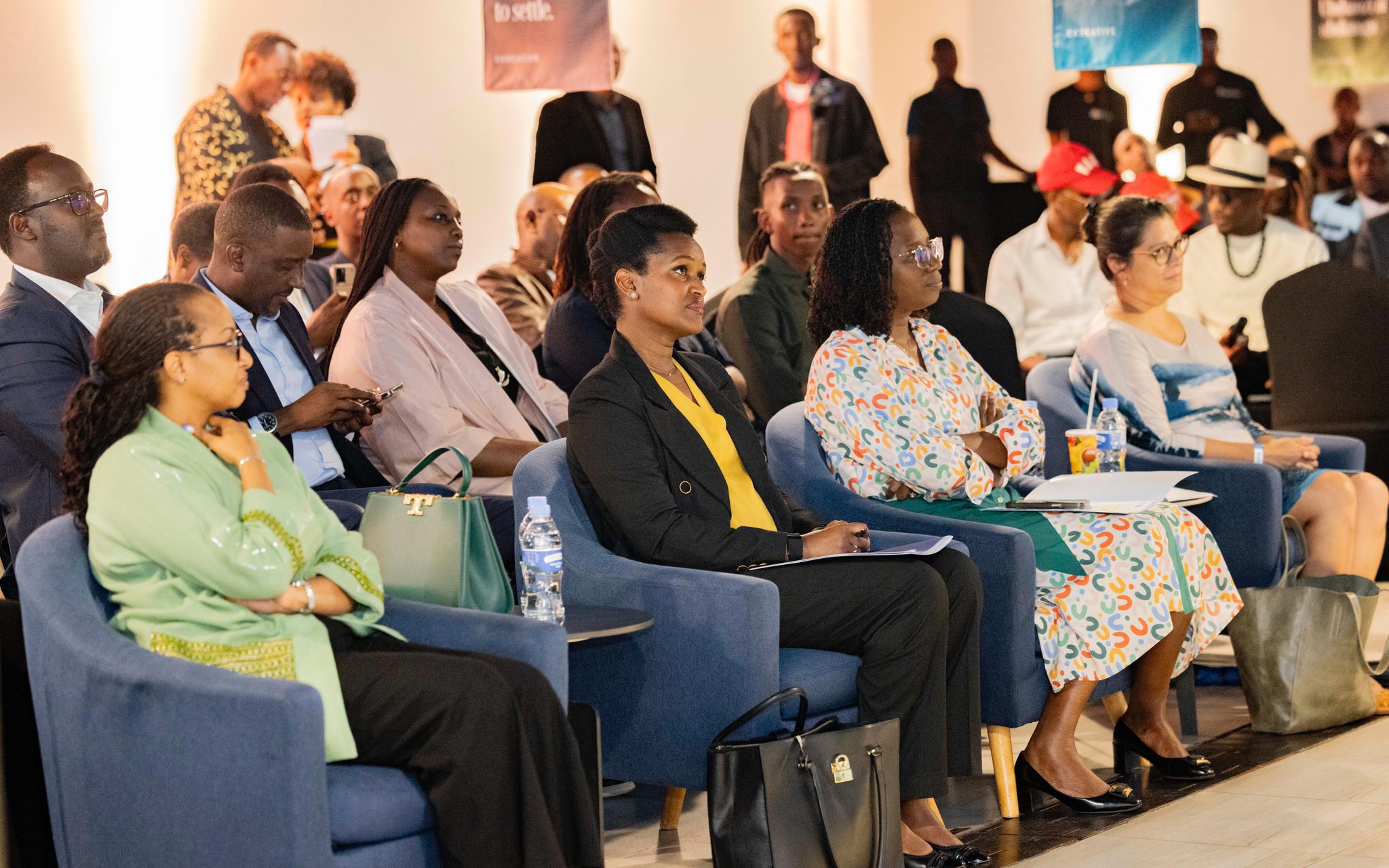
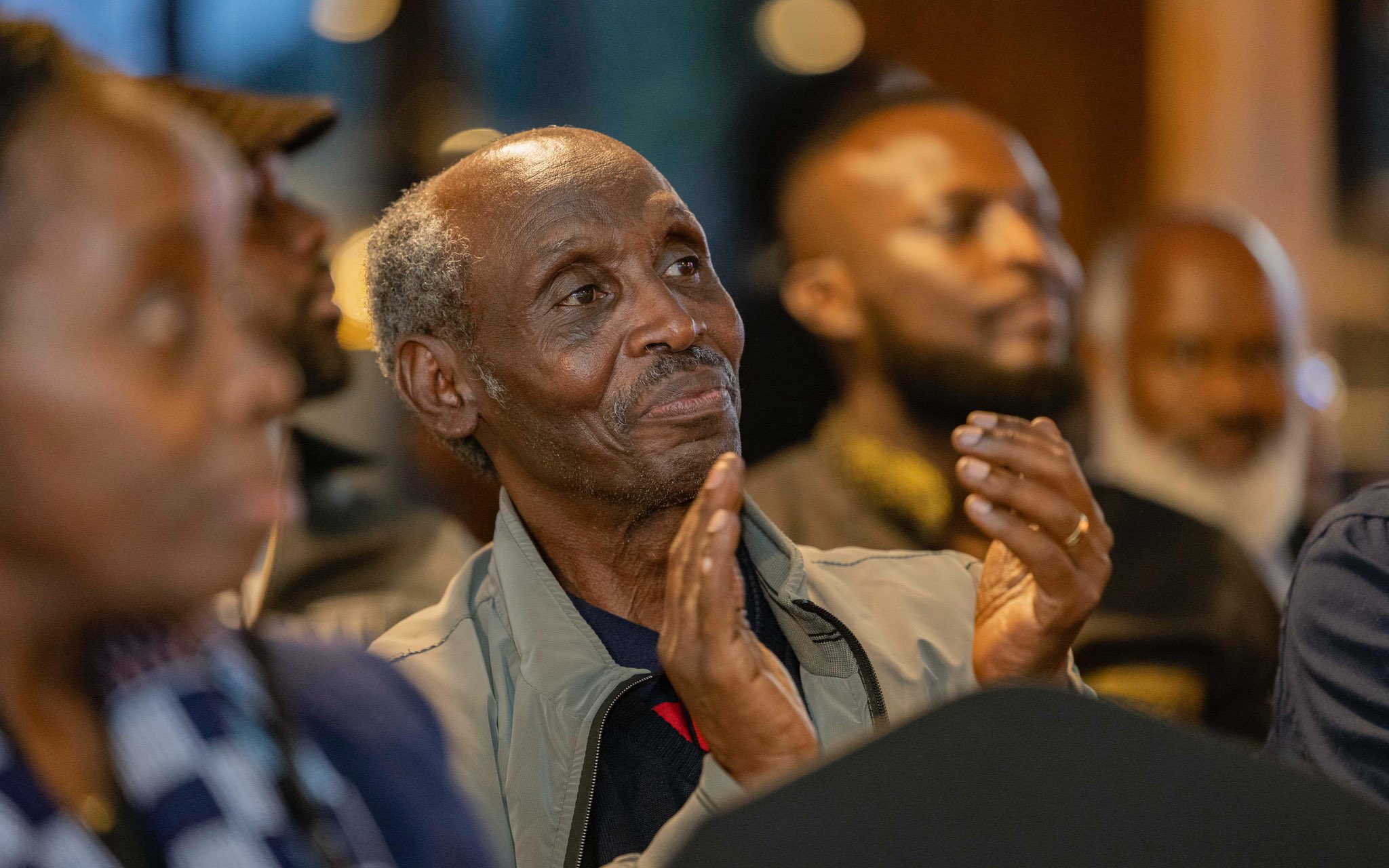
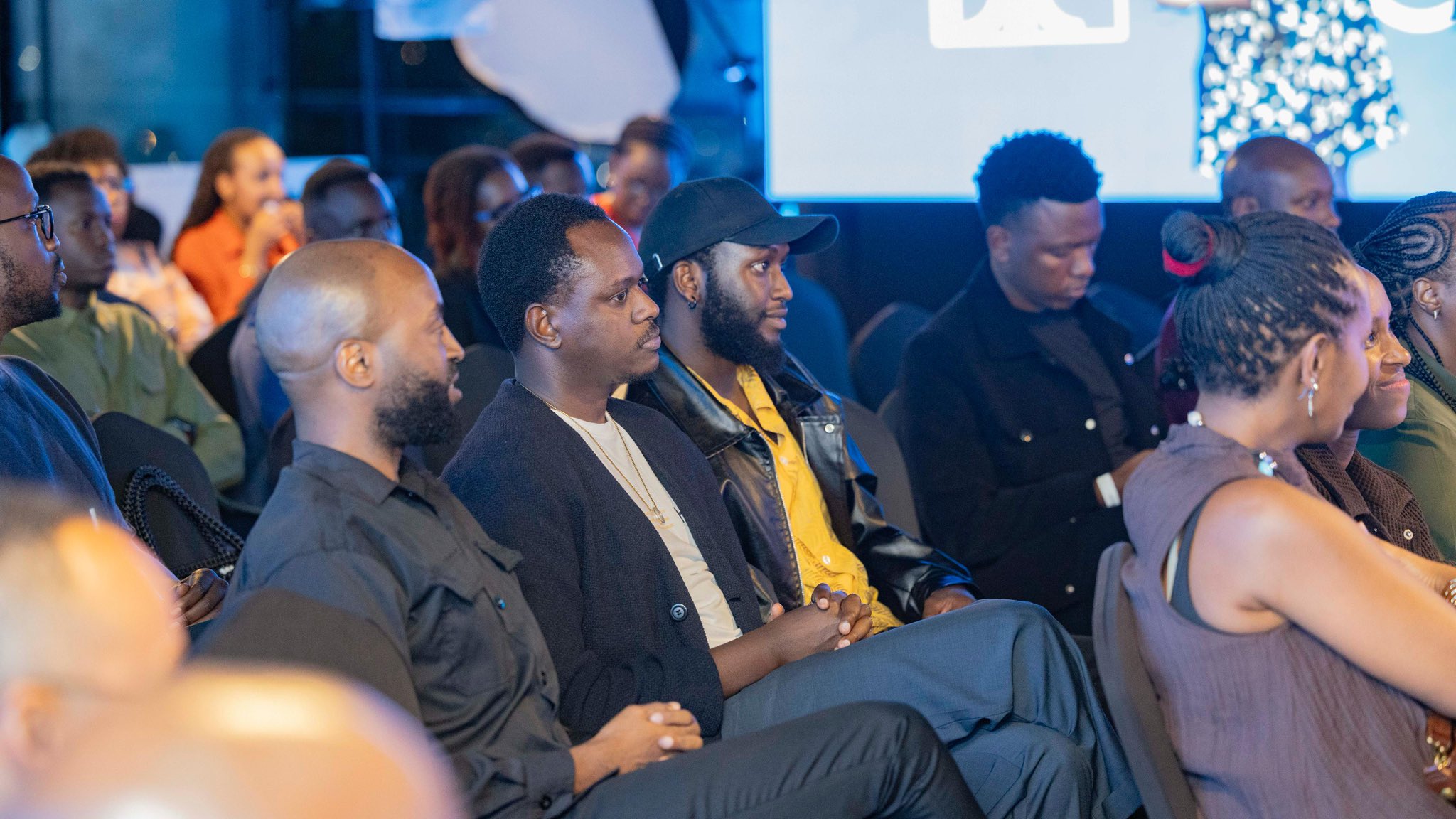
The launch drew senior figures from both finance, government, and a cross-section of musicians, designers and cultural entrepreneurs.
The Minister of State for Youth and Arts, Sandrine Umutoni, was the guest of honour. She thanked Bank of Kigali “for trusting the creative economy” and urged other development partners to contribute “to strengthen this sector and boost GDP”.
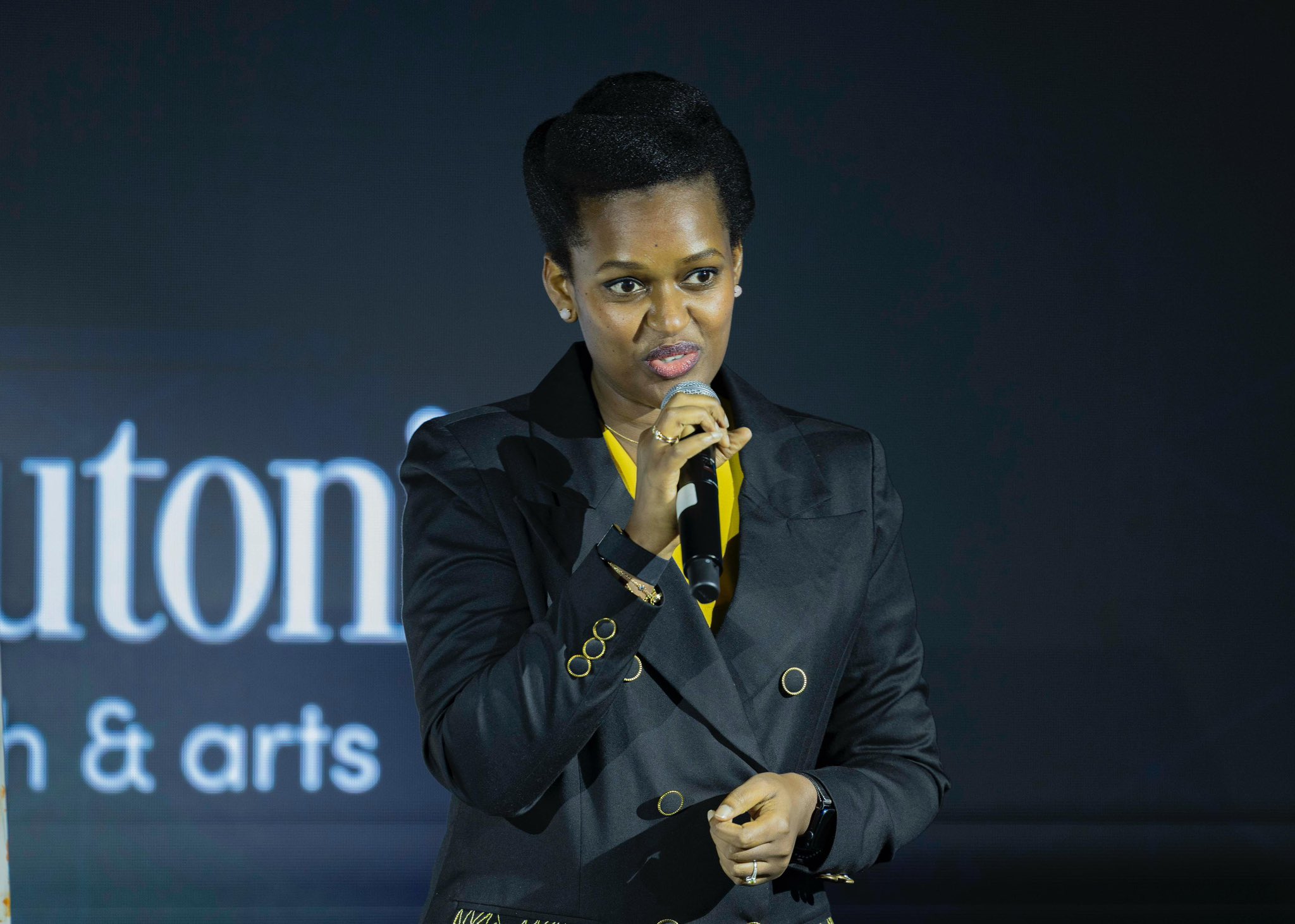
She highlighted that this is the right time to unlock the sector’s potential, noting that its success depends on the people driving it and the support around them.
A panel discussion brought industry voices into direct dialogue with bankers, exploring how finance and creativity could collaborate for sustainable growth rather than episodic sponsorship.
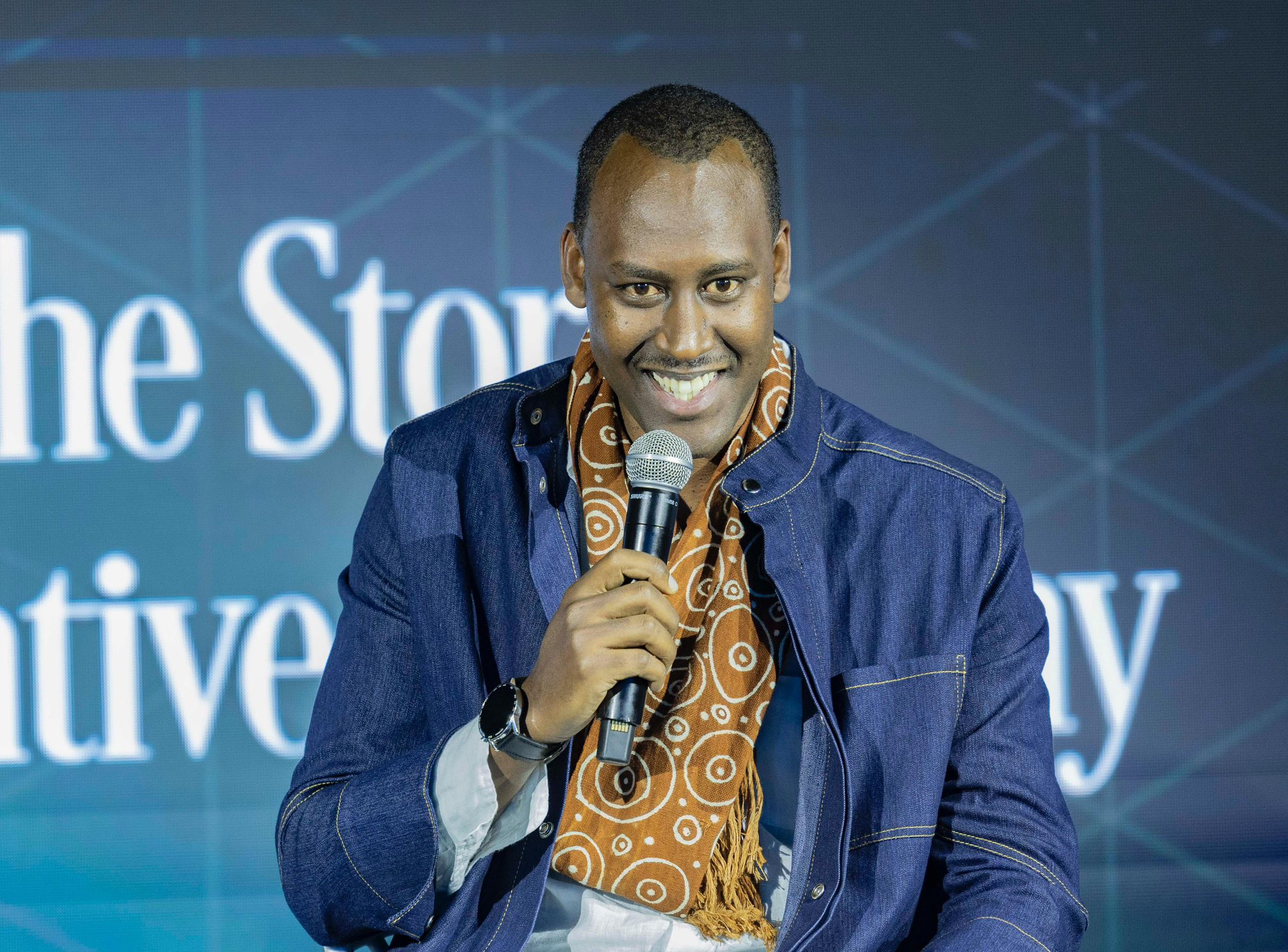
Among the speakers was the prominent artist Kivumbi King, who addressed what he described as the practical needs of the industry — access to capital, structured support and pathways to monetize creative work without compromising artistic integrity.
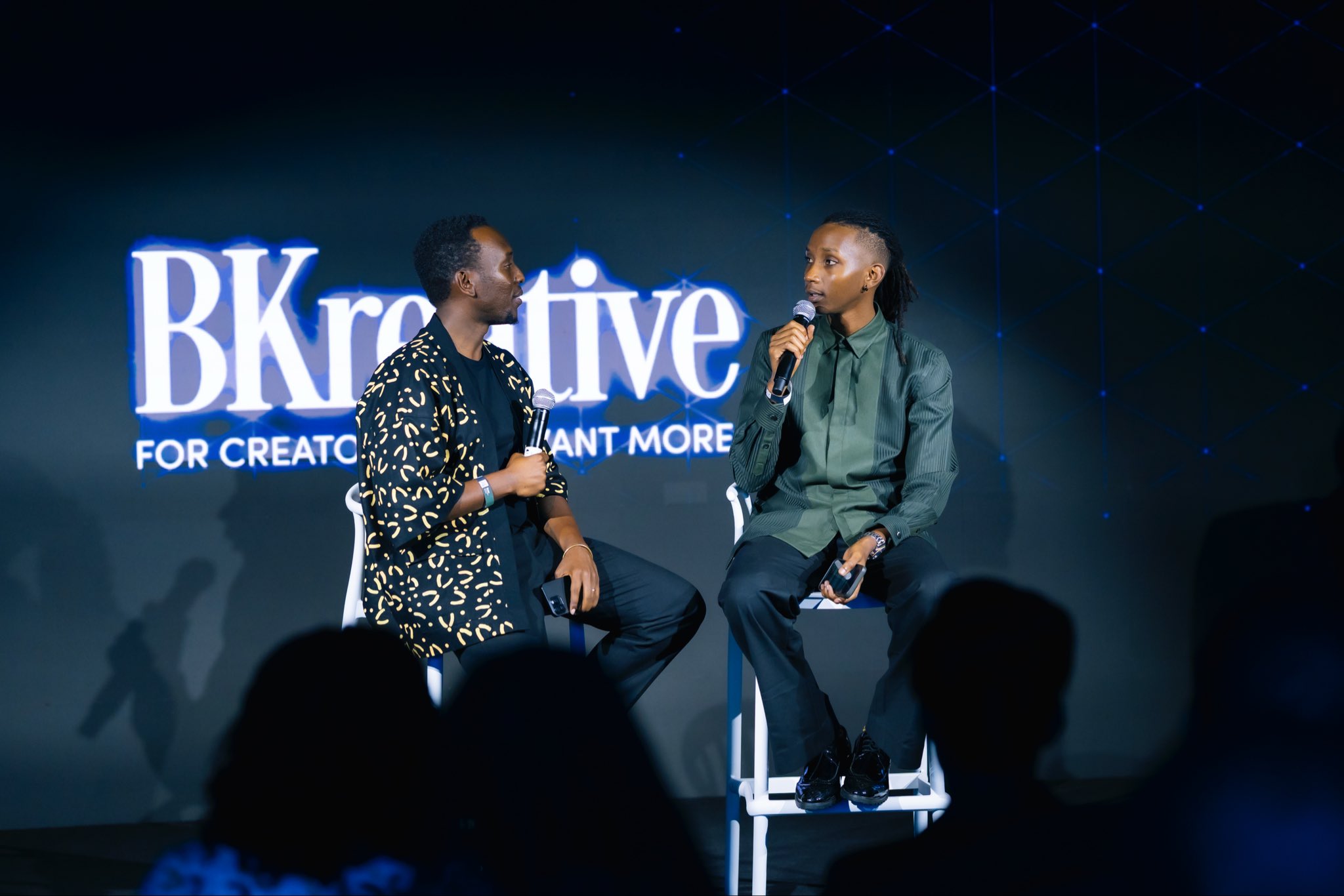
The Youth ministry described BKreative as an initiative that will help artists “access finance and monetize their creations,” reinforcing the government’s broader ambition to position culture and creative production as a serious economic pillar.
More Than a Campaign
BKreative is being positioned as a long-term platform rather than a short-lived promotional program. It forms part of the bank’s BK@60 anniversary activities but executives emphasized continuity beyond celebration.
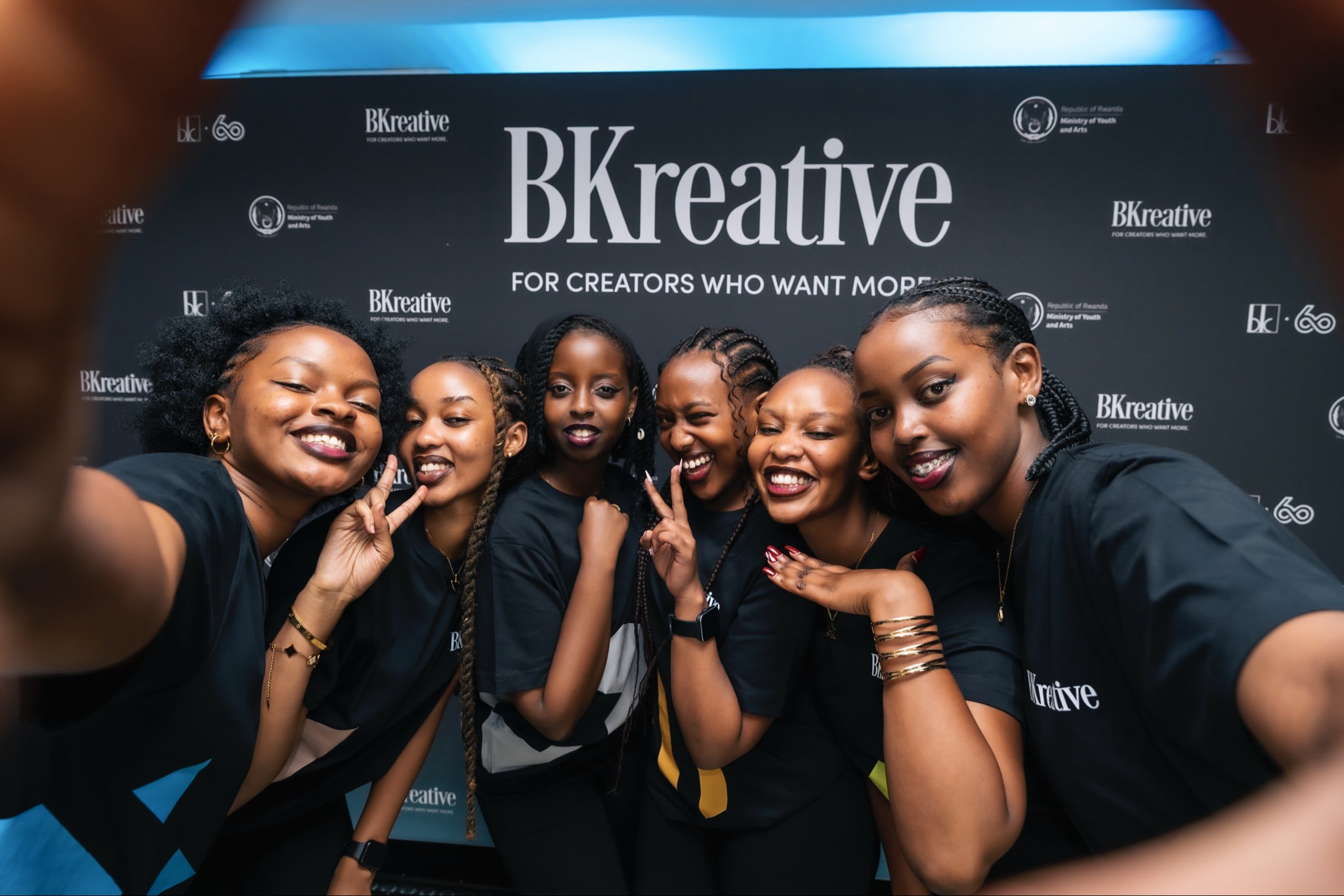
For Rwanda — a country that has invested heavily in technology, entrepreneurship and youth employment — the formal recognition of creatives as bankable economic actors marks a subtle shift.
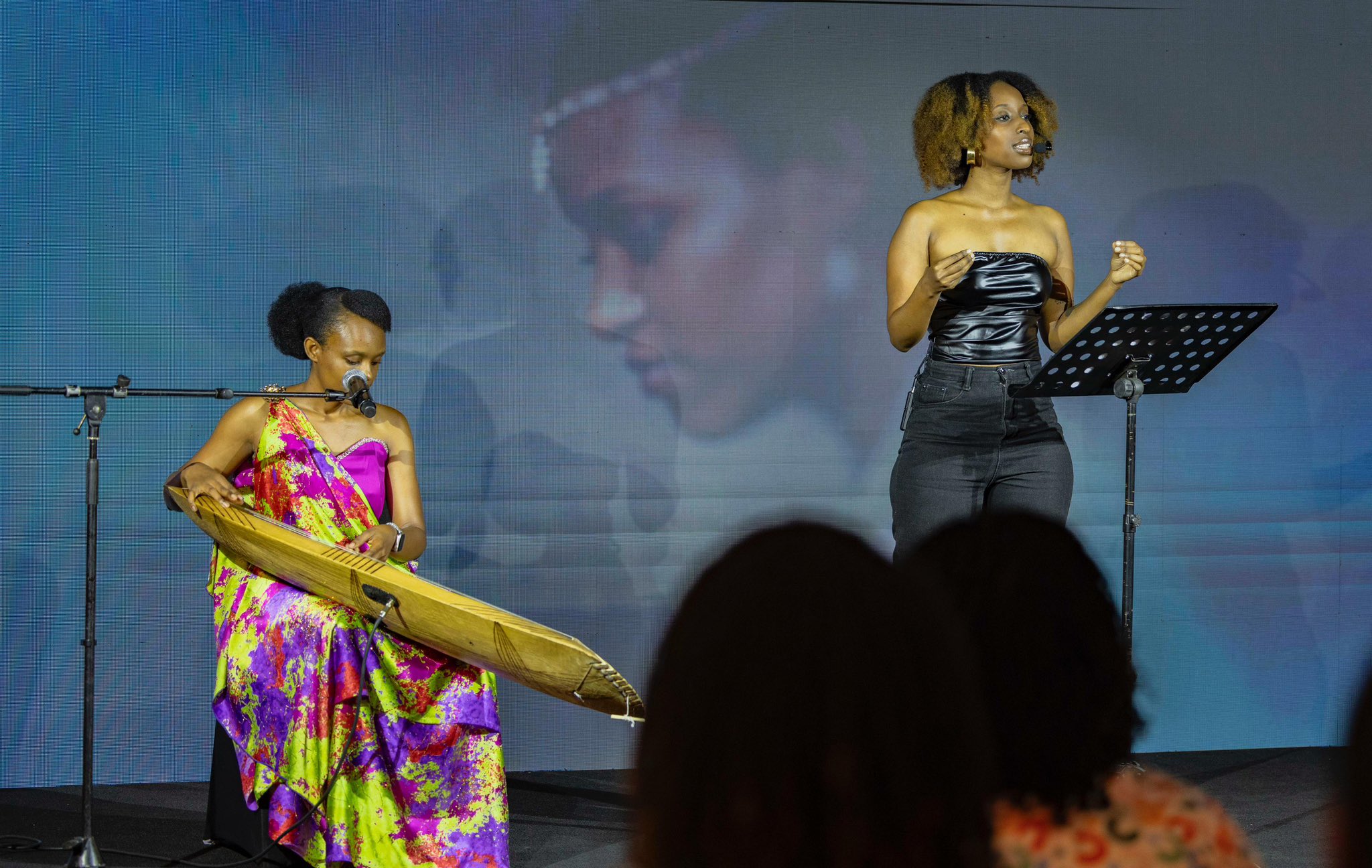
The rooftop setting, lit in corporate colors and alive with live performances, symbolized that shift: artists and executives mingling, not across a divide, but around a shared table.
If the promise holds, BKreative may test a broader proposition — that in a modern economy, the distance between a studio and a bank counter can be shortened, provided those inside the studio help design the counter itself.
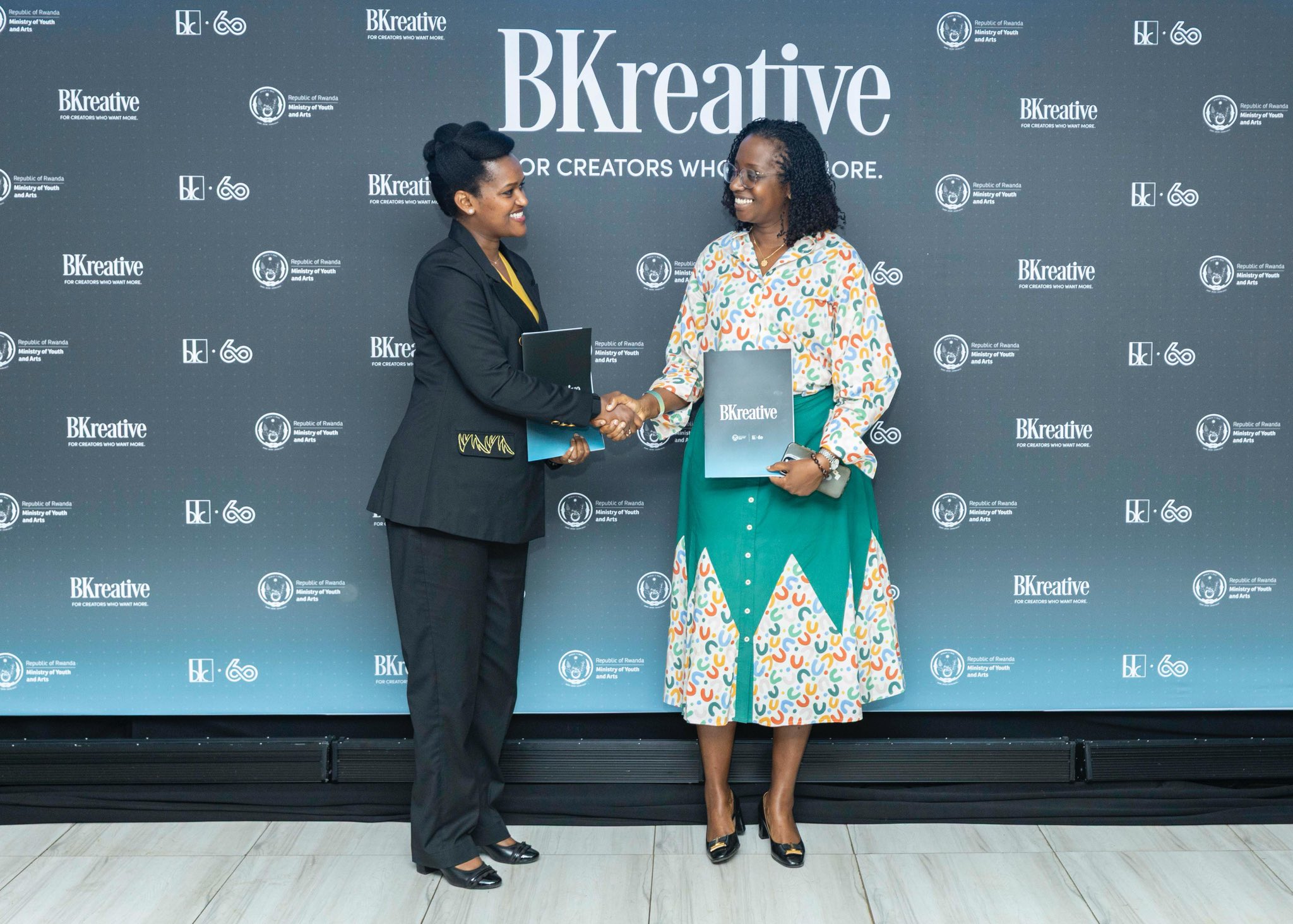
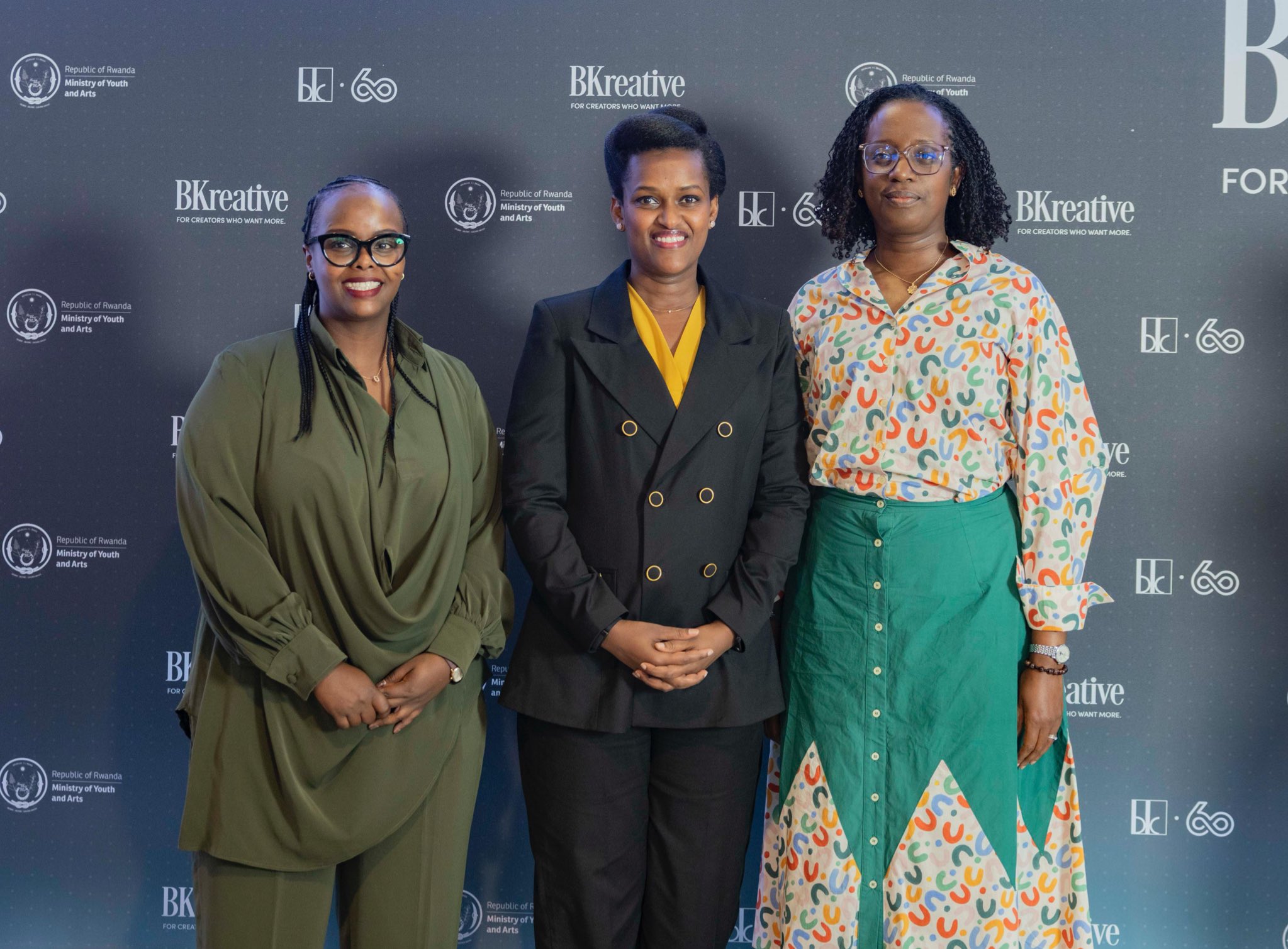
BKreative is born – Minister of State for Youth and Arts, Sandrine Umutoni, and BK CEO Dr Diane Karusisi unveiled a new financing scheme for the creative industry