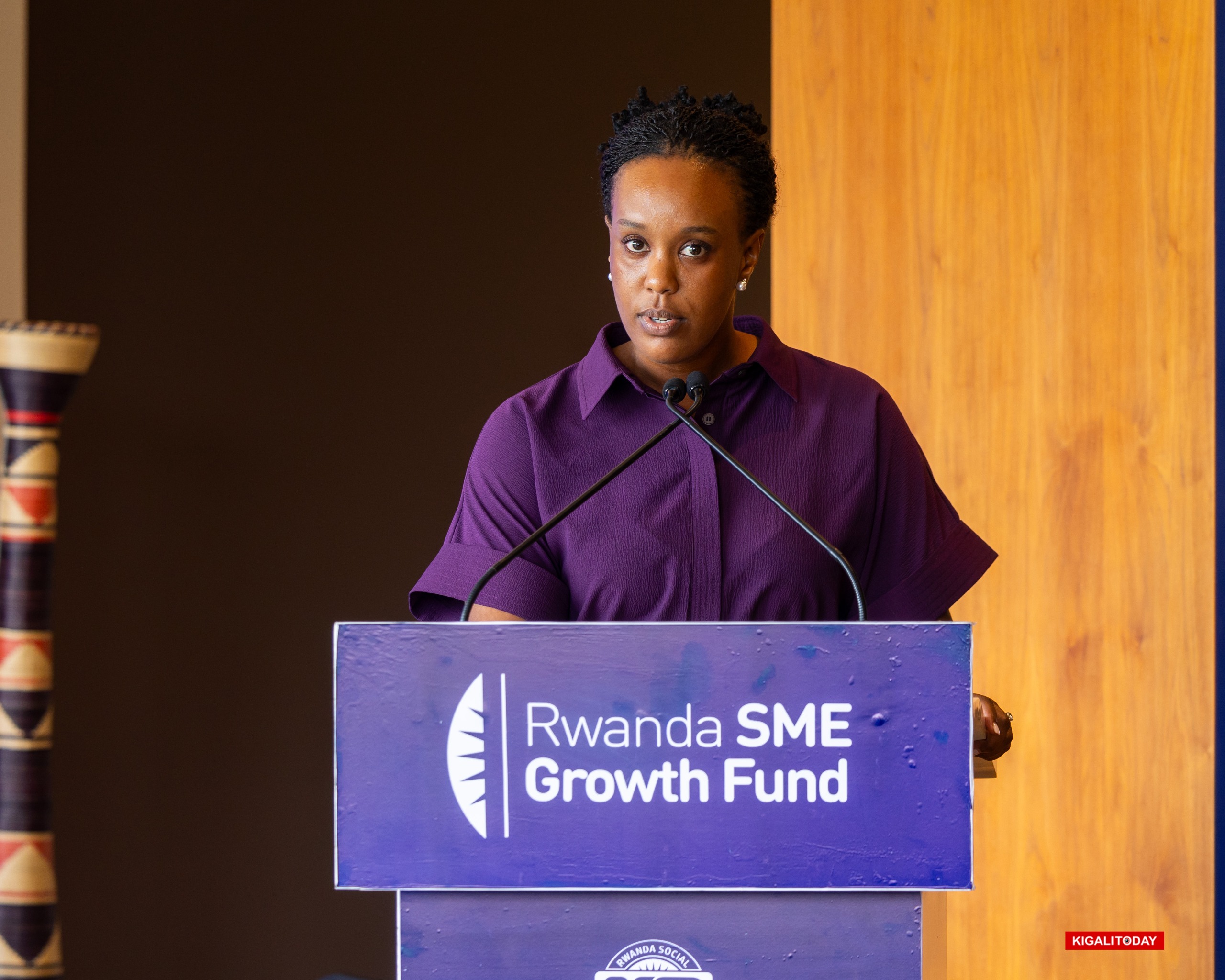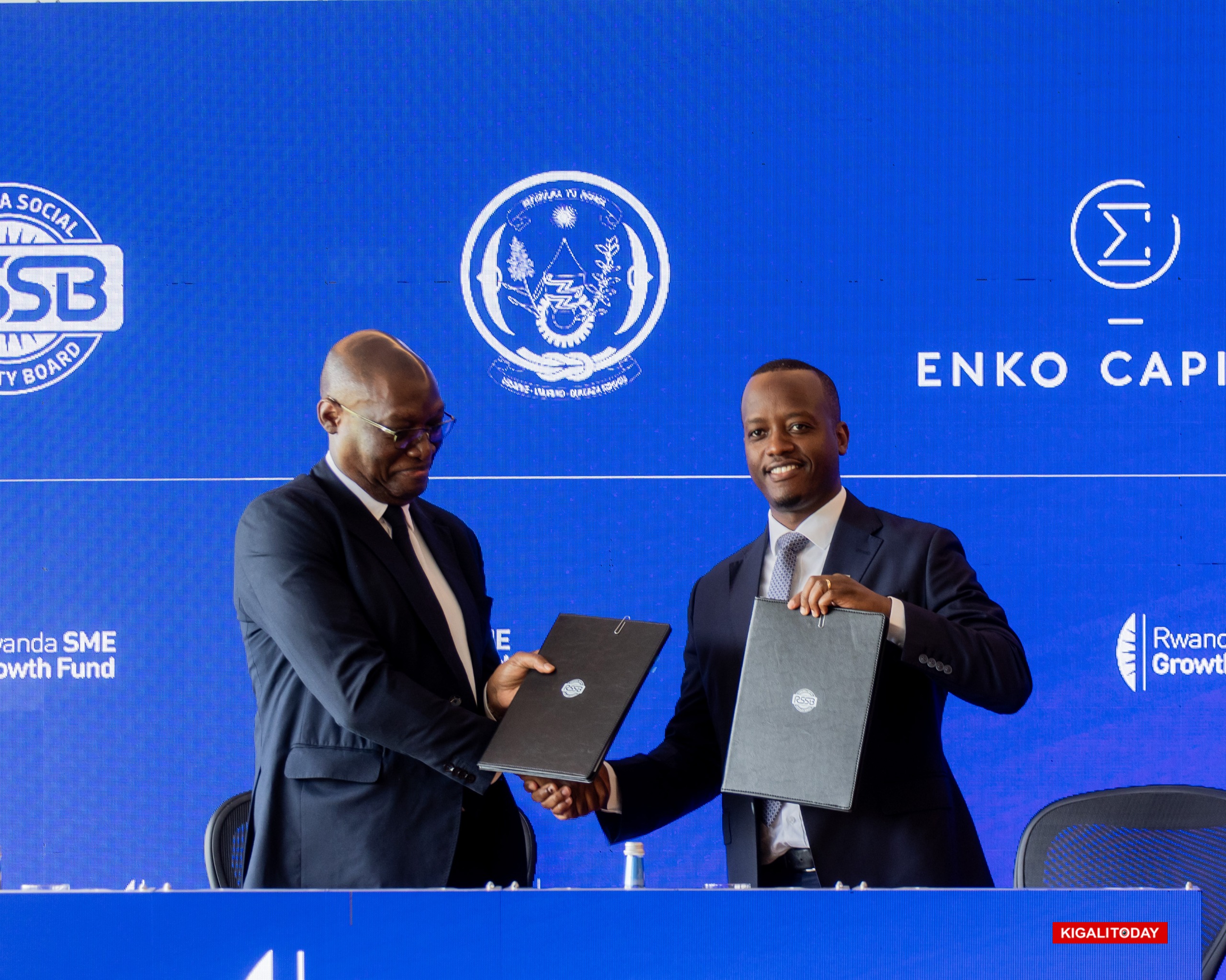
KIGALI — Rwanda’s national social security fund on Monday unveiled a new investment vehicle aimed at tackling one of the country’s most persistent economic constraints: access to long-term financing for small and medium-sized businesses.
The Rwanda Social Security Board (RSSB) announced the initial close of a Rwanda-focused SME Growth Fund, anchored by a $30 million (about Rwf 44billion) commitment from the fund itself.
Managed in partnership with Enko Capital Rwanda, the vehicle is designed to channel patient, locally denominated capital into established businesses that have outgrown early-stage support but remain underserved by commercial banks.
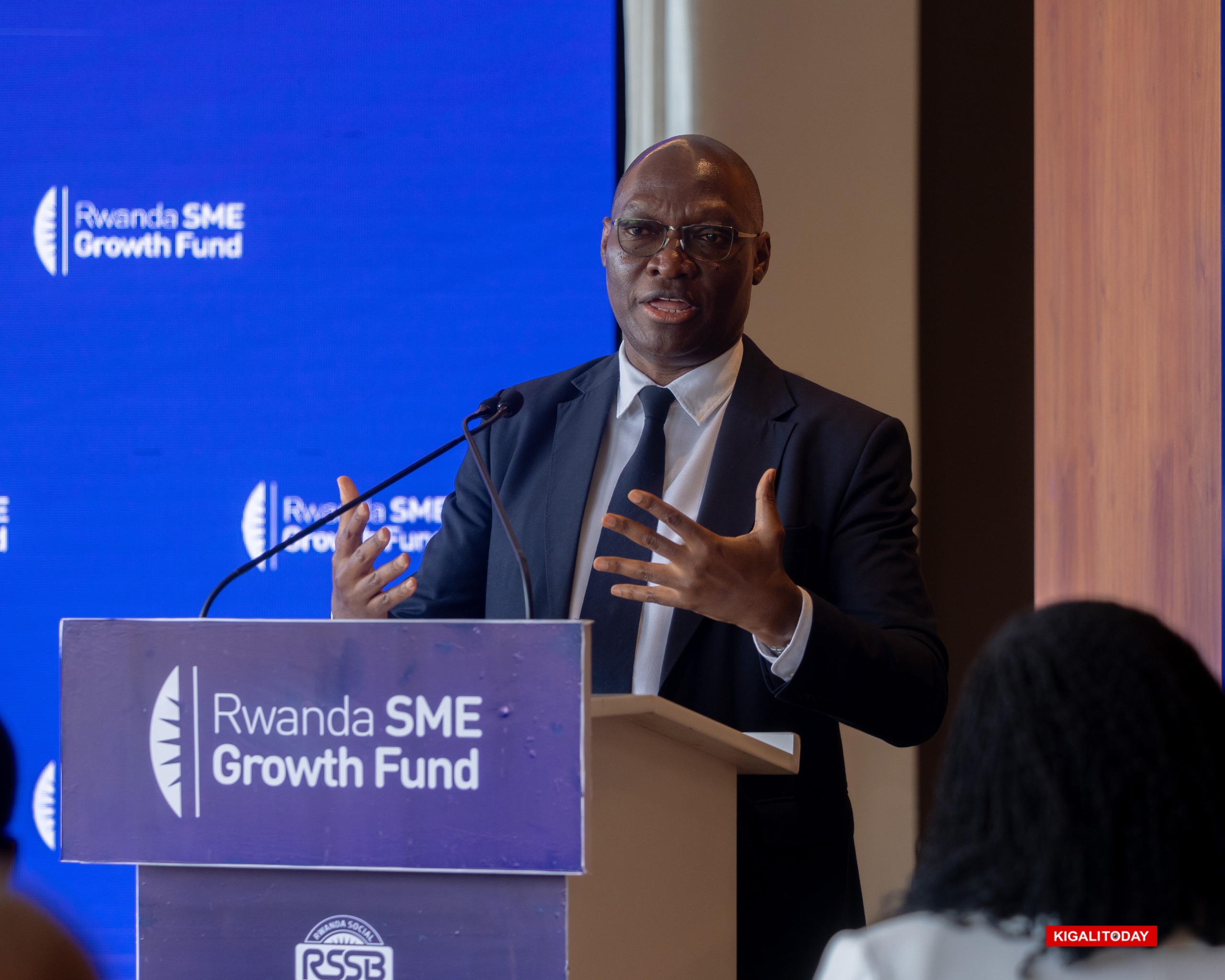
“Because money is expensive in the market, sometimes it’s difficult to access it,” said Regis Rugemanshuro, the CEO of RSSB. “These are things commonly done elsewhere in the world, but it’s the first time in Africa, especially in East Africa, where an insurance institution like ours is taking the lead in creating a fund to support SMEs without relying on other independent institutions.”
The fund, which targets a total size of $50 million with potential expansion over time, reflects a broader shift in how institutional capital is being deployed in Rwanda.
Traditionally invested in government securities, real estate and other lower-risk assets, pension funds are increasingly being directed toward the productive economy, where returns may be higher but so are the risks.
The new vehicle will focus on growth-stage companies — firms that have been operating for at least three years, generate steady earnings and are seeking capital to expand production, enter new markets or upgrade operations.
It will exclude early-stage startups and greenfield projects, concentrating instead on businesses with proven models but constrained balance sheets.
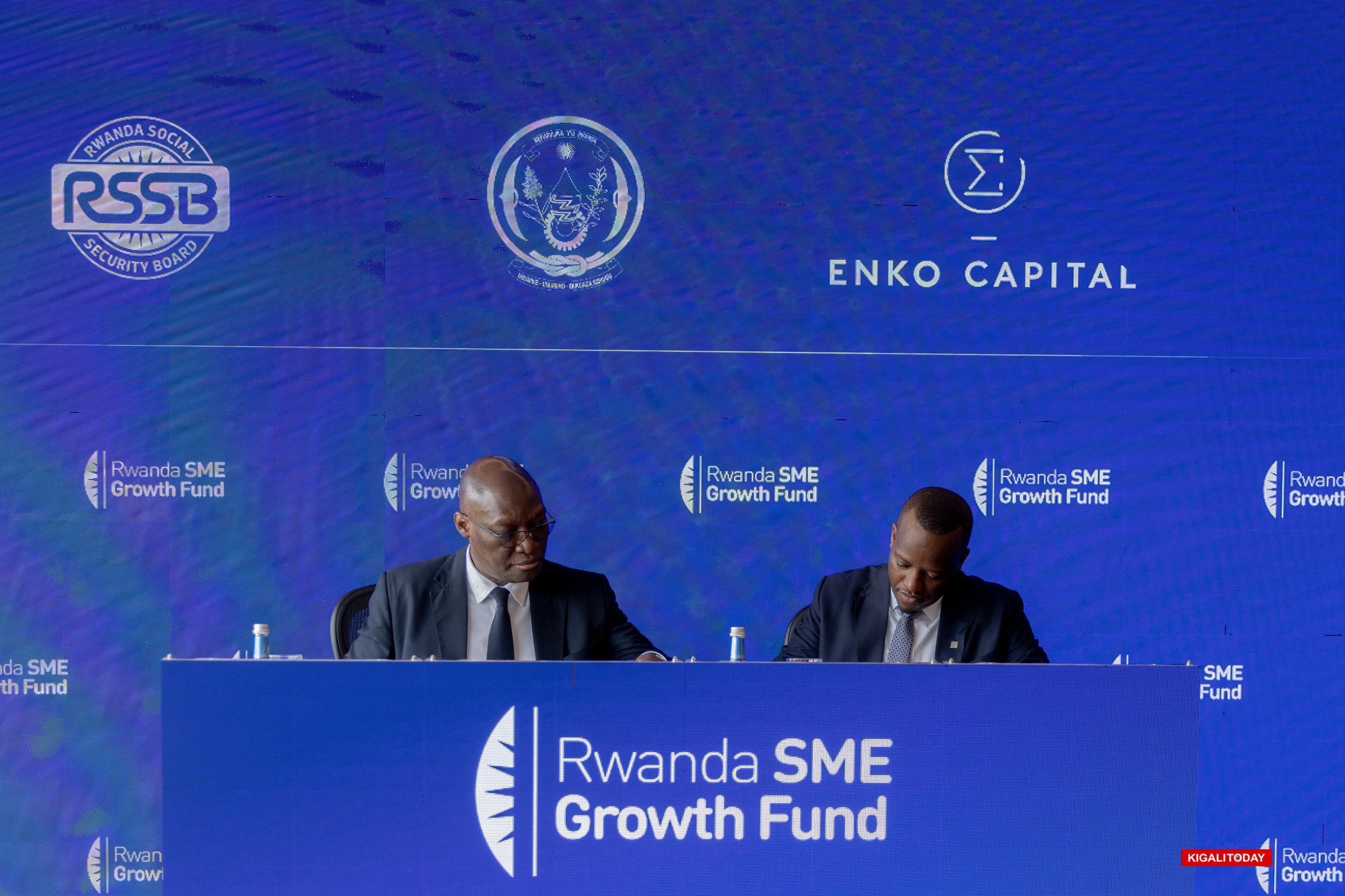
Investment will typically take the form of structured debt, sometimes with equity-linked features, allowing the fund to balance downside protection with potential upside.
Financing will be released in stages tied to performance milestones, with repayment periods stretching up to a decade — far longer than the short-term loans that dominate the domestic banking sector.
For many businesses, that difference is decisive. A manufacturer, for instance, may need several years to expand capacity, secure supply chains and reach export markets.
Short-term credit can force premature repayment, limiting growth. Longer tenors and grace periods, by contrast, allow firms to invest before being required to service debt.
“What we want is to enhance the capacity of these businesses so they can operate at 90% or 100% of their potential, and even export outside Rwanda,” Rugemanshuro said. “This will address the issue of what we produce in Rwanda and what we import.”
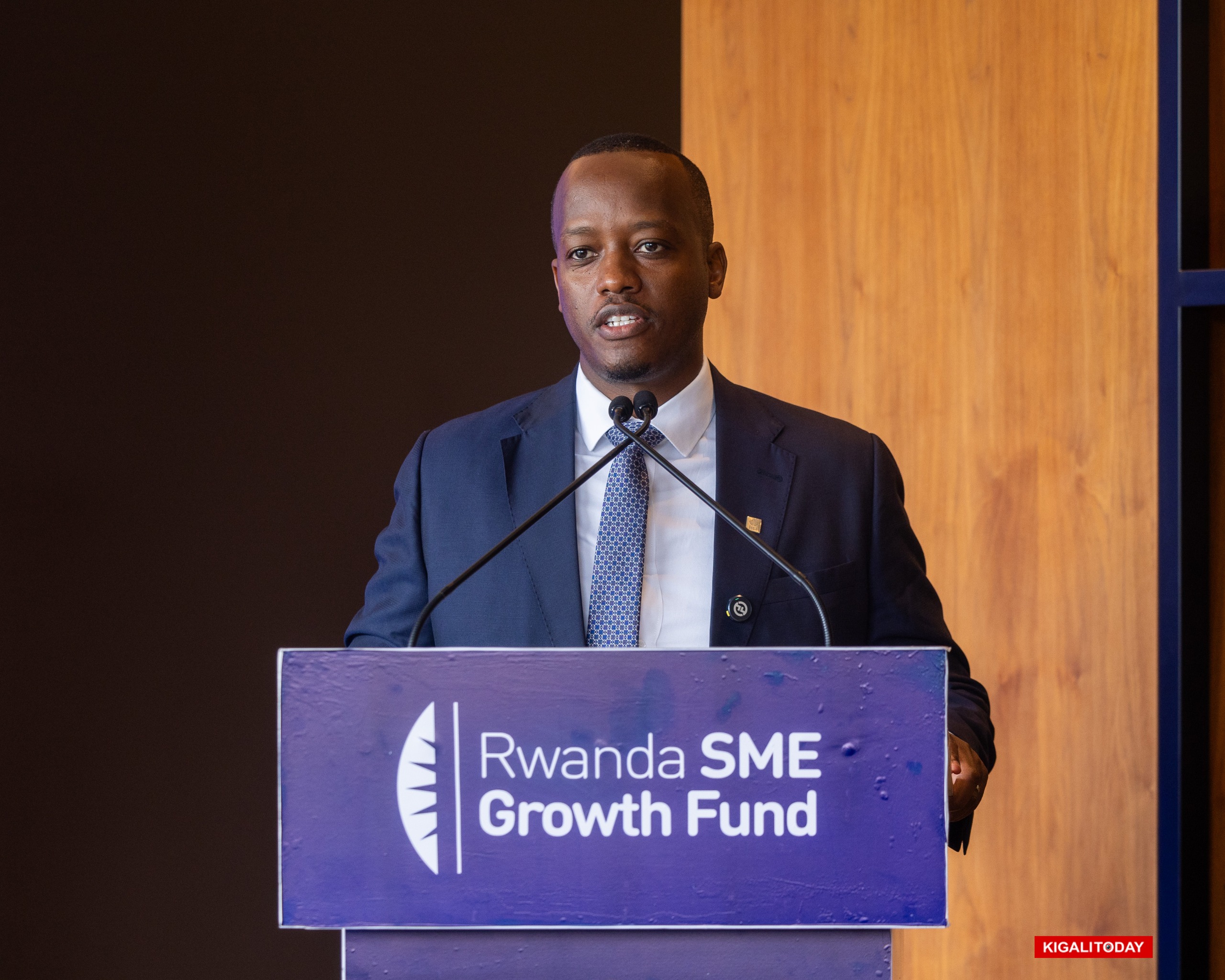
The fund will concentrate most of its investments in sectors seen as central to the country’s industrial ambitions, including agro-processing, manufacturing, infrastructure and energy, while reserving a smaller share for areas such as tourism, health care and financial services.
Ticket sizes are expected to range from roughly 1 billion to 7.5 billion Rwandan francs per transaction, with the possibility of larger co-investments.
Backers say the structure is intended not only to finance companies but also to reshape the broader financing landscape.
Small and medium-sized enterprises account for the majority of employment and a significant share of output in Rwanda, yet they often struggle to access affordable credit, particularly in local currency.
“The establishment of the fund marks a major milestone in unlocking long-term, local currency financing,” said David Ganesha Tetteh, director of catalytic transactions at FSD Africa. “This initiative demonstrates how structured, market-driven solutions can bridge that gap.”
The involvement of a national pension institution as the anchor investor sets the fund apart from many similar vehicles on the continent, which tend to rely heavily on international development finance.
By contrast, this model draws on domestic savings to finance domestic growth — a shift that supporters say could deepen local capital markets and reduce reliance on external funding.
Cyrille Nkontchou, co-founder and managing partner of Enko Capital, described the fund as part of a broader reorientation.
“The Rwanda SME Growth Fund represents a shift toward African capital driving African growth, positioning SMEs at the center of economic transformation,” he said. “It is a blueprint for inclusive growth, supporting job creation, innovation and long-term economic resilience.”
The fund also sets explicit development targets, including boosting production capacity, supporting exports and creating jobs, particularly for young people and women.
An additional allocation of about $3 million has been set aside specifically to support employment generation within portfolio companies.
For Rwanda, which has set an ambitious goal of reaching high-income status by mid-century, the stakes are considerable. Expanding the capacity of domestic firms — and reducing dependence on imports for goods that can be produced locally — is central to that vision.
Whether the model can deliver both financial returns and development outcomes will depend on execution. But for now, the launch signals a notable shift: the country’s largest pool of long-term savings is being directed more deliberately into the businesses expected to drive its next phase of growth.