

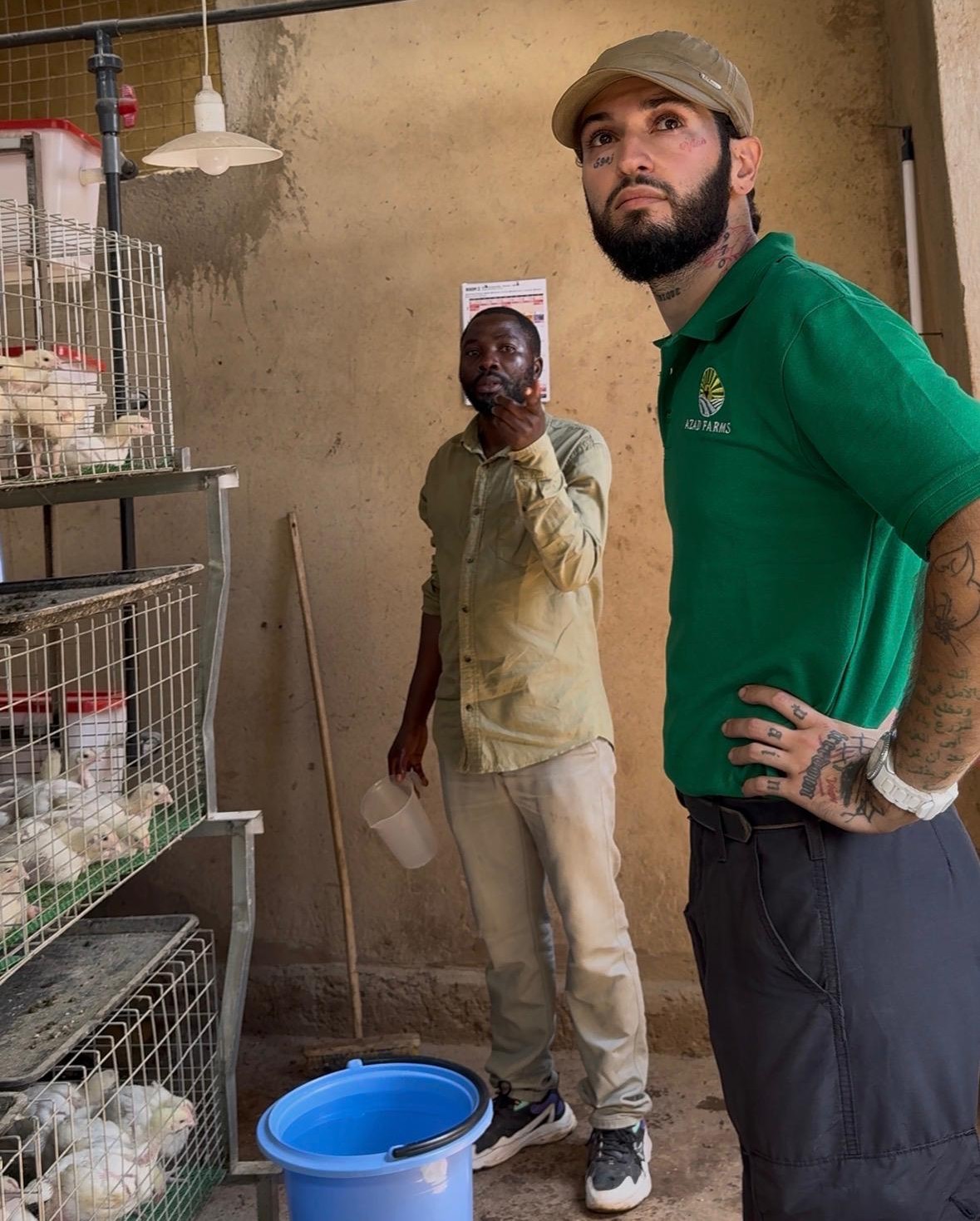
Othman Aland Koran at his poultry farm in Kamonyi district.
KIGALI – Othman Aland Koran was about 5 years old when his family left Iraq for Switzerland, beginning a childhood shaped by displacement, unfamiliar languages and the challenge of finding a place in societies far removed from the one they had left behind.
Coming from a Kurdish refugee family, he grew up among people from different parts of the world, many of whom had also been forced to leave their homes. The experience exposed him to different cultures early in life, shaping how he relates to people and sees the world.
Having lived in six countries, including Iraq, Syria, Bulgaria, Switzerland and Ethiopia, Koran is now building a new life in Rwanda, where he has established a poultry business in Kamonyi district.
Koran’s decision to settle in Rwanda followed years of international travel and a growing desire to find work that offered more than financial security. “I feel like I don’t belong to one country, I belong to anyone,” he said, describing a worldview shaped by years of moving between societies.
Although he had a good job in Switzerland and had managed to save money, Koran says he struggled to find meaning in a life centered on earning an income. “Clearly I was not happy. I had no meaning. Just making money wasn’t good for me,” he said.
Finding Purpose in A New Home
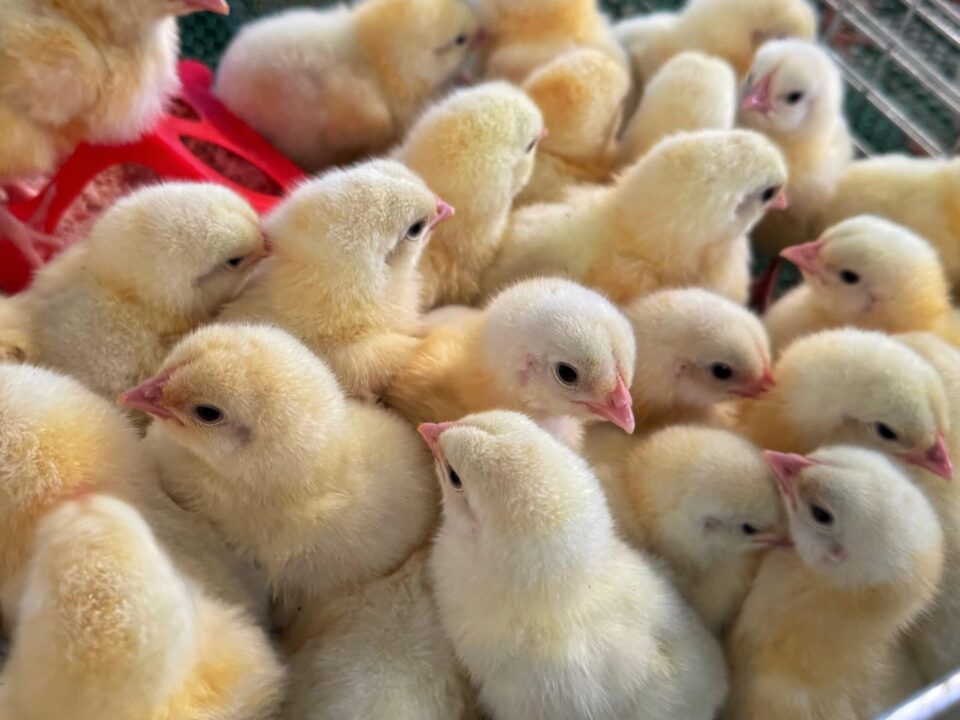
With experience in food processing and manufacturing, an industry in which he has worked since the age of 16, he decided to venture into agriculture, beginning with poultry farming.
His project, which is about four months old, has a capacity of 5,000 broiler birds. It includes facilities for processing, solar power and ice production, allowing him to oversee the process from raising the birds to preparing fresh chicken for hotels and restaurants.
Koran wants to contribute to food security in East Africa by strengthening the supply of basic food products, with possible expansion into egg production and dairy farming.
He says agriculture offers an opportunity to put his professional experience to work in a sector he considers essential, even as farmers face difficulties making a sustainable living.
“Farmers are struggling a lot nowadays, and there may not be much money to be made. But with innovation and smart ideas, we can make agriculture more productive. Food is essential to all of us, and we need nutritious food,” he said.
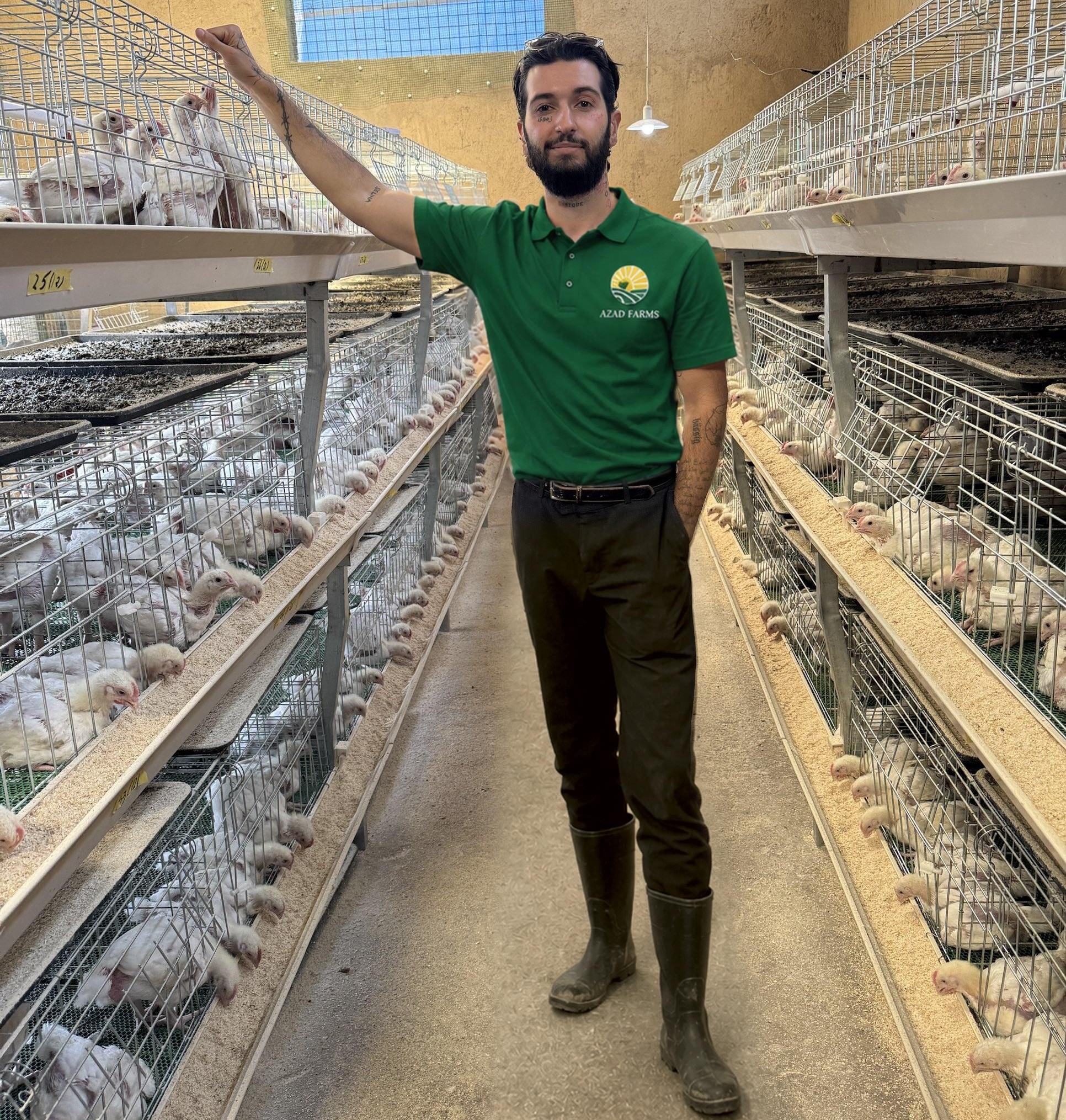
Five months into his life in Rwanda, he describes his experience as unexpectedly positive, saying he had found business partners, people he could rely on and land for his project.
He sees Rwanda, particularly its position in East Africa, as a suitable base from which to pursue his ambitions while continuing to travel.
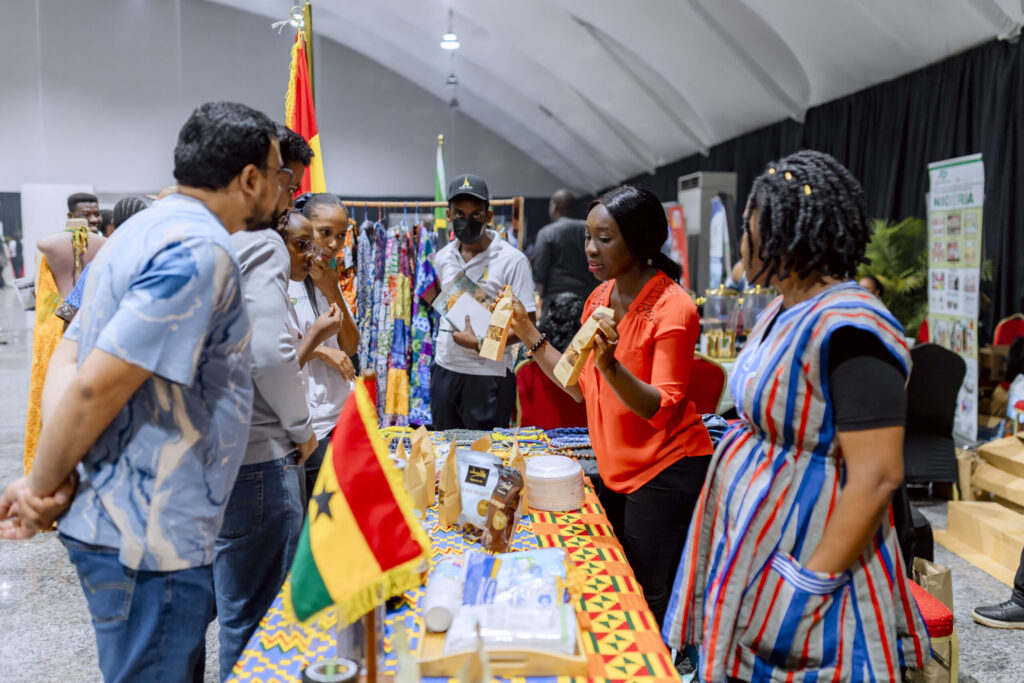
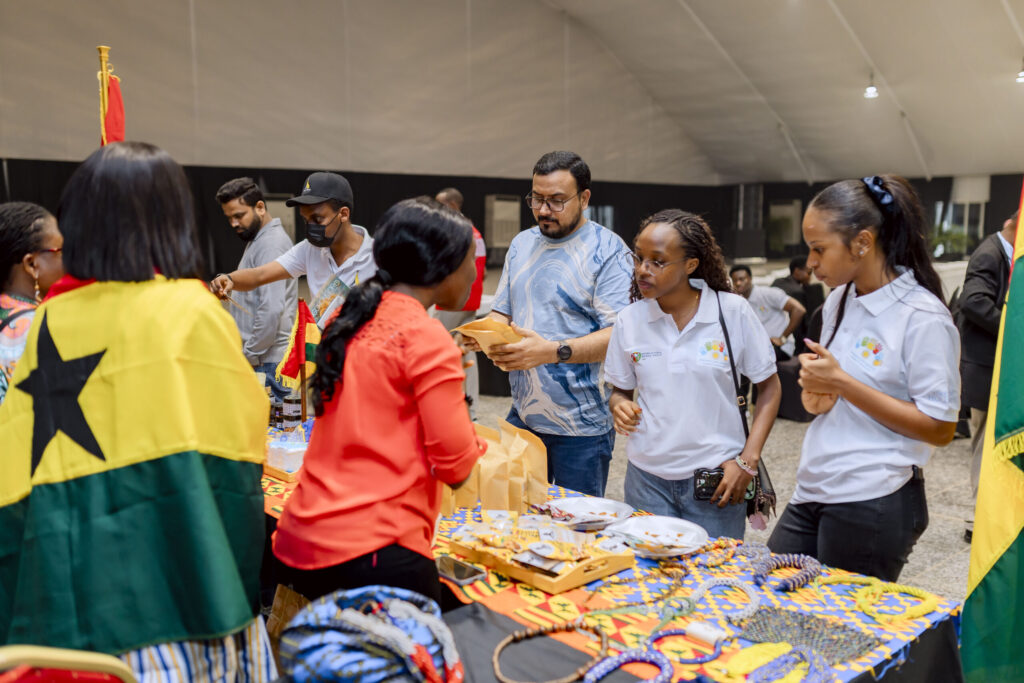
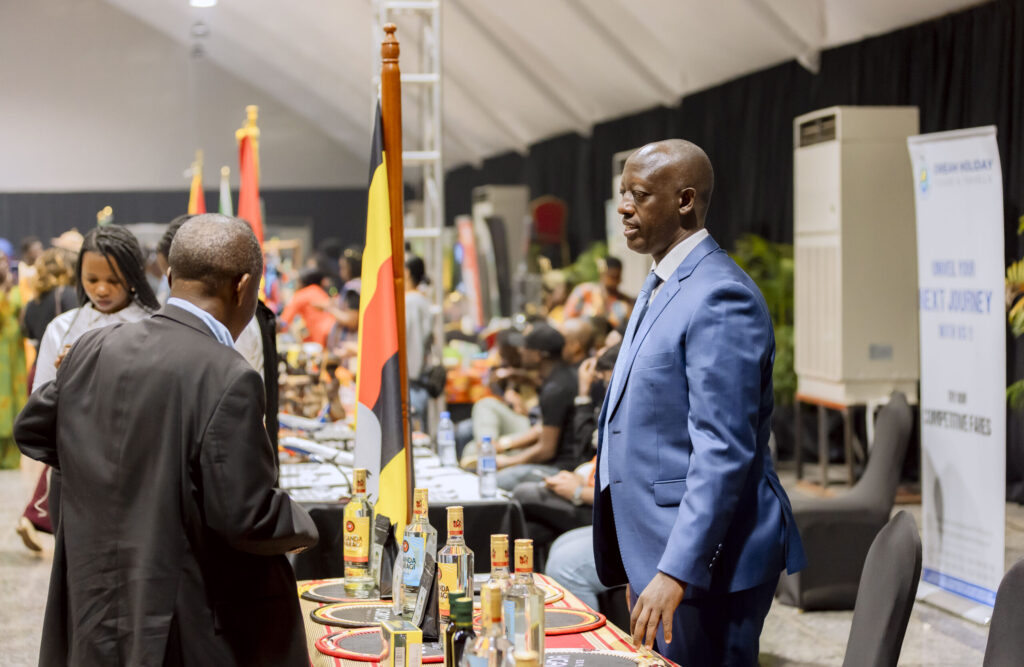
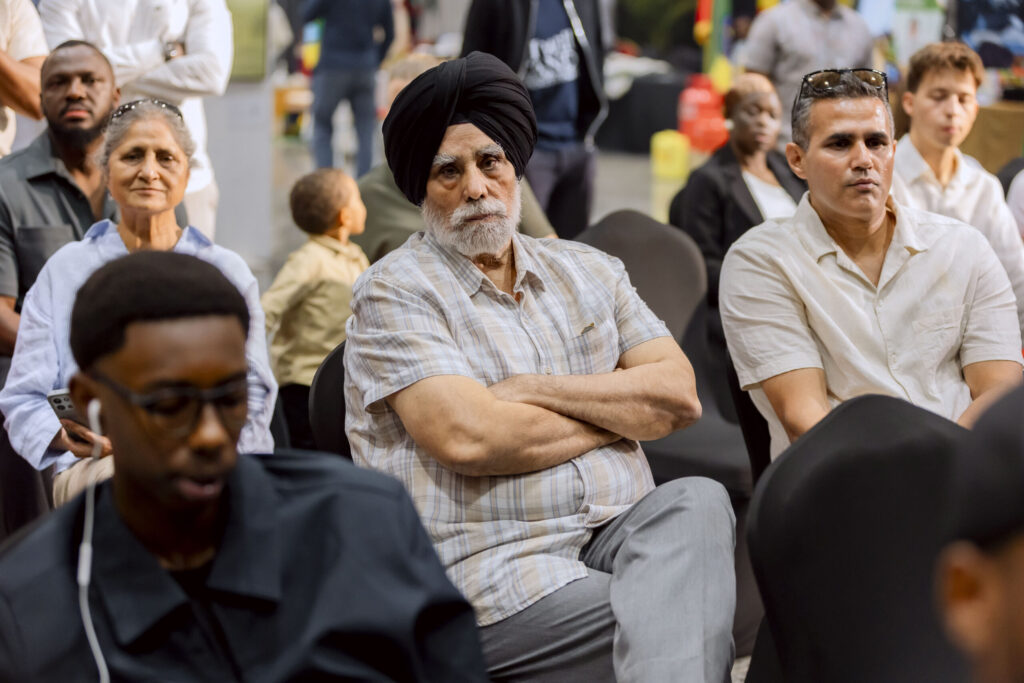
Koran was among the visitors at the second Rwanda Diplomatic Charity Bazaar held in Kigali on November 21, drawn by the opportunity to meet people from different backgrounds and experience cultures beyond his own.
His presence at the bazaar reflects another interest that has accompanied him throughout his travels which is bringing people from different backgrounds into closer contact.
Beyond Cultural Exhibitions
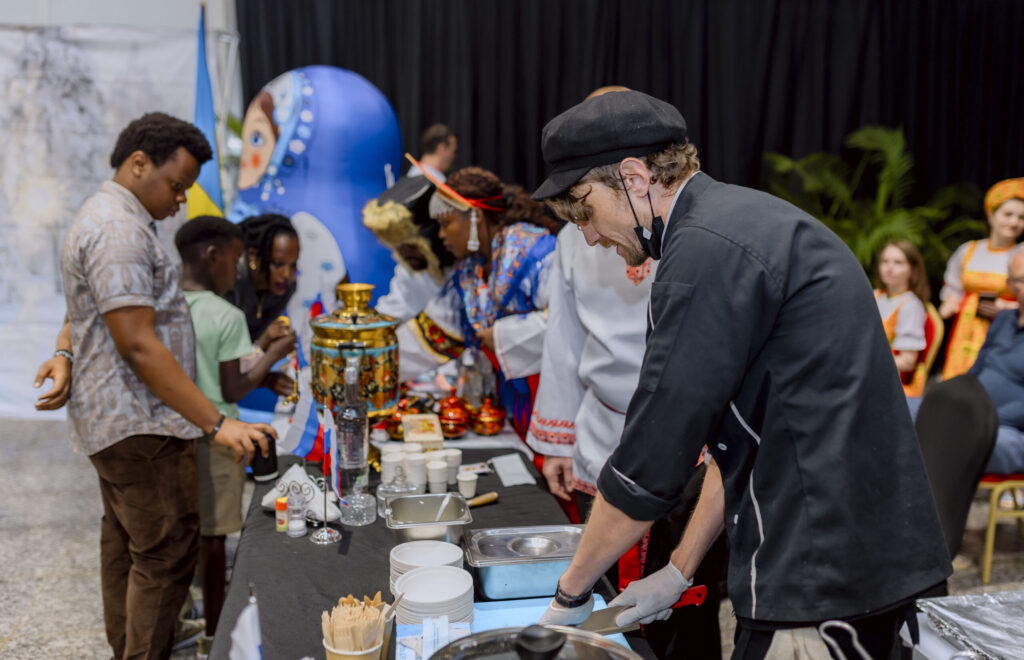
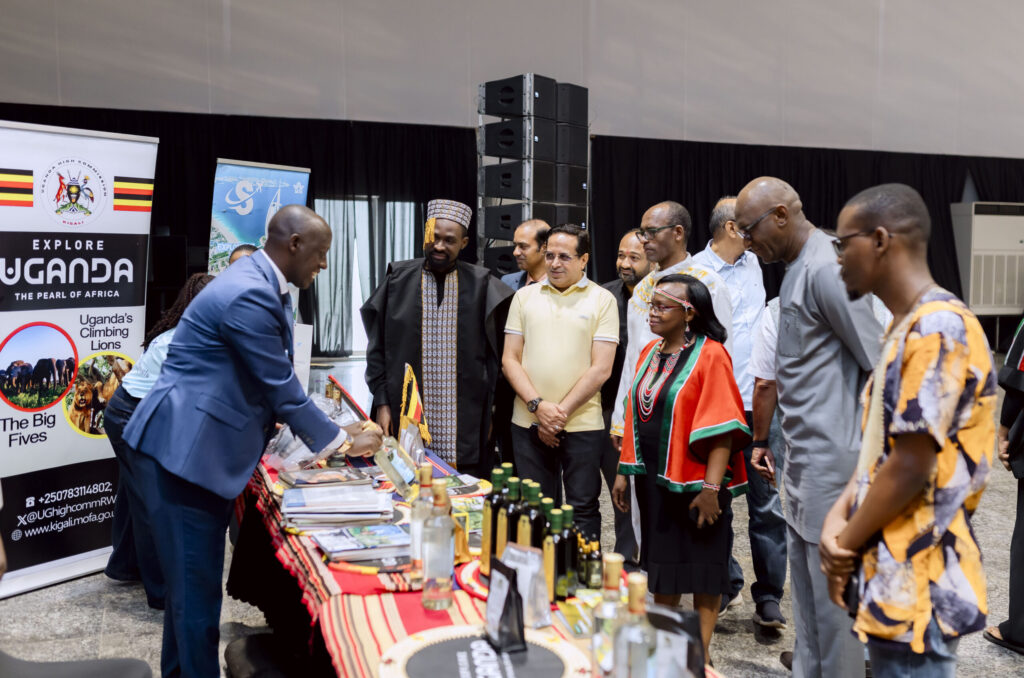
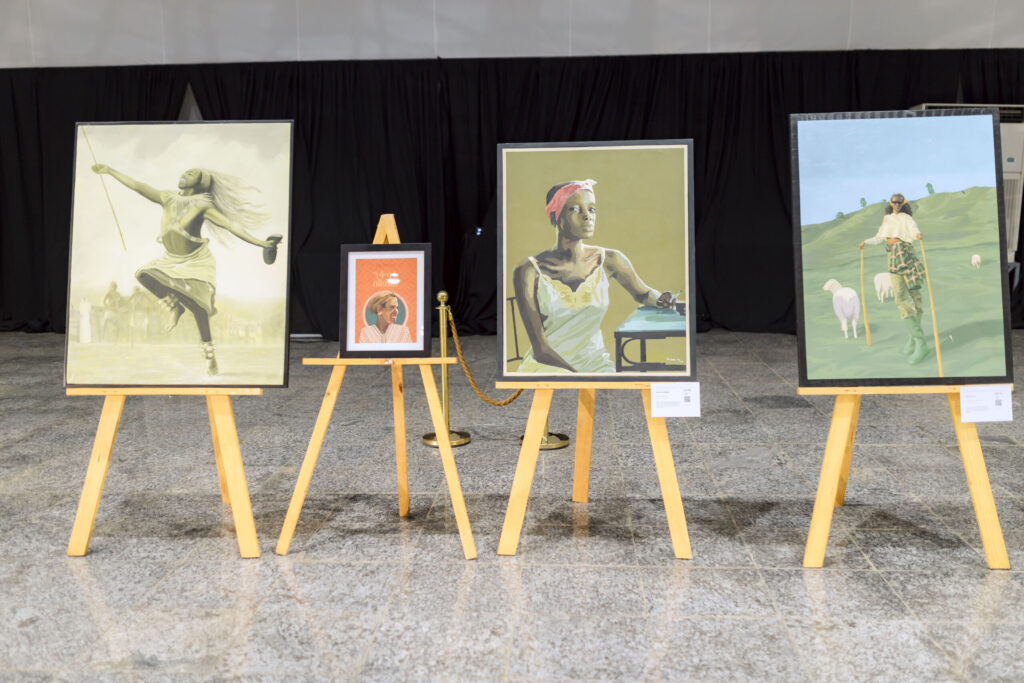
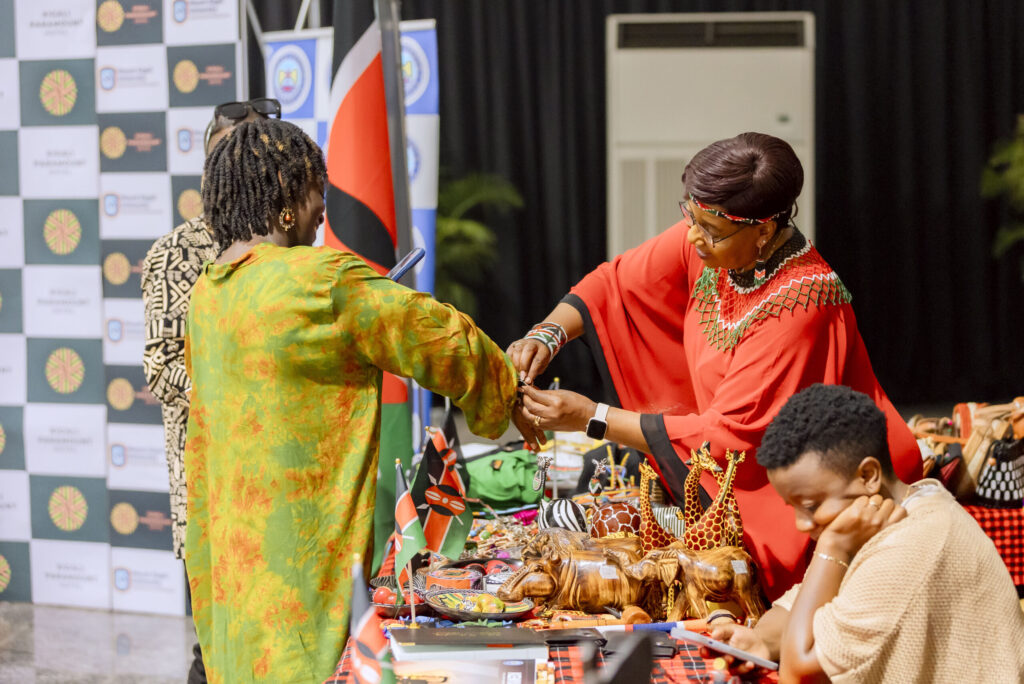
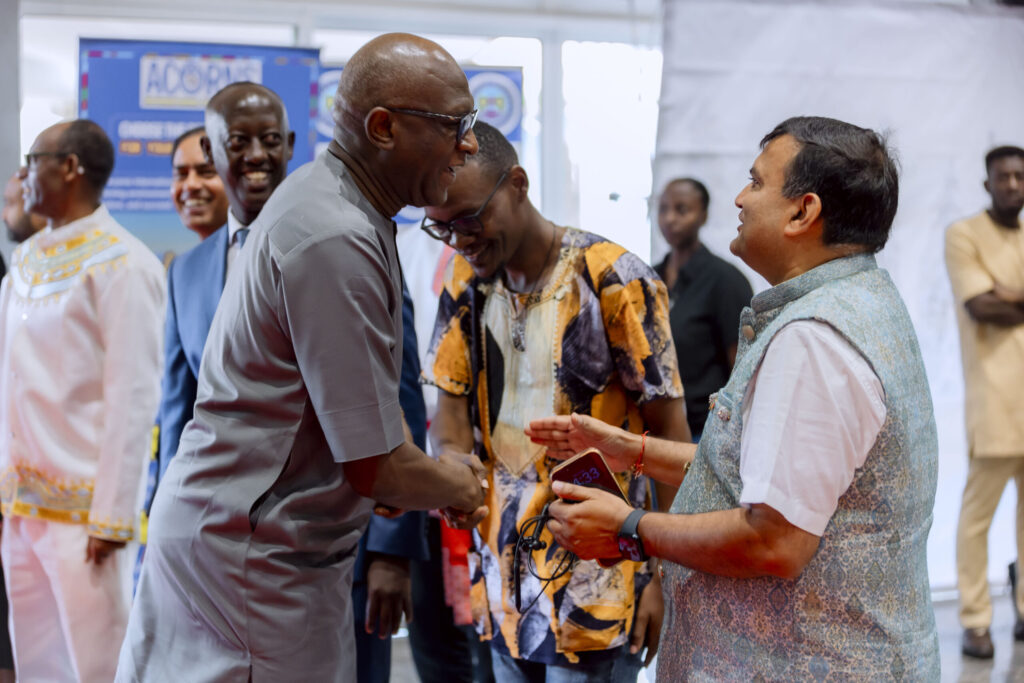
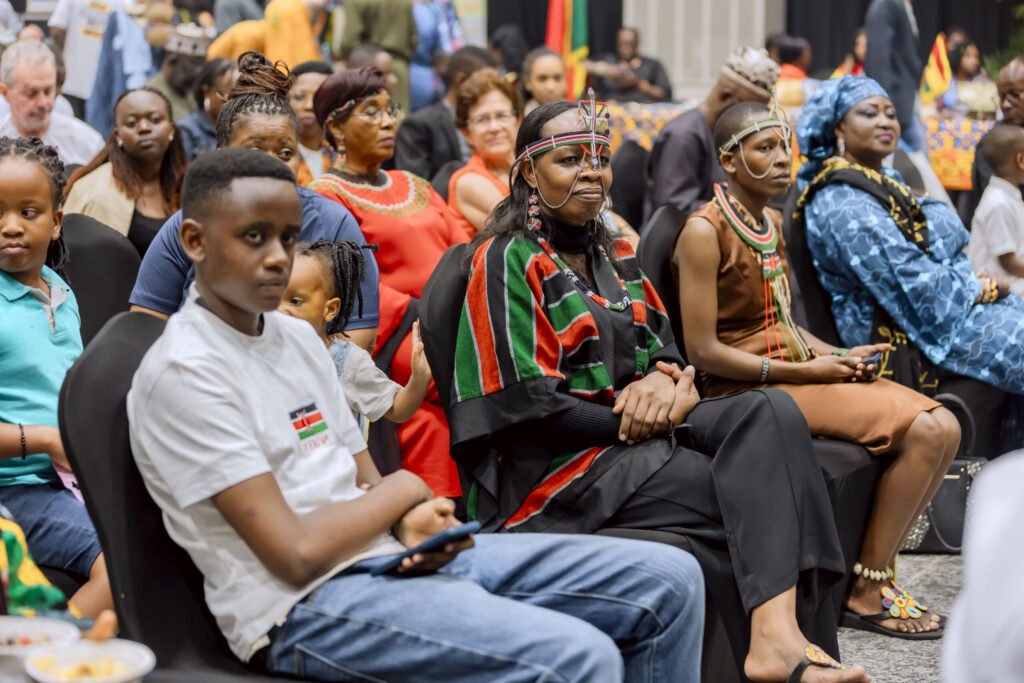
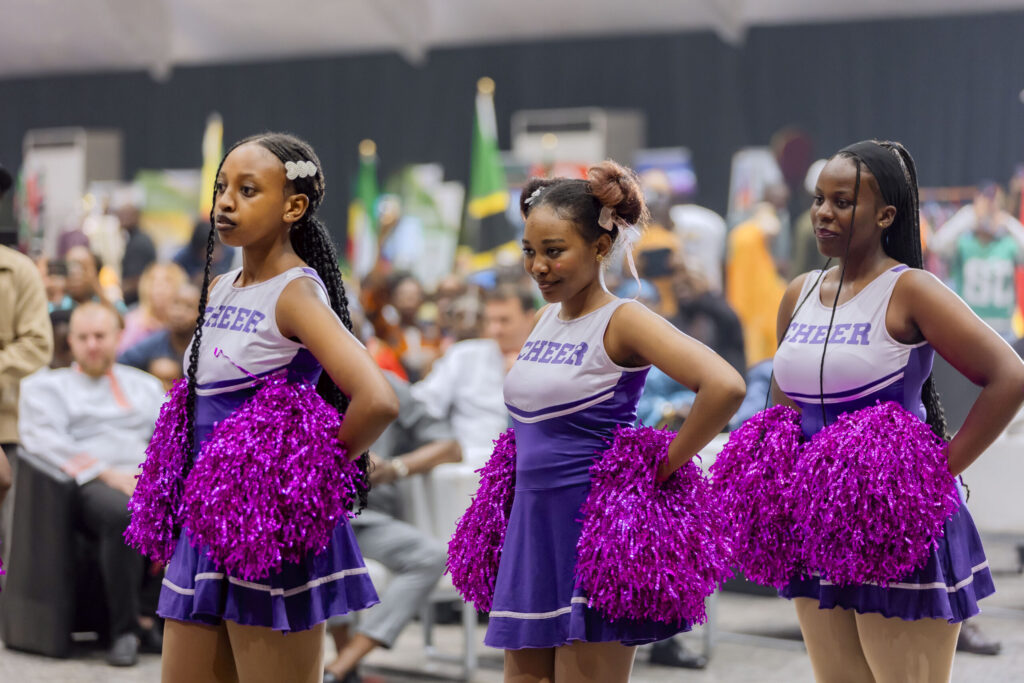
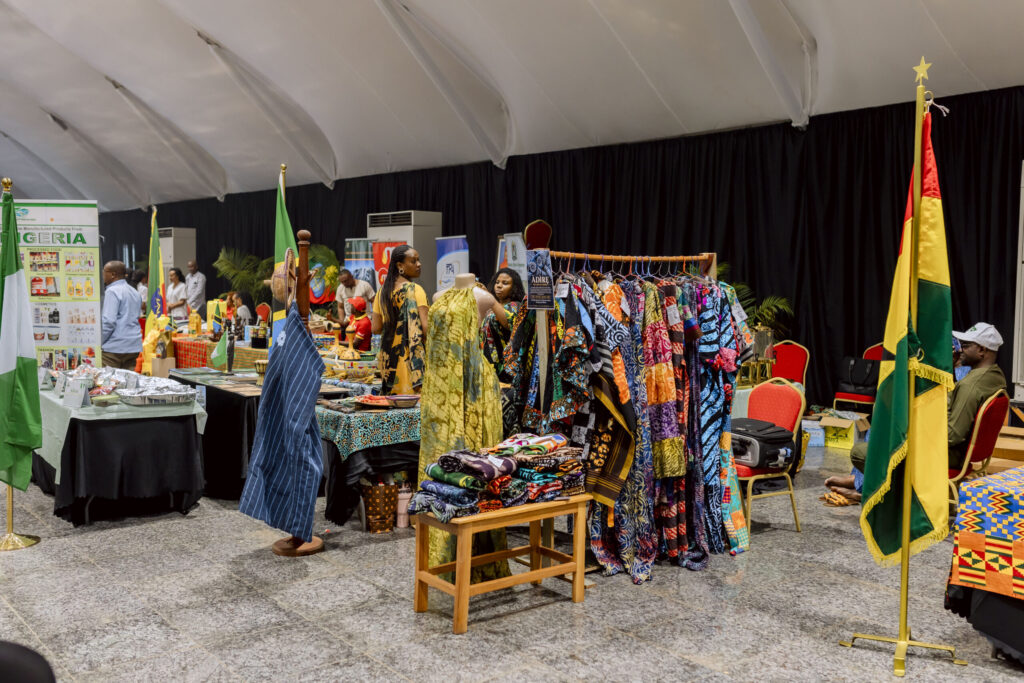
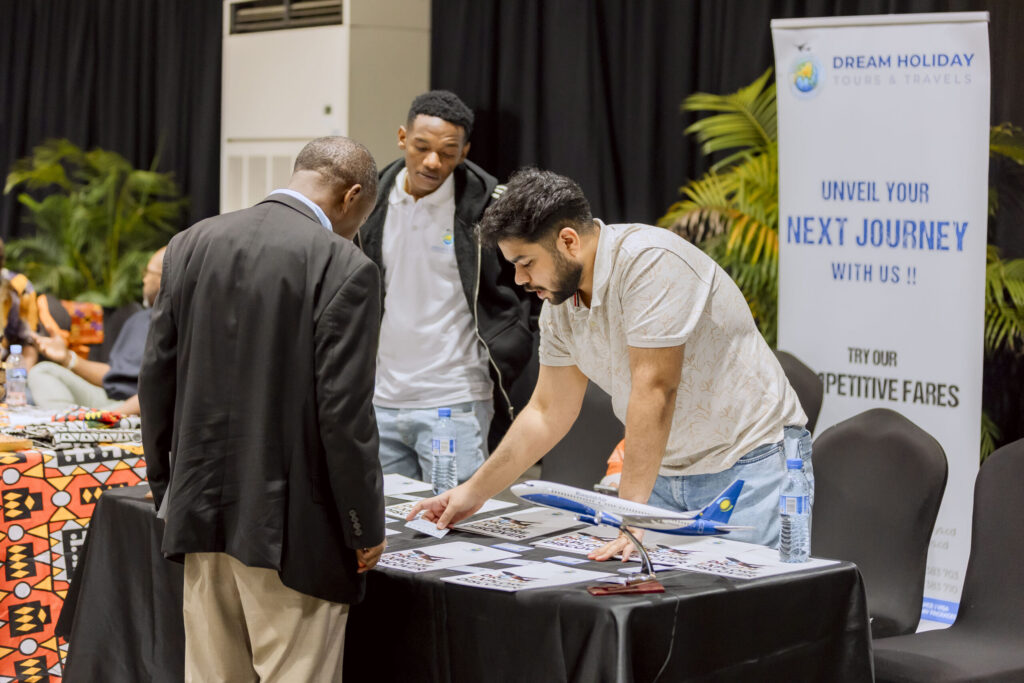
Organized by the Intercultural Bridge Group CBC, the event brought together diplomatic missions, international communities, local artisans and businesses through exhibitions of traditional food, clothing, crafts and cultural performances.
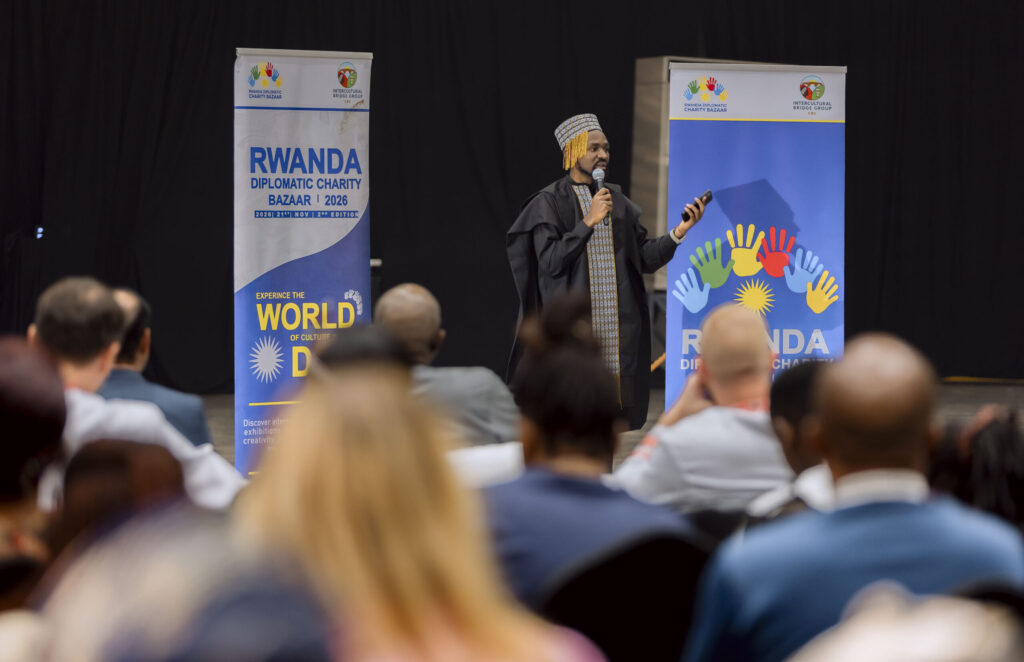
Edison Niyontegereje, founder and chief executive of the group says the initiative is part of a broader effort to address the limited interaction that can exist between international communities and the people among whom they live.
Speaking at the event, he outlined intercultural education, cultural exchanges and intercultural dialogue as guiding programs through which the organization intends to pursue this objective.
The education program focuses particularly on helping international residents understand Rwandan society, while the exchange initiative seeks to create opportunities for Rwandans to experience other cultures and for foreign communities to learn about Rwanda.
“The organization also wants these relationships to generate opportunities for local entrepreneurs and creatives, including access to international networks and potential markets,” Niyontegereje pointed out.
A Two-Way Relationship
Nigeria’s High Commissioner to Rwanda, Ambassador Ibrahim Zanna, said participation in the bazaar was also a way for diplomatic missions and their communities to appreciate the country hosting them.
He recalled that the inaugural edition introduced him to Rwandan artistic products, particularly traditional basket weaving, which he subsequently ordered. This year, he said had provided greater participation and interaction with Rwandan artisans and the Nigerian community.
“For us to show, to identify with anything that is being done by our host country is our own way of saying thank you for hosting us. More involvement even by Rwanda’s Ministry of Foreign Affairs could encourage more countries to take part,” he noted.
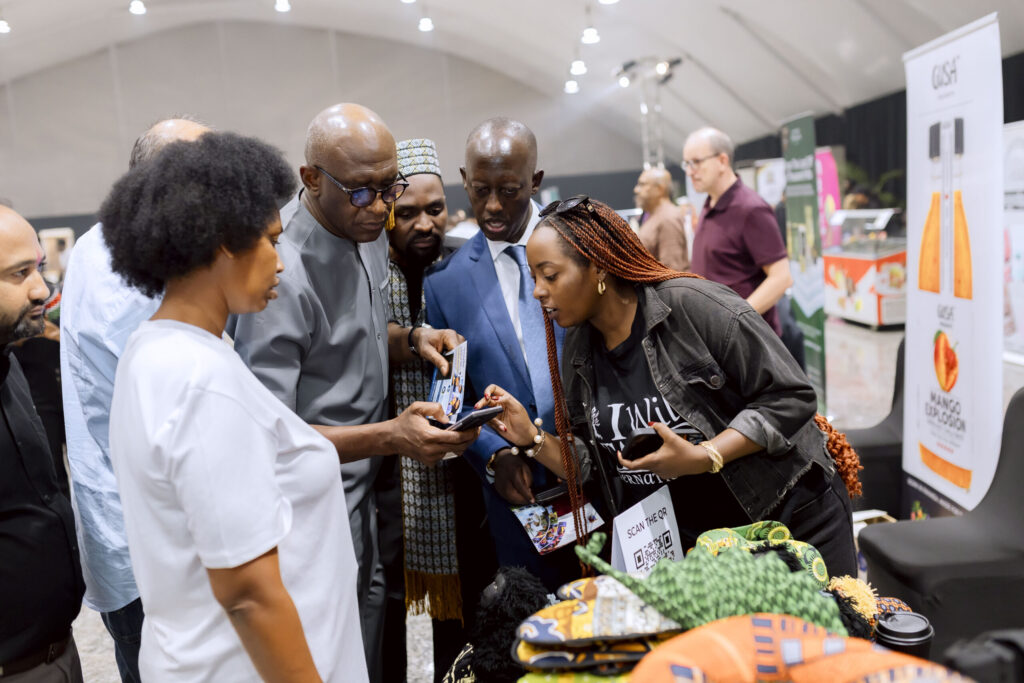
Alexander Sizov, Consul and diplomat at the Embassy of the Russian Federation in Kigali also highlighted the opportunity to learn about traditions beyond the political relationships that usually define diplomatic engagement.
“We should show our cultures and share what we bring to this country. Not only politics, but also traditions,” he said.
Such encounters are particularly important at a time when divisions between communities and nationalities remain a concern. With so many displaced people from different parts of the world, interaction is essential in building a more peaceful world.
Koran describes the warmth with which he has been received in Rwanda as one of the reasons he wants to establish a lasting base in the country. “Rwanda is the perfect spot to just have a base here which I can call home,” he said.
After a childhood spent learning how to adapt to unfamiliar places, Koran is now building something of his own in Rwanda, finding in agriculture not only a business opportunity but also a sense of purpose in the place he cherishes the most.