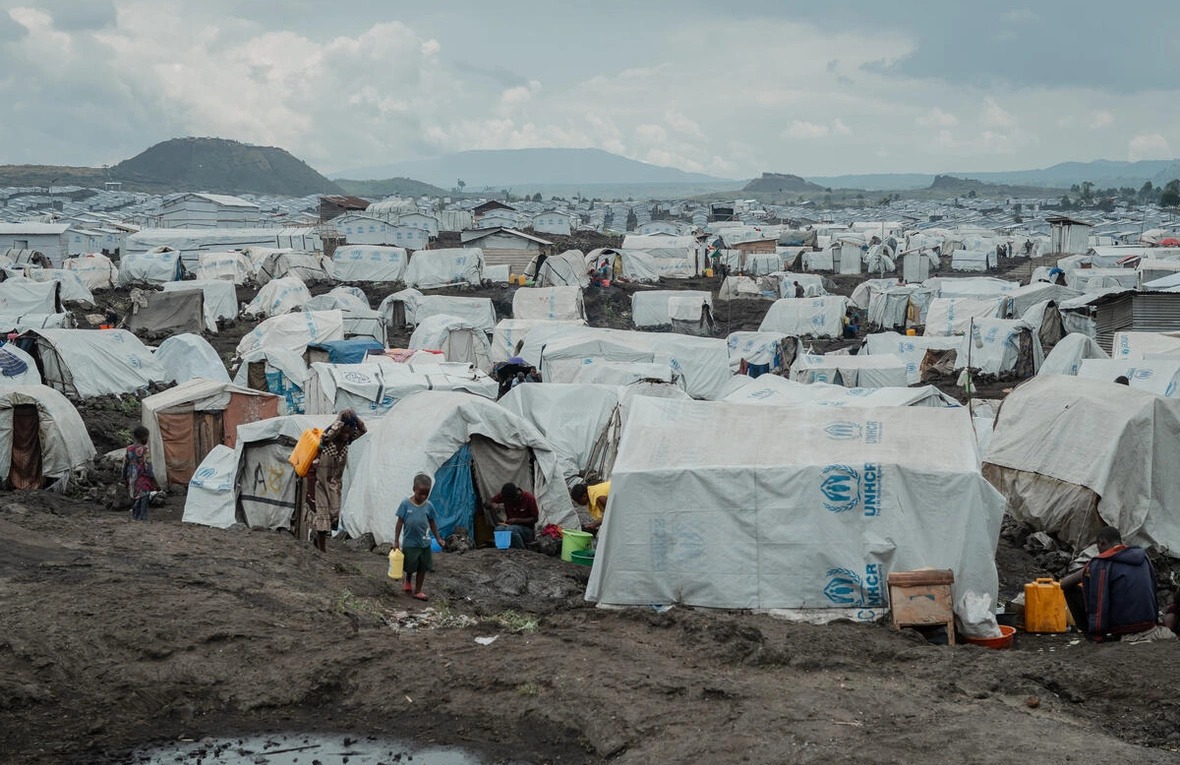
KIGALI — The phrase “Never Again” echoes across memorial sites, in speeches, and on global platforms—especially during the commemoration of the 1994 Genocide against the Tutsi. But for Adele Kibasumba, a survivor, advocate, and former president of the Mahoro Peace Association, those words ring increasingly hollow.
“To be honest, ‘Never Again’ is just a slogan at this point. It’s not an action,” she says. Her steady yet resolute voice carries both memory and frustration—shaped not only by what happened in Rwanda in 1994, but also by what she believes continues to unfold across the border in eastern Democratic Republic of Congo (DRC).
A Genocide That ‘Moved Across Borders’
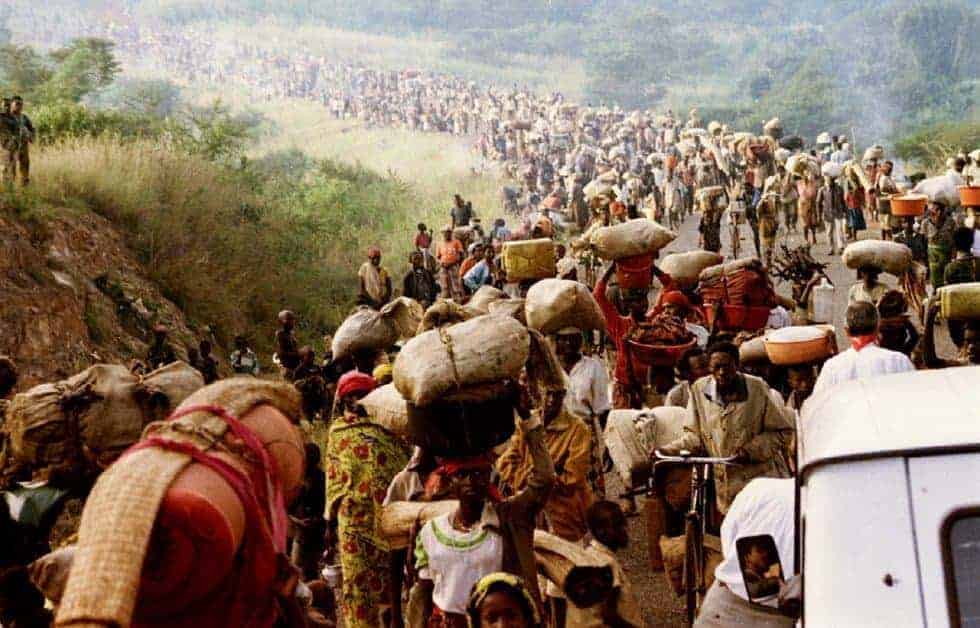
Kibasumba does not view the violence in eastern DRC as separate from Rwanda’s past. Instead, she draws a direct and unsettling connection.
“What happened in Rwanda did not stop. It just moved across the borders,” she says.
According to her, remnants of genocidal forces—particularly the FDLR, a militia formed by individuals linked to the perpetrators of the 1994 genocide—entrenched themselves in eastern Congo, contributing to cycles of violence that have affected communities including Congolese Tutsis, notably the Banyamulenge.
Over time, she argues, the situation has evolved into a complex web of armed groups, local militias, and competing interests.
“They may have different names or backers, but there is often a common denominator—targeting a single minority community,” she explains.
Kibasumba warns that early warning signs associated with mass violence—hate speech, propaganda, and dehumanisation—are not only present but intensifying.
“In genocide, it begins with hate speech. Once people are conditioned, violence becomes easier. Even children can be made to believe they are doing something right,” she says.
She adds that modern communication has amplified these risks.
“Before, there was no social media. Now it accelerates everything. When millions of people repeat the same rhetoric against one group, it becomes extremely dangerous.”
The Power of Testimony and Collective Memory

For Kibasumba, survival is not only personal—it is a responsibility.
“I am a record. Unless you kill me, I am a record,” she says.
She is a survivor of the 2004 Gatumba massacre in Burundi, in which scores of Congolese Tutsi refugees—many of them Banyamulenge—were killed. She references such events not as isolated tragedies, but as part of a broader and recurring pattern of violence in the region.
“It doesn’t just stop. We keep documenting. Survivors are the most powerful record we have,” she says. “We must speak, write, and tell these stories. We cannot become bystanders.”
She emphasises the importance of transmitting this memory to younger generations.
“We owe it to ourselves to remember. But we also owe it to those who were not there to teach them what happened.”
Through her work with the Mahoro Peace Association and other advocacy efforts, Kibasumba has turned documentation, storytelling, and remembrance into tools not only for justice, but also for prevention.
A Crisis of Leadership and Responsibility
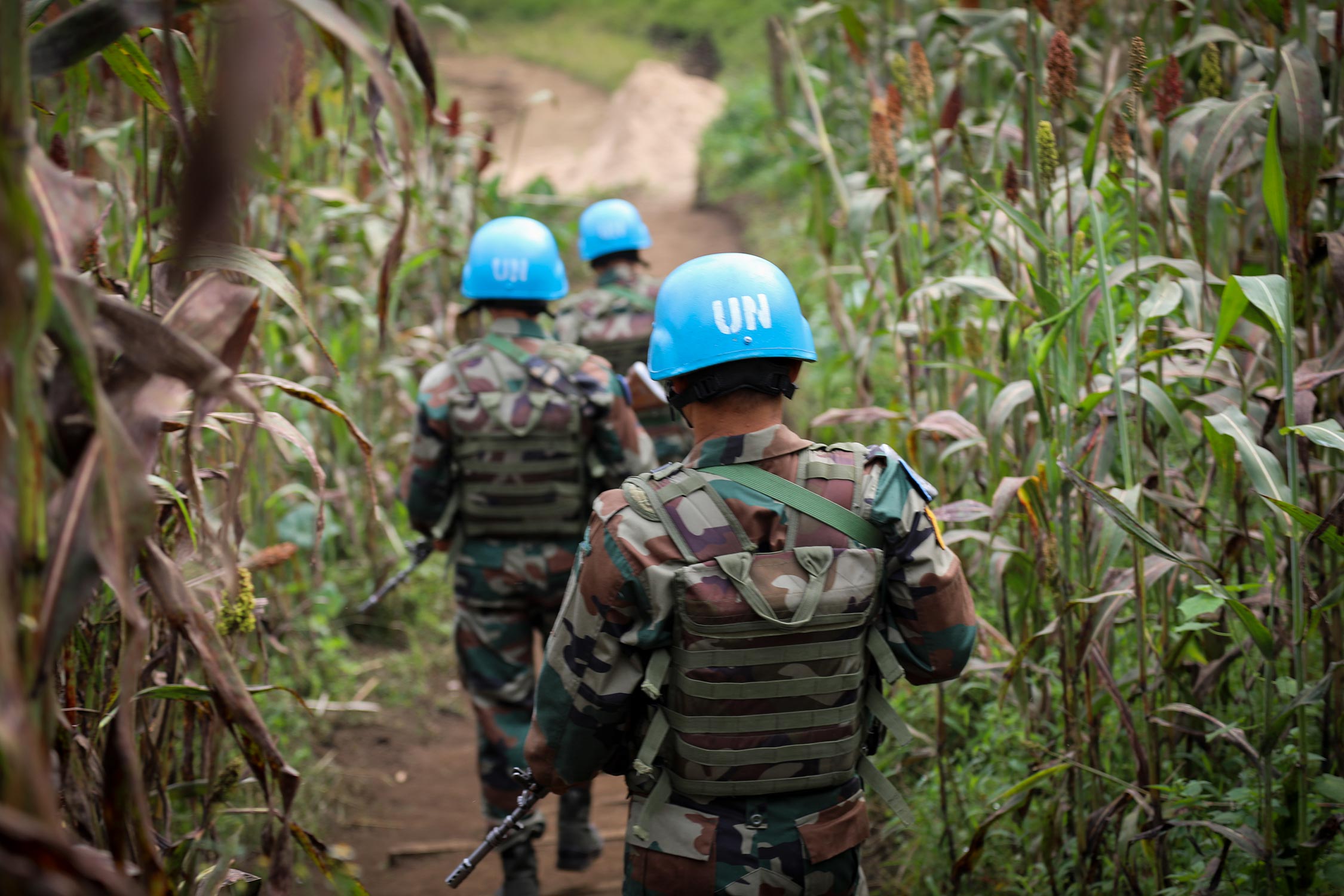
Minusco in DRC
Kibasumba is sharply critical of the international community—particularly the United Nations—which she says has repeatedly failed to prevent or halt atrocities.
“The UN failed Rwanda. It is failing Congo. And it will not save us today,” she says.
Recalling the Gatumba massacre, she notes that the refugee camp was under UN protection at the time.
“That didn’t stop militias from attacking and killing people, even burning shelters with civilians inside,” she says.
Her criticism also extends to the prolonged international presence in eastern DRC, where peacekeeping efforts have struggled to contain violence.
“They came to disarm armed groups. Today, there are more than 200 militias. What does that tell you?” she asks.
For Kibasumba, responsibility ultimately lies with political leadership in the region.
“Leaders hold the key to the solution. If they do not act decisively, this could continue for another 30 years,” she warns.
Youth, Memory, and the Fight for Peace
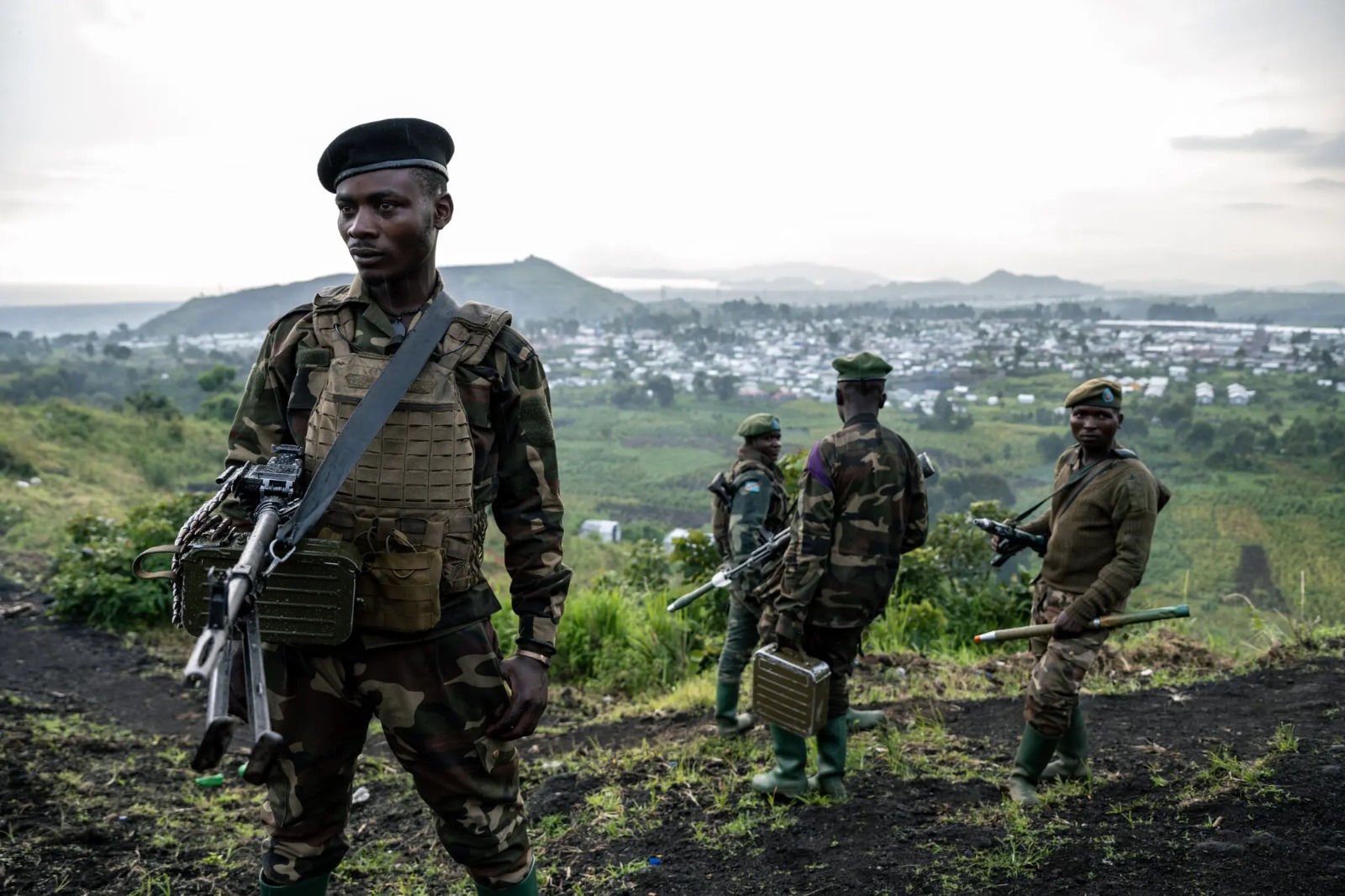
Despite the gravity of her message, Kibasumba sees a path forward—particularly through young people, including those born in exile or shaped by inherited trauma.
“The first step is awareness—understanding your trauma, owning it, and not letting it consume you,” she says.
She describes a conscious choice by many young survivors to transform pain into purpose.
“We refuse to sit back and remain angry. We choose to act, to speak, and to support others facing similar experiences,” she says.
Building alliances, she adds, is essential—and silence is not an option.
“We are not alone. There are other communities and survivors around the world. When we come together, our voices are stronger,” she says. “We cannot give space to hate. If one community is targeted and the world stays silent, it will not stop there. It will spread.”
A Warning That Cannot Be Ignored
As Rwanda continues to reflect during the Kwibuka commemoration period, Kibasumba urges both the region and the international community to confront a difficult reality: remembrance without action is insufficient.
“We thought it ended in Rwanda. It didn’t. It spilled into Congo,” she says. “If we ignore it again, it will spread further.”
For her, Kwibuka is not only about honouring the past—it is about recognising present risks and preventing a future that could mirror it. Full Interview Below: