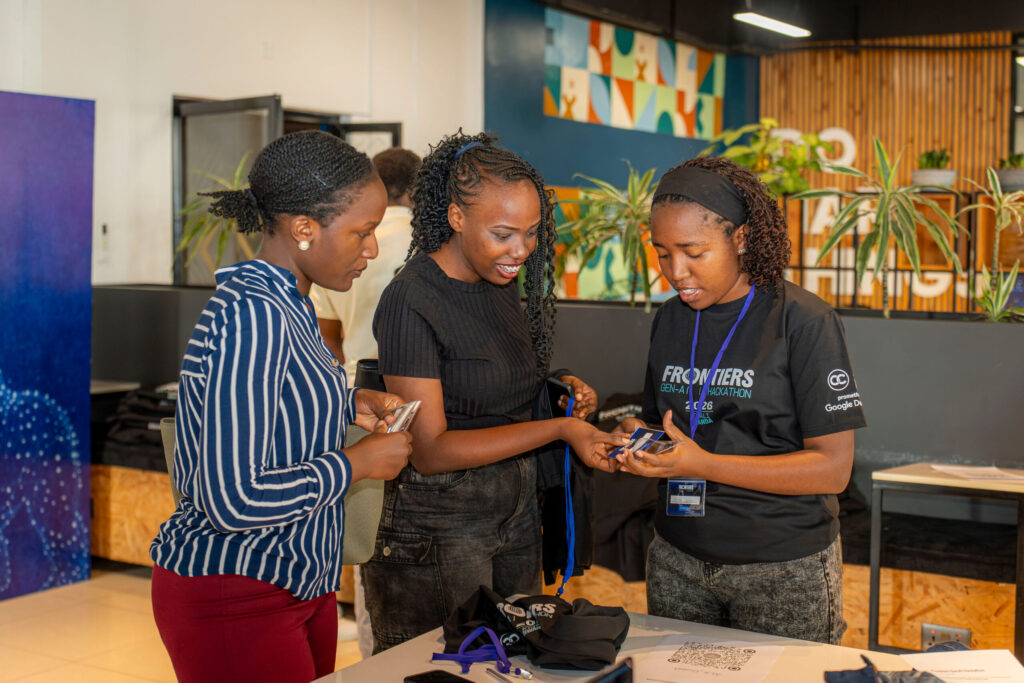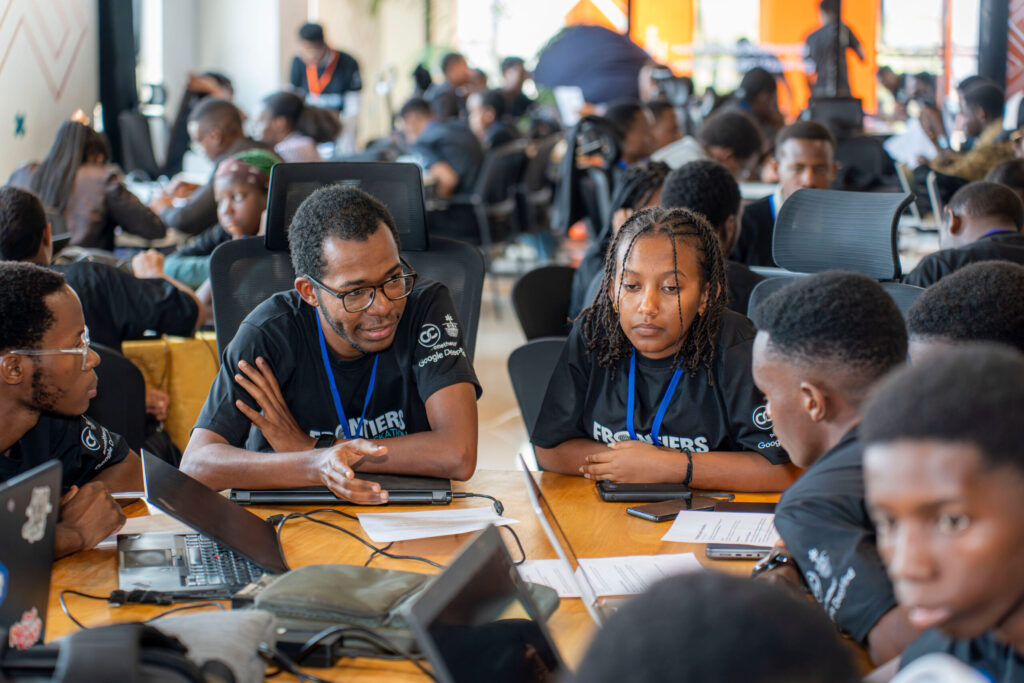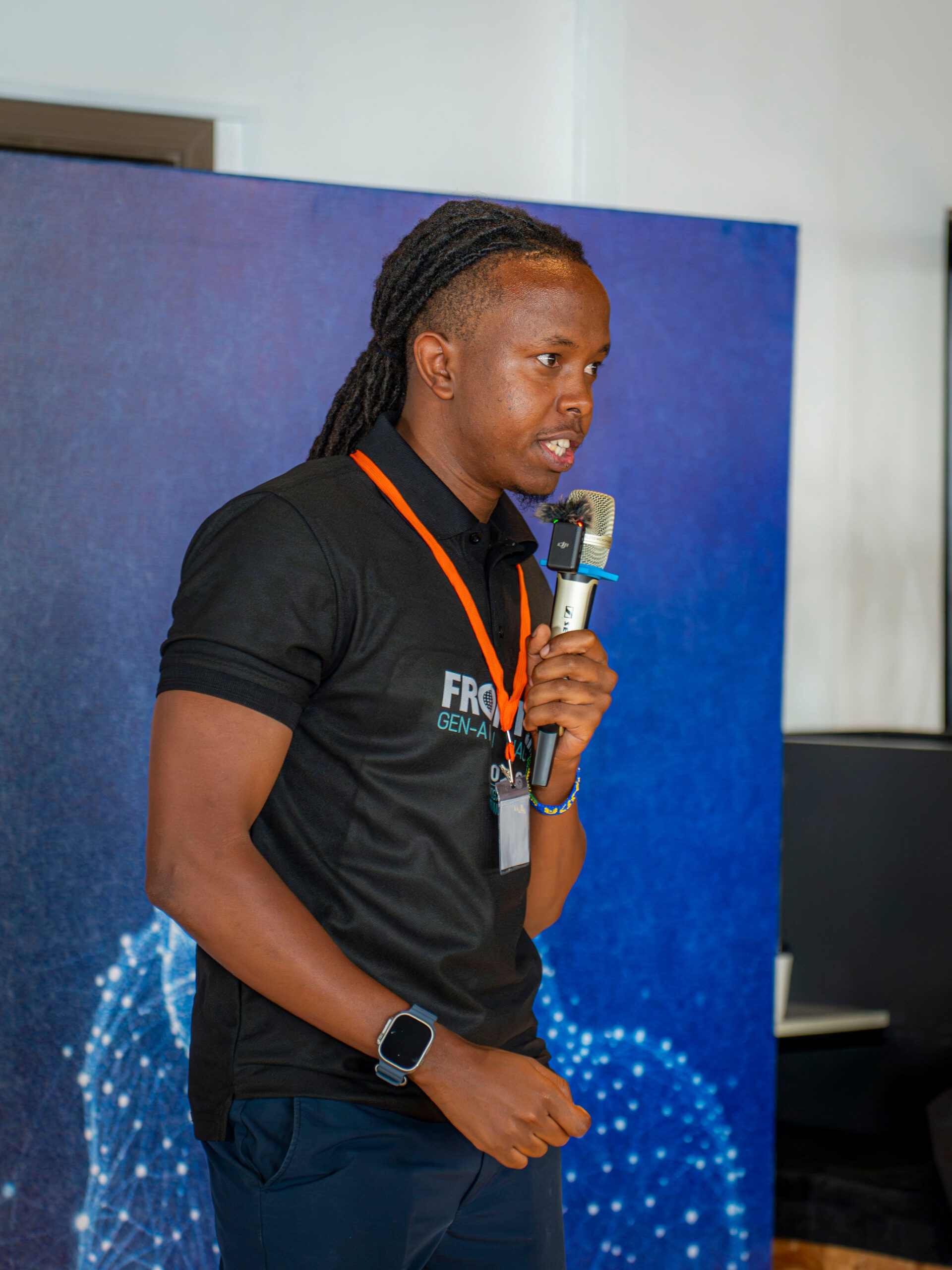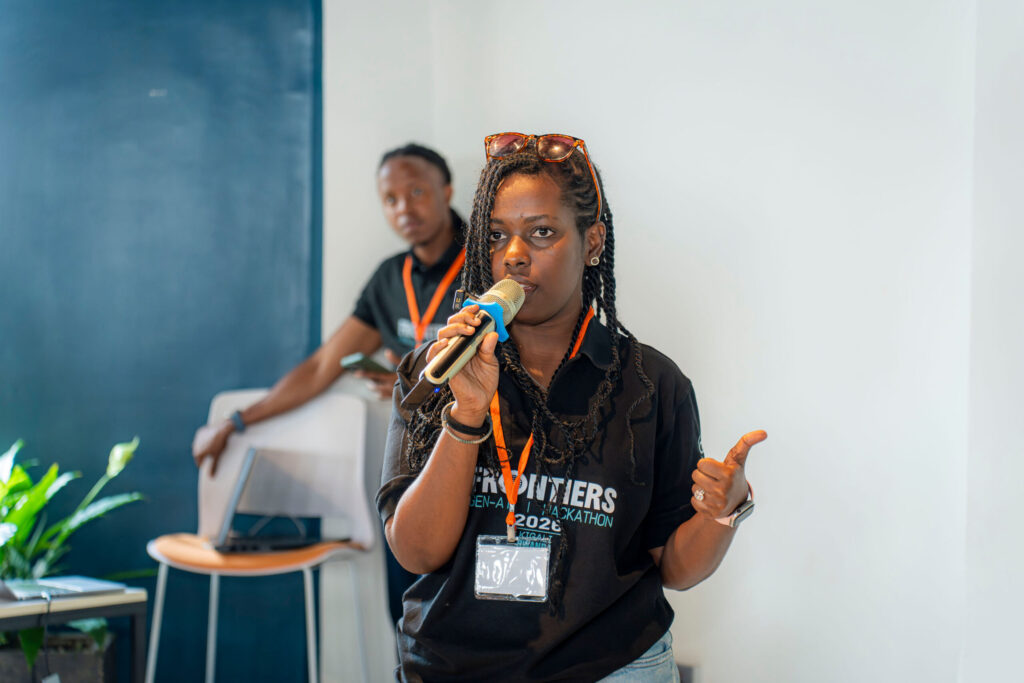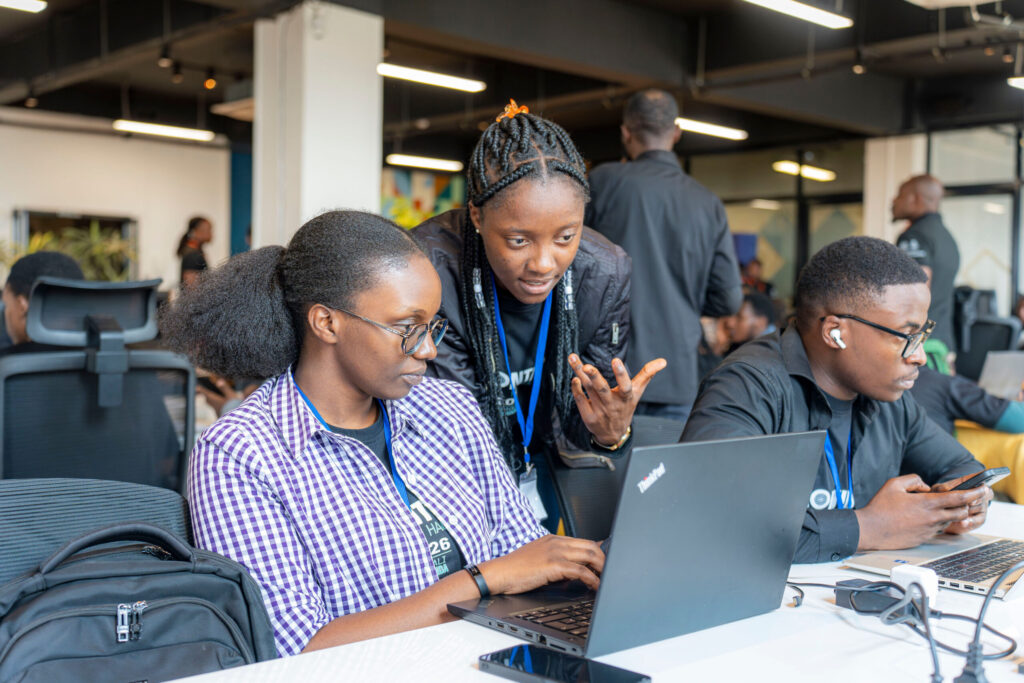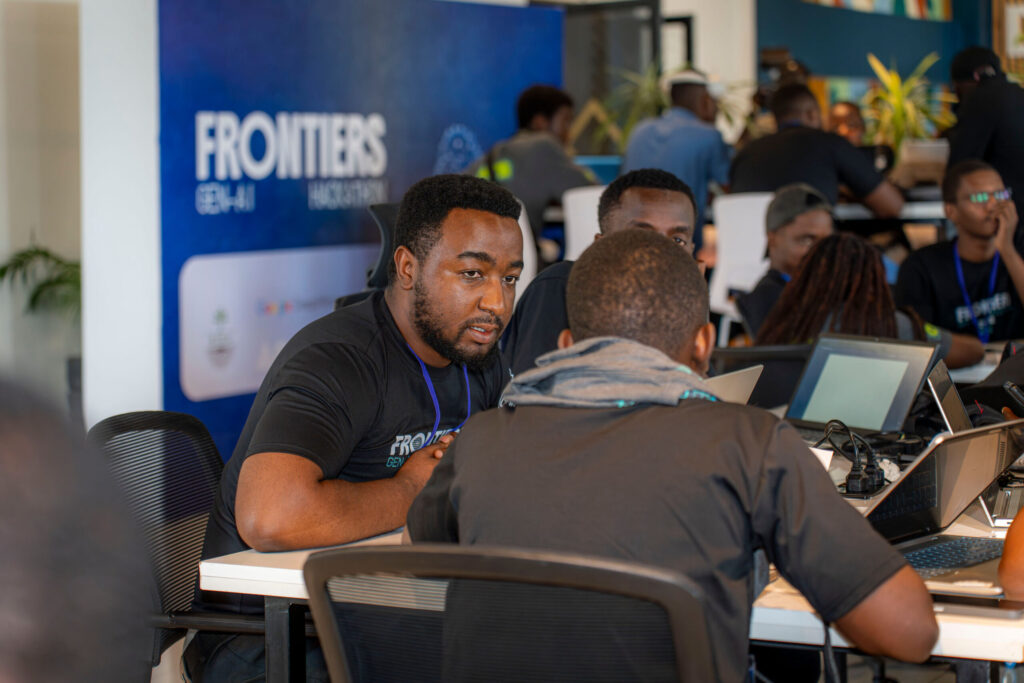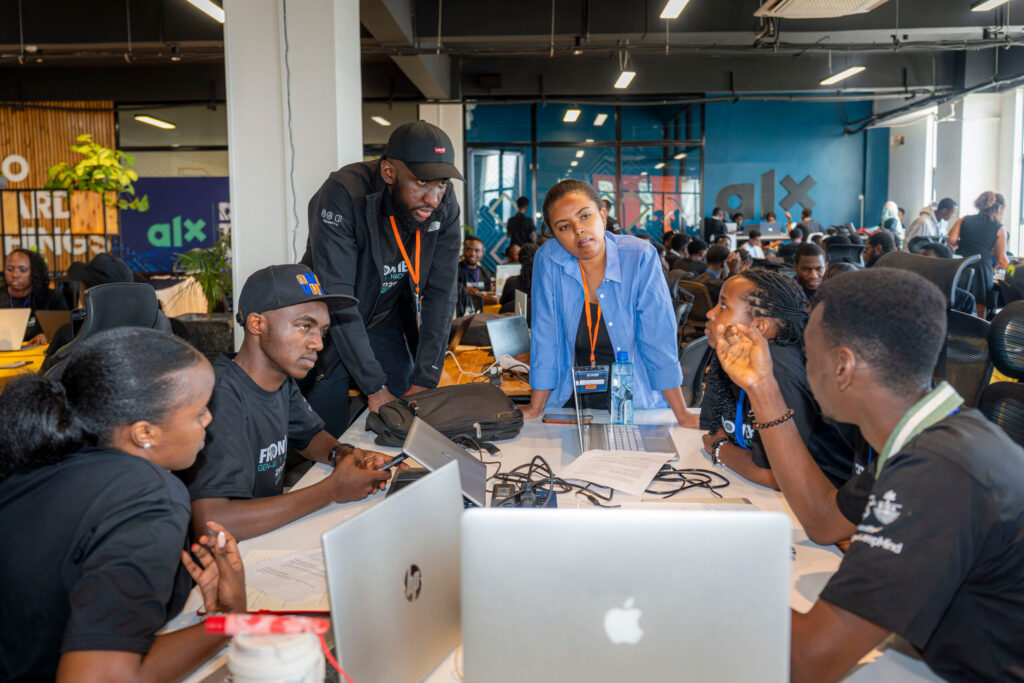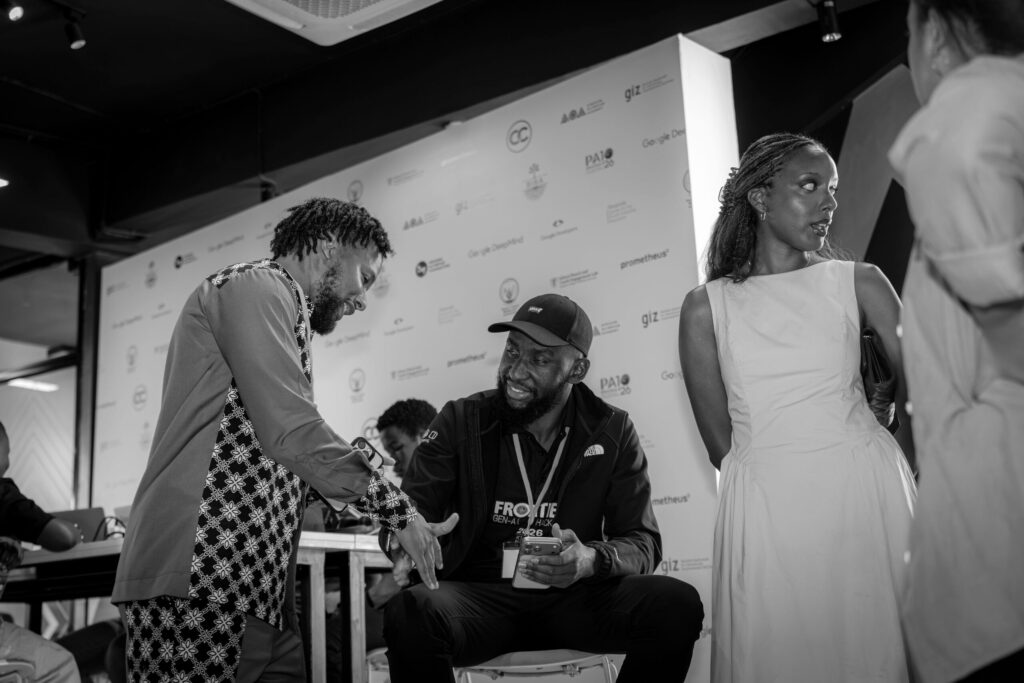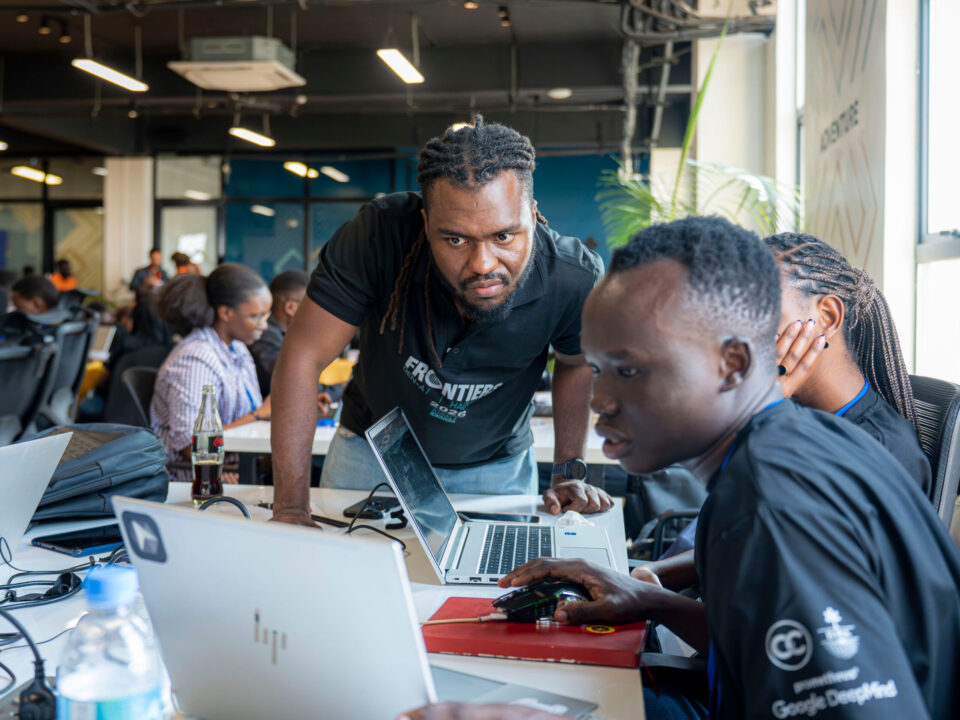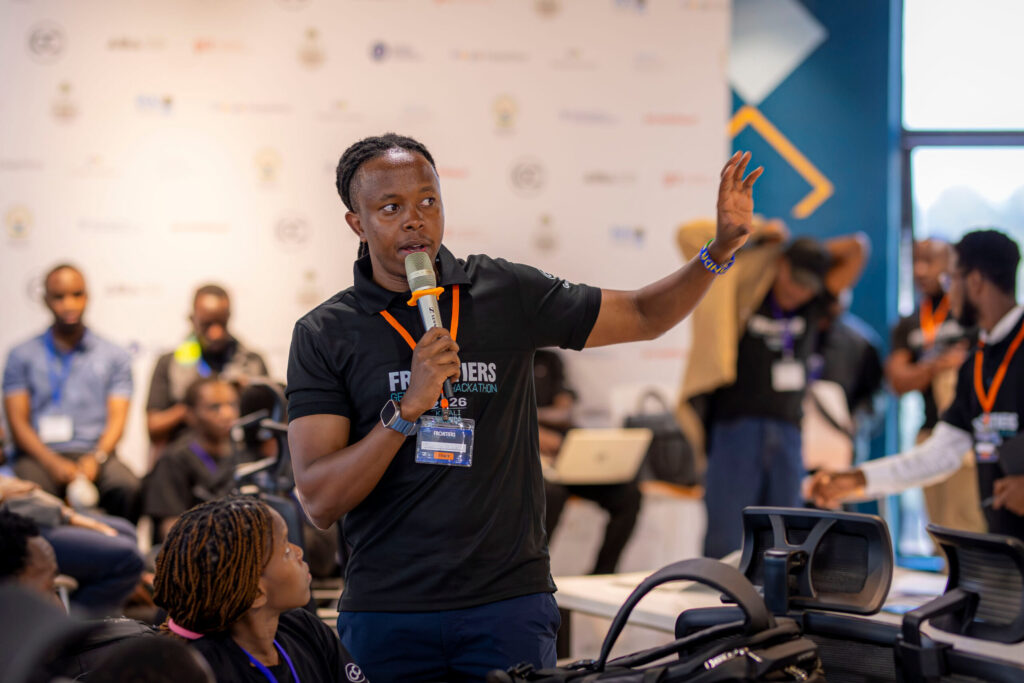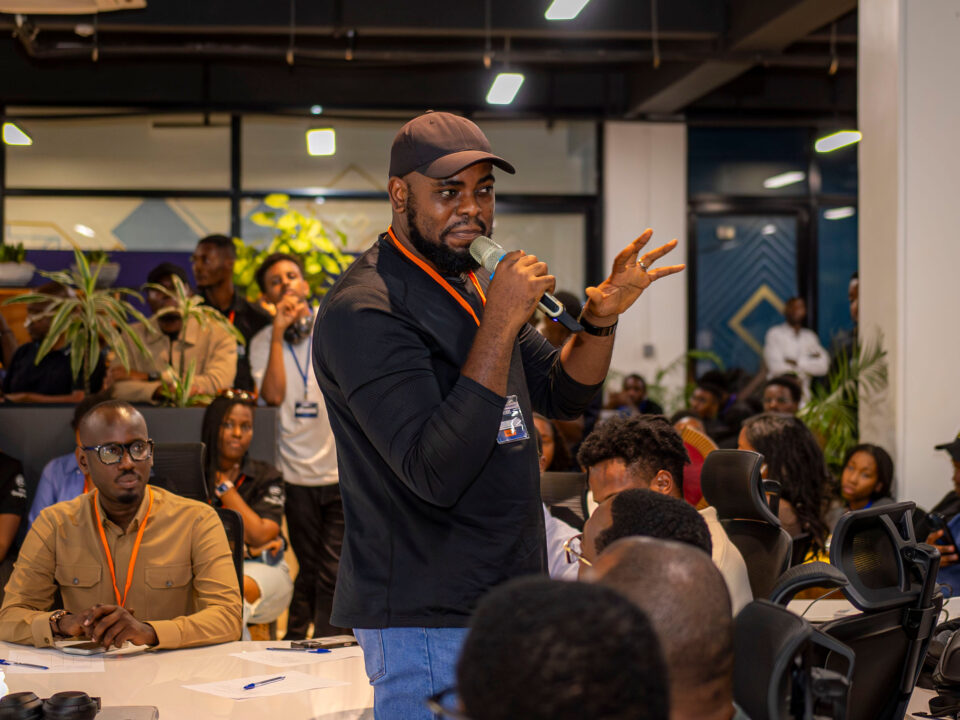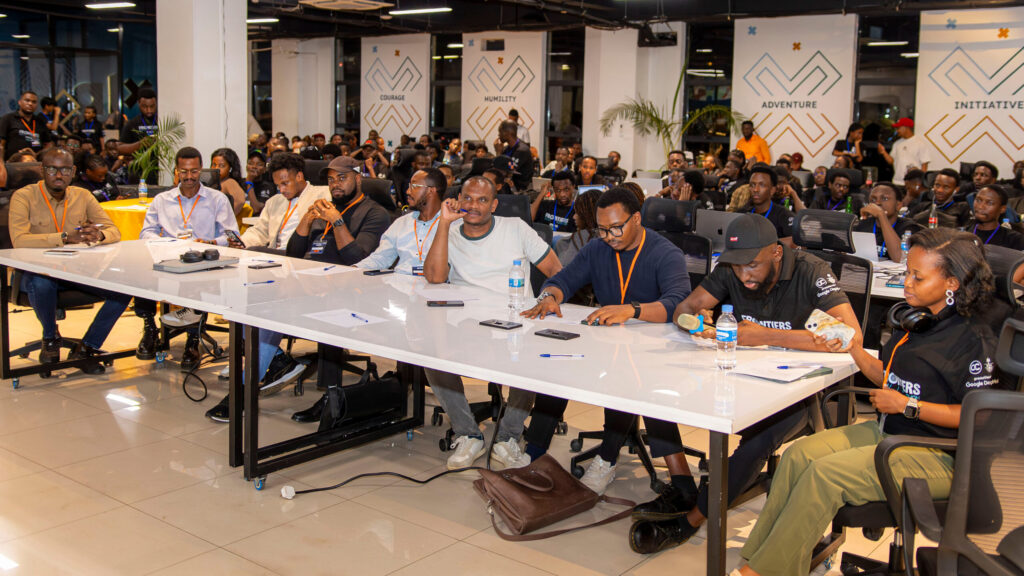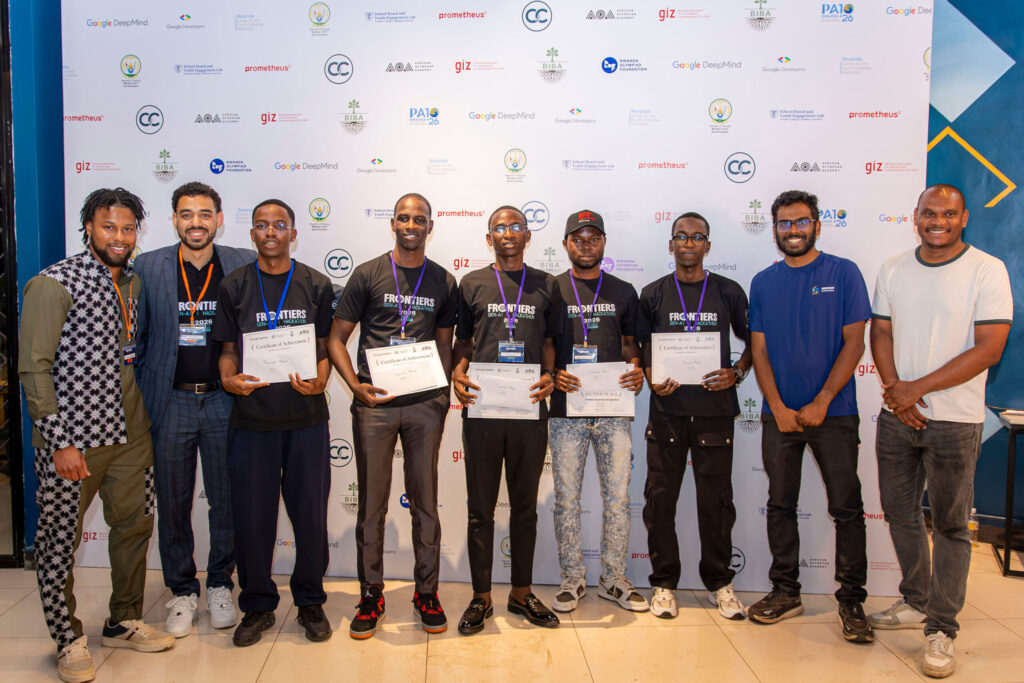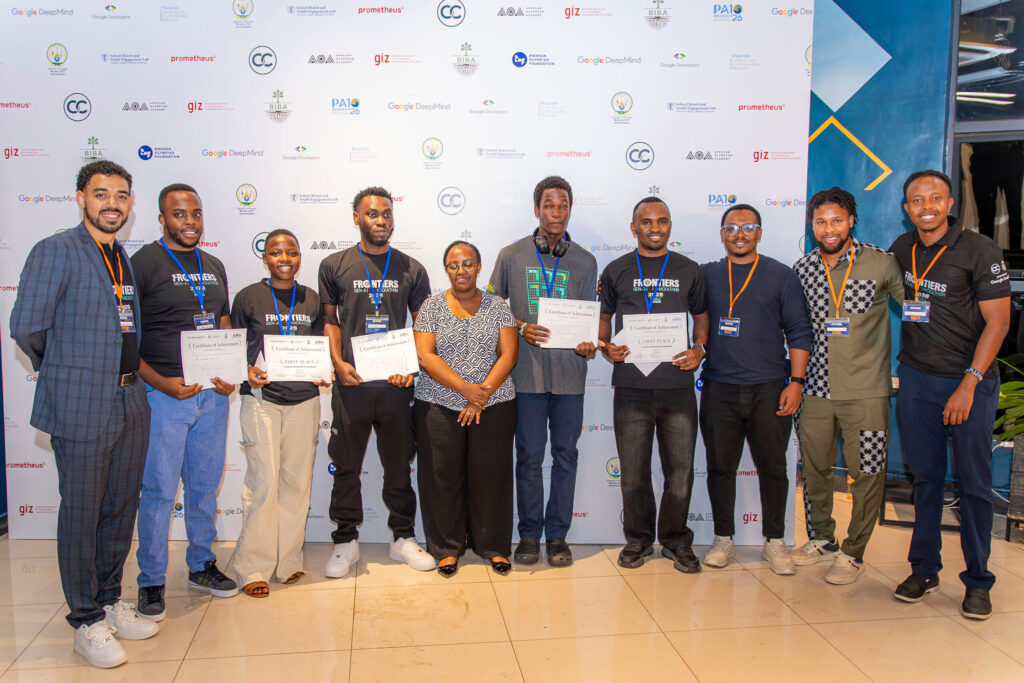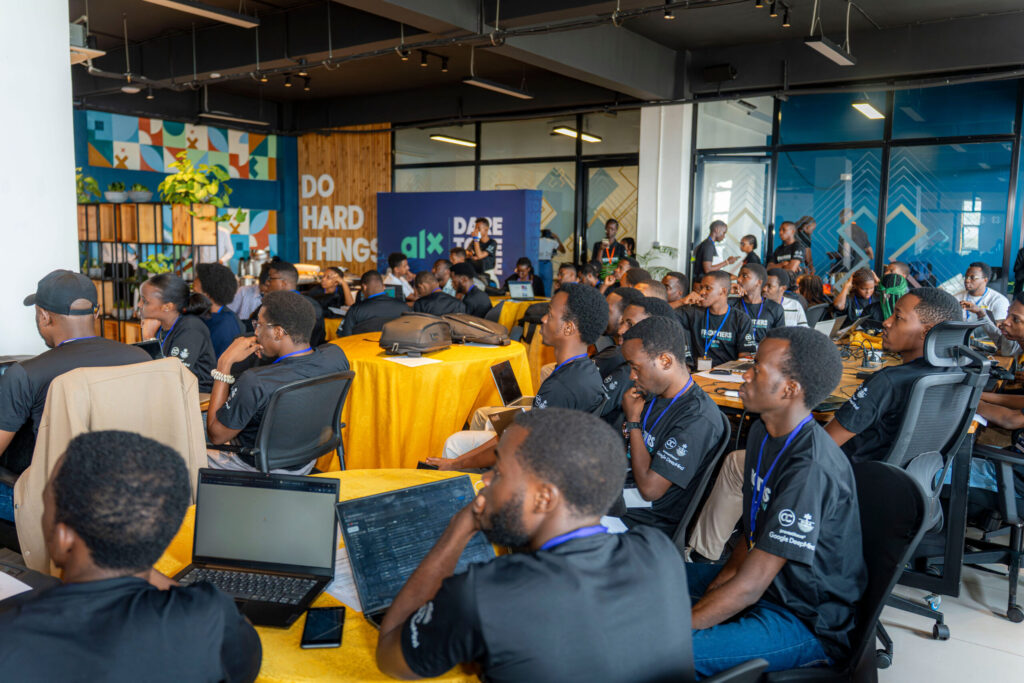
Participants at the Pan-African Informatics Olympiad (PAIO) 2026 Generative AI Hackathon.
KIGALI – When 13-year-old Busisiwe Pepileng left Lesotho for Kigali, she wasn’t just travelling to compete in an artificial intelligence hackathon. She was travelling to test an idea many young Africans quietly wrestle with.
By the time the Pan-African Informatics Olympiad (PAIO) 2026 Generative AI Hackathon came to an end, she believed she had found an answer to why where you come from shouldn’t determine how far you can go.
“I’ve made new friends. I’ve seen different types of diversity, and it has been such a great experience. Even though our country is small, we can go places. We can achieve our dreams,” she said.
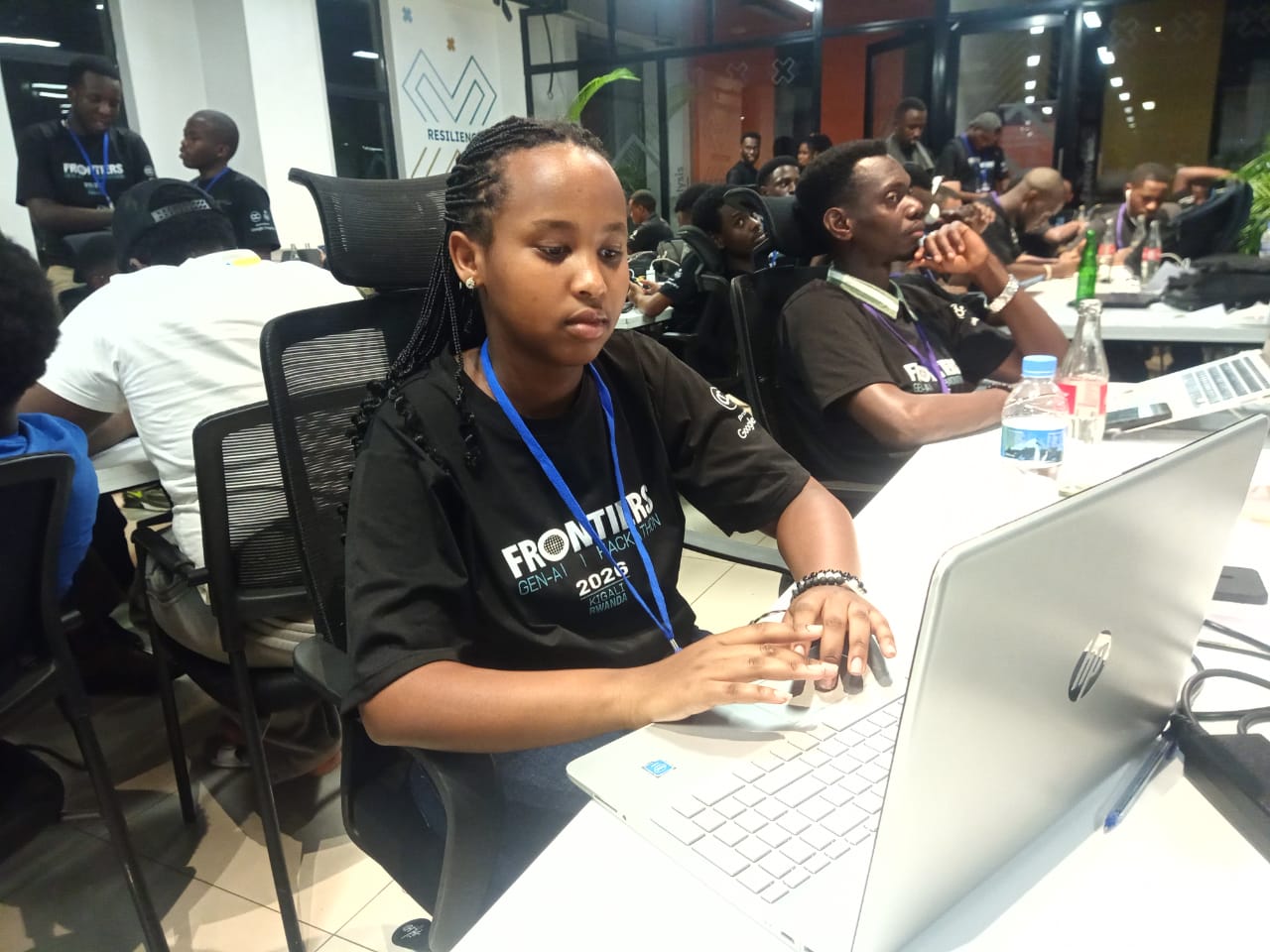
Busisiwe was among more than 200 of Africa’s brightest young programmers from 14 countries who gathered in Kigali for a 12-hour challenge to design practical solutions using Google’s latest Generative AI models.
But while the competition crowned three winning teams, many participants left believing the biggest prize was access.
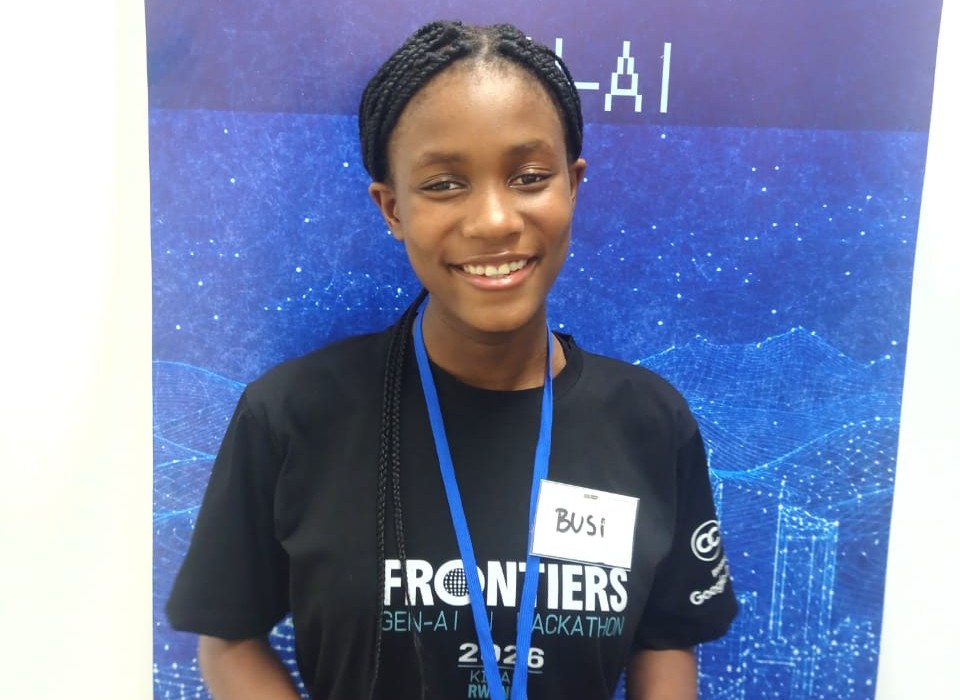
13-year-old Busisiwe Pepileng from Lesotho shared her experience at the hackathon in Kigali.
For 16-year-old Leila Keza of Maranyundo Girls School in Rwanda’s Bugesera district, the Olympiad represented an opportunity to think beyond the classroom.
“The Olympiad opens people’s minds. It helps us brainstorm, become competitive and solve problems. It also opens opportunities like scholarships and allows us to meet young people from different countries. We learn from one another and become friends,” she said.
Thierry Uwase, a Harvard Business School MBA student and organizer of the hackathon believes Africa’s greatest challenge in artificial intelligence is not a shortage of talent but limited access to the resources that allow talent to flourish.
According to him, many gifted young Africans never get the chance to work with cutting-edge AI tools, learn from experienced engineers or connect with investors capable of turning promising ideas into successful businesses.
16-year-old Leila Keza is a grade 4 student at Maranyundo Girls School in Rwanda’s Bugesera district.
The hackathon was designed to narrow that gap by bringing those opportunities to the continent instead of expecting students to travel abroad to find them.
Held in partnership with Google DeepMind and Rwanda’s Ministry of ICT and Innovation, participants spent 12 hours transforming ideas into working AI-powered solutions before presenting them to a panel of Google engineers, entrepreneurs, startup founders and technology experts.
Projects were judged not only on technical excellence but also on how effectively they addressed real African challenges. Teams were assessed on user experience, engineering quality, creativity, transparency of AI-generated outputs and the practical value of their solutions.
Samuel Olusola, a Nigerian master’s student at Carnegie Mellon University Africa, said one of the biggest lessons came from working alongside people whose experiences differed from his own.
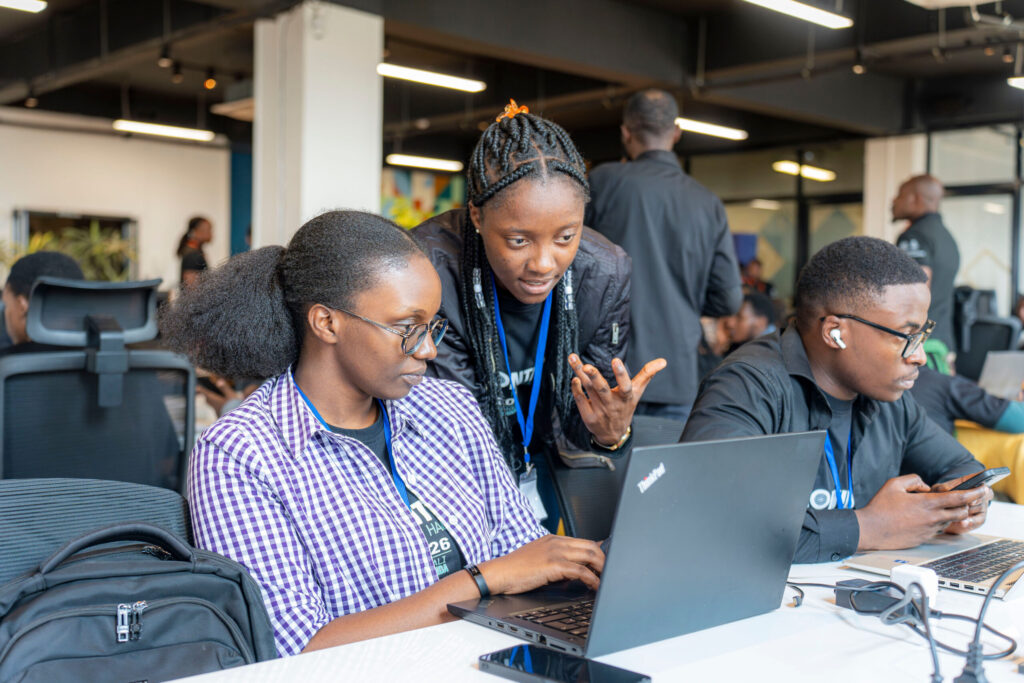
He found himself collaborating with secondary school students, university undergraduates and fellow postgraduate students from across Africa, exchanging ideas, challenging assumptions and learning new ways to approach problems.
“What stood out was the diversity of the teams. You hear different perspectives, brainstorm together and build something better than you could alone,” he said.
He also believes advances in generative AI are changing how quickly young innovators can transform ideas into working products.
“In the past, you could spend hours just building a login page. With these AI tools, we were able to focus more on solving the problem than writing every line of code.”
For Samillah Mutoni, a final-year Software Engineering student at the Adventist University of Central Africa, the opportunity began with something as simple as a LinkedIn post.
After applying, she found herself working alongside engineers and mentors while developing an AI-assisted solution inspired by a problem she had seen firsthand: simplifying money transfers across mobile money and banking platforms.
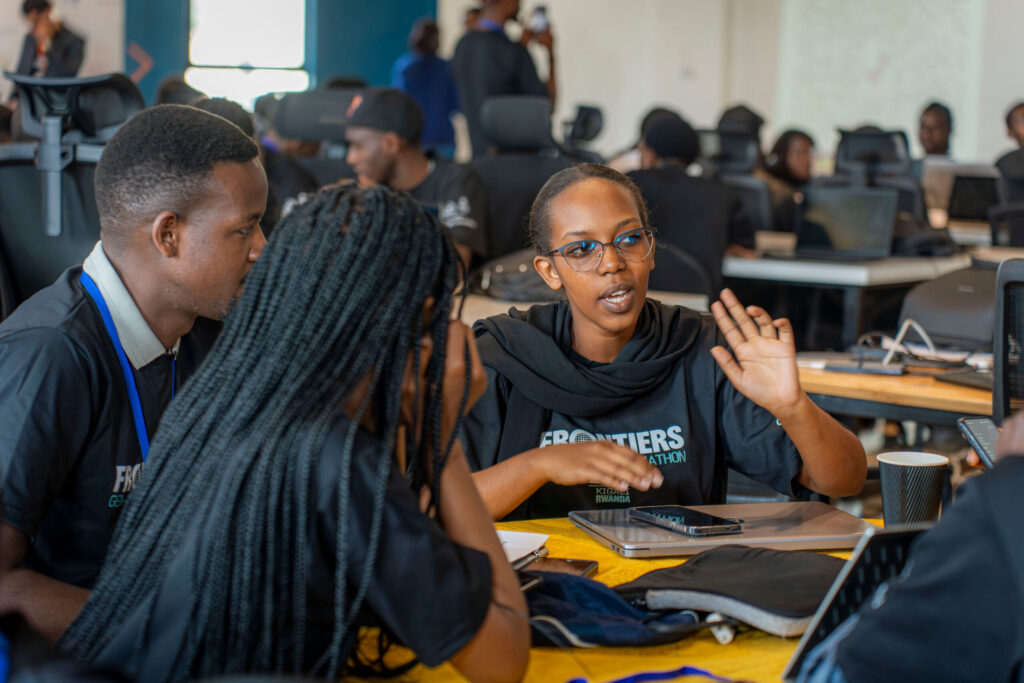
Samillah Mutoni (C), is a final-year Software Engineering student at the Adventist University of Central Africa.
Although adapting to unfamiliar AI development tools proved challenging, she says the experience reinforced an important lesson.
“AI can help you build faster, but it starts with your idea. If your idea is unique, AI becomes a tool to help you make it real,” she said.
That belief, that technology should amplify human creativity rather than replace it, was evident throughout the competition.
For many participants, the event was as much about building relationships as building software. Students who arrived as strangers left with professional networks stretching from Rwanda and Nigeria to Egypt, Lesotho and beyond, connections they hope will outlast the competition itself.
An ecosystem where talented African students have continuous access to world-class technology, mentorship, funding and global networks, allows them to transform promising ideas into solutions capable of solving problems across the continent.
As artificial intelligence reshapes economies around the world, the students who gathered in Kigali believe Africa’s role should not simply be to consume the technology, but to help create it. For many of them, that journey has already begun.