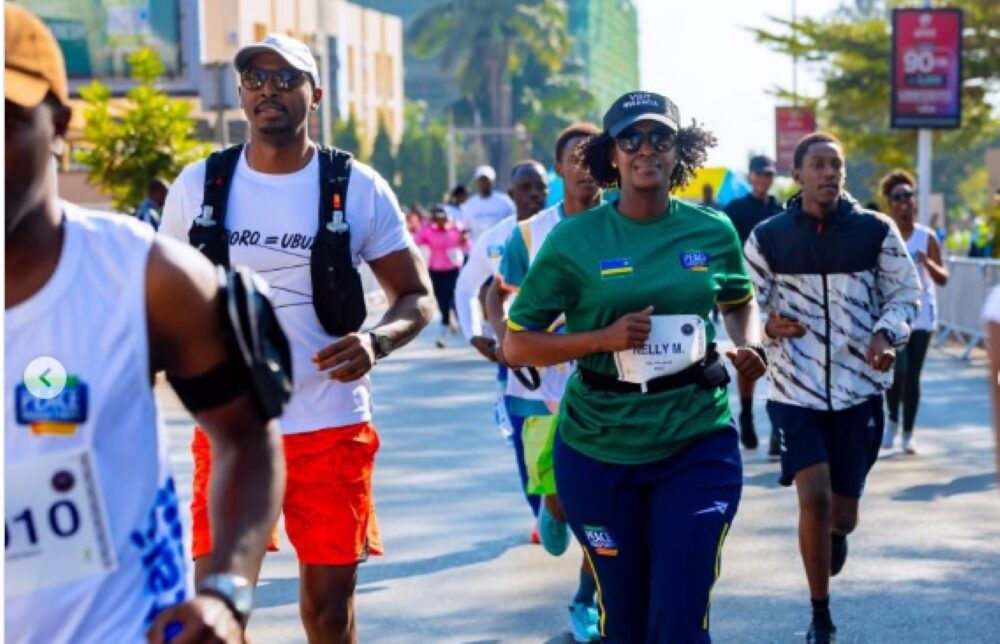


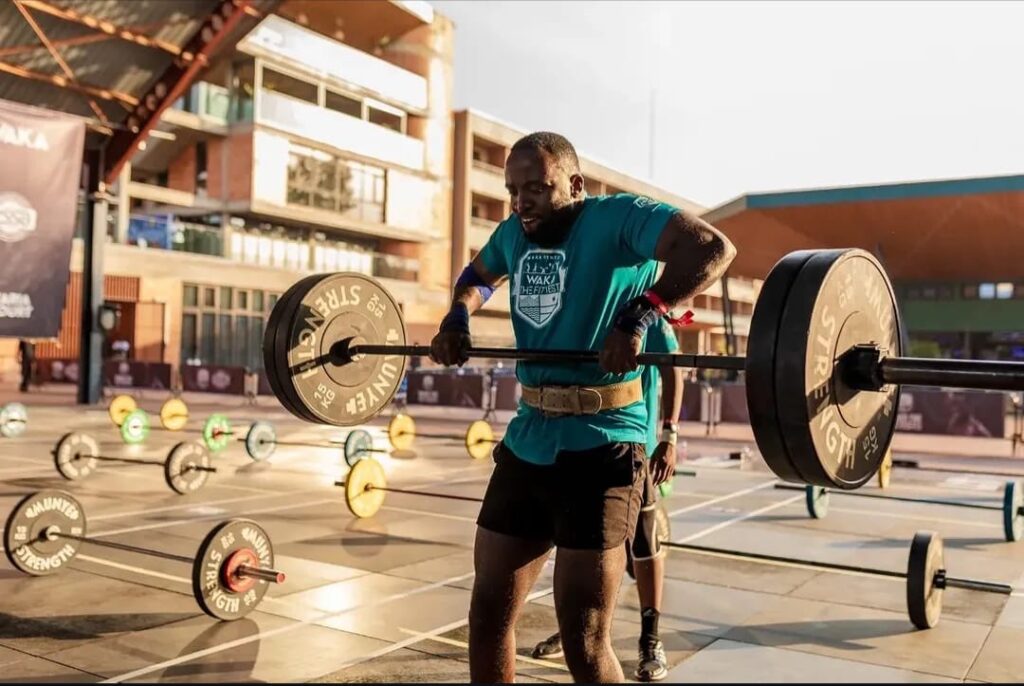
Competitors test strength, endurance and technique through regular workouts.
KIGALI – Rwanda’s senior leaders spend much of their public lives opening hospitals, launching development projects and presiding over national ceremonies. Increasingly, they are also showing up as supporters in the stands of community fitness events.
When Health Minister Dr. Sabin Nsanzimana and Sports Minister Nelly Mukazayire recently joined hundreds of spectators to watch a fitness competition in Kigali, they were not there to compete.
They were there to lend their support to a cause that physical activity is one of the most effective investments people can make in their own health, a message both have championed consistently.
“Sport is one of the best investments we can make in our health and wellbeing. Let’s embrace physical activity, combine cardio and strength training, eat healthy, and make sport part of our everyday lives. Sport is health!” Minister Mukazayire wrote.
In his post, Nsanzimana echoed the same philosophy, reminding Rwandans that strength training is not simply about appearance.
“Strength training isn’t just about looks. It’s one of the best investments in longevity. Muscle loss starts at age 30, but regular strength training can reverse it. Cardio and strength both matter. Eat healthy,” he said.
Coming from the country’s top health and sports officials, the messages carry a lot of weight. Their statements reflect Rwanda’s growing emphasis on preventing disease through healthier lifestyles rather than relying solely on treatment after illness develops.
From Awareness to Habit
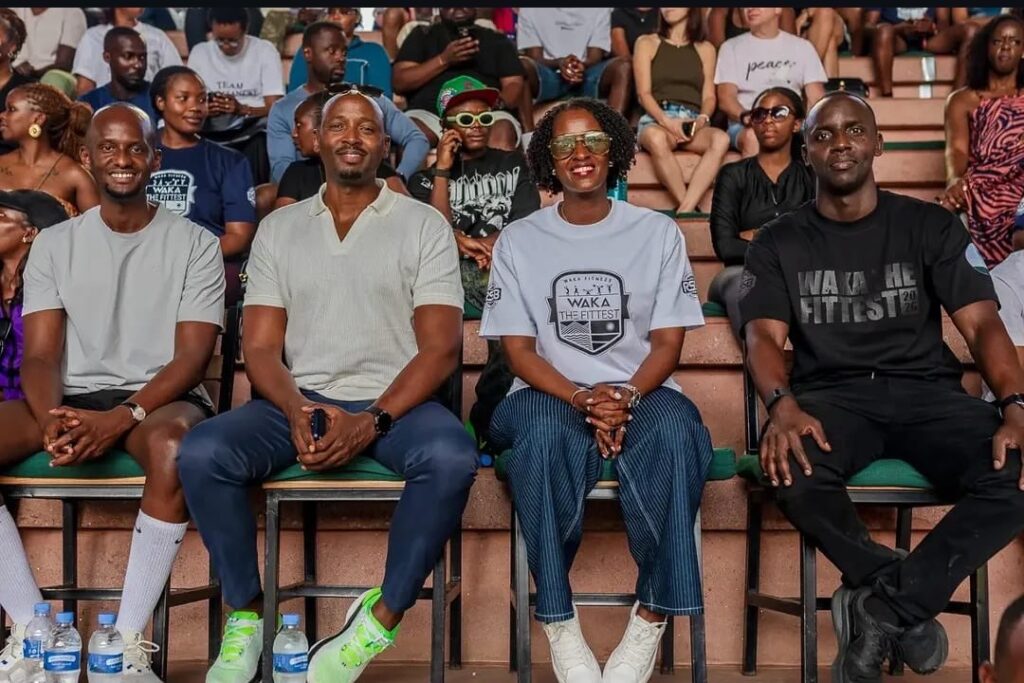
Health Minister Dr. Sabin Nsanzimana and Sports Minister Nelly Mukazayire are regular spectators or participants in fitness competitions.
Public endorsements, especially from high profile leaders, can inspire people to think differently about exercise, but lasting health is rarely built during a single event.
It is built quietly, in neighborhood gyms before sunrise, during evening workouts, and through routines repeated week after week. That is where Rwanda’s growing fitness culture is becoming increasingly visible.
Across Kigali, gyms are increasingly attracting different kinds of members than they did a few years ago.
What was once largely associated with athletes and bodybuilders has steadily evolved into a space shared by office workers, entrepreneurs, parents, university students and older adults looking to stay active.
At Fitness Point’s branches in Remera, Gacuriro and Kimihurura, trainers say the conversations with members have also changed.
Many people no longer walk through the doors asking only about losing weight or building muscle.
Instead, they speak about reducing stress, improving posture after long hours behind a desk, managing persistent back pain, increasing energy levels and maintaining strength as they grow older.
The shift mirrors the message increasingly coming from health professionals, that regular movement is not simply recreation but an important part of preventive healthcare.
A Different Picture of Fitness
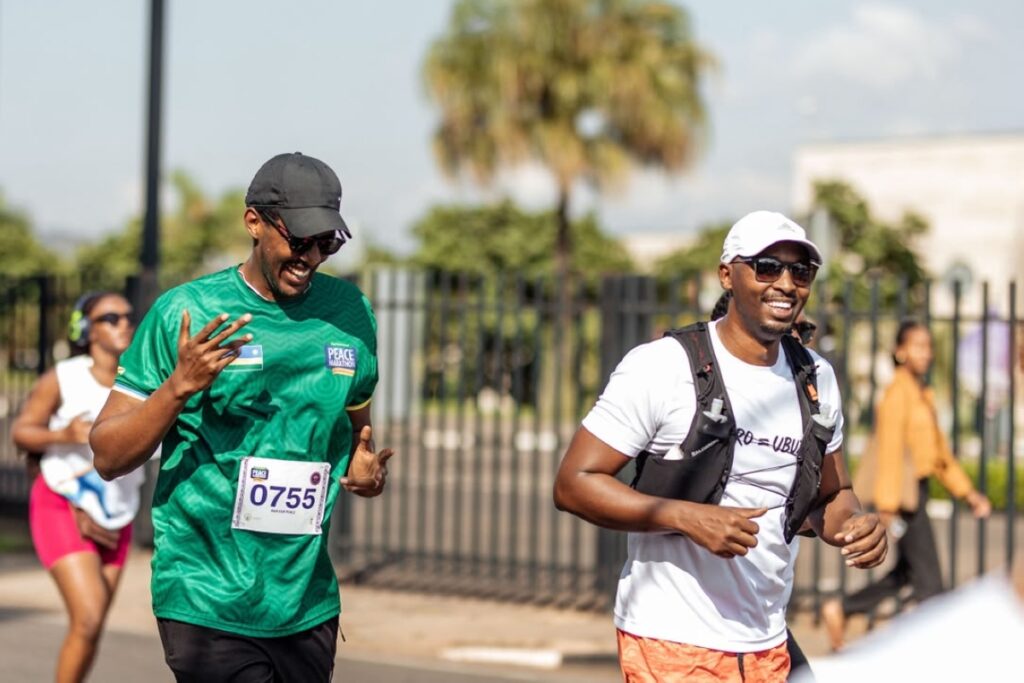
When leaders show up, fitness becomes a national conversation.
Cabinet ministers, surrounded by ordinary spectators, cheering on participants is a scenario suggesting that fitness is no longer viewed as a niche interest reserved for elite athletes or gym enthusiasts.
It is gradually becoming part of a broader national conversation about healthy living. That conversation is also changing perceptions of what exercise looks like.
For some people, it begins with a brisk walk around the neighborhood. For others, it is a weekend hike, a morning run or three structured gym sessions each week. The destination is less important than the decision to make movement part of everyday life.
Felix Niyibizi, a weekend regular trainer at Mumena Stadium in Nyamirambo, says the biggest transformation happens when people stop treating exercise as an occasional activity and begin making it part of their routine.
“What I see every weekend is that people don’t need to start with intense workouts. The real change comes when they commit to moving consistently through walking, stretching, jogging or doing simple strength exercises regularly,” Niyibize said.
Fitness Point provides spaces where members can pursue those goals consistently rather than occasionally. Trainers often note that the biggest achievement is not completing a difficult workout, but returning often enough for exercise to become a habit.
As the ministers indicate, healthier communities are built not only through better hospitals and medicines, but also through everyday choices that keep people active. And by simply showing up they are helping move fitness further into Rwanda’s national conversation about health.