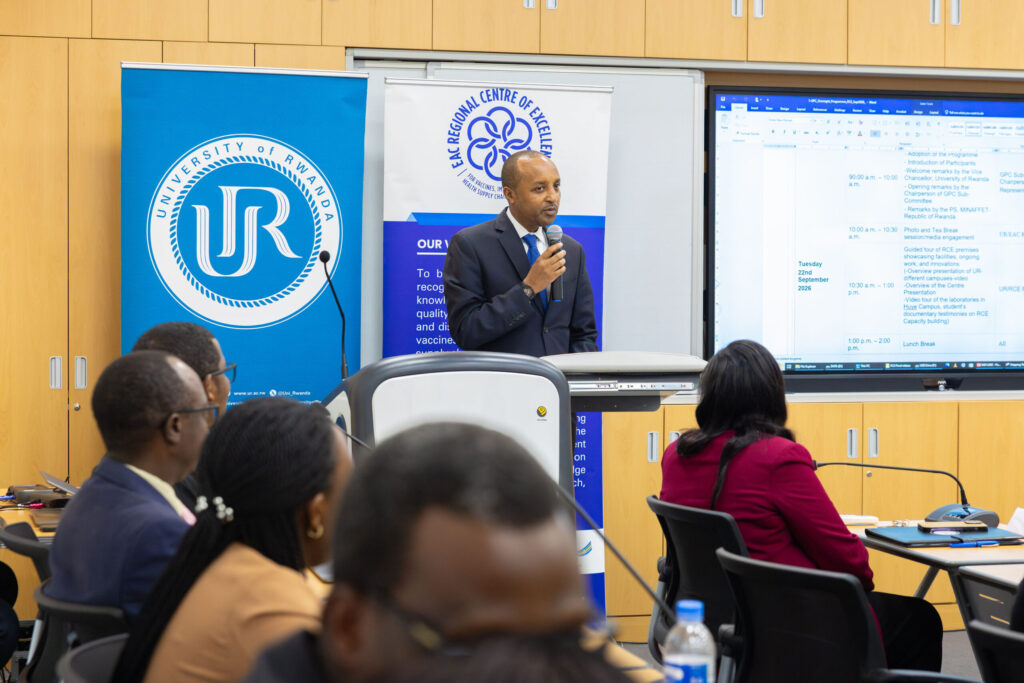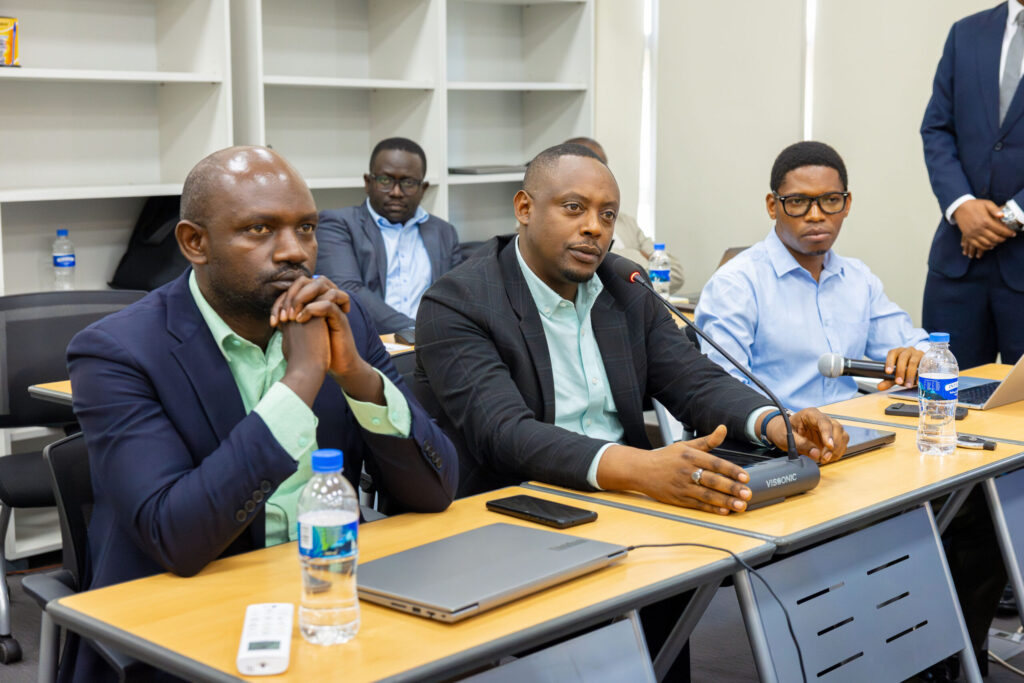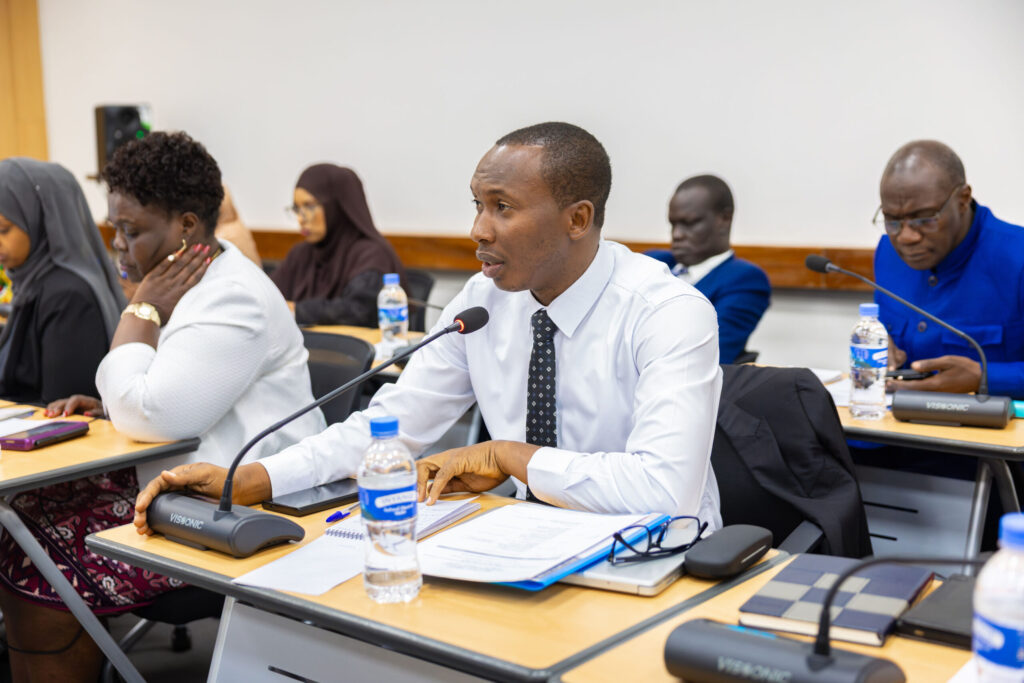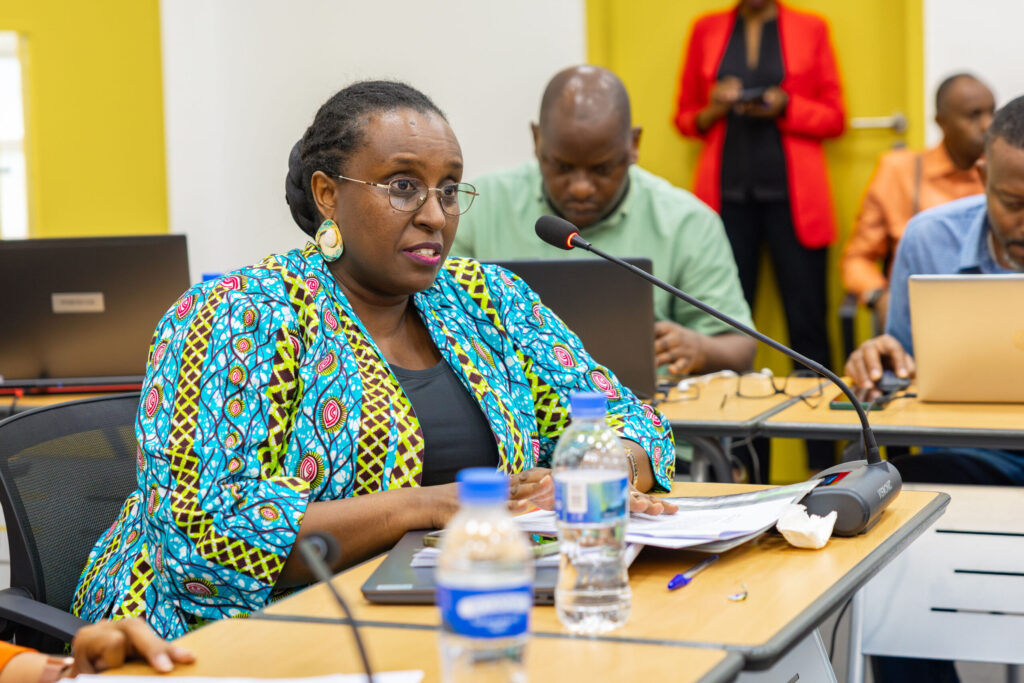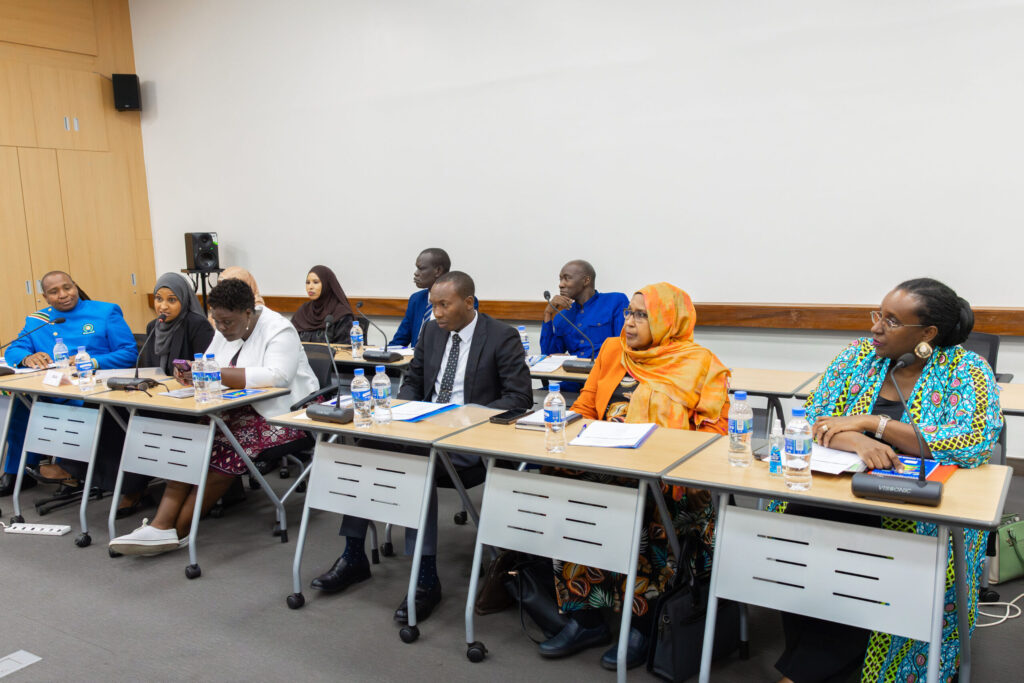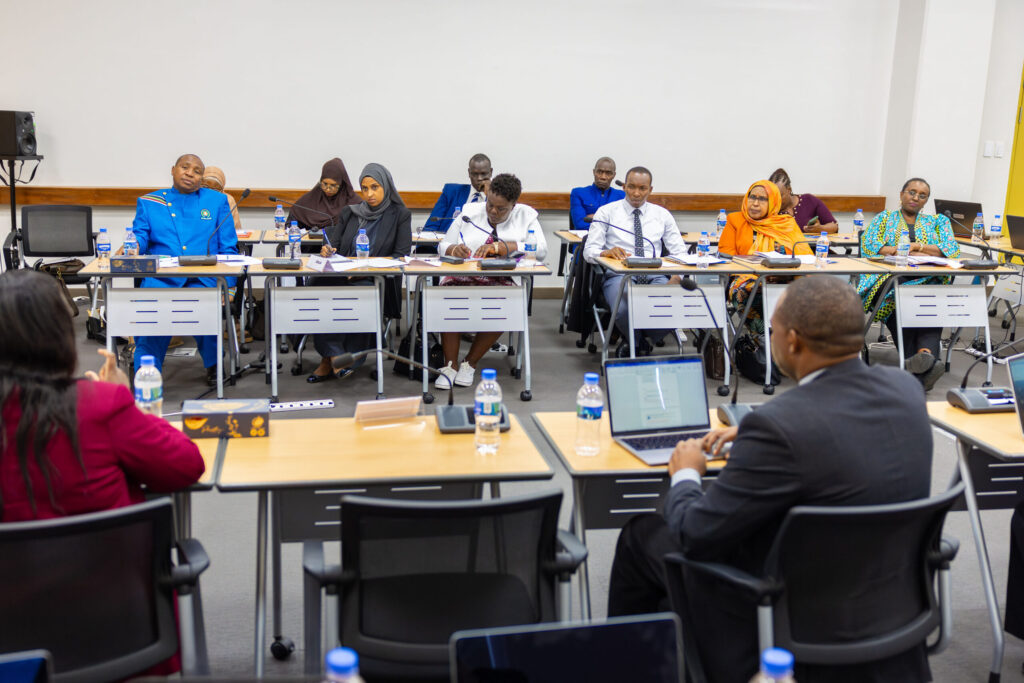
Members of EALA’s Committee on general purpose, who are in Kigali for an oversight mission.
KIGALI – The COVID-19 pandemic exposed a problem that East African governments are still trying to solve: when vaccines and other essential medical supplies became scarce, the region had limited control over where they came from and how quickly they could obtain them.
Now, lawmakers from the East African Community are looking to a training centre in Rwanda as part of a broader effort to reduce that dependence.
Members of the East African Legislative Assembly’s Committee on General Purpose, visiting Kigali this week, said they would push for greater regional financing for the Regional Centre of Excellence for Vaccines, Immunization and Health Supply Chain Management, which is hosted by the University of Rwanda.
The centre was established in 2014 and launched in 2016 to train specialists in areas including vaccine management, pharmaceutical quality control, regulation and the supply chains needed to move medicines across the region.
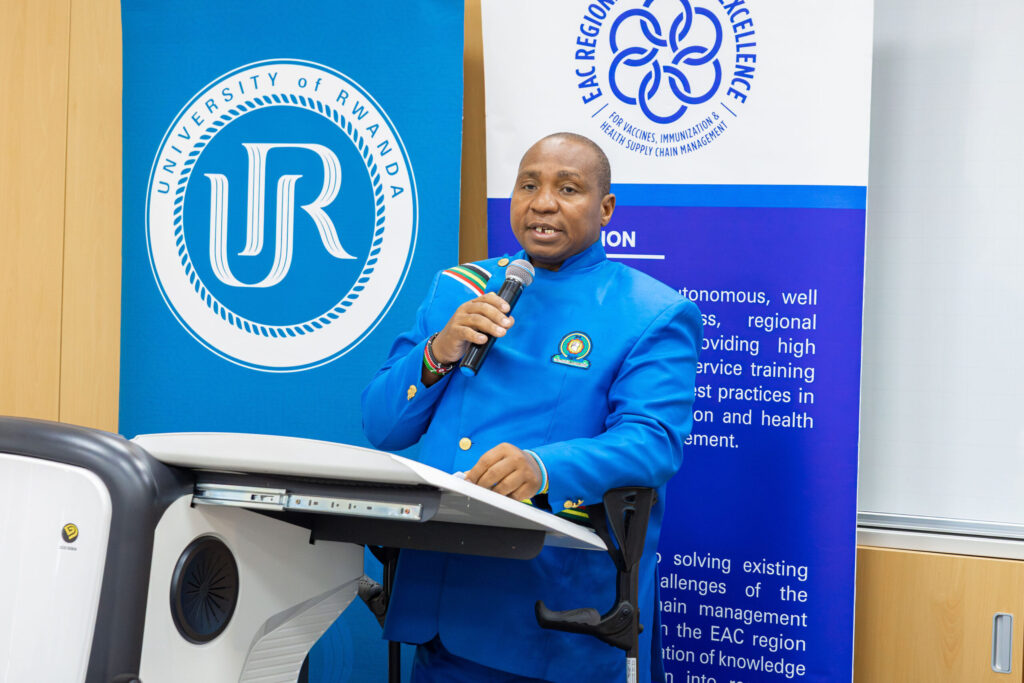
Hon. David Ole Sankok, the committee chairperson speaking to delgates.
Its officials say the centre has trained nearly 500 students through its master’s programs and more than 3,000 others through short courses.
But its future also exposes a wider problem facing regional institutions: how to maintain programs built partly with donor support when external financing is becoming harder to secure.
David Ole Sankok, chairman of the EALA committee, said the assembly would consider allocating more resources to the centre through the regional budget.
“During our budgeting process, we will be able to send more resources to this Centre of Excellence because we believe in it,” he said.
The lesson of COVID
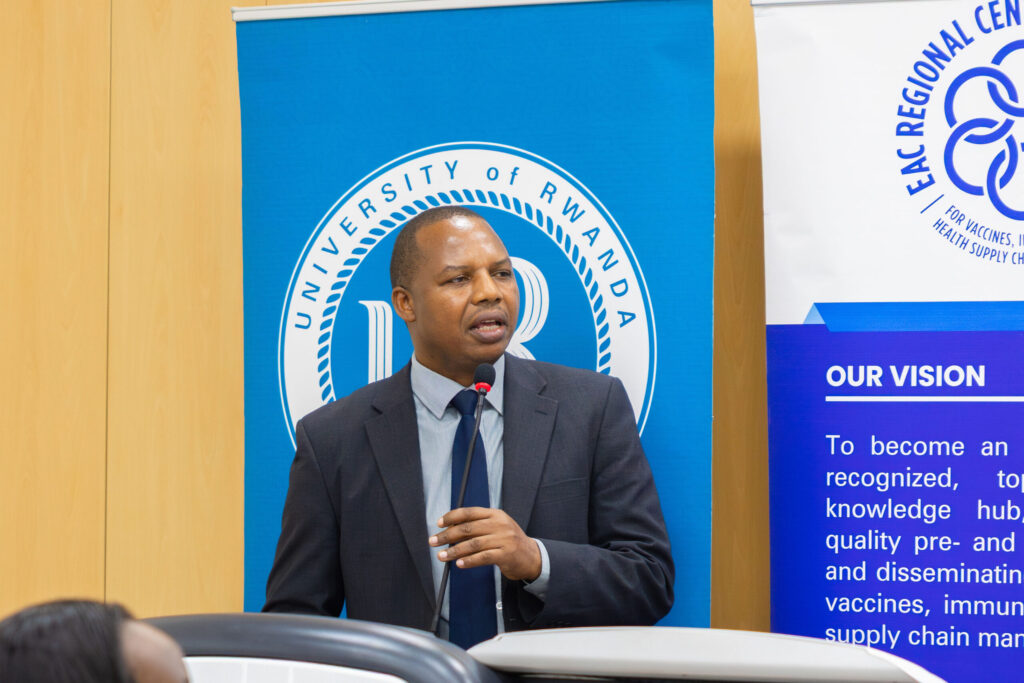
John Patrick Mwesigye, is the Director of the Regional Centre of Excellence for Vaccines, Immunization and Health Supply Chain Management.
John Patrick Mwesigye, the centre’s director, said the pandemic demonstrated the consequences of Africa’s dependence on external sources for critical medical products.
“When the pandemic came, that’s when Africa realized that we may be in a global village, but to some extent the village can be very difficult to navigate around,” he said.
“Some people needed life-saving products in vain while others somewhere else had them.”
The problem was not simply a shortage of vaccines. Countries also faced difficulties forecasting demand, securing supplies, maintaining cold chains, assuring pharmaceutical quality and distributing products efficiently.
Those are among the areas in which the Rwandan centre is trying to build expertise that can be shared across East Africa.
The centre is also involved in an effort to address another weakness exposed by the pandemic: the region’s fragmented purchasing power.
A $94 million test of regional cooperation
East African countries generally negotiate separately with suppliers. The centre is working on a system under which governments could combine information about their demand and eventually negotiate jointly for some medical products.
Mwesigye said products with a combined value of about $94 million have so far been identified for the initiative.
The logic is straightforward: a larger regional order could give governments more leverage when negotiating prices and supplies.
But turning that idea into a functioning regional procurement system would require governments to agree on what they need, how purchases are financed and how contracts are awarded.
It could also create a larger and more predictable market for pharmaceutical manufacturers in East Africa, the centre says.
The financing problem
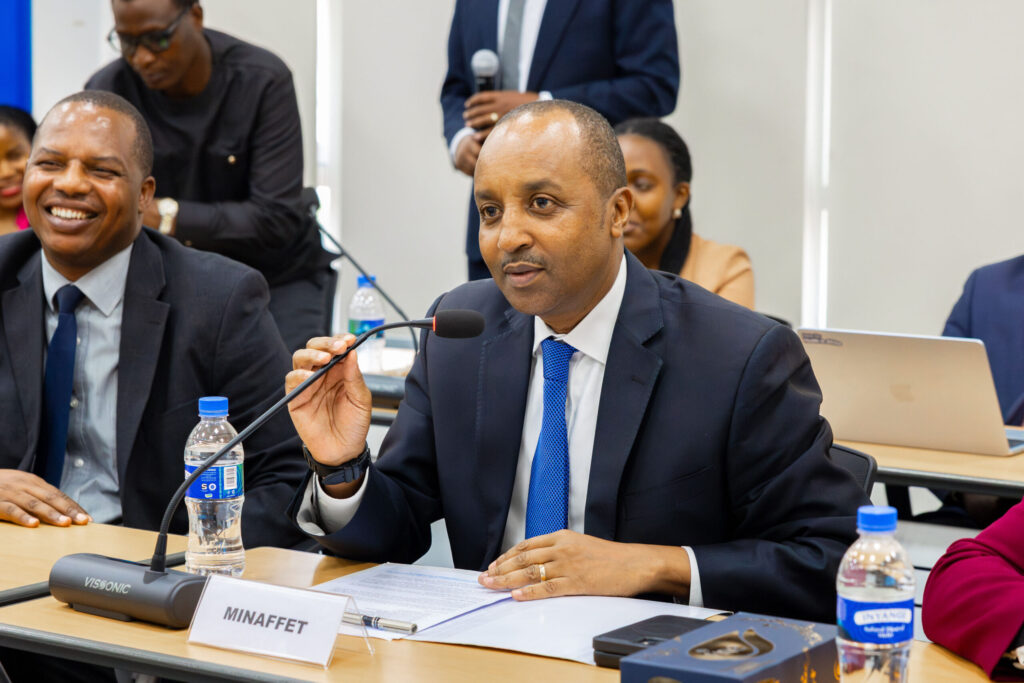
Ambassador Fidelis Mironko, the Permanent Secretary in the Ministry of Foreign Affairs and International Cooperation.
Rwanda wants the EAC itself to take greater responsibility for sustaining the institution.
Fidelis Mironko, Permanent Secretary at Rwanda’s Ministry of Foreign Affairs and International Cooperation, said development partners had helped support the centre alongside Rwanda.
But he argued that long-term financing should increasingly come from EAC member states.
“Predictable financing will strengthen regional ownership while opening space for strategic partnerships and new approaches to resource mobilization,” Mironko said.
That question is likely to become more important as the centre moves toward dedicated infrastructure in Kigali.
The issue is not simply whether Rwanda can maintain the institution. It is whether an organisation designed to serve the wider region can be financed and governed as a genuinely regional institution.
Somalia sees a wider opportunity
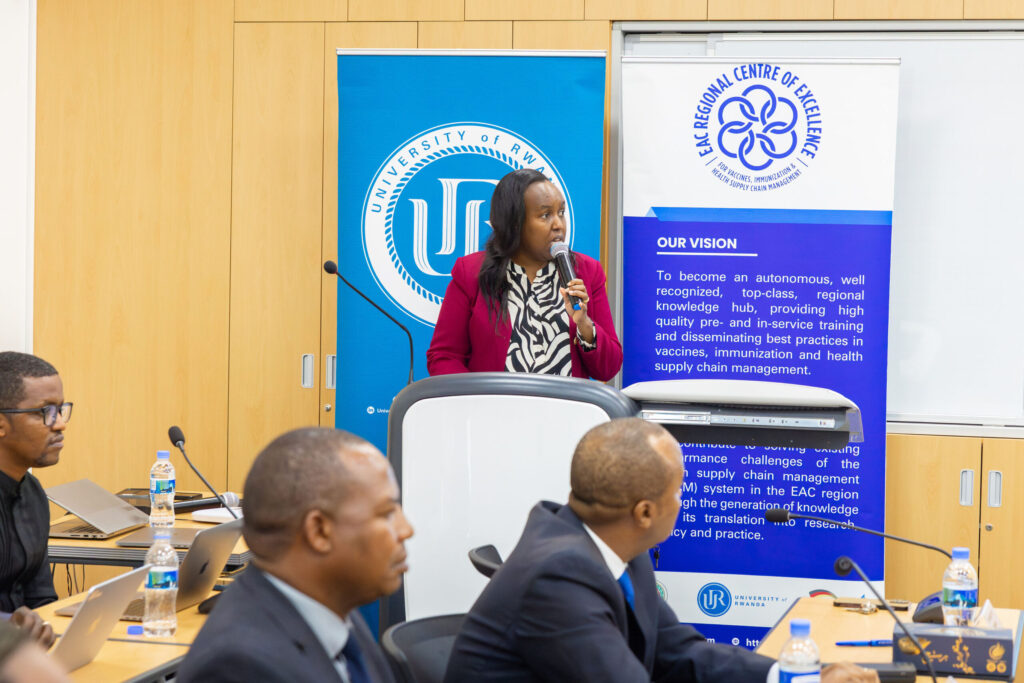
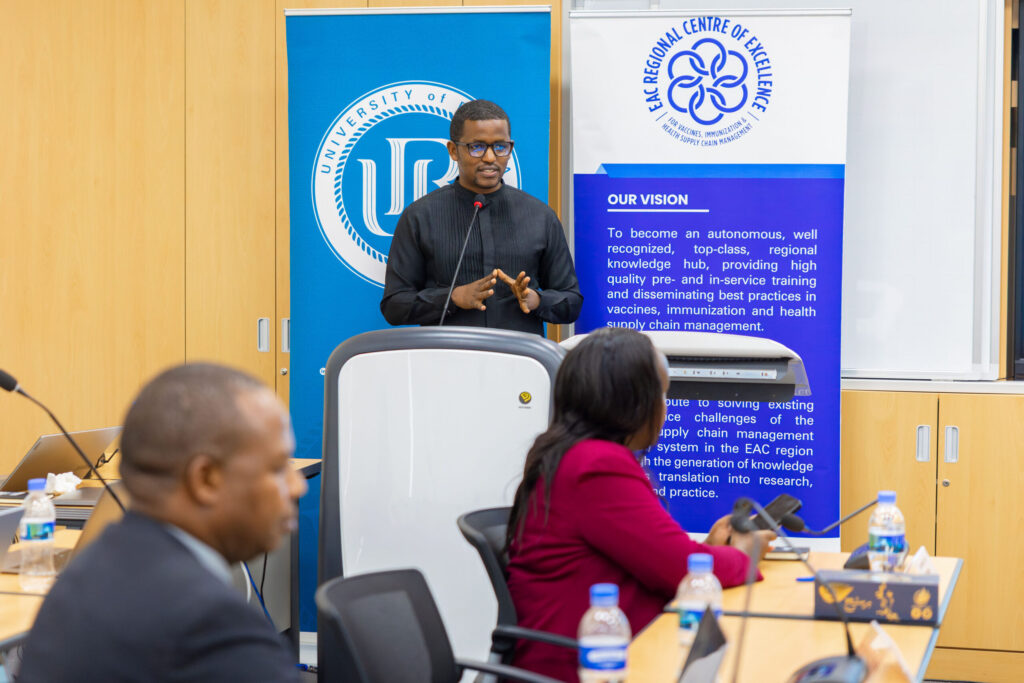
Françoise Kayitare Tengera, the Deputy Vice Chancellor in charge of Finance at the University of Rwanda speaking to participants.
The centre’s regional role is particularly relevant to Somalia, which joined the EAC in 2024.
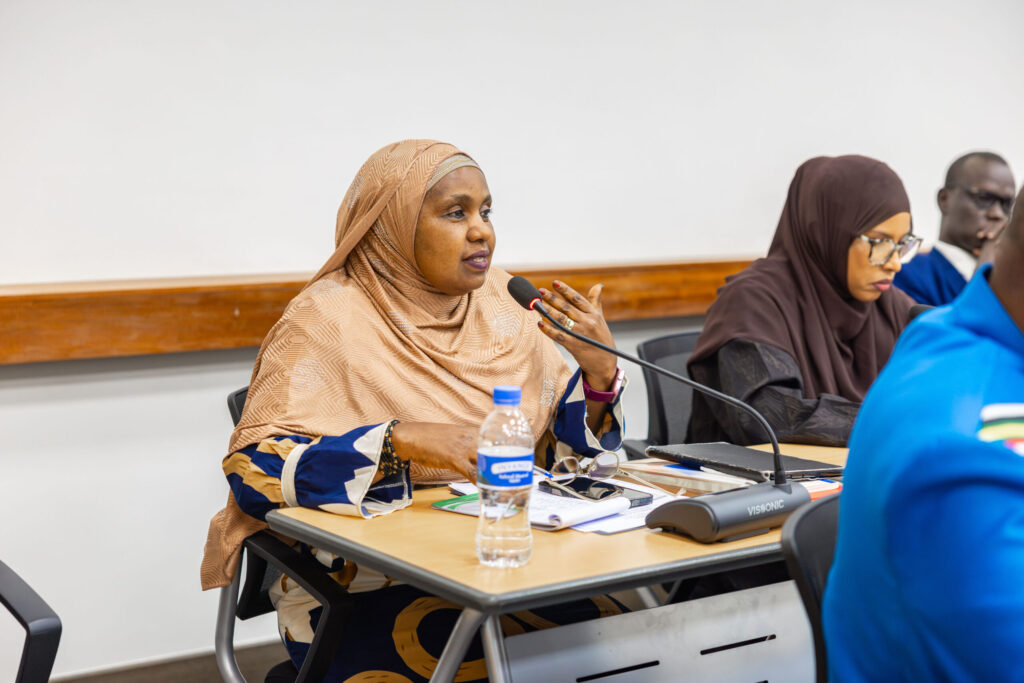
Ilham Ali Gasser, a Somali member of the EALA delegation, said Somalia could use exchanges with Rwanda and other EAC countries to develop technical capacity as it rebuilds its institutions.
She pointed to Rwanda’s experience over the past three decades as something Somalia could study.
“The regional character of the center is reflected in the experiences of what Rwanda has managed to achieve in the last 30 years,” Gasser said.
She said greater exchanges could allow Somalis to see how Rwanda had dealt with difficult challenges and developed institutions capable of supporting national development.
For East Africa, however, the more immediate test is health security.
The pandemic showed that having hospitals and health professionals is not enough when vaccines, medicines and other essential products are controlled elsewhere.
The EAC’s effort to train specialists, pool purchasing power and develop regional pharmaceutical capacity is an attempt to address that vulnerability before the next emergency exposes it again.
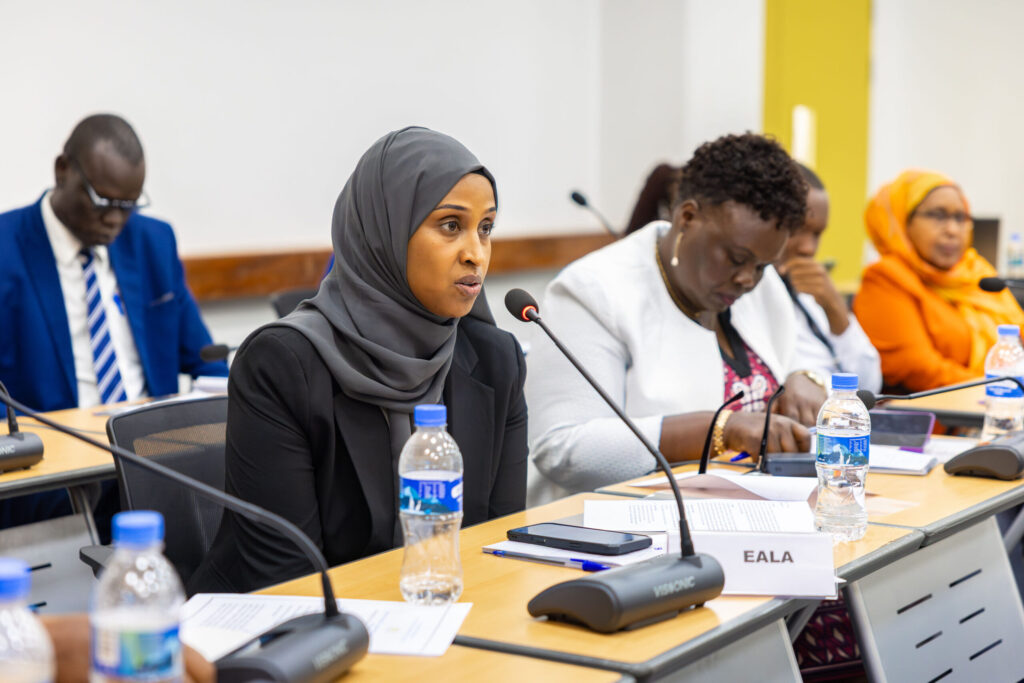
Hon. Ilham Ali Gasser, an EALA member from Somalia.