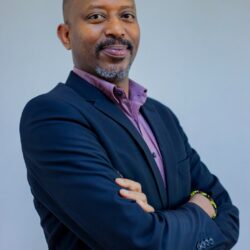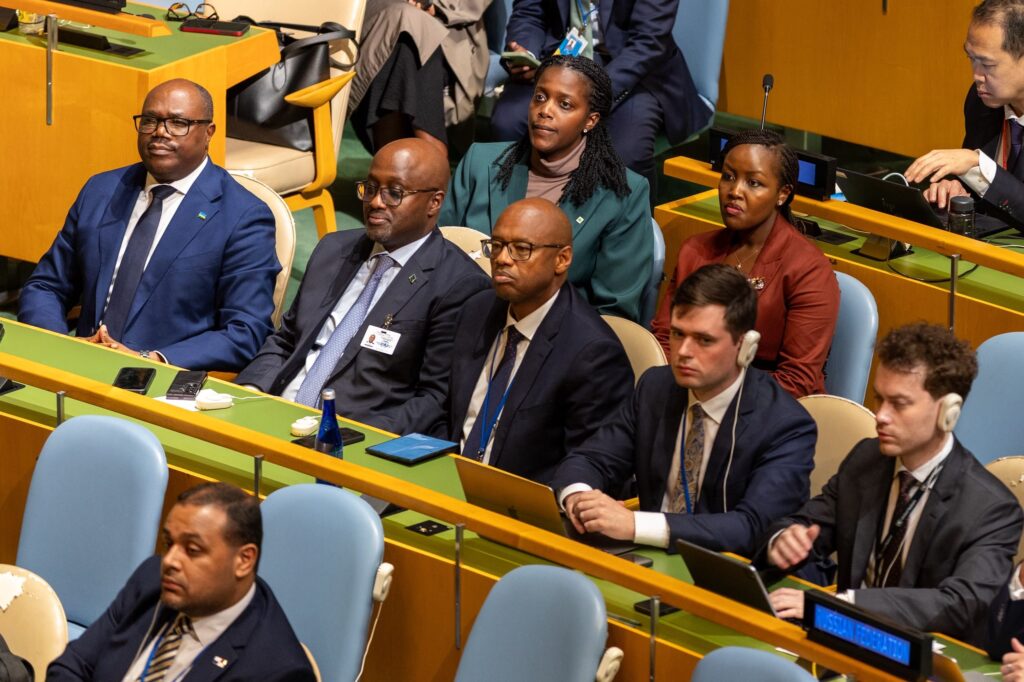
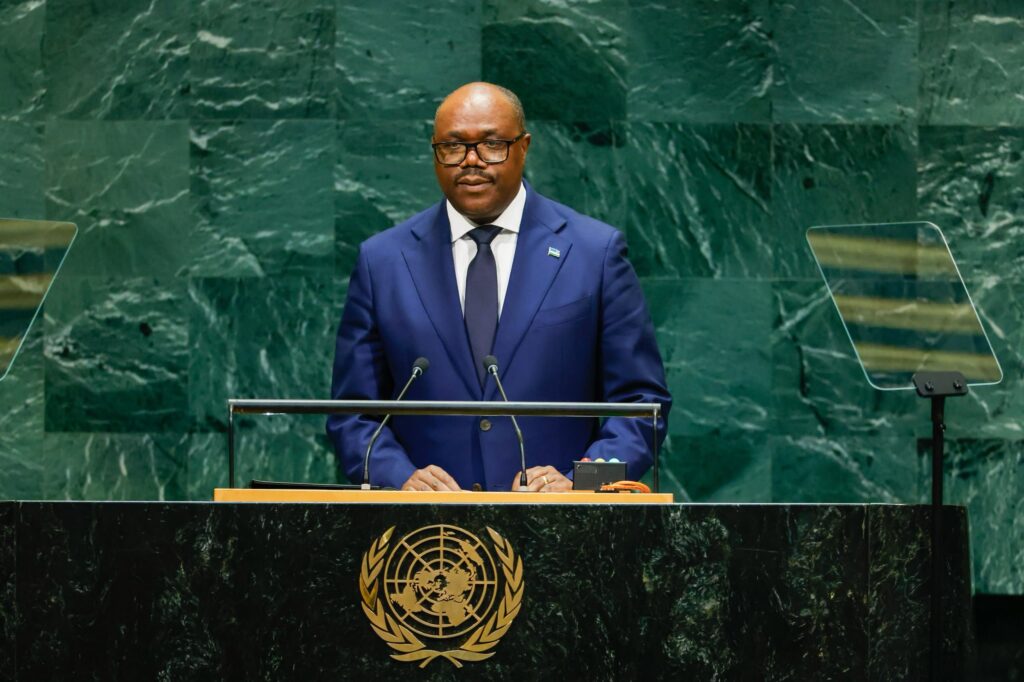
NEWYORK – At 81st UN General Assembly in New York, Rwanda’s Prime Minister Dr. Justin Nsengiyumva challenged the United Nations to pride itself in the crises it can prevent and the results it can deliver rather than the promises it makes.
In a world outraged by conflict, climate shocks, pandemics and technological disruption, Nsengiyumva said the multilateral system must demonstrate that it can anticipate change rather than continually react to it.
For decades, the world’s most powerful institution has responded to crises after they erupt. According to the PM, the UN can no longer afford to treat prevention, reform and adaptation as diplomatic aspirations.
This reactive approach, in his view, is no longer enough, saying the UN must turn to practical action capable of addressing problems before they become more costly and difficult to resolve.
“Last year, we gathered under the theme of Better Together. The United Nations has yet to demonstrate that it can adapt to a changing and uncertain world, and it is up to Member States to make this a reality,” he said.
Nsengiyumva cited Rwanda’s own experience emerging from the Genocide against the Tutsi and rebuilding with a driven understanding that institutions cannot retain legitimacy simply through promises or declarations.
“Three decades ago, our country’s future was also deeply uncertain. Our survival depended on our capacity to rebuild against all odds, and what made that possible was a simple principle and conviction that institutions earn legitimacy not by what they promise but by what they deliver year after year,” he said.
He argued that the same standard should now be applied to the international system, particularly as the UN undertakes reforms aimed at restoring confidence in multilateral institutions.
The Cost of Reacting Too Late
Nsengiyumva said the consequences of weak prevention are visible across several global challenges, from pandemics and climate shocks to technological disruption.
“Optimism, however important it can be, must be matched by willingness to change how we act. Too often, the United Nations has been more effective at responding to crises than anticipating them,” he said.
He pointed to eastern Democratic Republic of Congo as a clear example, saying the FDLR has spread genocidal ideology, committed grave abuses and directly threatened Rwanda’s security, including through cross-border attacks.
“The roots of the conflict in Eastern DRC are political, and they lie in long-standing grievances, exclusion, and failures of governance. So the solution, too, must be political,” he noted.
The PM reaffirmed Rwanda’s commitment to the diplomatic efforts under way, including the Washington accords and the Doha process. He called on all actors, including the UN Security Council, to support those efforts and honor their commitments.
“There is no lasting peace without compromise. There is no lasting peace without confronting the root causes of the conflict and addressing the legitimate concerns of all those affected,” Nsengiyumva said.
Beyond Conflict
The principle of prevention should apply equally to the economic and development challenges that leave countries vulnerable to poverty, economic shocks and exclusion from opportunity.
An international system that gives countries a fair opportunity to determine their own development pathways should be principle to the UN80 reform agenda.
“The question before this Assembly is not whether multilateralism remains relevant. It is whether our institutions are prepared to adapt to the challenges of our century and to deliver results that matter,” Nsengiyumva said.
Ultimately, restoring trust in multilateralism will depend on whether the UN becomes better at seeing crises coming, addressing their underlying causes and delivering outcomes that extend beyond the conference room.
The credibility of the international system is therefore not something the UN can simply claim. It is something it must earn, year after year, through positive results.
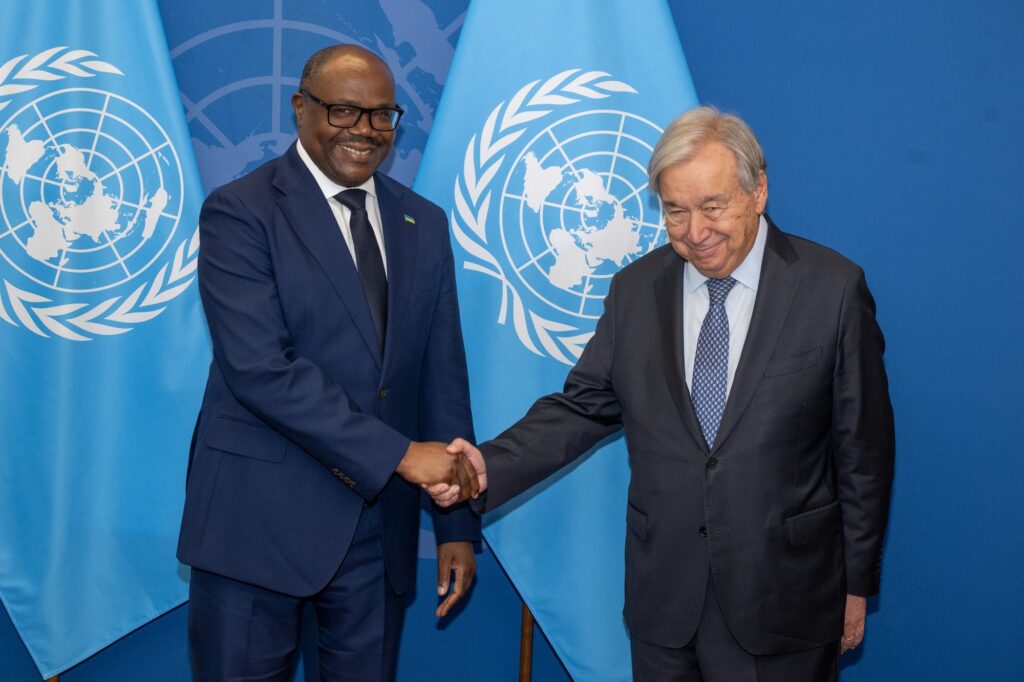
His other diplomatic engagements included a meeting with UN Secretary-General António Guterres, where they discussed continued cooperation between Rwanda and the United Nations and shared priorities.
Nsengiyumva also held bilateral talks with Kuwait’s Crown Prince, Sheikh Sabah Khaled Al-Hamad Al-Sabah, focusing on strengthening relations and bilateral cooperation between the two countries.
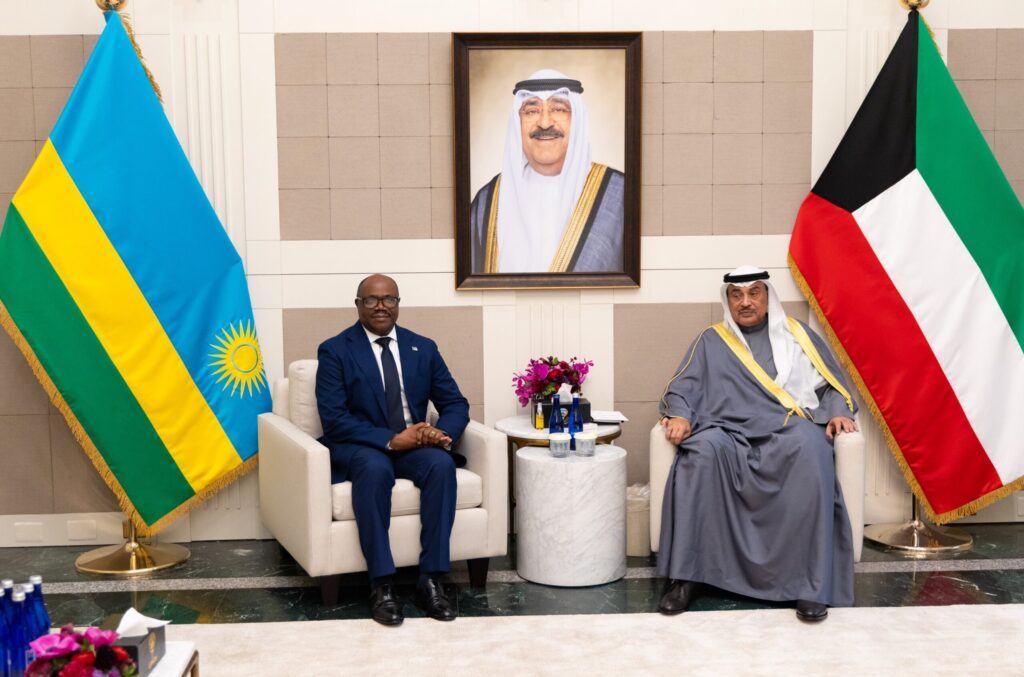
Nsengiyumva also held bilateral talks with Kuwait’s Crown Prince, Sheikh Sabah Khaled Al-Hamad Al-Sabah.