



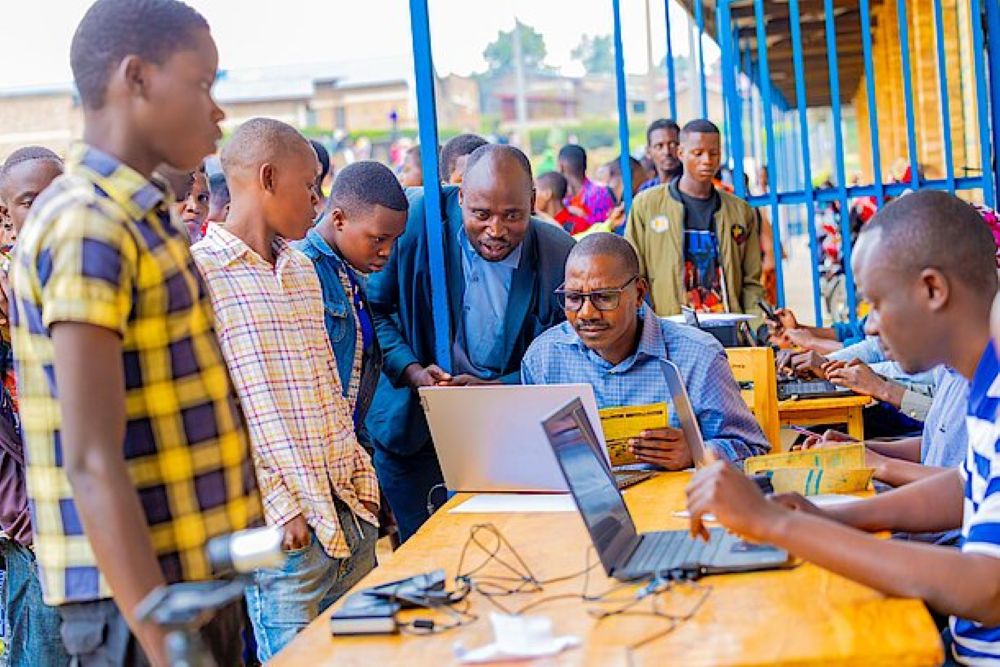
Teachers across the country have embraced technology as digital systems become fully embedded in classroom practice and administration.
KIGALI – As classrooms across the world race toward digital transformation, Rwanda is positioning itself at the center of a new conversation that could redefine how African education systems teach, assess, and prepare learners for the future.
Today evening between 6-7pm at KT Radio, EdTech Mondays Rwanda will explore how Artificial Intelligence and emerging technologies are reshaping education through data-driven decision-making.
Held every last Monday of the month, the talk show has grown into one of Rwanda’s most influential spaces for national dialogue on technology and learning.
Tonight’s discussion will focus on how intelligence itself, powered by AI, machine learning, automation, and analytics, can improve learning outcomes and build a future-ready workforce.
Globally, the shift is already underway. UNESCO estimates that 6 billion people, nearly 74 percent of the world’s population, were using the internet in 2025, while AI tools are increasingly entering schools and universities.
Yet the organization also warns that only 40 percent of primary schools worldwide are connected to the internet, exposing a persistent digital divide that continues to shape educational inequality.
For Rwanda, the challenge is not simply adopting technology, but ensuring that innovation translates into meaningful learning experiences for every student, including those in underserved communities.
Beyond Digitization Toward Intelligent Learning
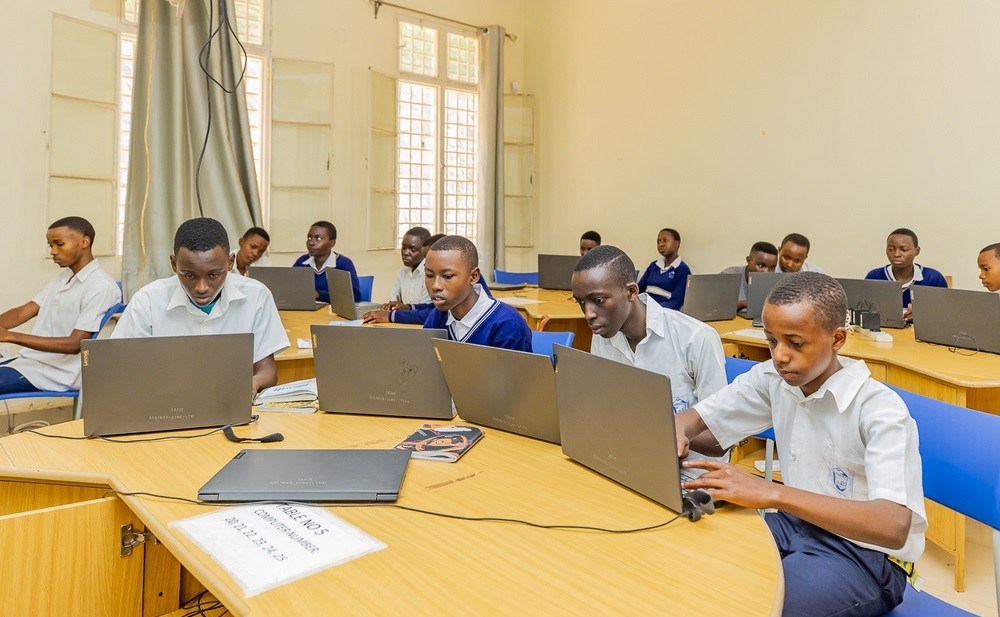
Classrooms across the world are racing toward digital transformation.
This week’s theme, “The Role of AI and Emerging Technologies in Data-Driven Education,” reflects Rwanda’s growing transition from basic digitization toward intelligent learning systems capable of improving teaching, assessment, and policy planning through data.
Countrywide, AI-powered platforms and smart classroom technologies are already helping generate insights into student comprehension, learning gaps, and classroom performance. Those insights are increasingly influencing decision-making in schools and education institutions.
The conversation is expected to bring together diverse perspectives from research, policy, and innovation through a panel featuring Dr. Christine Niyizamwiyitira, a Research Fellow at the Kigali Collaborative Research Centre, Dieudonne Uwimana, Chief Executive Officer of Mastery Hub Rwanda, and Vedaste Uwishema, Director of the Emerging Technologies Unit at the Rwanda Education Board.
Niyizamwiyitira is expected to give insights on how data generated through AI systems can support evidence-based policymaking while also addressing ethical concerns linked to data governance, privacy, and the localization of AI models.
Uwimana will highlight how schools and innovators can responsibly use education data to improve learning outcomes and create more personalized learning experiences. He will also discuss growing fears among educators about whether AI could disrupt traditional teaching methods or instead become a tool that empowers teachers to deliver more effective education.
Meanwhile, Uwishema will explore how Rwanda can integrate technologies such as robotics, adaptive learning systems, and AI-driven platforms without widening the digital divide between urban and rural schools.
Building Africa’s Future Classroom
One of the strongest messages emerging ahead of tonight’s discussion is that AI should not replace teachers, but strengthen education systems through better decision-making, personalized learning, and improved classroom support.
As Rwanda deepens its digital transformation agenda, the EdTech Mondays platform is increasingly becoming part of a broader national effort to build an intelligent and future-ready education system capable of producing skilled, adaptable, and innovation-driven citizens.
The discussion is expected to reinforce Rwanda’s growing ambition to position itself as a regional leader in digital education and emerging technologies at a time when African countries are investing heavily in innovation to remain competitive in the global knowledge economy.
Tonight’s conversation may answer a critical question shaping the future of learning across Africa. Already, AI belongs in education and how education systems can evolve quickly enough to ensure technology serves human development is still a point of contention.
