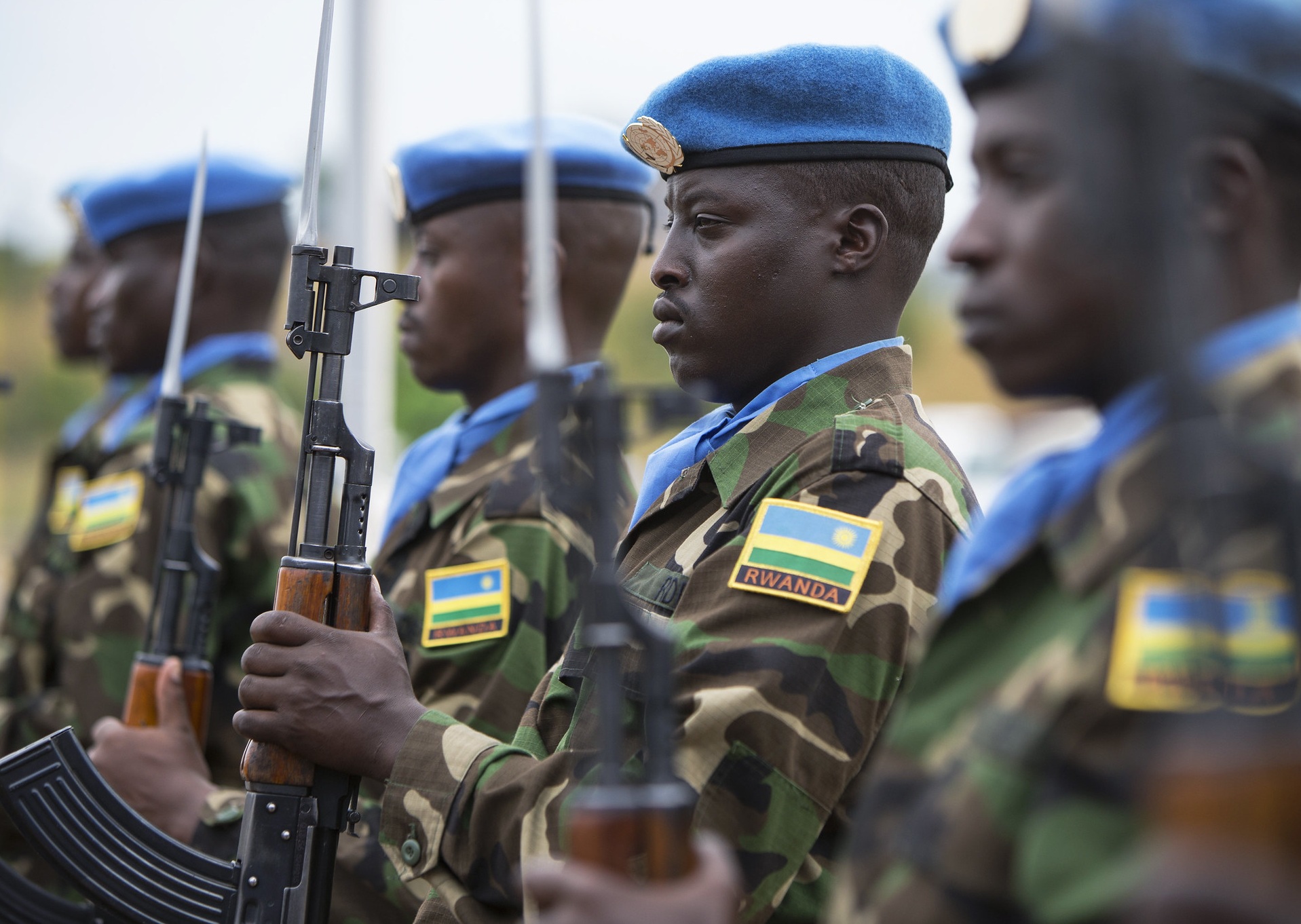
Rwandan peacekeepers of the UN Mission in the Republic of South Sudan (UNMISS) participate in a ceremony in Juba marking UN Day 24/10/2013 (UN Photo/Martine Perret)
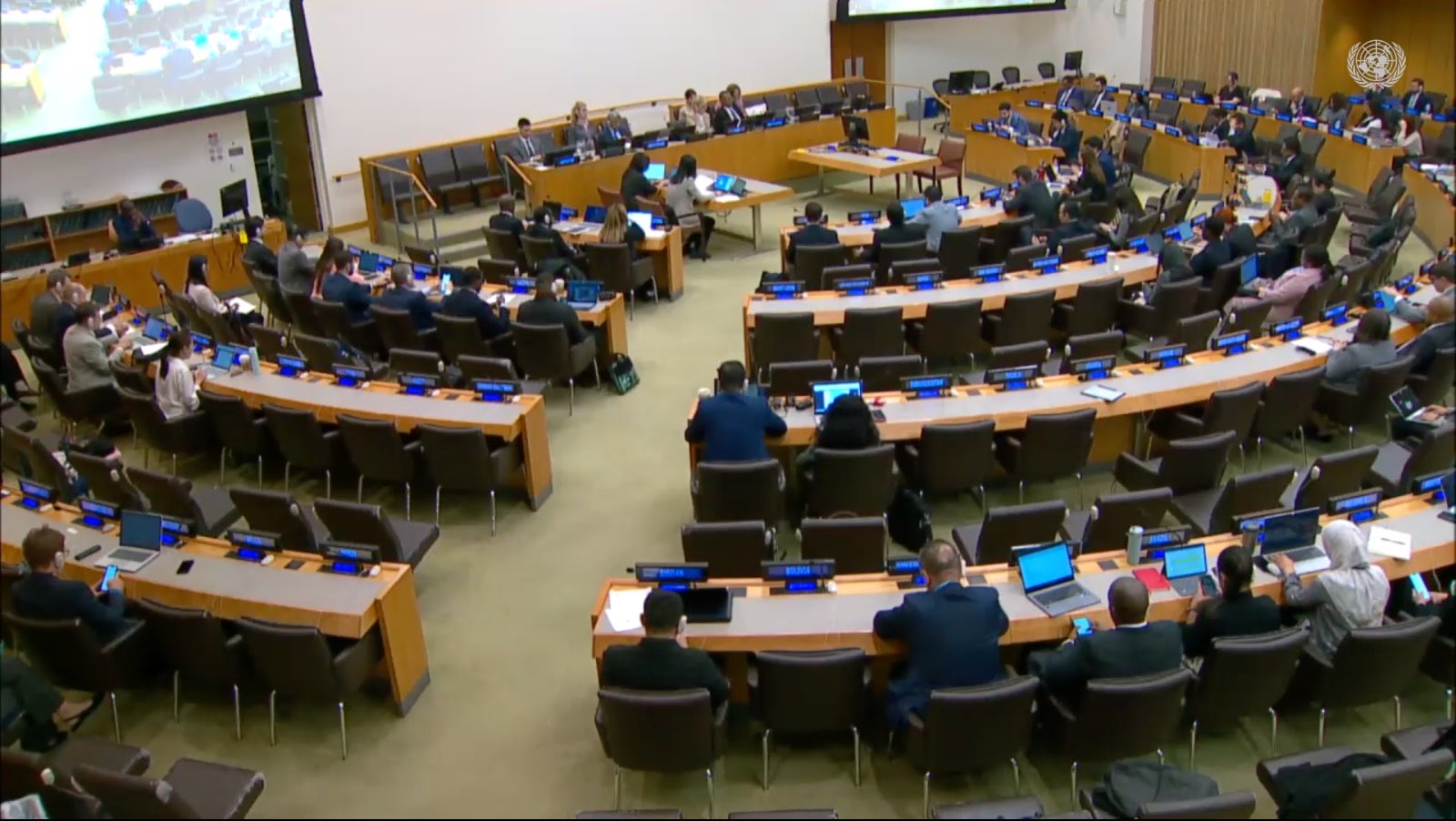
United Nations, New York — As the UN General Assembly’s Fifth Committee debates a proposed $5.23 billion peacekeeping budget for 2026–27, Rwanda is pressing for a clearer link between funding and measurable results on the ground.
The position reflects both its role as a major troop contributor and its long-standing frustration with the performance of United Nations missions.
In remarks on May 4, Roick Humuza Gisa, an economic development adviser at Rwanda’s mission to the United Nations, reaffirmed the country’s support for peacekeeping operations but called for greater accountability.
“A system that depends on the reliability of country contributors must itself be reliable in return,” he said, pointing to delays in reimbursements amid the organization’s liquidity constraints.
The UN Secretary General’s proposal represents a 7.5 percent reduction from the previous budget, driven by efficiency measures and broader financial pressures.
Major contributors, including the United States and Japan, have supported the cuts, while others have cautioned against undermining mandates, particularly in Africa.
Rwanda’s intervention carries particular weight, shaped by its experience with missions it considers emblematic of systemic shortcomings.
UNAMIR Legacy
Rwanda’s skepticism is rooted in 1994, when the United Nations Assistance Mission for Rwanda, known as UNAMIR, failed to prevent the Genocide against the Tutsi.
The mission, led by Canadian General Roméo Dallaire, operated under a limited mandate, with insufficient troops and equipment and little political backing.
Despite warnings of imminent violence, the Security Council reduced the mission’s size as mass killings began.
The current government of Rwanda has consistently described the episode as a defining failure of the international community.
Then MONUSCO
Those experiences have informed Rwanda’s sustained criticism of the United Nations mission in eastern Congo.
For more than two decades, MONUSCO and its predecessor have struggled to stabilize the region, disarm armed groups and protect civilians.
The mission’s annual budget — about $960 million for 2025–26 — is substantial. That is roughly 20 percent of Rwanda’s national budget of $4.8 billion, a comparison that underscores the scale of resources involved relative to results.
Despite years of funding at similar levels, Kigali argues that gains in security and civilian protection remain limited.
Rwanda has also pointed to the continued presence of the Democratic Forces for the Liberation of Rwanda, which includes elements linked to the perpetrators of the 1994 genocide. Despite mandates allowing offensive operations, the group has remained active, contributing to regional instability, according to Rwandan officials.
Kigali has further raised concerns about the protection of Congolese Tutsi communities and what it describes as inconsistencies in reporting on the conflict.
Rwanda’s Role
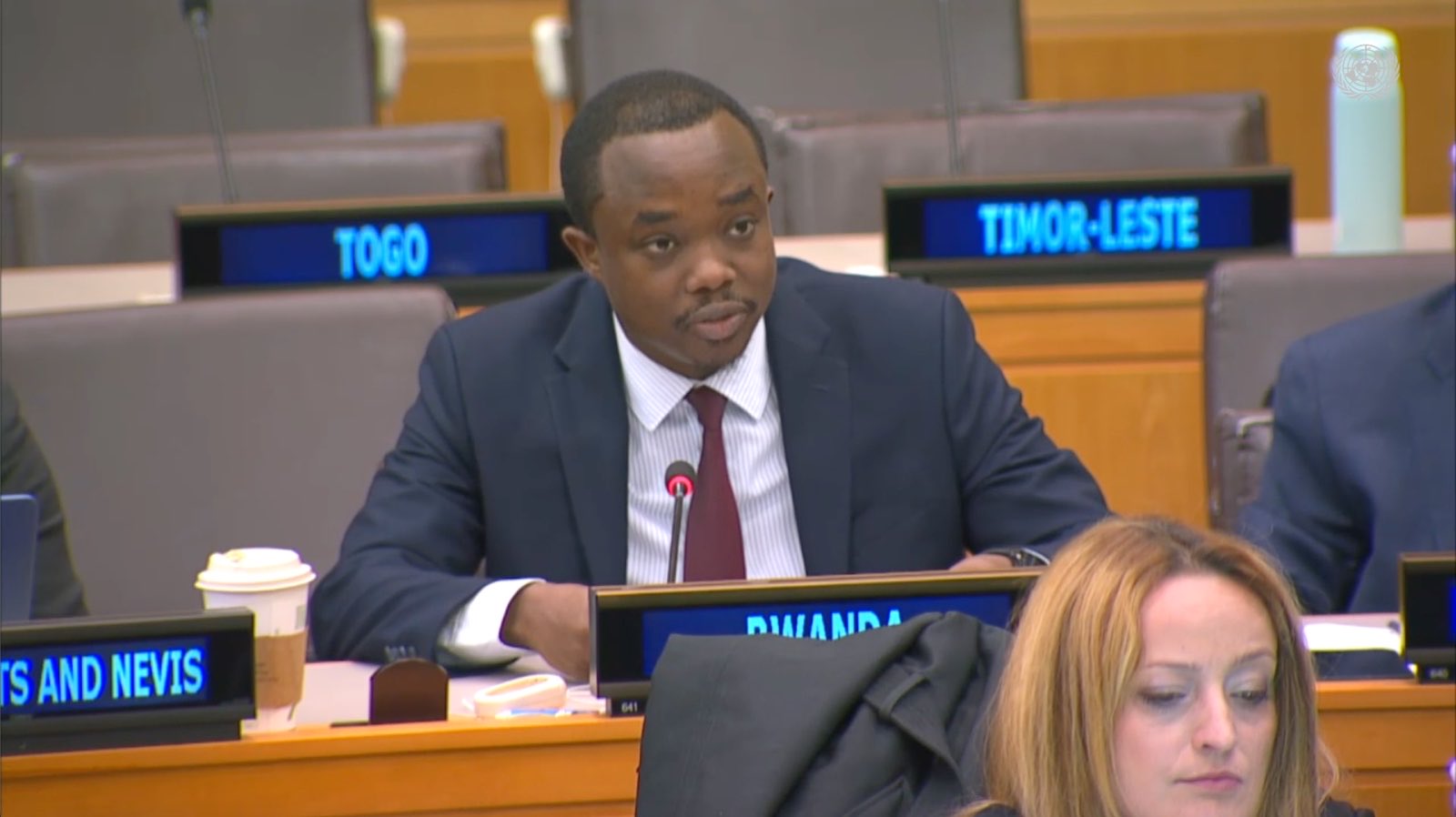
Roick Humuza Gisa, the economic development adviser at Rwanda’s mission to the United Nations
Rwanda’s position is also shaped by its record as a troop-contributing country.
Rwandan peacekeepers have been deployed in some of the most volatile environments, including missions in the Central African Republic and Sudan, where they have operated in areas other contributors have been reluctant to enter.
Rwanda has lost soldiers in the course of enforcing stability in such operations, a cost officials argue should be reflected in how contributions are evaluated.
Kigali has increasingly sought recognition not only for the scale of its deployments but also for the risks its forces assume on the ground.
Debate Over Reform
Rwanda’s call to tie funding to performance aligns with broader reform discussions within the United Nations.
Negotiations in the Fifth Committee are also focusing on delayed reimbursements, financial rule adjustments and the need for clearer, more achievable mandates.
Diplomats say the talks, expected to continue through late May, will test whether member states can reconcile budget constraints with operational demands in volatile environments.
For Rwanda, the issue is not only financial but historical — ensuring that future peacekeeping missions do not repeat past failures.