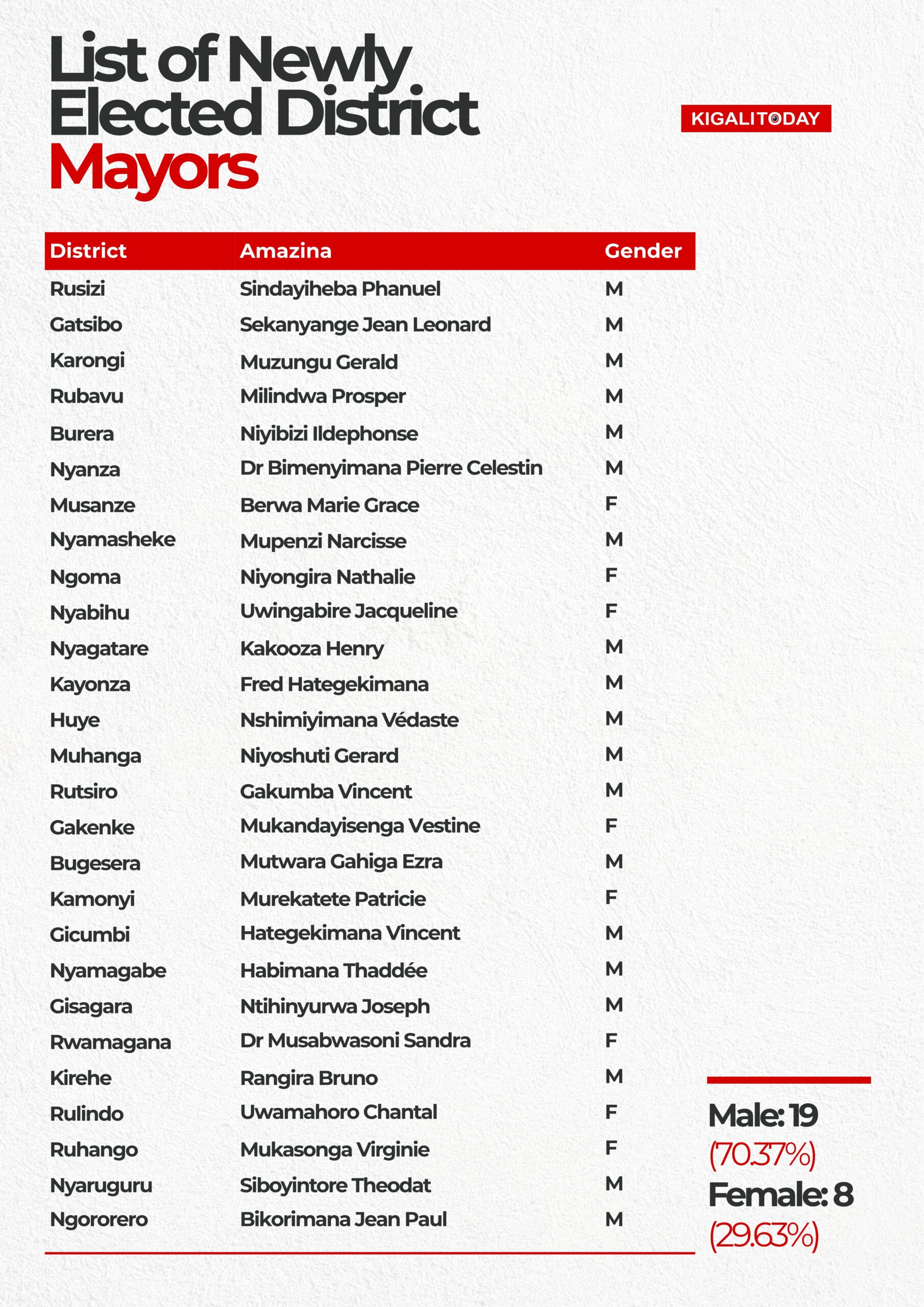


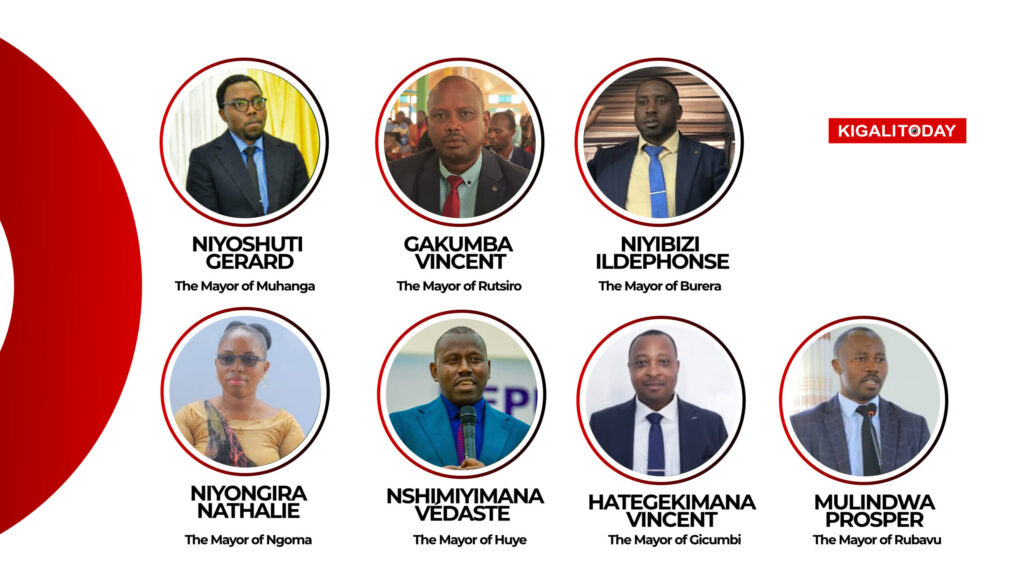
 KIGALI – Eighteen of Rwanda’s 27 districts have elected new mayors, while nine outgoing leaders have secured another five-year term, marking a significant turnover in district leadership following the November 24 elections.
The new leadership comprise 19 men and eight women, meaning women account for 29.63 per cent of the elected mayors, compared with 70.37 per cent for men.
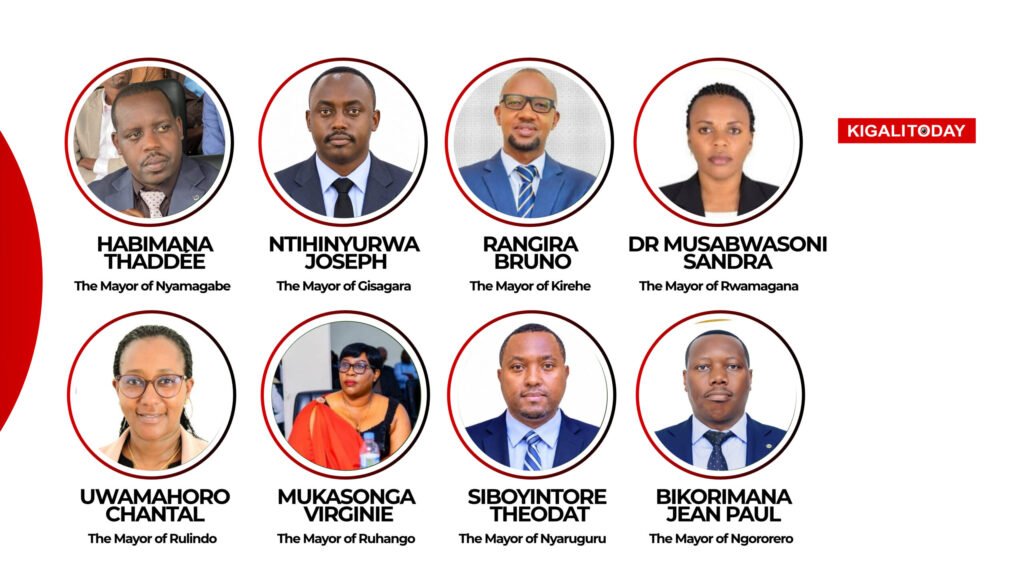
The eight districts under women leadership are Musanze, Ngoma, Nyabihu, Gakenke, Kamonyi, Rwamagana, Rulindo and Ruhango. Six of the eight women are taking up the mayoral positions for the first time, while Vestine Mukandayisenga of Gakenke and Nathalie Niyonagira of Ngoma have retained their positions.
The figures also show that most districts will have new leadership, with only one in three outgoing mayors returning to office.
Nine Incumbents Retain Their Positions
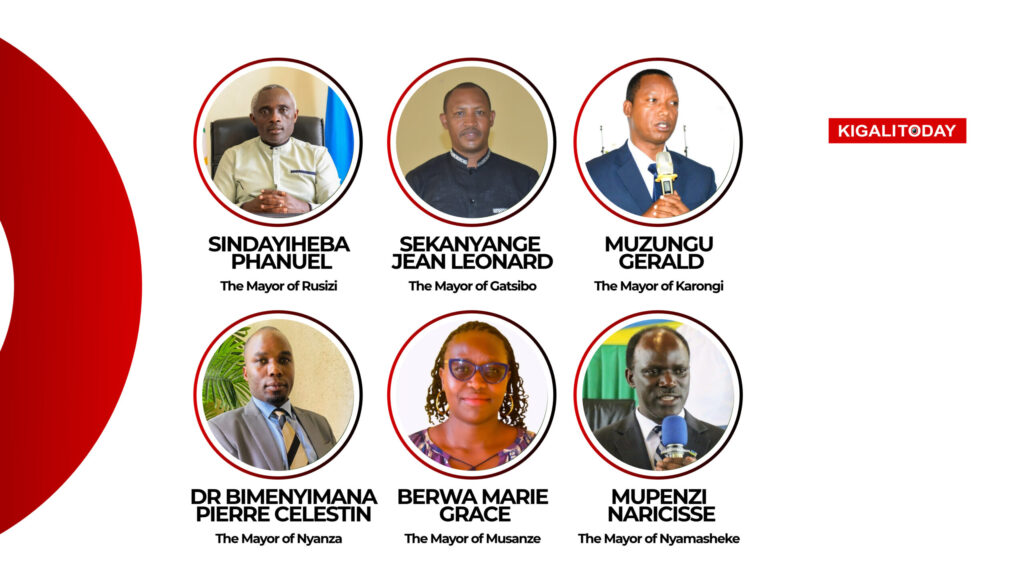
The other returning mayors are Gerald Muzungu of Karongi, Narcisse Mupenzi of Nyamasheke, Phanuel Sindayiheba of Rusizi, Fred Hategekimana of Kayonza, Prosper Mulindwa of Rubavu, Bruno Rangira of Kirehe and Henry Kakooza of Nyagatare.
Their return follows their election to the new district councils, which gave them the opportunity to seek another term as members of the district executive committees.
The remaining 18 districts have new mayors, including Musanze, where Marie-Grâce Berwa takes over, and Huye, where Vedaste Nshimiyimana has been elected.
Other new leaders include Jean-Léonard Sekanyange in Gatsibo, Ildephonse Niyibizi in Burera, Pierre Celestin Bimenyimana in Nyanza, Patricia Murekatete in Kamonyi and Sandra Musabwasoni in Rwamagana.
Some of the new mayors are not newcomers to local administration. Thaddée Habimana, elected in Nyamagabe, previously served as the district’s Vice Mayor in charge of economic development.
Women Take Eight Districts
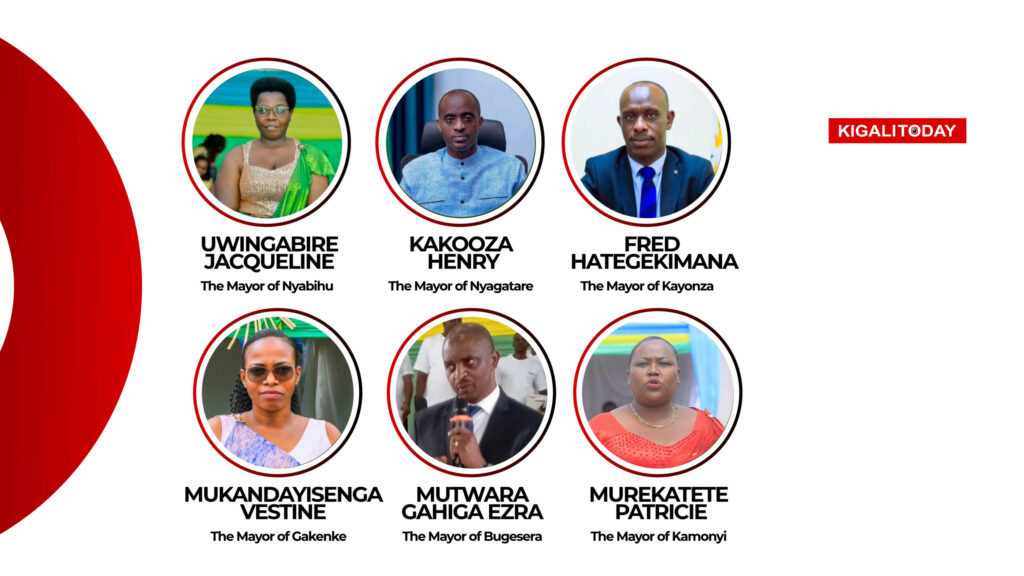
Women will lead eight of the 27 districts, with six new female mayors joining the two who retained their positions.
The newly elected women are Marie-Grâce Berwa in Musanze, Jacqueline Uwingabire in Nyabihu, Patricia Murekatete in Kamonyi, Sandra Musabwasoni in Rwamagana, Chantal Uwamahoro in Rulindo and Virginie Mukasonga in Ruhango.
Their representation comes after the election of women councilors earlier in the local government electoral process.
Each district council has 17 members, including five women representatives elected to meet the constitutional requirement for at least 30 per cent women’s representation in district councils.
However, the proportion of women among the mayors is slightly below that threshold, at 29.63 per cent.
How the Mayors Were Chosen
Unlike elections in which residents directly vote for their district leaders, the mayors and their two deputies are selected by district councils through an indirect, secret-ballot process.
The councils were constituted through elections held on November 17 for women representatives and November 21 for general councilors, alongside representatives of special-interest groups.
Gasabo, Kicukiro and Nyarugenge districts were not included in the elections because they do not have independent district councils and operate under a different administrative arrangement within the City of Kigali.
The newly elected mayors and their executive committees will serve from 2026 to 2031, overseeing district development programs, budgets and service delivery. With 18 districts changing mayors, the new term begins with a substantial change of local leadership.