


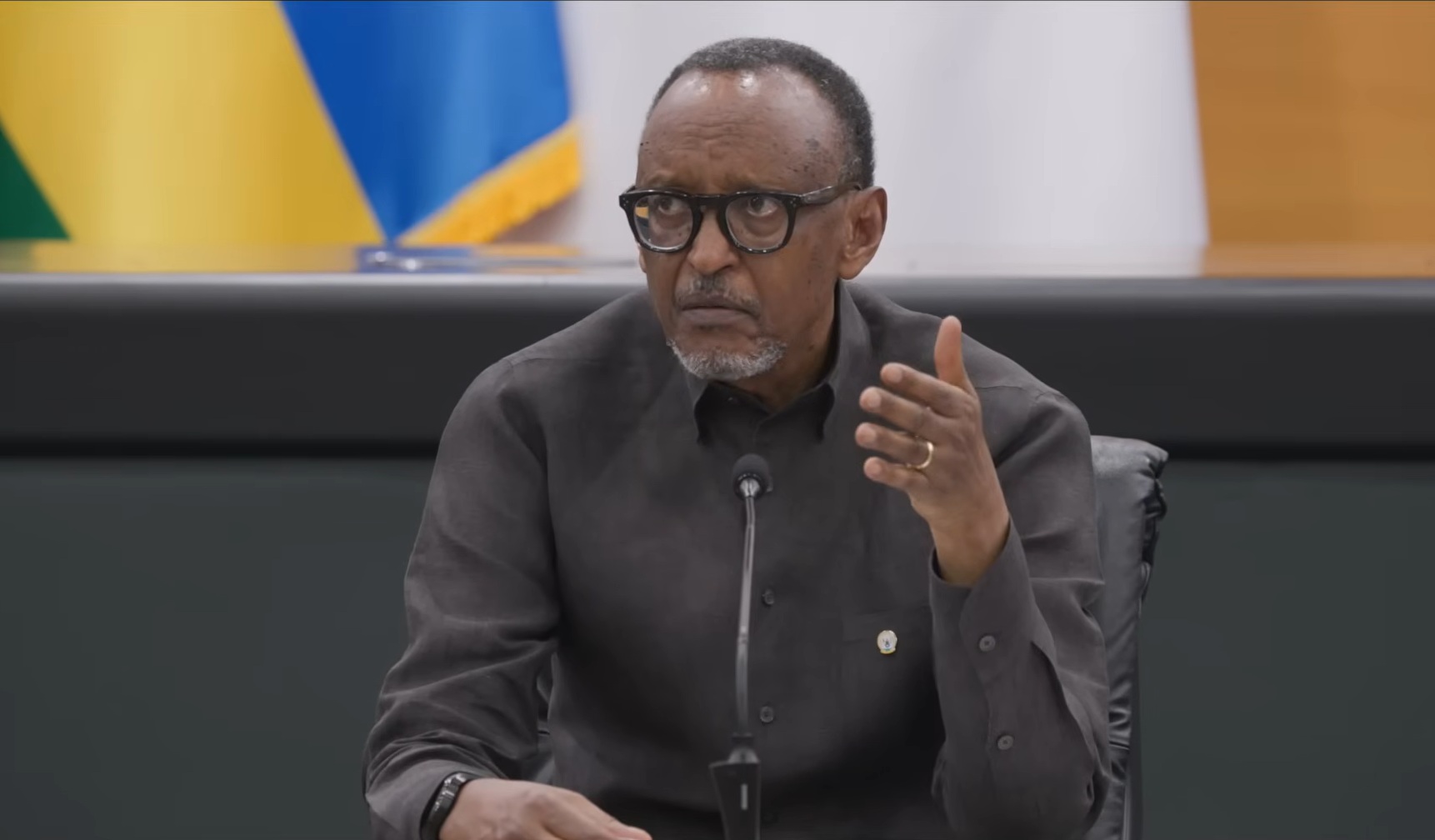
President Paul Kagame speaking on Wednesday
President Paul Kagame on Wednesday used the swearing-in of newly appointed ministers and senior officials to issue a firm warning on performance, saying public office is defined by delivery rather than status or privilege.
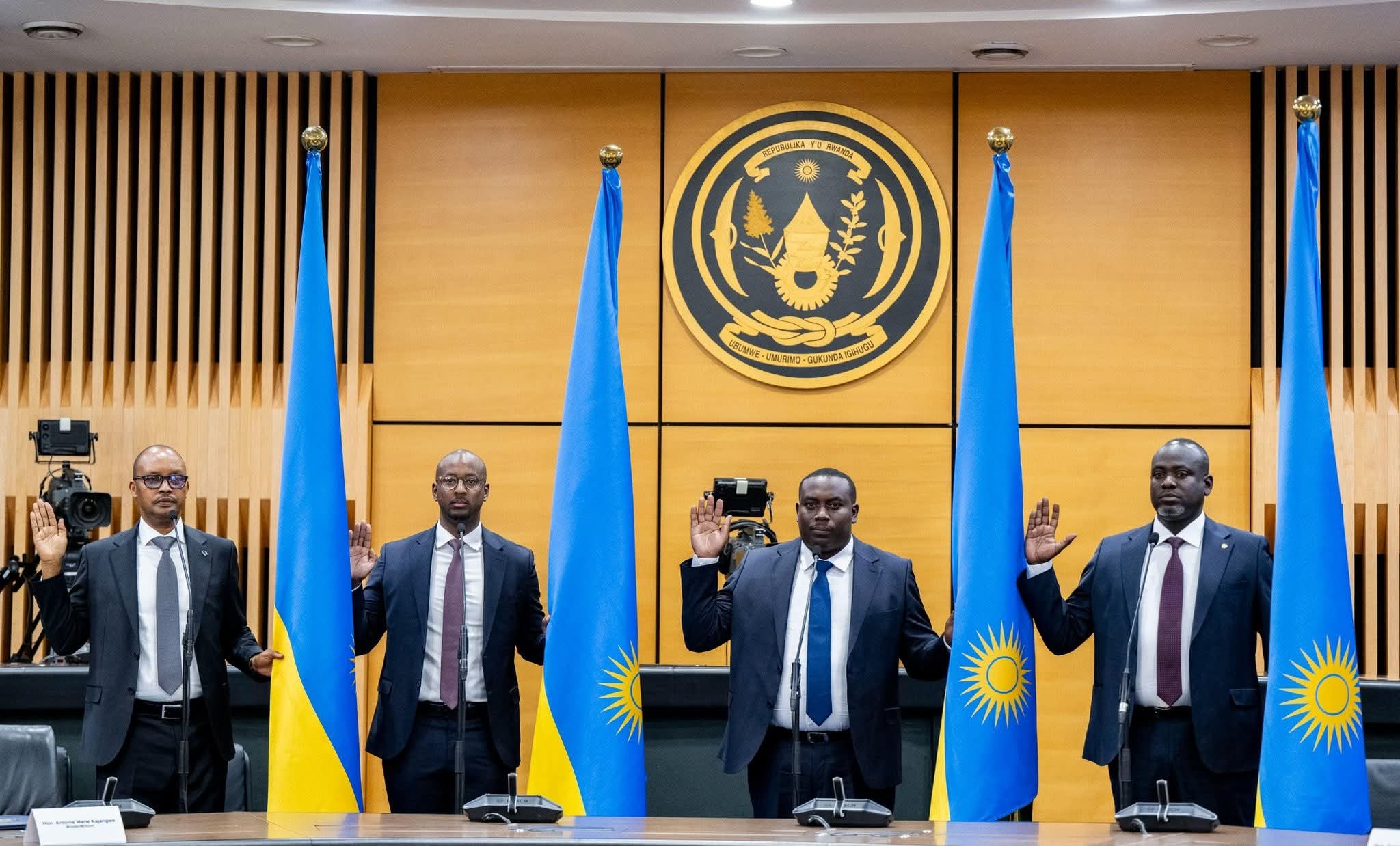
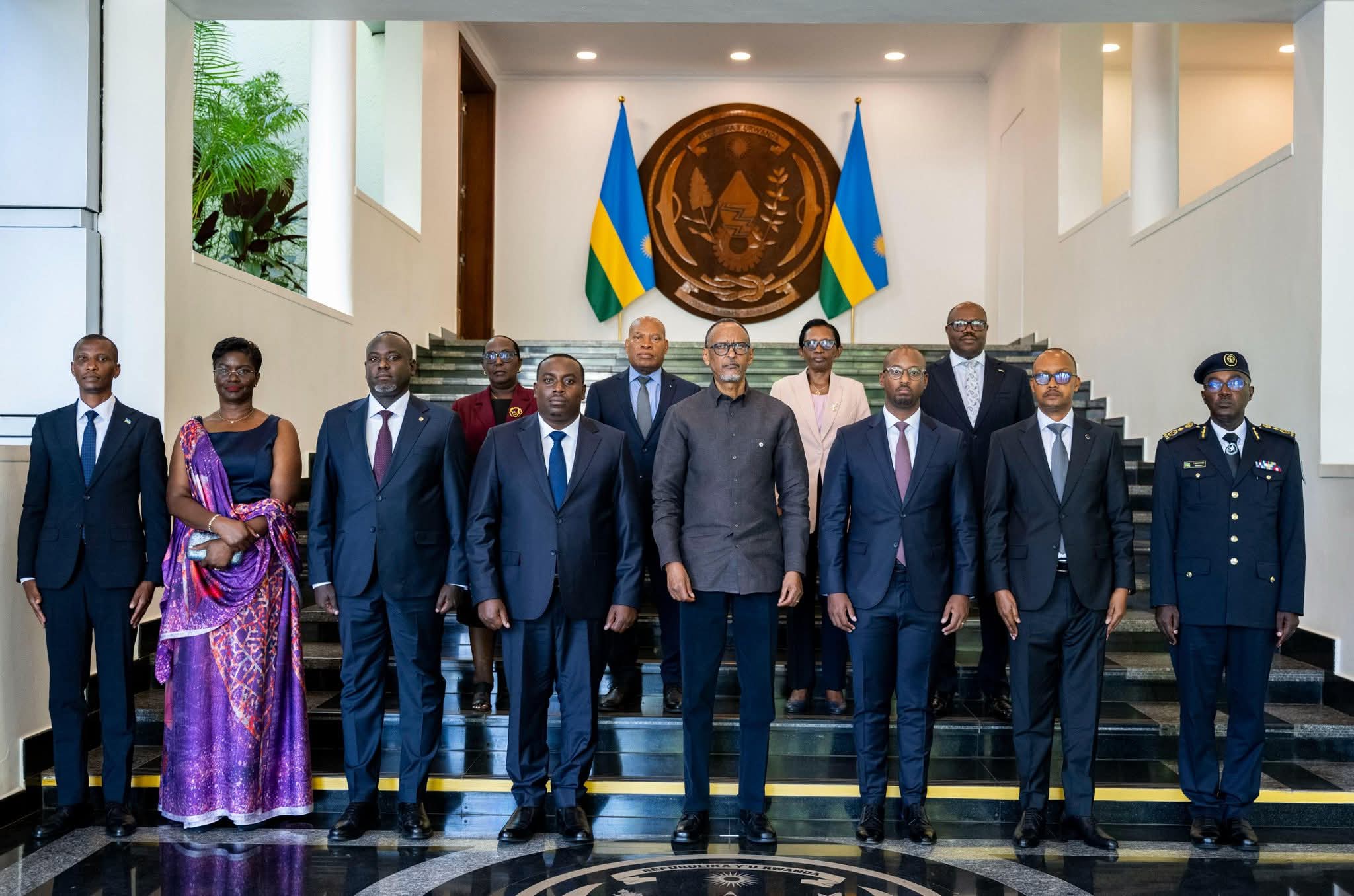
The ceremony at Urugwiro Village brought together newly appointed ministers, state ministers, and senior officials across key institutions, including infrastructure, trade, intelligence, corrections, and accountability bodies.
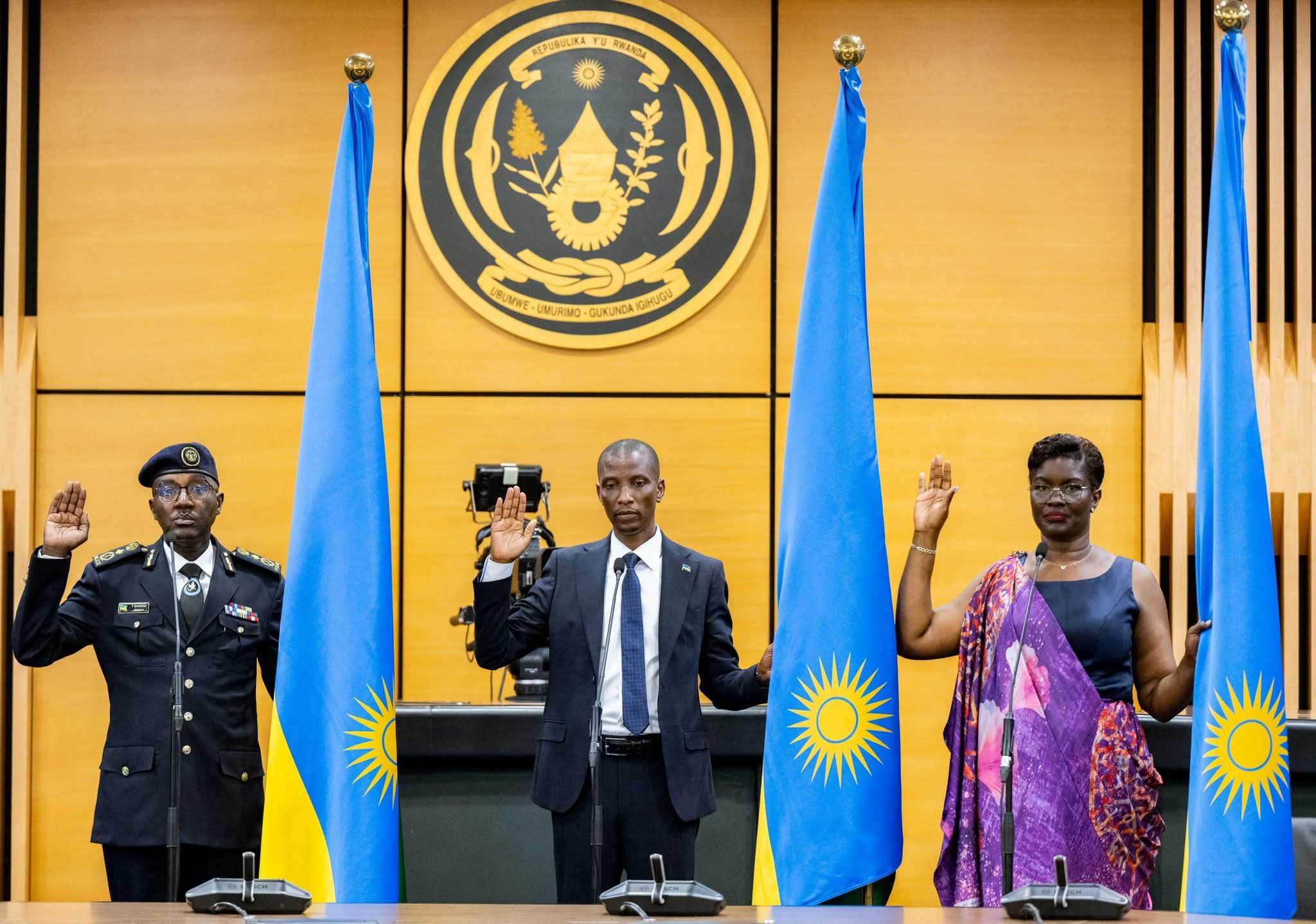
Among those sworn in were Damien Murwanashyaka, Minister of Infrastructure; Antoine Marie Kajangwe, Minister of Trade and Industry; Armand Zingiro and Col. Claudien Bizimungu, both appointed Ministers of State in the Ministry of Infrastructure; as well as senior officials including James Wizeye of the National Intelligence and Security Service (NISS), Deputy Ombudsman Judith Mbabazi, and CP Theos Badege of the Rwanda Correctional Service.
The tone of the ceremony shifted sharply when Kagame addressed the officials, framing appointment not as recognition, but as conditional responsibility tied to measurable delivery.
“Being a leader in these state institutions is first and foremost about serving citizens and striving for their well-being,” he said.
He warned that public office is sustained not by appointment, but by continuous proof of relevance through performance.
“Always remember that there are many Rwandans who can do what you do. When you are in those responsibilities, it should make your contribution visible,” he said.
Kagame said inefficiency in government carries direct consequences for citizens long before it is felt by officials themselves.
“Poor performance is something you must avoid because it has consequences. Before it affects you, it has already affected citizens who end up paying the price,” he said.
He cautioned against a leadership culture driven by self-interest, arguing that the benefits of governance should reach citizens first, not officials.
“The good things in leadership are supposed to reach citizens first, but often you find leaders want to benefit first,” he said.
Kagame also pointed to what he described as gaps in execution discipline within government, referencing internal cabinet processes and how plans are followed up after decisions are taken.
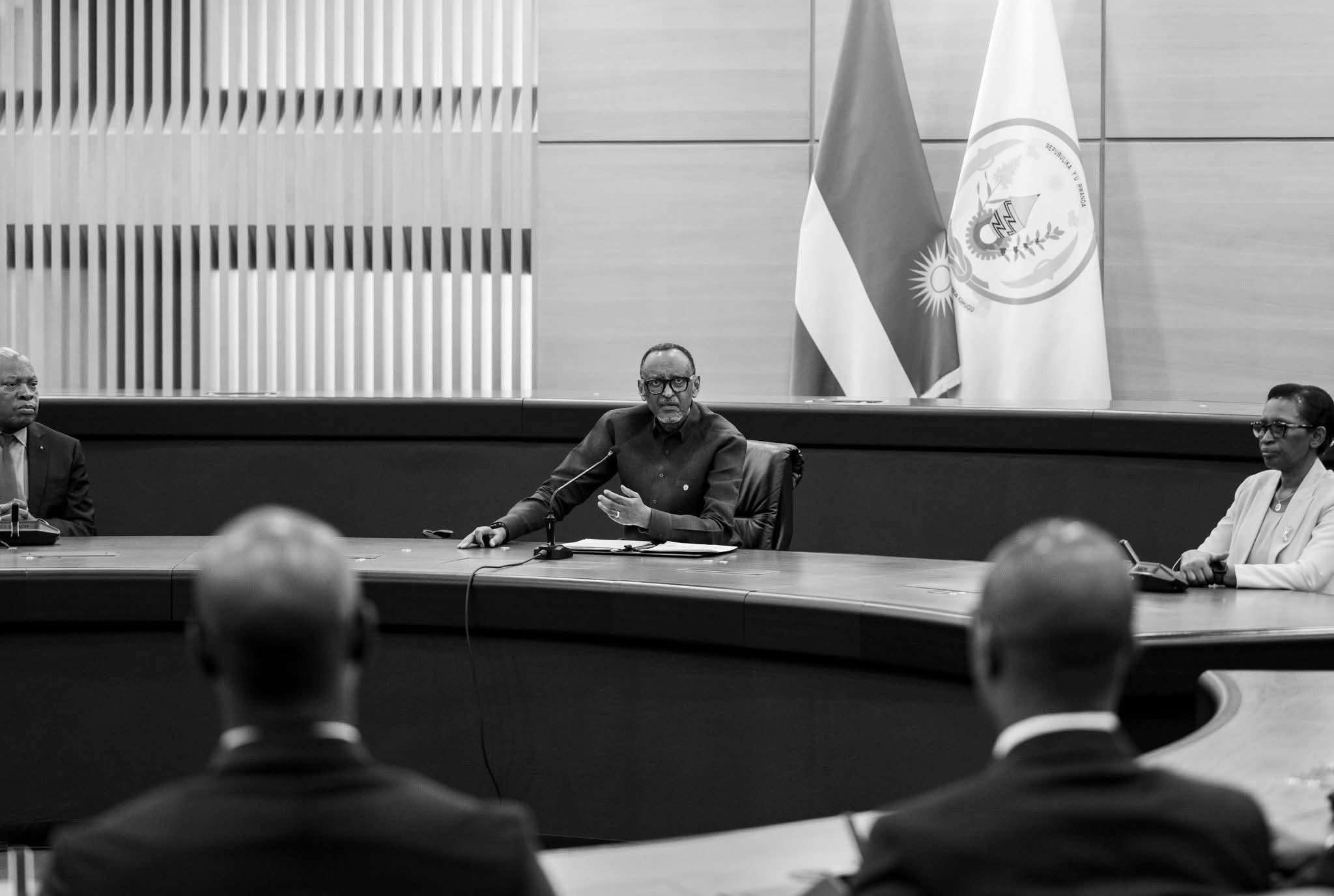
He said ministers often present plans and agree on timelines during Cabinet deliberations, but warned that follow-through can break down in practice. He illustrated this with an example of how, when progress is checked later, responsible officials may not be fully aware of implementation status because of weak follow-up.
“When you come back in the fifth month to ask for an update, the minister responsible has no clue because they haven’t been following up,” Kagame said.
Drawing on Rwanda’s liberation history (1990-1994), he referenced the Rwanda Patriotic Army (RPA), contrasting past sacrifice with present-day governance responsibilities.
“At that time, there was nothing to gain. No one was paid. People could lose their lives,” he said. “If they had been thinking about themselves, the country would not be where it is today.”
He said today’s public service does not demand comparable sacrifice, but still requires discipline, seriousness, and consistent follow-through.
“Today, service does not require losing your life. You work knowing you will go home safely. That history should guide how we work every day,” he said.
Kagame urged officials to treat governance challenges as solvable problems requiring coordination, adjustment, and accountability when results fall short.
“If you face challenges at work, you discuss with others, you look for solutions, and when resources are needed, you find ways to address the problem,” he said.
The head of state further signaled that underperformance would not be tolerated indefinitely, saying government systems must remain flexible enough to reassign responsibilities where necessary.
“If something is not working, you try, you adjust, and sometimes you bring in others who can do it better—and they come and do it well,” he said.
Kagame concluded by reinforcing that public office must remain anchored in humility and national interest over personal position.
