


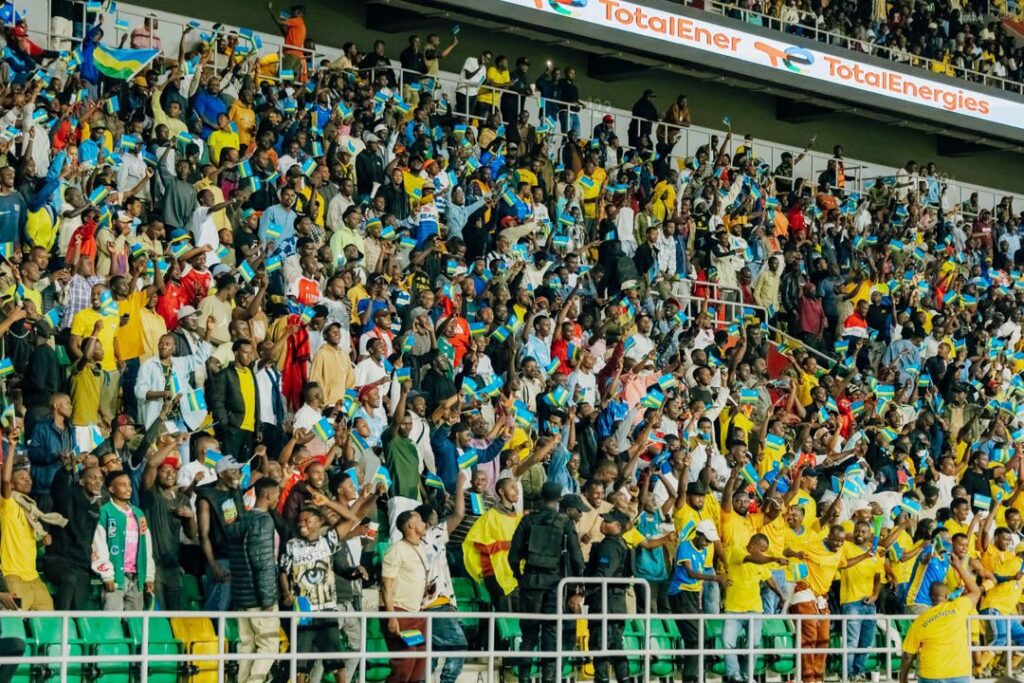
 KIGALI – Rwanda’s hopes of ending their encounter with Mali on a positive note faded in the closing minutes on Tuesday evening, as the visitors secured a 2-0 victory that underlined the difference in depth and quality between the two sides.
The Amavubi struggled to find their rhythm in the first half, falling behind to a 27th-minute goal from Modibo Sagnan before mounting a much-improved challenge after the break.
But despite periods of sustained pressure, Rwanda could not find a way past Mali’s defence, and a late second goal from Gaoussou Diarra settled the contest, much to the disappointment of the home fans.
The opening exchanges were closely contested, with Rwanda initially keeping Mali at bay, and a defensive lapse nearly presented the visitors with an early opportunity before goalkeeper Fiacre Ntwari intervened.
Mali gradually grew into the game, and their pressure eventually produced the breakthrough just three minutes before the half-hour mark.
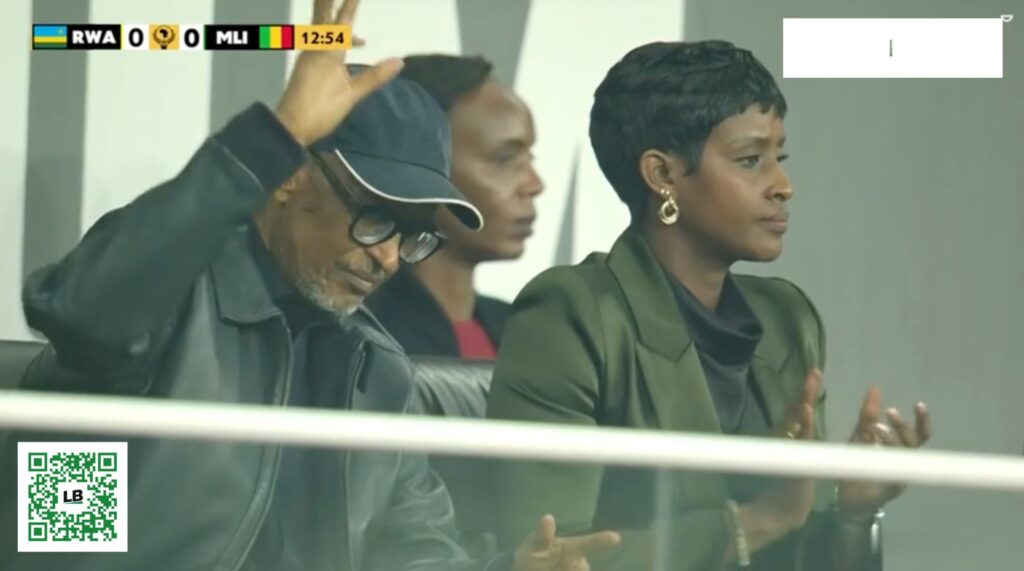
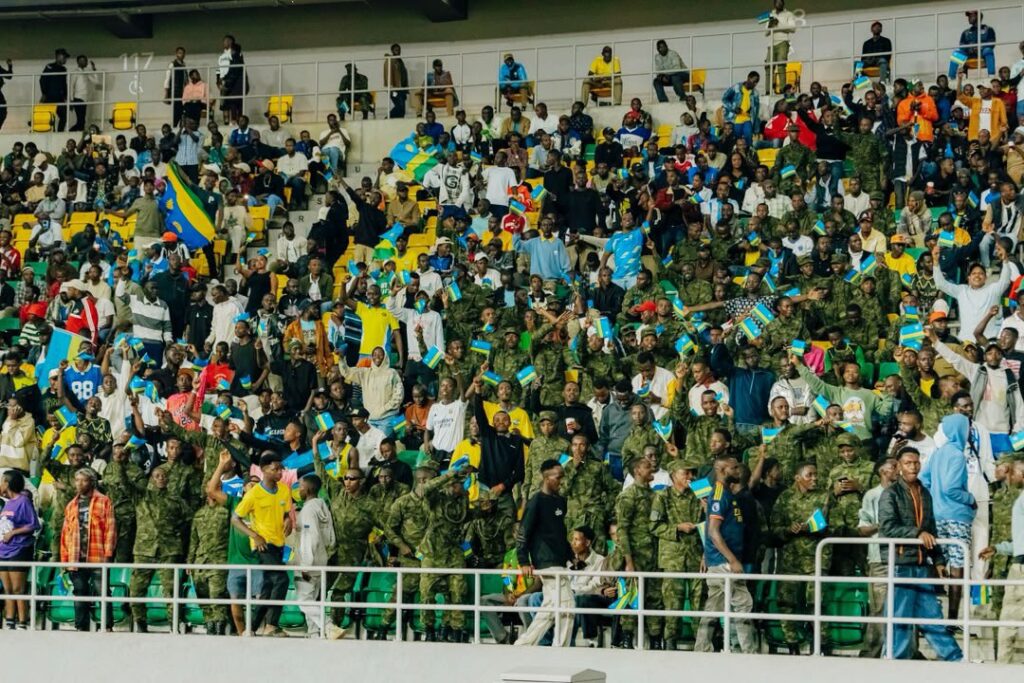
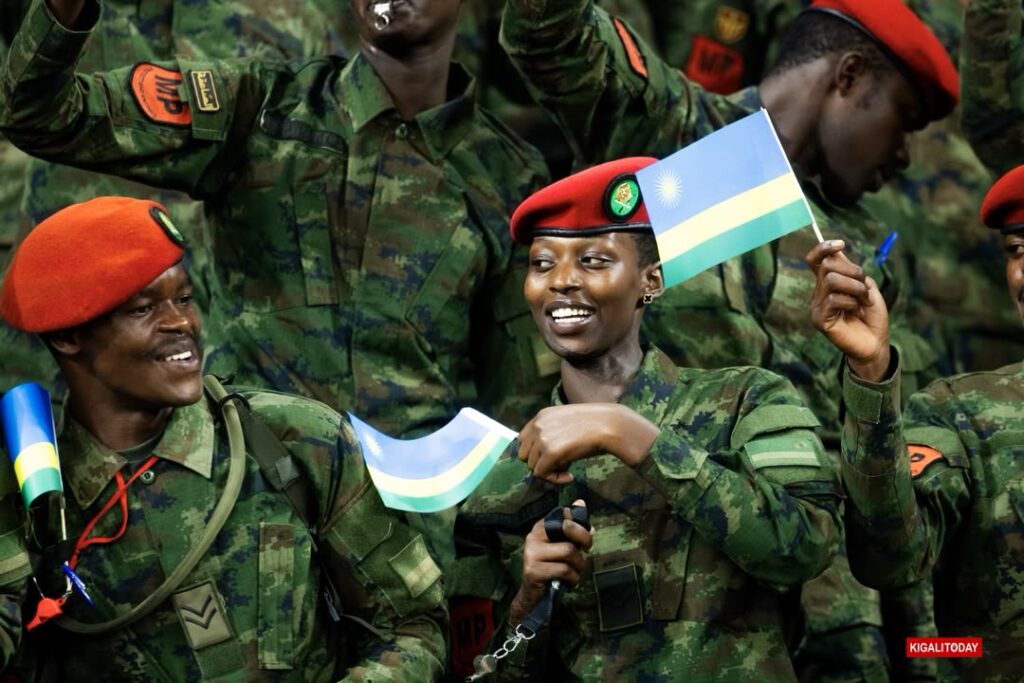
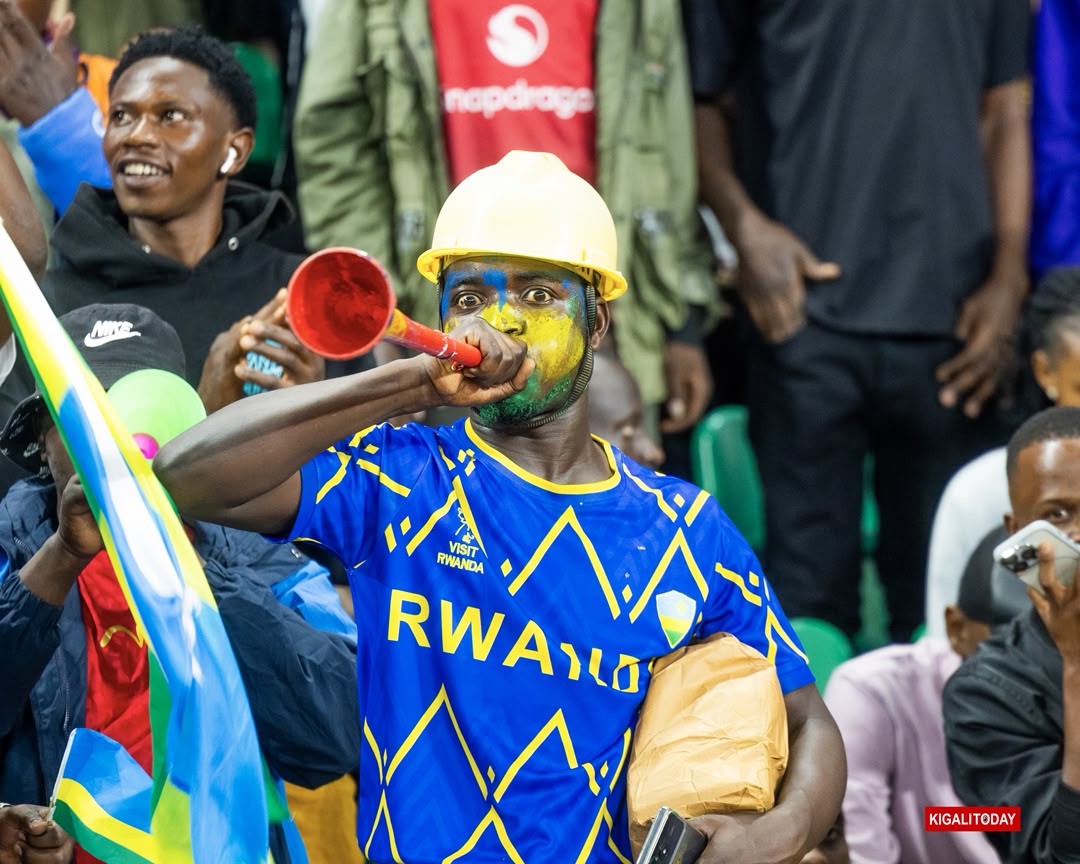
President Paul Kagame arrived at the stadium around the 10th minute, prompting loud cheers from supporters in the stands. The atmosphere remained lively as Rwanda sought to respond to the setback, but the hosts went into the break trailing by a goal.
In the second half, Head coach Stephen Constantine introduced Abeddy Biramahire for Gilbert Mugisha at the interval, and the Amavubi returned with greater urgency, pushing higher and committing more players forward.
Rwanda then began to create openings of their own. Joy-Lance Mickels came close in the 55th minute, while Ellie Tatou Iradukunda sent an effort wide as the hosts pressed for an equalizer.
The pressure intensified in the 65th minute, with Rwanda winning successive corners and forcing Mali to defend deep in their own half. The visitors, who had looked comfortable for much of the first half, were increasingly required to absorb attacks and protect their lead.
The Eagles remained disciplined at the back, and eventually found room to put the result beyond doubt when Diarra scored in the 87th minute. The Amavubi had another opportunity late on, but Mali’s goalkeeper held on to the ball as the match ended 2-0.
A Gap That Goes Beyond One Match
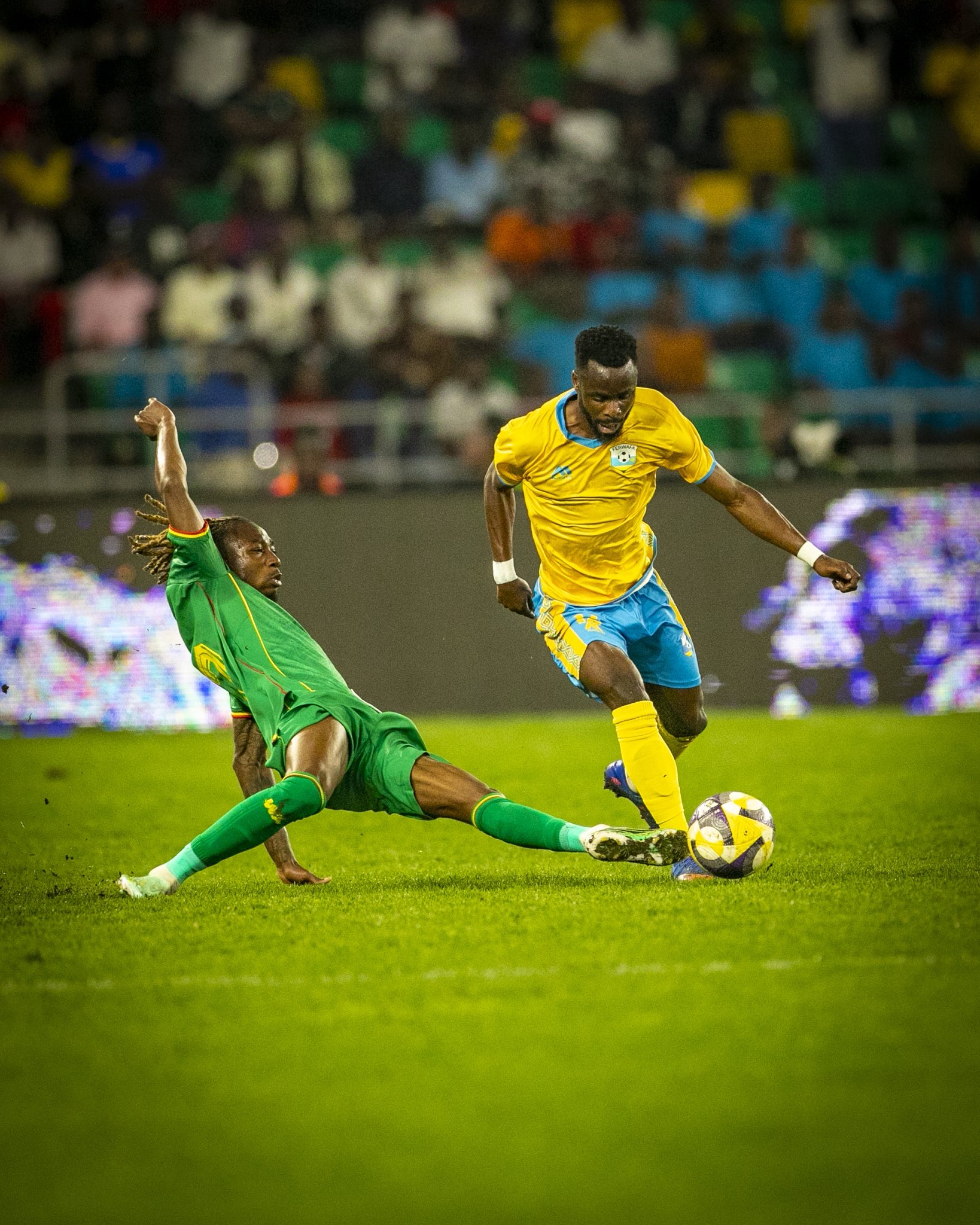
The result offered a reminder of the work Rwanda still needs to do to build a squad capable of competing consistently against established African teams.
Mali not only had quality in their starting line-up but also options from the bench to maintain their competitiveness as the match developed. Constantine acknowledged that difference, pointing to Mali’s younger squad and greater depth.
In a post-match press conference, he argued that Rwanda’s response cannot depend solely on changes to the senior team, but must begin with the structures that develop players long before they reach international level.
“We need to develop our young players because we have the talent in this country. Stronger grassroots programs, better coaching and more opportunities for young footballers to progress are extremely important,” Constantine said.
He also questioned the limited availability of academies at club level, arguing that the country needs to invest in developing players from an early age rather than expecting the national team to bridge the gap on its own.
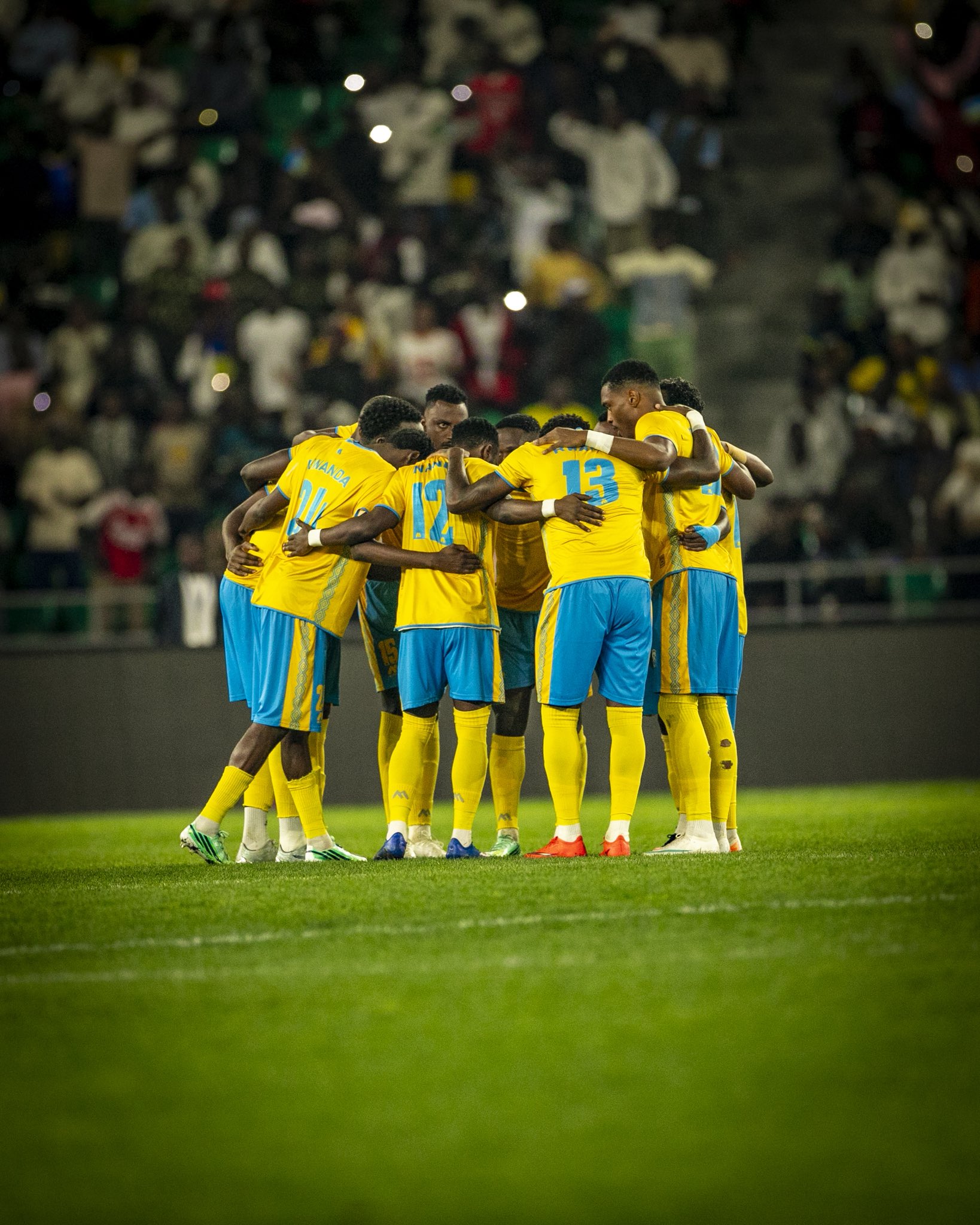
Accepting that his side had not performed to its full potential in the opening half, he was, however, encouraged by the response after the break, when the Amavubi managed to put Mali under pressure for an extended spell.
Mali’s coach said his team had anticipated a difficult match and made tactical adjustments to deal with Rwanda’s attacking movement. He acknowledged that the hosts caused problems after the interval, forcing his players to retreat and defend for a sustained period.
“In football, no team anywhere in the world can control all 90 minutes. Our team had to adapt to Rwanda’s improved approach,” he said.
For the Amavubi, the defeat was another difficult result, but the second-half performance showed that the team could compete for periods against a side with greater depth in the upcoming final round of games.
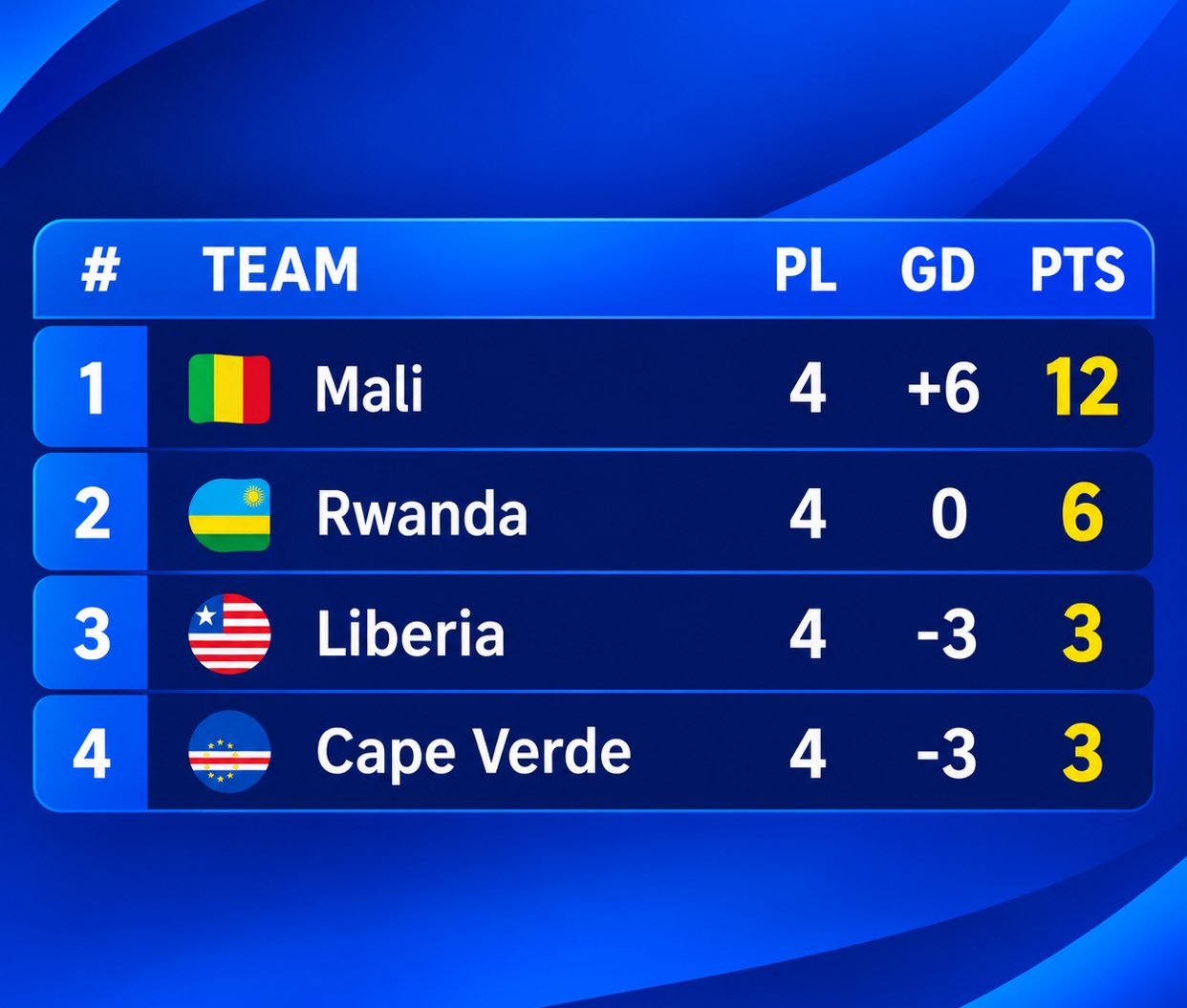
The result leaves Rwanda second in Group K with six points after four matches, behind already-qualified Mali, who have 12. Liberia and Cape Verde are level on three points each following Liberia’s 2-0 victory over Cape Verde.
With two matches remaining in March 2027, Rwanda still have their qualification hopes in their own hands with a win in either of their remaining games, against Liberia and Cape Verde able to guarantee at least second place, securing a ticket to the 2027 AFCON finals.