


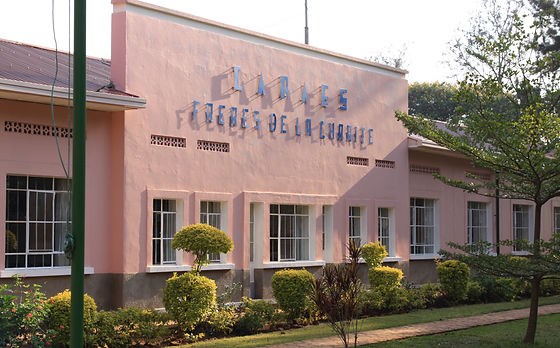
CARAES Ndera needs more government funding
Rwanda’s primary mental health referral facility, CARAES Ndera Hospital, has reported a 26% increase in patient admissions, triggering financial strain that has led to an unplanned overspending of over RWF 819 million, Parliament heard on Monday.
The alarming figures were revealed during a hearing with the Public Accounts Committee (PAC) of the Chamber of Deputies, where MPs questioned the hospital’s leadership over audit findings from the Office of the Auditor General (OAG).
The audit showed that the hospital awarded contracts that significantly exceeded the approved budget, raising concerns about compliance with public procurement rules and financial planning.
PAC member MP Uwumuremyi Marie Claire pointed out that among 15 tenders issued by CARAES Ndera in the 2023–2024 fiscal year, 11 had not been planned for in the annual procurement plan.
She further noted that 73.33% of the tenders reviewed showed serious legal or procedural flaws.
“We are seeing tenders that were not part of the original plan, and some awarded at values far above the budgeted amounts — in one case by over 213%. That raises serious accountability questions,” said MP Uwumuremyi.
The total difference between what had been budgeted and what was actually spent reached over RWF 819 million, according to the audit.
Patient Surge
In response, Frère Charles Nkubiri, Director of CARAES Ndera, acknowledged the overspending but said it was caused by a sharp and unexpected increase in mental health cases, which overwhelmed the hospital’s capacity and financial forecasts.
“The number of patients increased by 26%, and our workforce had to grow by 18% to keep up. Every new staff member requires work tools and equipment. This surge is what caused the budget gap,” he told the committee.
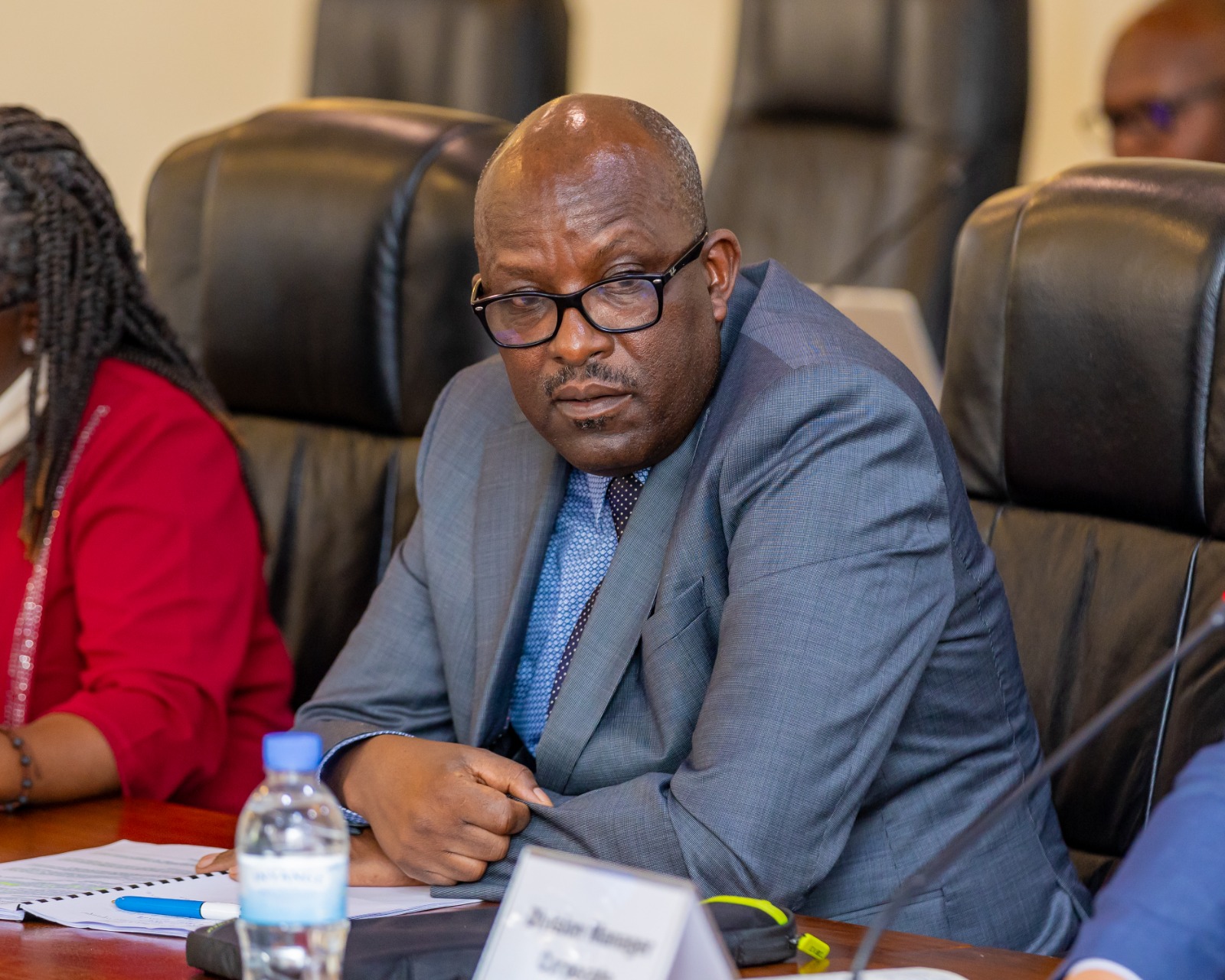
Nkubiri said that on a day-to-day basis, the hospital struggled to meet demands for psychiatric medication, therapeutic materials, and facility maintenance due to the steady rise in patients.
“The more patients we receive, the more medicine we must order. These are not optional costs — they are lifesaving,” he added.
Systemic Pressure on Mental Health Services
CARAES Ndera Hospital is Rwanda’s flagship psychiatric facility, handling cases ranging from depression and schizophrenia to epilepsy and substance abuse.
In recent years, the hospital has faced mounting pressure as mental health awareness has grown and more people seek care.
CARAES Ndera Hospital has reported a steady increase in the number of Rwandans seeking mental health treatment. In the 2022/2023 fiscal year, 95,773 people received care at the hospital, including 5,646 who were admitted for inpatient treatment.
Although this marked a slight drop from the 96,357 patients treated in 2021/2022, the figures remain historically high compared to previous years—for example, only 74,363 patients sought care in 2020/2021.
The admissions again rose last year, which is why the Hospital’s budget is under strain.
The data highlights a growing and sustained demand for mental health services in Rwanda.
The hospital director’s remarks to Parliament echo broader concerns across Rwanda’s health system, where increased demand often collides with limited budgets, especially in specialized fields like mental health.
Lawmakers praised the hospital’s transparency but called for improved budget forecasting and strict compliance with procurement law, even during surges in demand.
“We understand the hospital is under pressure,” said PAC Chairperson Valens Muhakwa. “But public institutions must also improve planning and ensure that emergency needs are still handled within lawful procedures.”
A Call for Better Mental Health Funding
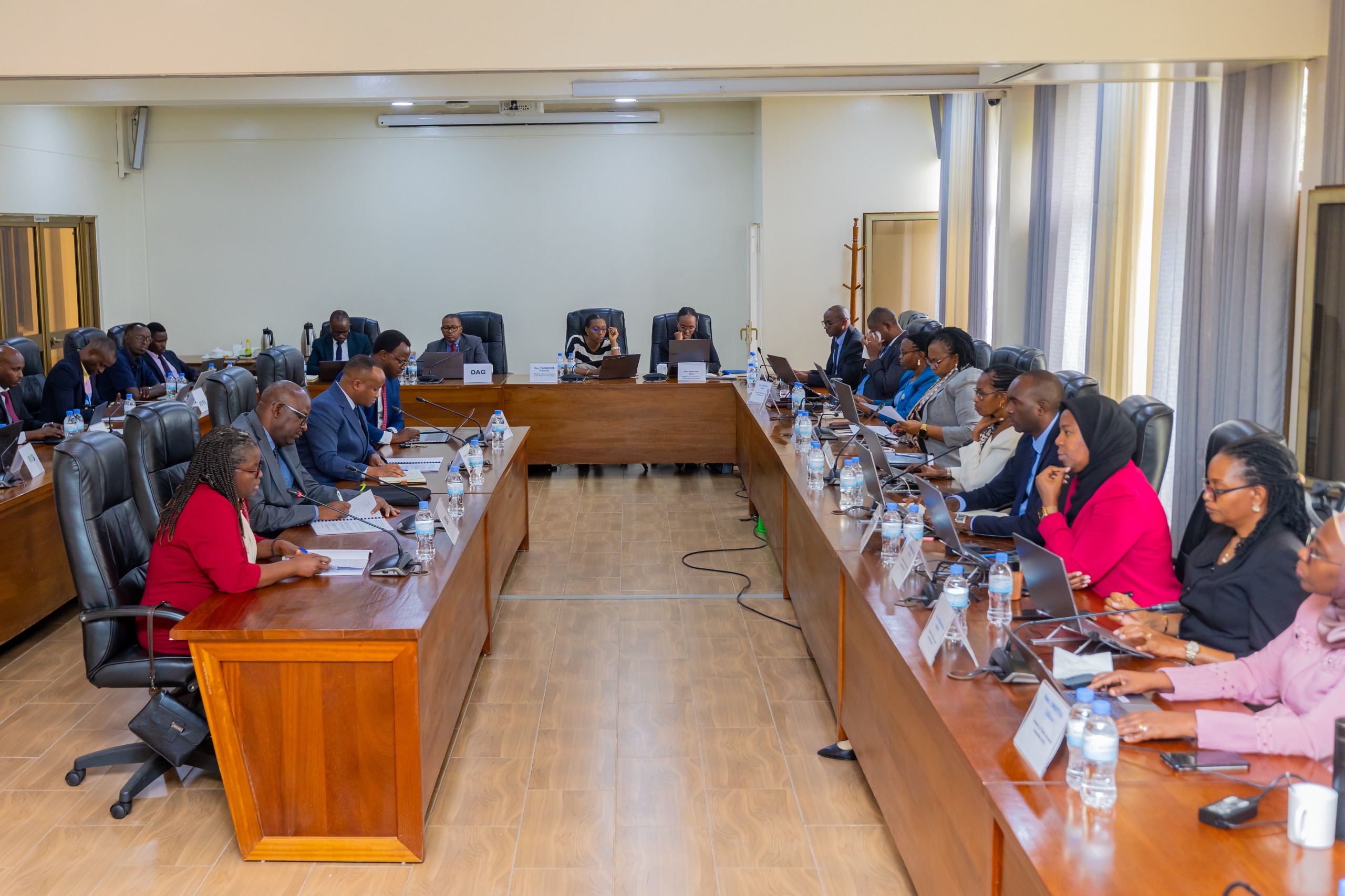
The PAC has recommended that the Ministry of Health and Ministry of Finance consider adjusting future health budgets to better reflect the rising burden of mental illness in the country.
It also called for support in strengthening procurement capacity within hospital management teams.
Mental health is a growing national concern in Rwanda. A 2022 Rwanda Biomedical Center survey estimated that nearly 20% of Rwandans live with a mental health condition, yet most facilities remain under-resourced.
As CARAES Ndera tries to keep up with growing demand, the incident has reignited calls for greater investment in mental health infrastructure, workforce training, and drug procurement systems.
