


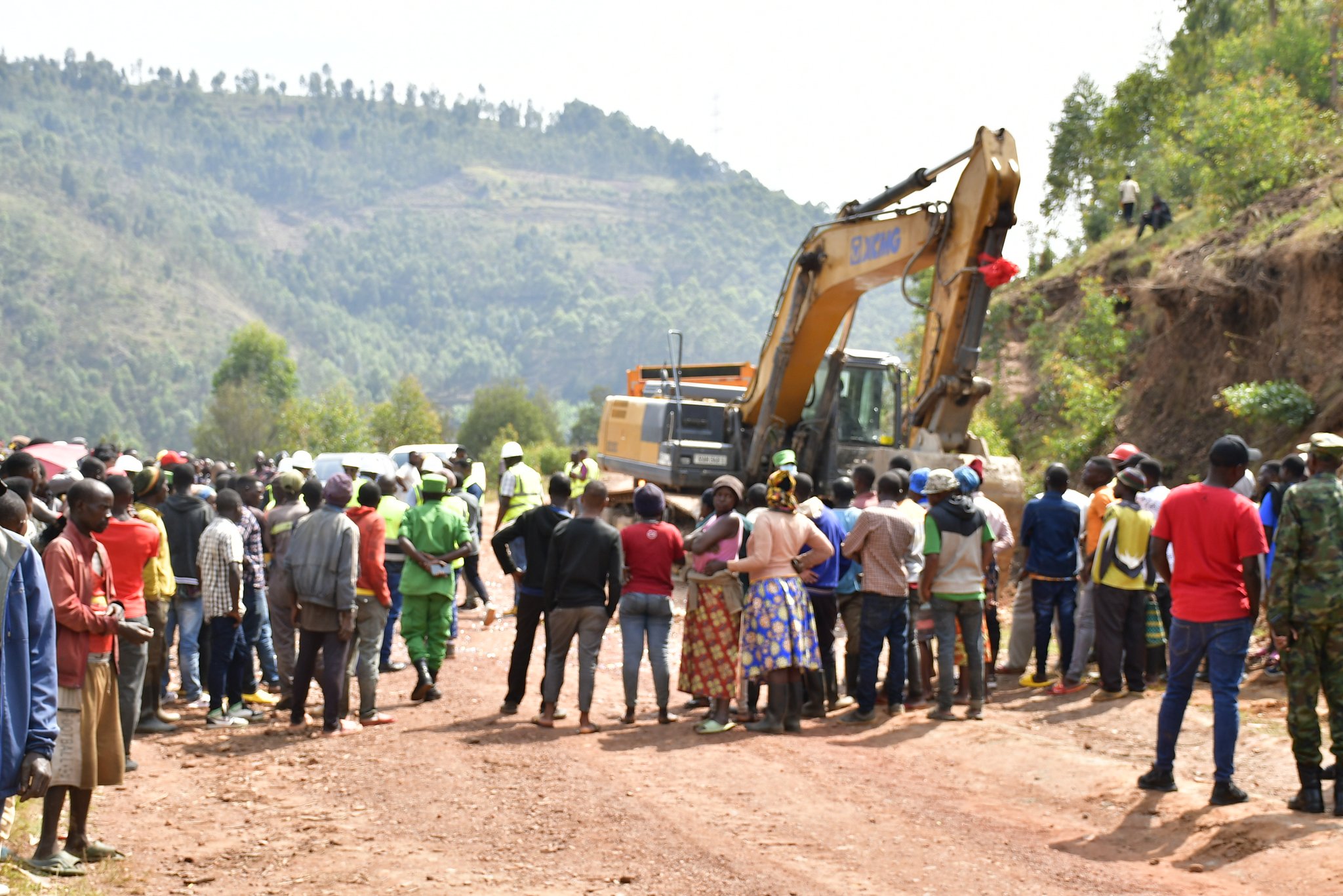
The Order requires that there be public participation along the process of doing an environment and social impact assessment of the project and those details must be put in the report to the authorities
Kigali – The Government of Rwanda has introduced new safeguards requiring all development projects to assess not only their impact on the environment but also on people’s lives, health, and heritage. Failure to follow them, an official or developer risks legal action.
The move comes through a new Ministerial Order on Environmental and Social Impact, which brings Rwanda in line with international best practices.
For the first time, the law explicitly names displacement, community health, cultural heritage, and livelihoods as areas that must be carefully assessed and addressed before any project can go forward.
This marks a shift from a narrow focus on the environment to a more people-centred approach that prioritises the well-being of communities alongside sustainable development.
Projects such as new roads, dams, or industrial plants that require land acquisition must now prepare clear resettlement and compensation plans.
The Government says this requirement will prevent families from being uprooted without fair treatment and support.
Developers will also be obliged to consider how construction or industrial activity could affect surrounding communities, from dust and pollution to road safety and disease outbreaks. Safeguards built into the new framework demand that health and safety measures are put in place for both workers and nearby residents.
Sacred sites, historical landmarks, and memorials will receive stronger protection as well. Projects that threaten to damage or destroy heritage sites will be required to consult affected communities and, where necessary, adjust their designs to preserve cultural and historical treasures.
The law further recognises that economic displacement can be just as devastating as physical relocation. Losing farmland, access to fishing grounds, or traditional trading areas can erode household incomes and undermine community resilience.
Developers will therefore have to go beyond one-off cash compensation and ensure that people’s livelihoods are restored or even improved over the long term.
In past years, there has been growing public outcry over massive displacements linked to the construction of roads and other large-scale national real estate projects. In some cases, even sites with cultural or heritage significance that had not yet been formally documented were not spared.
The new Ministerial Order seeks to rectify this anomaly by ensuring that both communities and cultural landmarks are protected as Rwanda pursues its development agenda.
According to the Government, the strengthened Environmental and Social Impact Assessment system will ensure that Rwanda’s ambitious development agenda is carried out responsibly.
It means future projects will be judged not only on how they protect forests, rivers and air quality, but also on how they safeguard people, their homes, and the country’s cultural identity.
By spelling out these social safeguards in law, Rwanda has taken a firm step toward balancing rapid growth with the protection of its citizens and their heritage.
The Ministerial Order also introduces sanctions to ensure compliance, making it clear that developers who bypass environmental and social obligations will face consequences.
Projects that commence without undergoing the required Environmental and Social Impact Assessment risk suspension or outright closure, while those that fail to implement approved mitigation and monitoring measures can be subjected to administrative fines or the withdrawal of their approval certificates.
By spelling out such penalties, the Government aims to deter negligence and guarantee that all projects uphold their responsibility to protect both communities and the environment.
