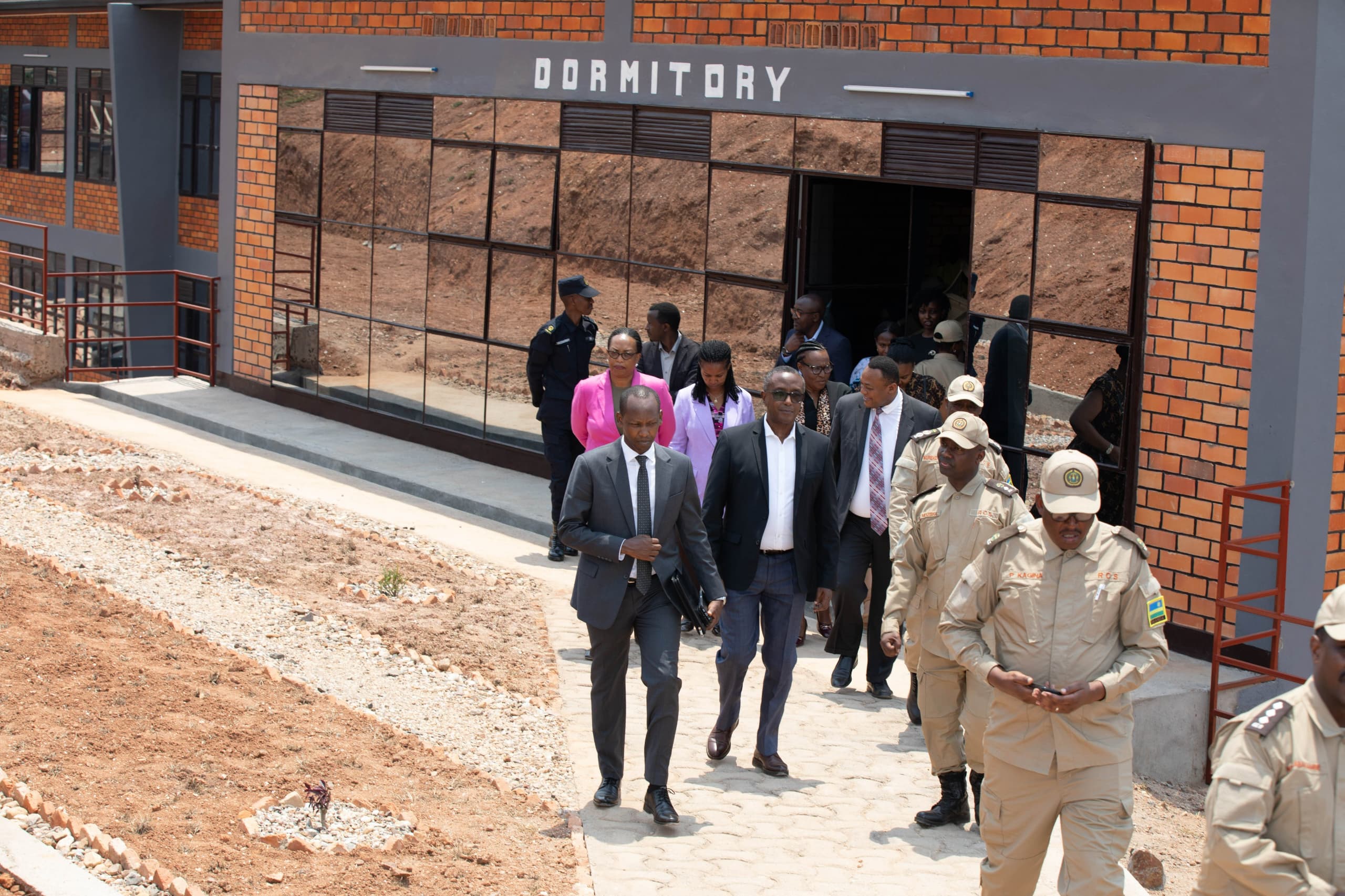


RWAMAGANA – Government has today inaugurated the country’s first Halfway Home, a transitional facility designed to prepare genocide convicts and other prisoners nearing the end of their sentences for reintegration into society.
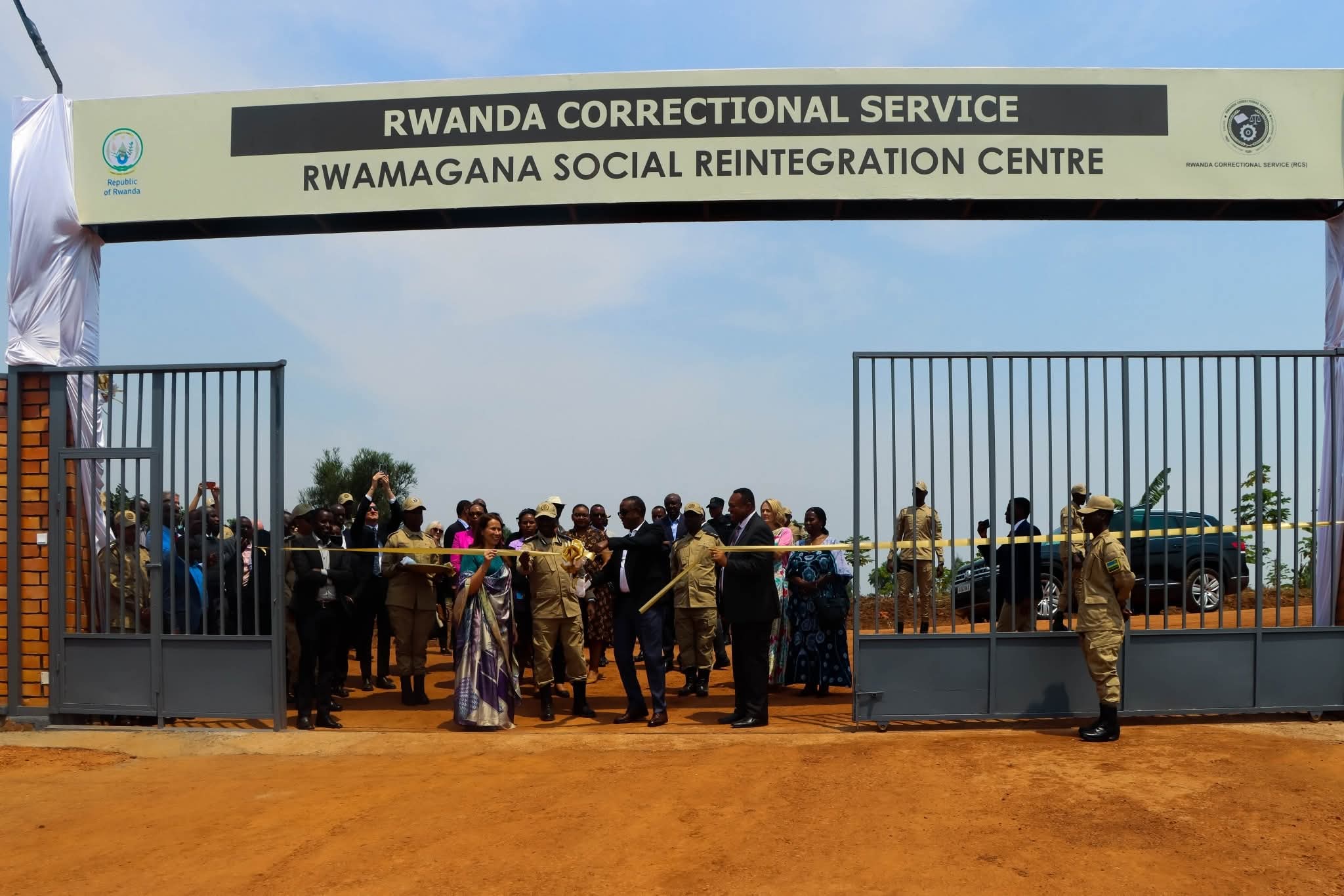
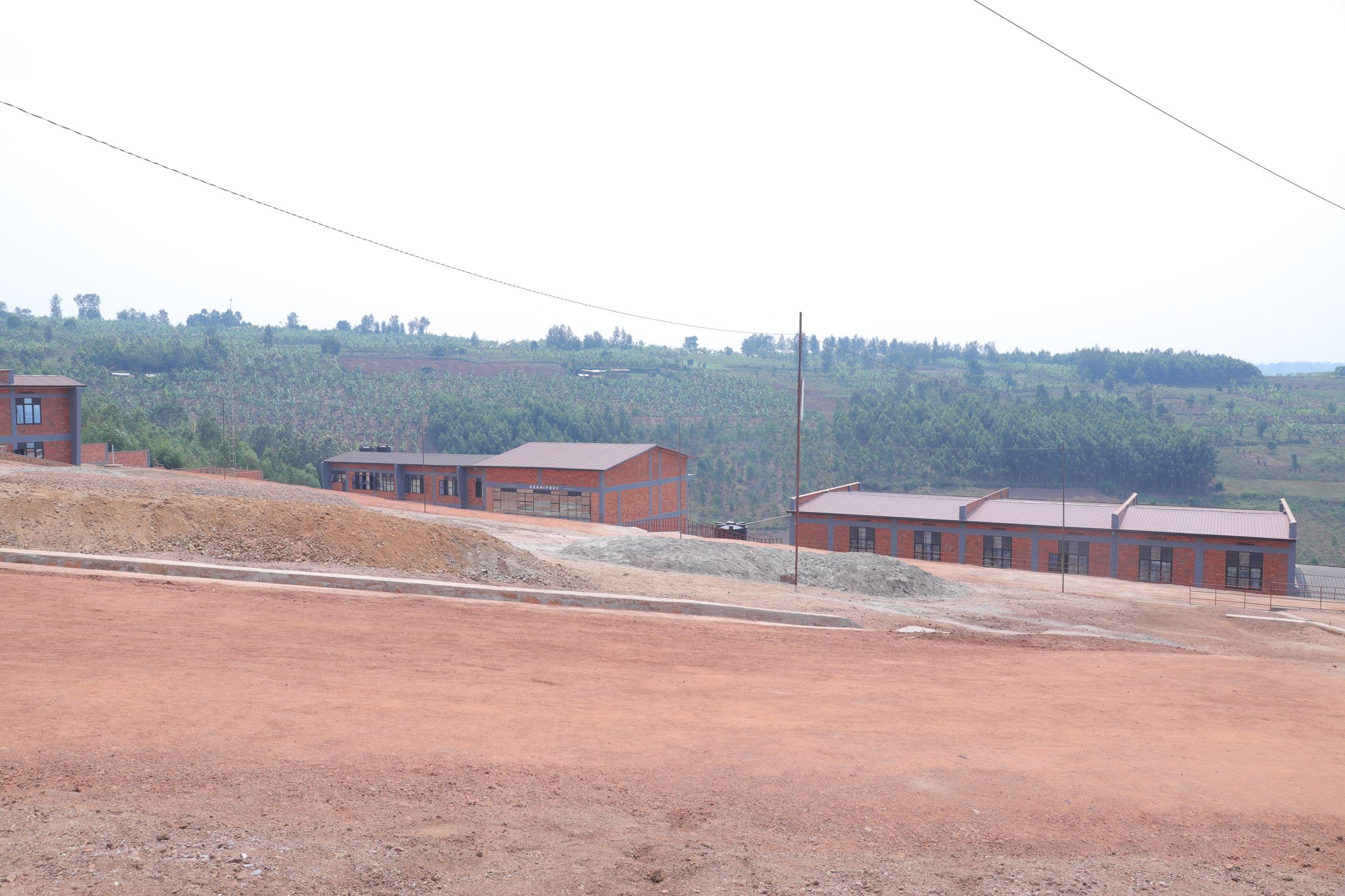
The facility, located in Rwamagana District, was officially opened by theInterior Minister , Dr. Vincent Biruta, who underscored its role as a bridge between incarceration and community life.
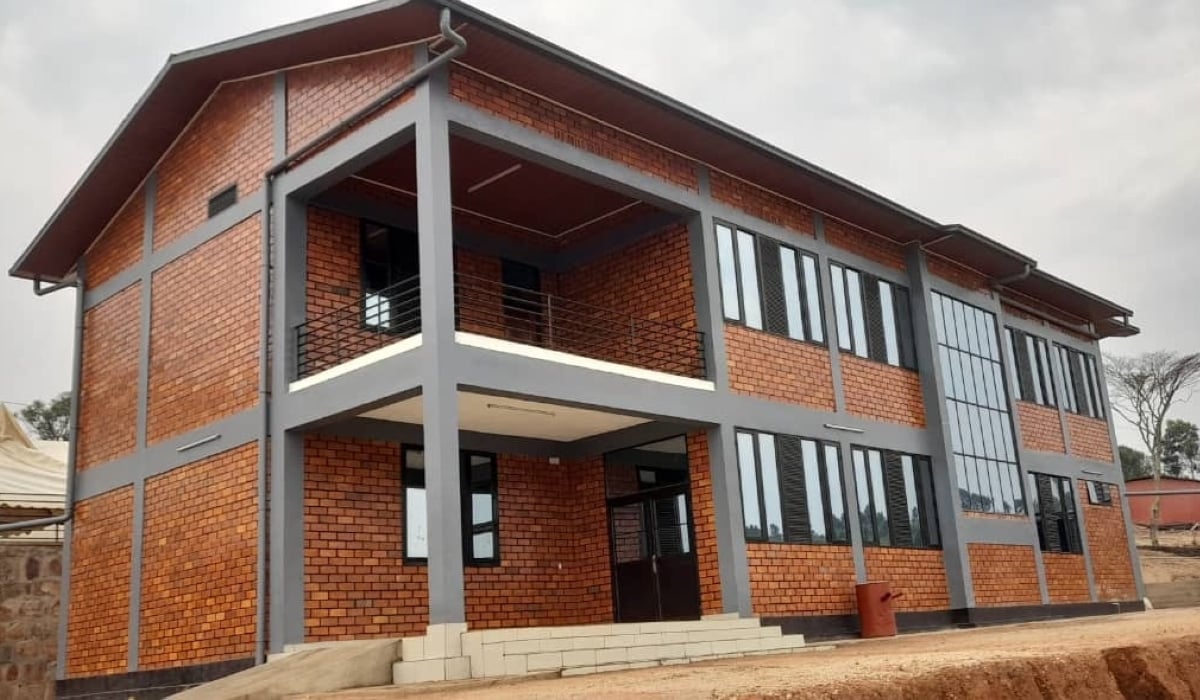
With a capacity to host 2,500 inmates serving their final six to twelve months, the Halfway Home offers a controlled environment where convicts can adjust before fully rejoining their families and communities.
Dr. Biruta called on the beneficiaries to use the period productively: “This is your time to prepare for a responsible life after prison. Work with others, respect the law, and strive to become good citizens who contribute positively to society,” he said.
Aims of the Halfway Home
The program is designed to reduce the psychological burden on both survivors of the 1994 Genocide against the Tutsi and the convicts themselves.
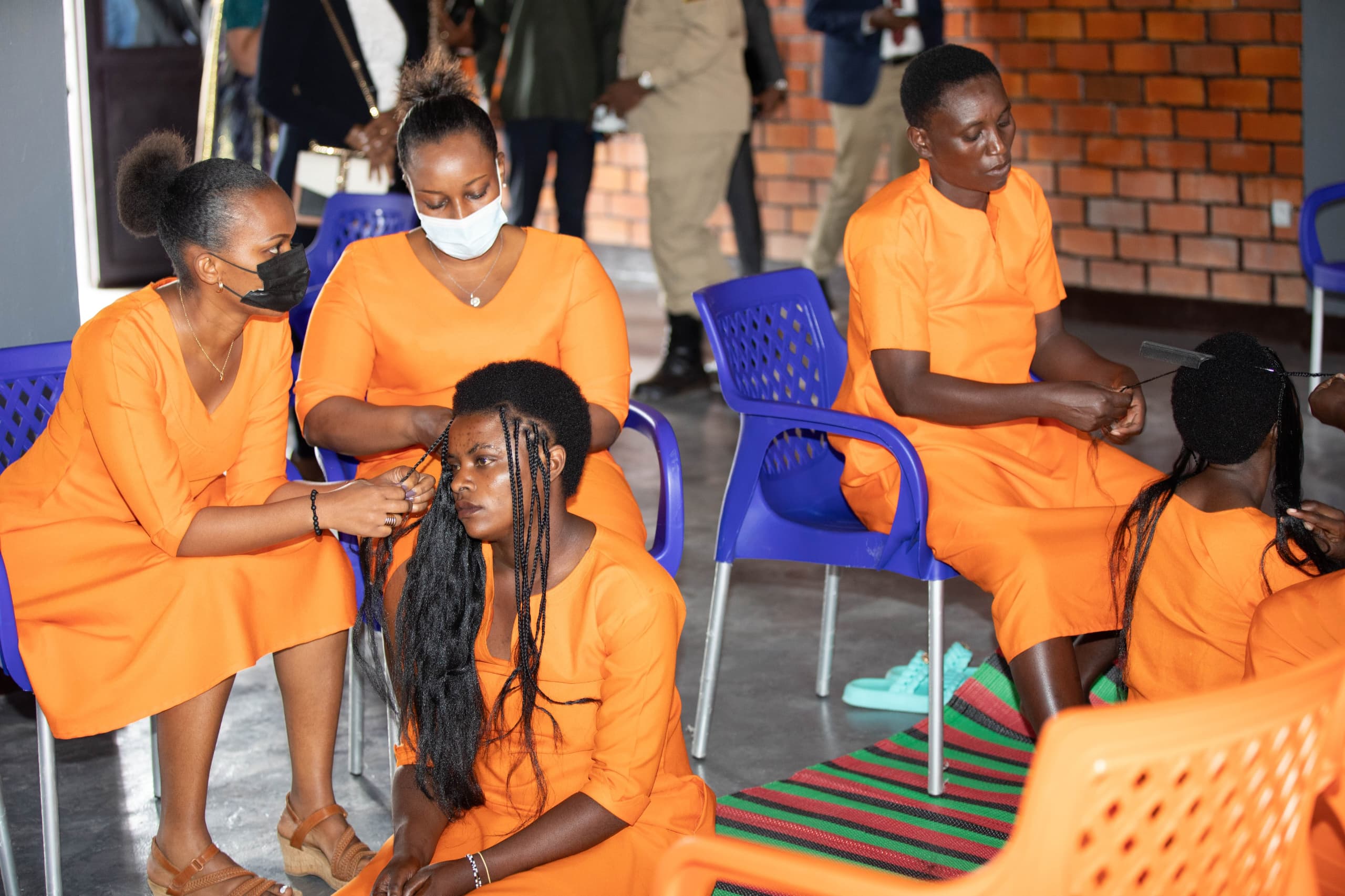
Inmates will be allowed short family visits, engage in communal activities such as umuganda (community work), and receive vocational training to equip them with practical skills for self-reliance.
Authorities say this staged release helps mitigate trauma for genocide survivors who might otherwise be shocked by the sudden return of former perpetrators into their neighborhoods.
Broader Collaboration
The initiative is led by the Rwanda Correctional Service (RCS) in partnership with organizations such as Interpeace and Dignité en Détention (DDE).
According to CSP Thérèse Kubwimana, RCS spokesperson, the Halfway Home model ensures that “ex-prisoners are gradually reintroduced to society in ways that prepare both them and survivors for coexistence.”
Civil society partners emphasize that preparation is crucial. Odette Mukansoro, head of DDE, noted that initiatives like Mvurankuvure—dialogue groups bringing together survivors and perpetrators—have shown the healing power of dialogue, but not all prisoners undergo such preparation before release.
Margret Mahoro of Interpeace added that “screening each prisoner before release is necessary to understand their needs, wishes, and potential impact on survivors, so reintegration can happen with dignity and responsibility.”
Beginning this year, more than 3,000 genocide convicts will be released annually as they complete their long sentences. While they must return to their communities as ordinary citizens, their reintegration poses unique challenges.
The Halfway Home program is designed to ease this transition by equipping them with essential social skills and, for some, opening pathways to possible work opportunities.
Survivors’ Concerns
For many survivors, abrupt encounters with former perpetrators have triggered trauma. One genocide survivor from Huye recalled collapsing into chronic illness after unexpectedly meeting a released convict during community work.
“I used to suffer daily headaches, constantly reliving what I lost,” she said. “Facing the person who harmed me without warning made me feel like I was losing my mind.”
Authorities hope that the Halfway Home will prevent such incidents by ensuring survivors are informed and prepared when convicts are about to rejoin society.
Beyond Genocide Crimes
Although primarily associated with genocide-related convictions, officials stressed that Halfway Homes will also cater to inmates convicted of other serious crimes that have deep social impacts.
“This facility is not only for genocide perpetrators,” said CSP Kubwimana. “It will also serve individuals convicted of offenses that traumatize communities—such as sexual violence—so that society has time to adjust before their return.”
The Halfway Home represents a new phase in Rwanda’s reconciliation and justice journey, offering convicts skills training and structured reintegration, while easing survivors’ fears.
As Dr. Biruta concluded at the launch: “This is a step towards building safer, stronger communities. Reintegration is not only about the released convicts but about ensuring peace of mind for the entire nation.”